


Q&A: Is Yellowstone Safe for Student Groups?
- Caleb Mullenix
- 51 minutes ago
- 5 min read

Ensuring the safety and well-being of students during an outdoor educational excursion is of paramount importance for any educator or administrator. When planning Yellowstone student tours, the primary concern is often the inherent risks associated with a wild, geothermal landscape. However, with meticulous preparation and strict adherence to established protocols, Yellowstone National Park is an exceptionally safe environment for high-level learning.
This Q&A guide addresses the most frequent safety concerns regarding Yellowstone geology trips for students and provides a structured framework for maintaining a secure learning environment.
Is Yellowstone statistically safe for large student groups?
Yes. In fact, traveling as a large, organized group provides a significant statistical safety advantage over solo travel or small family units. Historical data from the National Park Service indicates that since 1970, only 9% of bear-related injuries in Yellowstone occurred to individuals in groups of three or more. Conversely, 91% of injuries affected those hiking alone or in pairs.
By choosing affordable school national park trips through organized programs, students are naturally protected by the "strength in numbers" principle. Large groups are louder, more visible, and less likely to be perceived as a target by local wildlife.
What are the non-negotiable rules for wildlife safety?
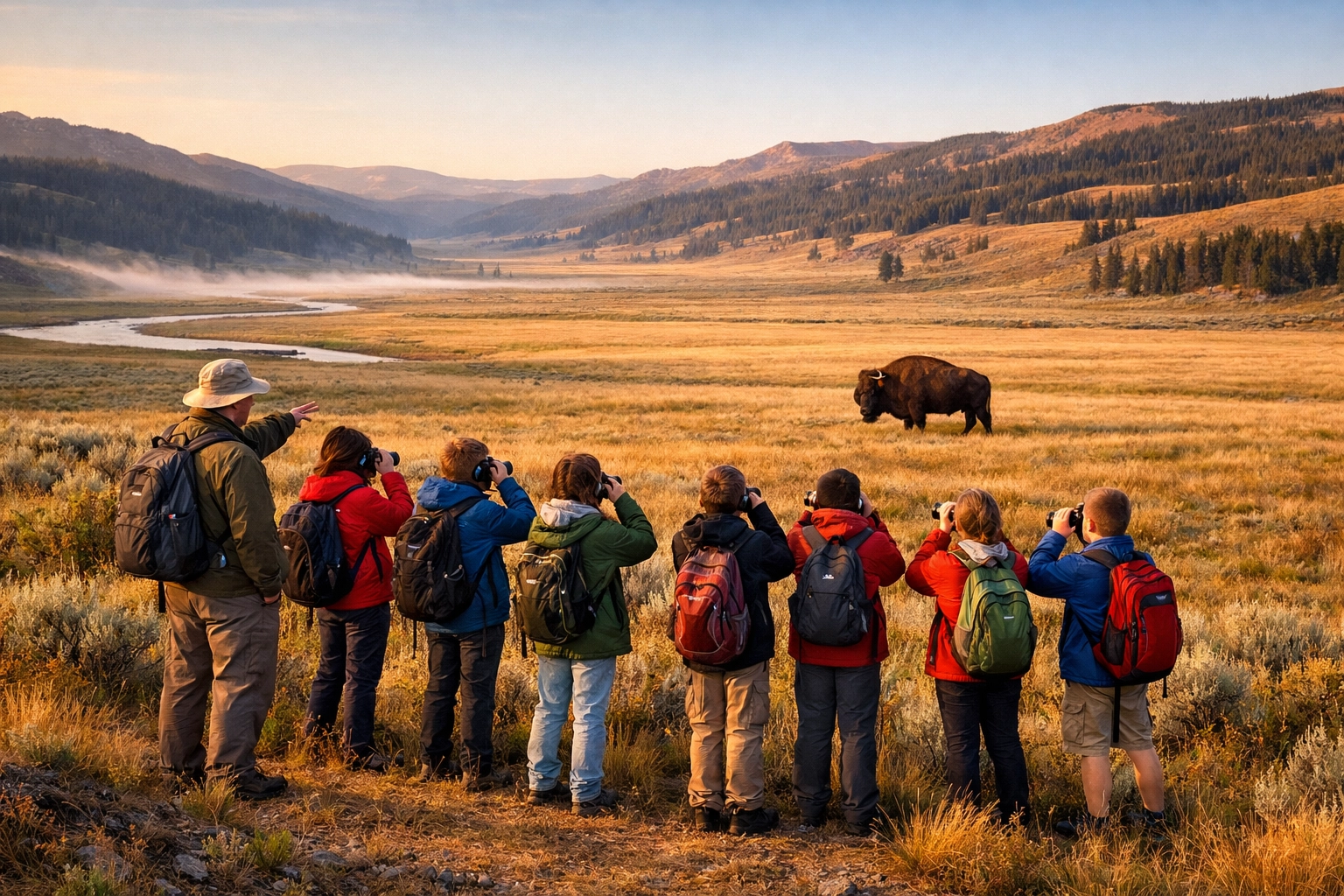
Wildlife encounters are a highlight of any expedition, but they require disciplined supervision. You must enforce the following distance protocols at all times:
Predators: Maintain a minimum distance of 100 yards (91 meters) from bears and wolves.
Large Herbivores: Maintain a minimum distance of 25 yards (23 meters) from all other animals, including bison, elk, moose, and bighorn sheep.
Proactive Noise: When hiking through wooded areas, instruct students to make noise periodically. Rhythmic clapping or shouting "Hey bear!" alerts animals to your presence, preventing surprise encounters which are the leading cause of aggression.
Avoid Peak Activity Times: Schedule hikes during broad daylight. Avoid the periods of dawn and dusk when grizzly bears and other predators are most active.
How can we ensure student safety around thermal features?
Yellowstone’s geothermal features: geysers, mud pots, and hot springs: are as dangerous as they are beautiful. The ground in thermal areas may appear solid but often overlies scalding hot water and acidic mud. More than 20 people have died from burns after entering or falling into Yellowstone’s hot springs.
To maximize safety, follow these instructions:
Stay on Marked Paths: Students must remain on designated boardwalks and paved trails at all times. There is zero tolerance for stepping off the path in thermal basins.
Supervision Ratios: Maintain a tight chaperone-to-student ratio in these areas to ensure every student is monitored.
Education First: Before entering a thermal basin, brief the students on the fragile nature of the crust and the extreme temperatures of the water.
What is the protocol for hiking and trail safety?
Managing a group on the trail requires a strategic approach. Use a "sandwich" formation: one experienced adult leader at the front of the line (the Lead) and one at the very back (the Sweep). No student should ever be ahead of the Lead or behind the Sweep.
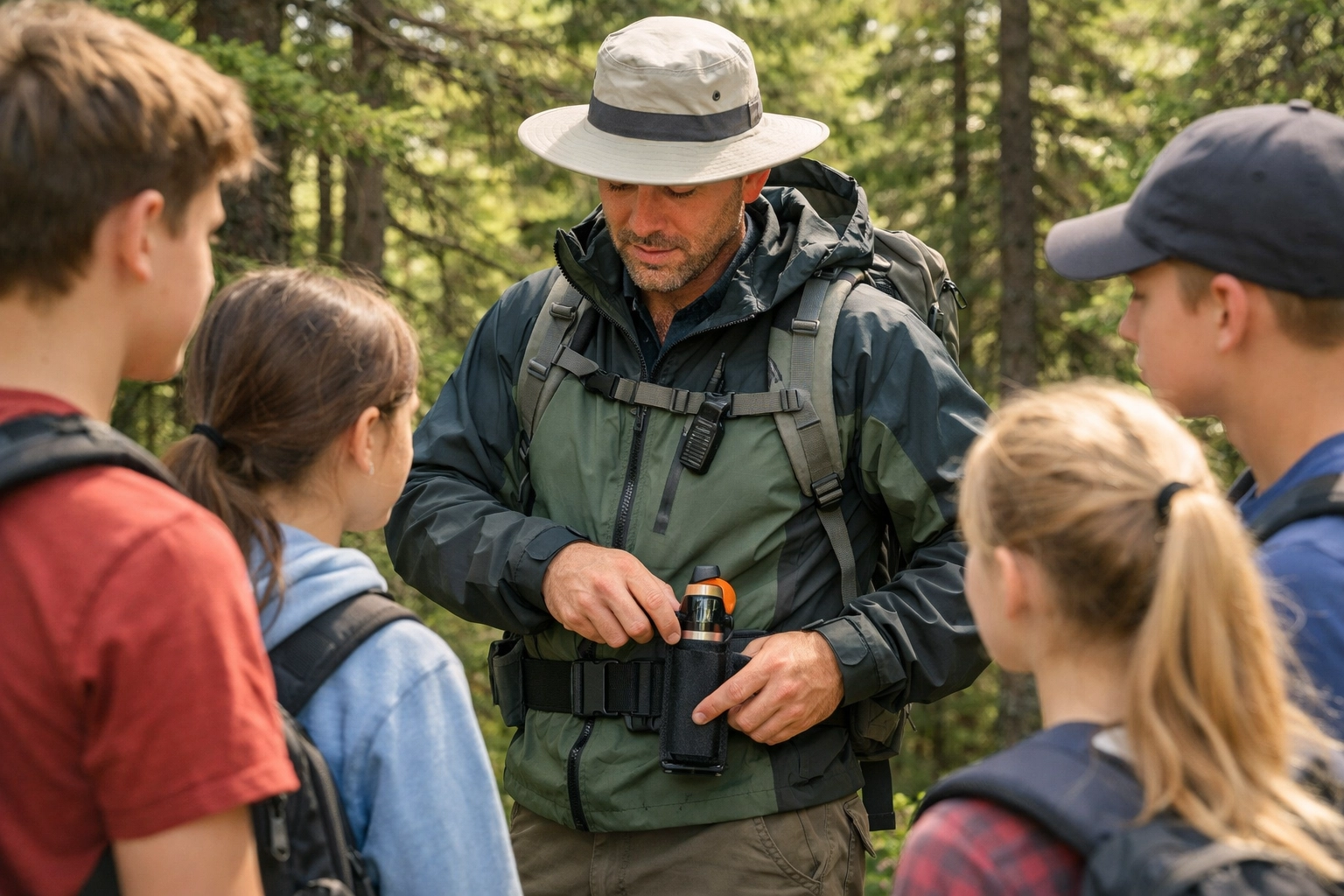
Ensure that all adult chaperones are equipped with bear spray and have been trained on how to deploy it. Bear spray is a highly effective, non-lethal deterrent, but it is only useful if it is immediately accessible: not tucked away inside a backpack. For more information on preparing your staff, consider exploring our teacher preview resources.
What gear is essential for a safe Yellowstone geology trip for students?
Preparation is the best defense against environmental hazards. Ensure every student and chaperone has the following:
Layered Clothing: Yellowstone’s weather is unpredictable; hypothermia can occur even in summer if a student gets wet and cold.
Sturdy Footwear: Closed-toe hiking boots with good traction are mandatory for preventing slips on uneven terrain.
Hydration Systems: High-altitude environments increase the risk of dehydration and altitude sickness.
Sun Protection: The UV rays are significantly stronger at high elevations.
How do professional guides enhance the safety of the trip?
While teachers are experts in the classroom, professional guides are experts in the field. Utilizing a professional organization like Appleseed Expeditions ensures that your group is led by individuals who are trained in wilderness first aid, wildlife behavior, and emergency communication.
Professional guides handle the logistics of risk management, allowing educators to focus on the curriculum. They are also familiar with the specific locations of cellular dead zones and the quickest routes to medical facilities within the park. You can learn more about our commitment to safety on our about page.
What educational resources can reinforce safety protocols?
The National Park Service offers a Wildlife and Visitor Safety Education program. We highly recommend scheduling a ranger-led demonstration at the start of your trip. These sessions provide:
Live demonstrations on the proper use of bear spray.
Instruction on safe camping and food storage practices (vital for avoiding "food-conditioned" wildlife).
Visual aids regarding safe distances.
Integrating these professional safety briefings into your North America itinerary establishes a culture of vigilance and respect for the park from day one.
What should be included in our emergency contingency plan?
Every school group must have a formal, written emergency plan that is shared with all chaperones and parents. This plan should include:
Communication Chains: Who is the primary contact in case of an emergency?
Medical Profiles: A list of all student allergies and pre-existing medical conditions.
Ranger Contact Information: Keep the numbers for the Yellowstone Dispatch Center programmed into all adult phones.
Evacuation Routes: Knowledge of the nearest park exits relative to your daily itinerary.
Establishing a "Culture of Caution"
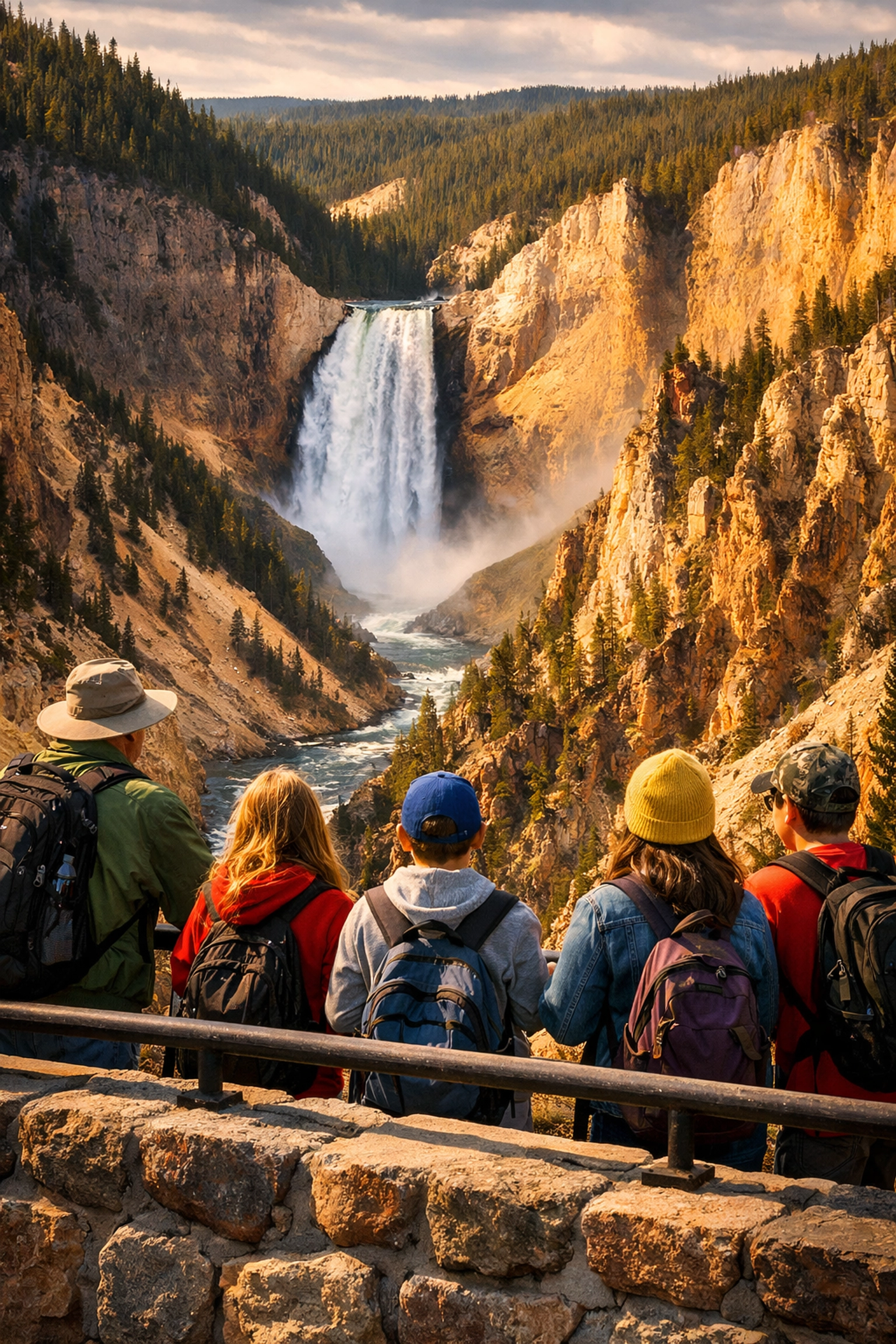
Safety in Yellowstone is not just about following rules; it is about fostering a specific mindset within the student group. Emphasize that the park is a "wilderness," not a "theme park." Every action: from how they store their snacks to how they walk on a boardwalk: has a direct impact on their safety and the preservation of the ecosystem.
Encourage students to hold each other accountable. When students take ownership of their safety, the likelihood of accidents decreases significantly.
Conclusion: Preparing for a Successful Expedition
Ensuring the safety of students during Yellowstone student tours involves careful planning, constant supervision, and a respect for the natural world. By prioritizing wildlife distances, remaining on boardwalks, and traveling in cohesive groups, the risks are effectively mitigated.
Appleseed Expeditions provides an opportunity for students and educators to experience Yellowstone science trips firsthand with the security of professional oversight. Our expeditions are designed to be both academically rigorous and meticulously safe, providing a structured environment where students can explore the wonders of geology and ecology without compromise.
By following these protocols and maintaining a risk-averse mindset, your school can provide a transformative educational experience that is as safe as it is inspiring. Reaffirm your commitment to student safety today by beginning your planning with a focus on preparation, communication, and vigilance.
Comments