


Q&A: How to Plan the Ultimate Yellowstone Science Field Trip
- Caleb Mullenix
- Apr 2
- 5 min read

Preparing high school students for a field expedition to Yellowstone National Park requires meticulous planning, a focus on academic rigor, and a deep commitment to student safety. As one of the most complex geothermal and ecological environments on Earth, Yellowstone serves as a living laboratory for Earth Science, Biology, and Chemistry. However, the success of such an undertaking depends entirely on the educator's ability to navigate logistics while maintaining a strict adherence to curriculum goals.
Ensuring the safety of students and the integrity of the educational experience is of paramount importance. This guide provides a structured, step-by-step approach to planning high school science field trips to Yellowstone, addressing the most common questions and logistical challenges faced by educators.
Q: What is the best time of the year to travel to Yellowstone for a science trip?
Choosing the correct window for your expedition is critical, as the park’s climate and biological cycles dictate the availability of specific learning opportunities.
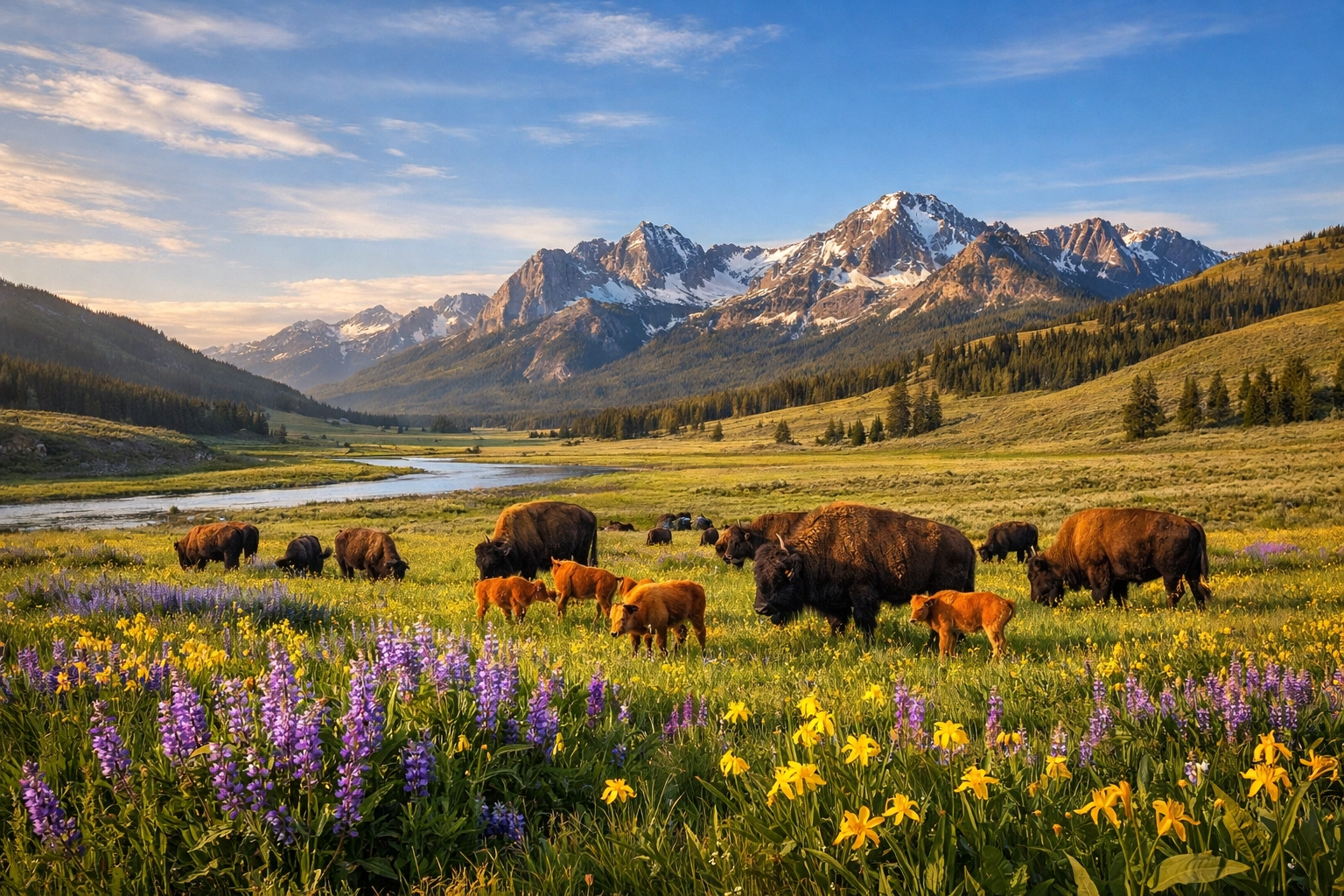
Late Spring (May to June): This is the optimal time for educational middle school science trips and high school biology units focusing on wildlife ecology. During this period, newborn elk calves and bison red dogs are abundant, and grizzly bears are frequently seen in the lower elevations. The melting snowpack also provides a prime opportunity to study hydrology and seasonal runoff.
Early Fall (September to October): For schools focusing on Yellowstone geology trips for students, the fall offers stable weather and clear access to hydrothermal basins. The elk rut is in full swing, providing a masterclass in animal behavior and sexual selection. Furthermore, the thinning crowds allow for more intimate discussions at popular sites like Old Faithful or the Grand Canyon of the Yellowstone.
Winter: While logistically more challenging, winter trips provide unparalleled insights into thermoregulation and survival adaptations. However, most interior roads are closed to wheeled vehicles, necessitating snowcoaches, which can increase the cost of affordable school national park trips.
Q: What is a good group size for a Yellowstone science expedition?
Logistical efficiency and educational engagement are directly impacted by group size. For a high-intensity science program, the "sweet spot" is typically 15 to 25 students.
Transportation Constraints: Most standard field research vehicles and small buses accommodate roughly 20-30 passengers. Keeping your group within this range prevents the need for a second vehicle, which significantly lowers the per-student cost.
Instructional Quality: Yellowstone’s boardwalks and trailheads have physical limitations. A group larger than 25 often results in students at the back being unable to hear the naturalist’s lecture or view specific thermal features.
Supervision and Safety: Maintaining a strict 1:8 or 1:10 chaperone-to-student ratio is essential when navigating hydrothermal areas where staying on boardwalks is a matter of life and safety.
Q: How do I align a Yellowstone trip with my science curriculum?
A field trip should never be a "vacation"; it must be an extension of the classroom. To maximize learning opportunities, focus on the following core scientific disciplines:
Geology and Volcanism: Study the Yellowstone Caldera, seismic activity, and the mechanics of geysers. Students can collect data on eruption intervals and pH levels in runoff channels to understand hydrothermal chemistry.
Ecology and Trophic Cascades: The reintroduction of wolves in 1995 remains the premier case study for trophic cascades. Students can observe predator-prey dynamics in the Lamar Valley and study the impact of wolves on willow and aspen growth.
Microbiology: The "extremophiles" living in the park’s hot springs provide a direct link to studying the origins of life and biotechnology (e.g., the discovery of Thermus aquaticus and its role in PCR testing).
For educators looking to compare diverse ecosystems, you may also find value in researching how student field studies in Costa Rica help restore rainforests or exploring Peru STEM adventures.

Step-by-Step Guide for Planning Your Expedition
1. Define Your Learning Objectives
Begin by researching the specific Next Generation Science Standards (NGSS) you wish to fulfill. Whether the focus is on "Earth’s Systems" or "Ecosystems: Interactions, Energy, and Dynamics," having clear objectives will help you select the right locations within the park.
2. Establish a Formal Timeline
Planning should begin 10 to 12 months in advance.
12 Months Out: Secure school board approval and determine your budget.
10 Months Out: Reserve lodging. Lodging inside the park (such as the Lamar Buffalo Ranch or Canyon Lodge) fills up nearly a year in advance. If park lodging is unavailable, look to Gardiner or West Yellowstone.
8 Months Out: Recruit chaperones and open student registration.
6 Months Out: Finalize transportation and secondary logistics.
3. Manage Logistics and Funding
To ensure affordable school national park trips, consider a "hybrid" approach to dining. Utilize grocery stores in gateway towns like Bozeman or Livingston to pack lunches, reserving funds for one or two specialized dinners. If you are coordinating your own travel, be mindful of current park conditions; for instance, check for updates similar to the 2026 closures at the Grand Canyon to ensure your route is clear.
4. Prioritize Risk Management
Yellowstone is a high-risk environment. Instruct students on the "Three Pillars of Yellowstone Safety":
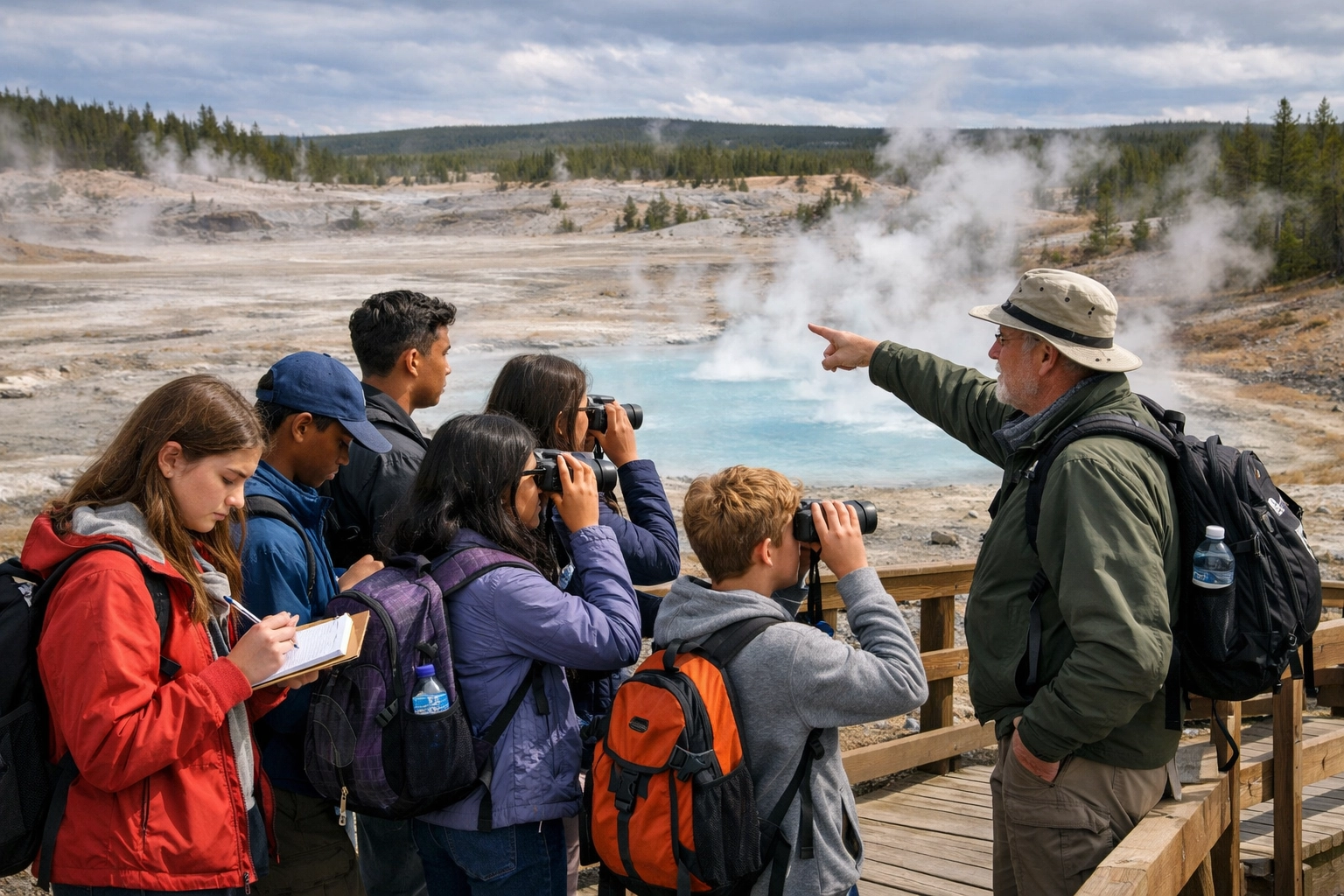
Thermal Safety: Never step off the boardwalks. The crust in hydrothermal areas is often thin and covers boiling water.
Wildlife Distance: Maintain a minimum of 100 yards from bears and wolves, and 25 yards from bison and elk.
Hydration and Elevation: The park’s average elevation is 8,000 feet. Advise students to increase water intake weeks before arrival to prevent altitude sickness.
Q: What are the must-see spots for a high school science group?
While the entire park is a resource, these three locations are non-negotiable for a science-based itinerary:
The Lamar Valley: Often called "America’s Serengeti," this is the premier location for wildlife ecology and wolf observation.
Norris Geyser Basin: This is the hottest and most acidic basin in the park. It is the best place to discuss the chemistry of acid-sulfate systems and the resilience of extremophile bacteria.
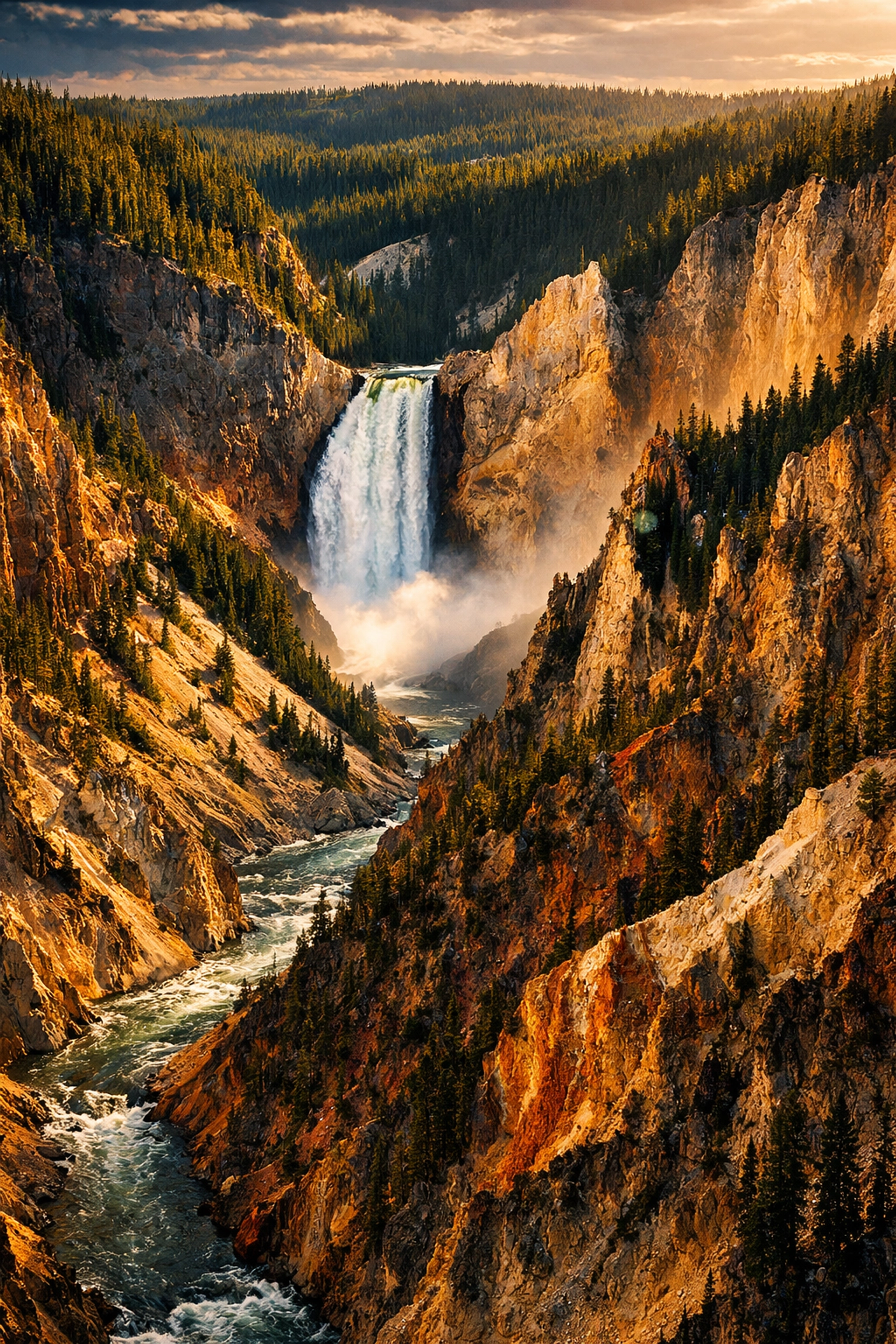
The Grand Canyon of the Yellowstone: Here, students can observe the result of hydrothermally altered rhyolite, providing a clear visual lesson in chemical weathering and erosion.
The Value of Professional Coordination
Organizing an expedition of this magnitude is a significant administrative burden. Many educators find that partnering with professional organizers can simplify the process, allowing the teacher to focus on instruction rather than bus schedules and meal vouchers. For those considering other major geological landmarks, you might review how student group travel organizers simplify Grand Canyon expeditions.
At Appleseed Expeditions, we specialize in transforming standard trips into immersive science journeys. Our programs are designed to meet curriculum standards while providing students with hands-on field experience that cannot be replicated in a classroom. We invite you to experience a Yellowstone science trip firsthand with our team of expert guides and naturalists.
Final Preparations and Reaffirmation of Objectives
As you finalize your plans, remember that the primary goal of any high school science field trip is to foster a sense of stewardship and inquiry. Encourage students to keep detailed field journals, recording observations of temperature, wildlife behavior, and geological features.
By following this structured approach: prioritizing safety, aligning with curriculum, and managing logistics with meticulous care: you will provide your students with a foundational scientific experience that will resonate throughout their academic careers. Reaffirm your commitment to these core objectives, and your Yellowstone expedition will undoubtedly be a resounding success.
Comments