


How Student Group Travel Organizers Simplify Your Grand Canyon Expedition

Planning an educational expedition to the Grand Canyon represents one of the most rewarding: yet logistically demanding: undertakings any educator or school administrator can pursue. The sheer scale of coordination required, from transportation and accommodations to safety protocols and curriculum alignment, can quickly overwhelm even the most organized professionals. This is precisely where student group travel organizers become invaluable partners, transforming what could be a stressful planning nightmare into a seamless, impactful experience for everyone involved.
Understanding how professional travel organizers simplify Grand Canyon expeditions empowers educators to make informed decisions that prioritize both student safety and educational outcomes. The following guide outlines the critical ways these specialists handle logistics, ensuring your role shifts from overwhelmed coordinator to engaged educator.
The Hidden Complexity of Grand Canyon Expedition Planning
Before examining the solutions, it is essential to recognize the scope of challenges inherent in organizing a student group trip to one of America's most iconic natural landmarks.
Consider the following planning requirements:
Transportation coordination across potentially hundreds of miles
Accommodation bookings that meet group safety standards
Meal planning that accounts for dietary restrictions and allergies
Activity scheduling aligned with educational objectives
Emergency protocols for a remote, wilderness environment
Permit acquisition for specific park activities
Insurance and liability management
Communication systems for parents, administrators, and chaperones
Each of these elements demands significant time, expertise, and attention to detail. Attempting to manage them independently often results in gaps that compromise either safety or educational value: sometimes both.
Comprehensive Transportation and Logistics Management
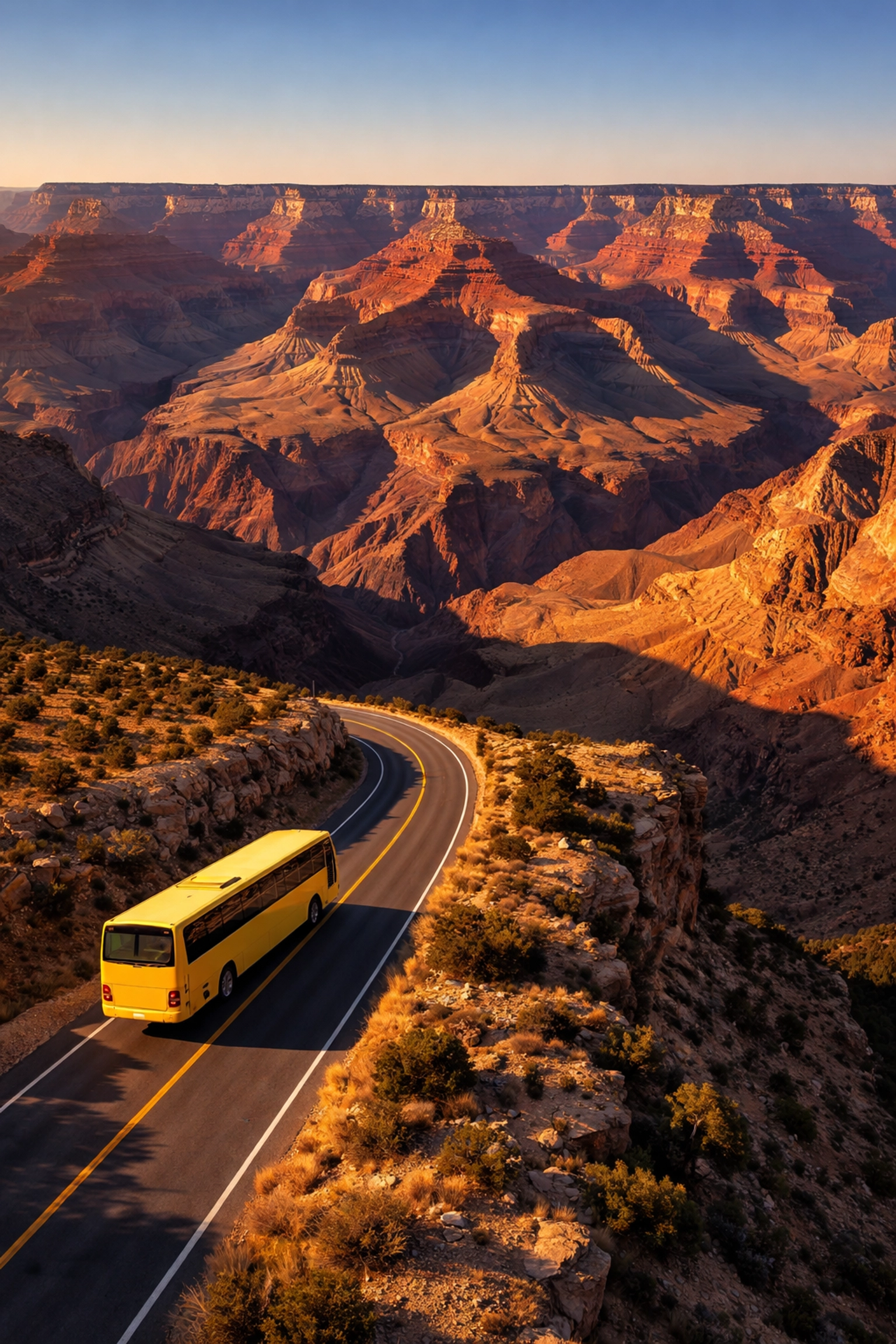
One of the most immediate benefits of partnering with student group travel organizers is the elimination of transportation headaches. Professional organizers manage all aspects of travel arrangements, including:
Charter bus coordination with vetted, safety-certified carriers
Airport logistics for groups traveling from distant locations
Route planning that accounts for rest stops, meal breaks, and arrival timing
On-site transportation between lodging, park entrances, and activity locations
This comprehensive approach ensures students arrive rested, on schedule, and ready to engage with the educational programming ahead. Educators no longer need to research carriers, negotiate contracts, or worry about driver qualifications: every detail is handled by professionals with established vendor relationships.
Furthermore, experienced organizers anticipate common travel disruptions and maintain contingency plans. Flight delays, vehicle issues, or weather-related changes are addressed proactively, minimizing stress for educators and ensuring student safety remains the top priority throughout the journey.
Expert Guides and Structured Educational Programming
The Grand Canyon offers unparalleled opportunities for hands-on learning in geology, ecology, indigenous history, and environmental science. However, unlocking these educational possibilities requires more than simply arriving at the South Rim.
Student group travel organizers provide trained Tour Directors and expert guides who transform park visits into structured learning experiences. These professionals bring:
Deep content knowledge in earth science, conservation, and regional history
Curriculum-aligned programming that connects field experiences to classroom standards
Engaging presentation skills that capture student attention and inspire curiosity
Safety expertise specific to wilderness and high-altitude environments
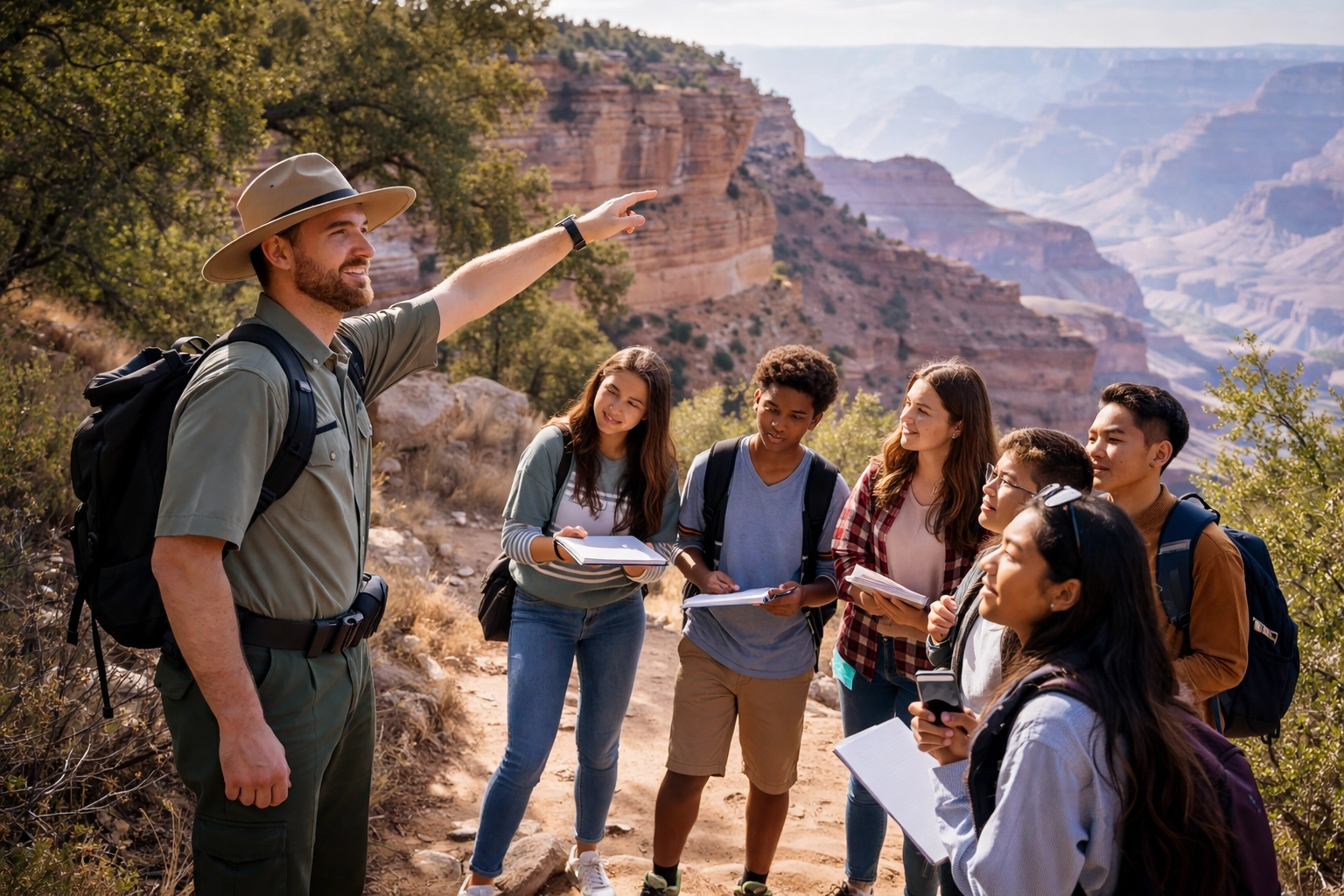
Programs designed by educational travel specialists often include multi-day itineraries combining iconic landmarks with lesser-known sites that offer richer learning opportunities. For example, expeditions may integrate visits to Sunset Crater, Sedona's red rock formations, and the Colorado River corridor: each location reinforcing key scientific concepts while providing diverse experiential learning contexts.
The National Park Service offers ranger-led field trips aligned with Arizona Science Standards for grades 3–8, and professional organizers coordinate these experiences seamlessly within broader expedition schedules. This ensures students benefit from both expert private guides and official park programming.
For educators seeking to maximize engagement, consider exploring resources like our guide on 10 Grand Canyon Adventures That Make Earth Science Unforgettable, which highlights activities proven to transform passive observation into active scientific inquiry.
Safety Protocols That Provide Peace of Mind
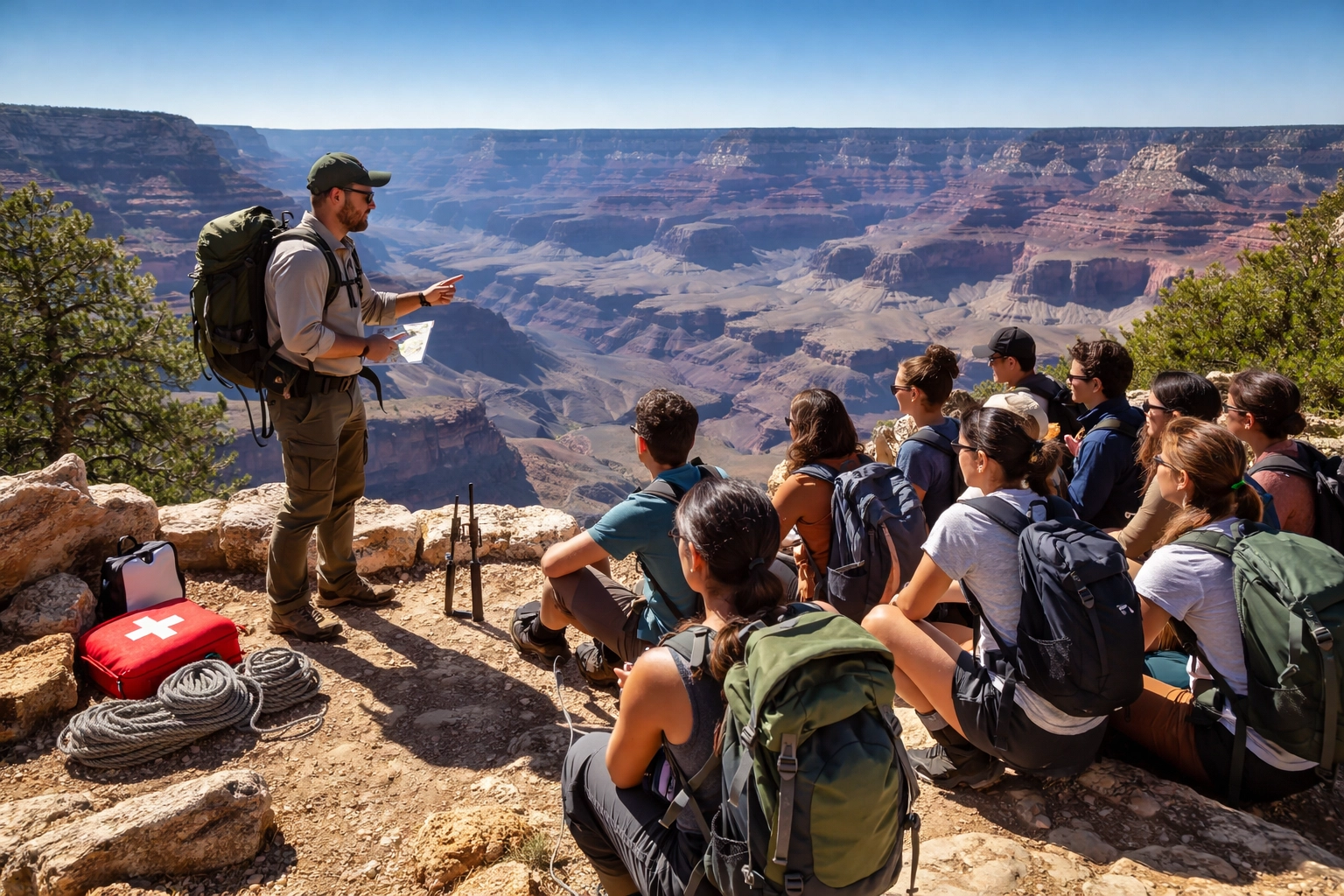
Ensuring the safety of students during wilderness expeditions is of paramount importance. The Grand Canyon presents unique hazards, including extreme temperatures, elevation changes, steep terrain, and remote locations with limited cellular service.
Professional student group travel organizers implement comprehensive safety frameworks that address these challenges:
Pre-Trip Preparation
Detailed health and medical information collection for all participants
Clear communication of physical requirements and appropriate gear
Emergency contact databases accessible to all trip leaders
Thorough briefings for chaperones on supervision responsibilities
On-Site Safety Measures
Established check-in protocols and headcount procedures
First aid-certified guides with wilderness emergency training
Pre-identified emergency evacuation routes and medical facilities
Communication equipment (satellite phones, radios) for remote locations
Weather monitoring and activity modification procedures
Risk Management Documentation
Comprehensive liability waivers and insurance coverage
Incident reporting systems and post-trip review processes
Compliance with park service regulations and group permit requirements
By entrusting these critical responsibilities to experienced organizers, educators can focus on supporting student learning rather than constantly monitoring for hazards. This shift in attention dramatically improves the educational quality of the expedition while maintaining the highest safety standards.
Group Accommodations and Cost-Effective Solutions
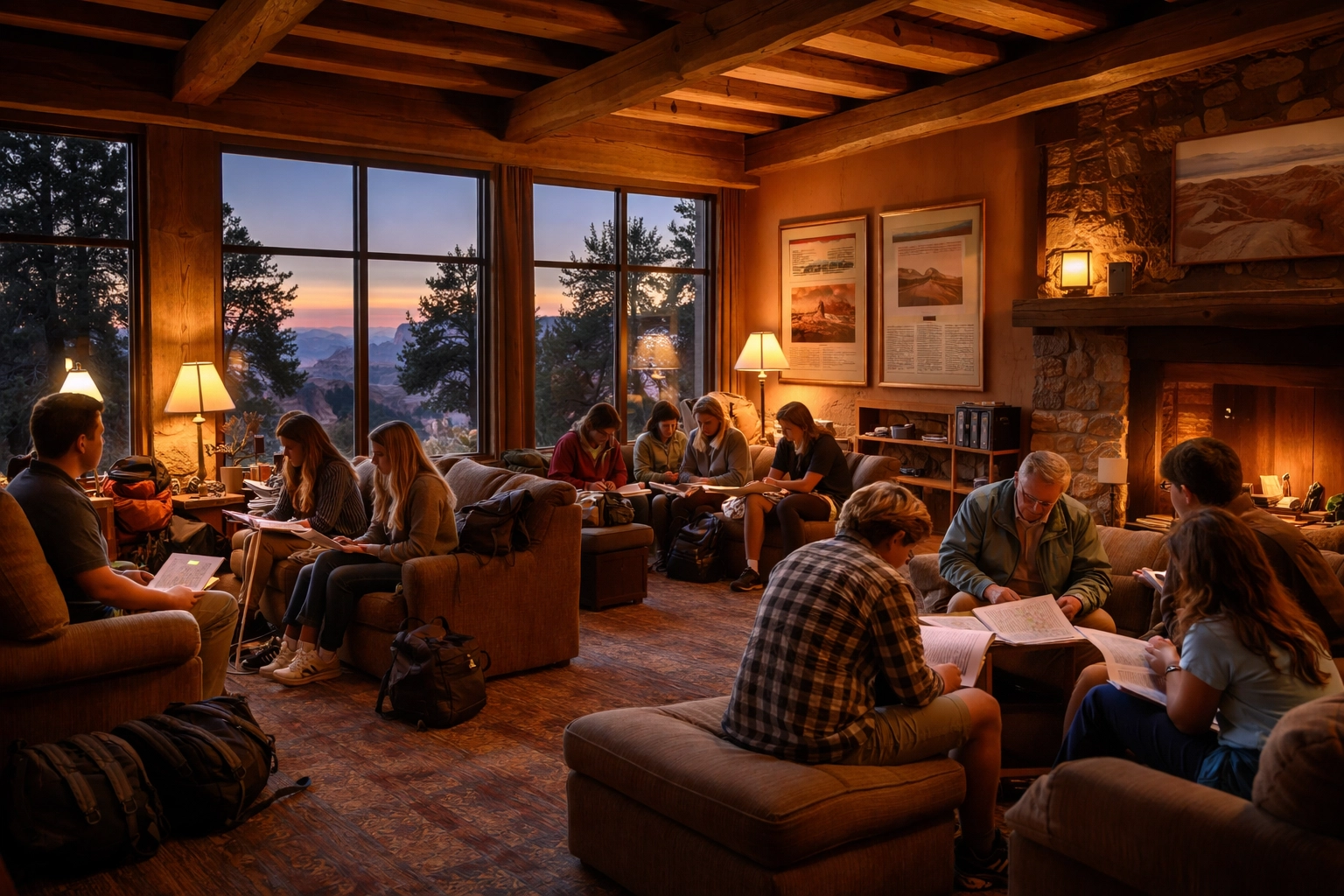
Securing appropriate lodging for student groups presents its own set of challenges. Standard hotels may lack the capacity, security features, or group-friendly policies necessary for educational travel. Student group travel organizers maintain relationships with facilities specifically designed to accommodate school groups, offering:
Dedicated group wings or buildings that simplify supervision
Meal service options that accommodate dietary restrictions efficiently
Meeting spaces for evening educational sessions or group debriefs
Proximity to park entrances that maximizes activity time
Additionally, professional organizers leverage their booking volume to secure favorable pricing unavailable to individual schools. Many offer structured packages that include accommodations, meals, activities, and transportation at consolidated rates: eliminating the need to negotiate with multiple vendors.
Some organizations provide incentive programs, such as complimentary spots for trip leaders when group minimums are reached. These cost savings can make the difference between a trip that fits within budget constraints and one that remains financially out of reach.
How Appleseed Expeditions Streamlines Your Grand Canyon Experience
At Appleseed Expeditions, we specialize in creating educational travel experiences that remove logistical burdens while maximizing learning outcomes. Our Grand Canyon programming exemplifies this approach through:
Turnkey Expedition Management From initial inquiry through post-trip follow-up, our team handles every detail. Transportation, accommodations, permits, meals, and activities are coordinated seamlessly, allowing educators to focus entirely on their students.
Curriculum-Integrated Itineraries Our expeditions are designed by educators for educators. Each activity connects directly to learning standards in earth science, environmental studies, and indigenous history. Students don't just visit the Grand Canyon: they investigate it as field scientists.
Experienced, Safety-Certified Guides Every Appleseed expedition is led by guides with extensive wilderness training and educational backgrounds. They bring content expertise, emergency preparedness, and the ability to engage students of all learning styles.
Customization for Your Group's Needs We recognize that no two student groups are identical. Our team works directly with educators to modify itineraries, adjust activity intensity, and incorporate specific curricular goals.
For educators seeking to avoid common planning pitfalls, our article on 3 Common Grand Canyon Field Trip Mistakes provides valuable insights into maximizing your expedition's success.
Taking the Next Step Toward a Simplified Expedition
The decision to partner with professional student group travel organizers represents an investment in both educational quality and peace of mind. By delegating logistics, safety management, and programming design to specialists, educators reclaim the bandwidth necessary to truly engage with their students during these transformative experiences.
The Grand Canyon stands as one of Earth's most powerful classrooms. Ensure your students experience its full educational potential by working with organizers who understand both the opportunities and responsibilities inherent in wilderness education.
Begin by researching organizers with specific Grand Canyon expertise, reviewing their safety protocols, and requesting references from similar school groups. Prioritize partners who demonstrate curriculum alignment, transparent pricing, and responsive communication.
For additional guidance on planning your Grand Canyon expedition, explore The Ultimate Guide to Educational Trips to Grand Canyon, which provides comprehensive preparation strategies for educators at every experience level.

Comments