


Q&A: What to Pack for a Yellowstone Educational Expedition?
- Caleb Mullenix
- 52 minutes ago
- 5 min read

Preparing for educational middle school science trips requires a meticulous approach to packing. Unlike a standard leisure vacation, a science-based expedition to Yellowstone National Park demands specific tools for data collection, specialized clothing for high-altitude environments, and a rigorous commitment to safety protocols. Yellowstone’s environment is as volatile as its geysers; weather patterns can shift from sun to snow within a single afternoon, and the terrain requires durable, professional-grade gear.
This guide provides a structured Q&A to ensure your students and chaperones are equipped for a successful, safe, and academically enriching experience.
Why is specialized packing necessary for Yellowstone geology trips for students?
The primary objective of an educational expedition is to transform the park into a living classroom. To facilitate this, students must be comfortable enough to focus on instruction rather than physical discomfort. Yellowstone’s average elevation is approximately 8,000 feet above sea level. This altitude results in thinner air, increased UV exposure, and rapid temperature fluctuations.
Furthermore, Yellowstone geology trips for students involve significant time spent on boardwalks and rugged trails near thermal features. Packing the correct gear ensures that students can safely observe hydrothermal activity and geological formations without risking injury or damaging the park’s fragile ecosystems.
What is the "Three-Layer System" and why is it mandatory?
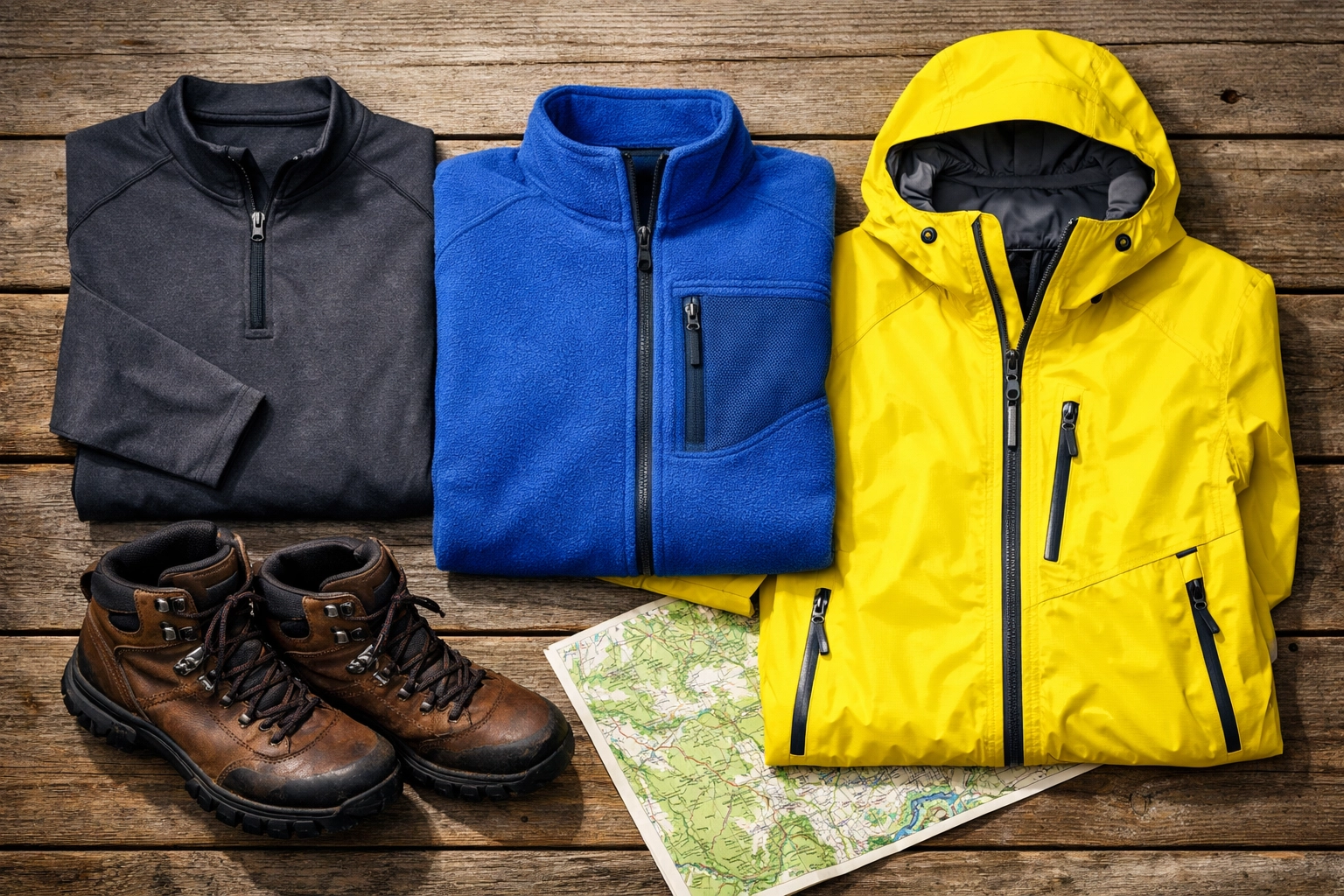
In high-altitude environments, cotton is a liability. It absorbs moisture, dries slowly, and can lead to hypothermia even in relatively mild temperatures. We require all participants to adhere to a synthetic or wool-based layering system:
The Base Layer: Moisture-wicking fabric (polyester or merino wool) that sits against the skin to move sweat away from the body.
The Insulating Layer: A fleece jacket or synthetic "puffy" coat that traps body heat. This is essential for early morning wildlife spotting when temperatures often dip below freezing.
The Outer Shell: A high-quality, waterproof, and windproof rain jacket. This layer protects against the sudden afternoon thunderstorms common in the Rocky Mountains.
What specific equipment is needed for geology and earth science observations?
To maximize the academic value of the trip, students should be equipped with the following field tools:
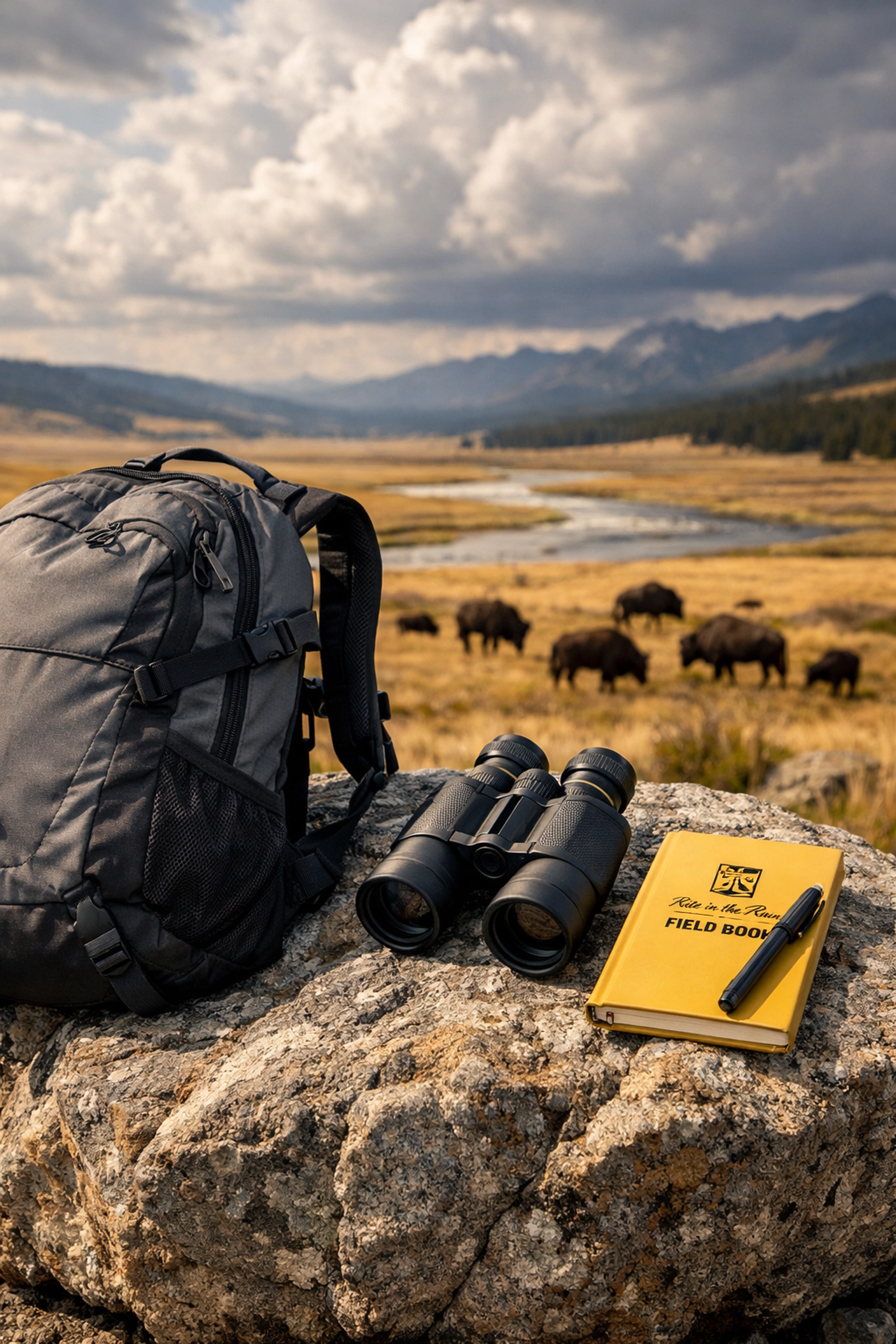
Field Notebook and Waterproof Pens: A "Rite in the Rain" style notebook is highly recommended. Students will use these to record observations of pH levels, water temperatures (as reported by rangers), and mineral compositions of various basins.
Hand Lens (10x Magnification): Essential for inspecting rhyolite, basalt, and various crystals found in the park’s volcanic soil.
Topographic Maps: Providing students with physical maps encourages spatial awareness and helps them understand the caldera’s massive scale.
Digital Camera or Smartphone: Used strictly for documenting geological features such as cross-bedding or obsidian flows for post-trip presentations.
How should students pack for optimal wildlife observation?
Yellowstone is one of the premier locations in the world for megafauna observation, including grizzly bears, wolves, and bison. To ensure students can participate in high school science field trips with a focus on biology and ecology, the following are required:
Binoculars: We recommend a minimum of 8x42 magnification. Every student should have access to optics to observe animal behavior from a safe distance (at least 100 yards for bears/wolves and 25 yards for other wildlife).
Field Guides: Durable, pocket-sized guides for Rocky Mountain mammals and birds are invaluable for real-time identification.
Spotting Scopes (Group Gear): While individual students don't need these, ensure the group has access to high-powered scopes for viewing wolf dens or distant grizzly foraging.
What are the footwear requirements for safety and durability?
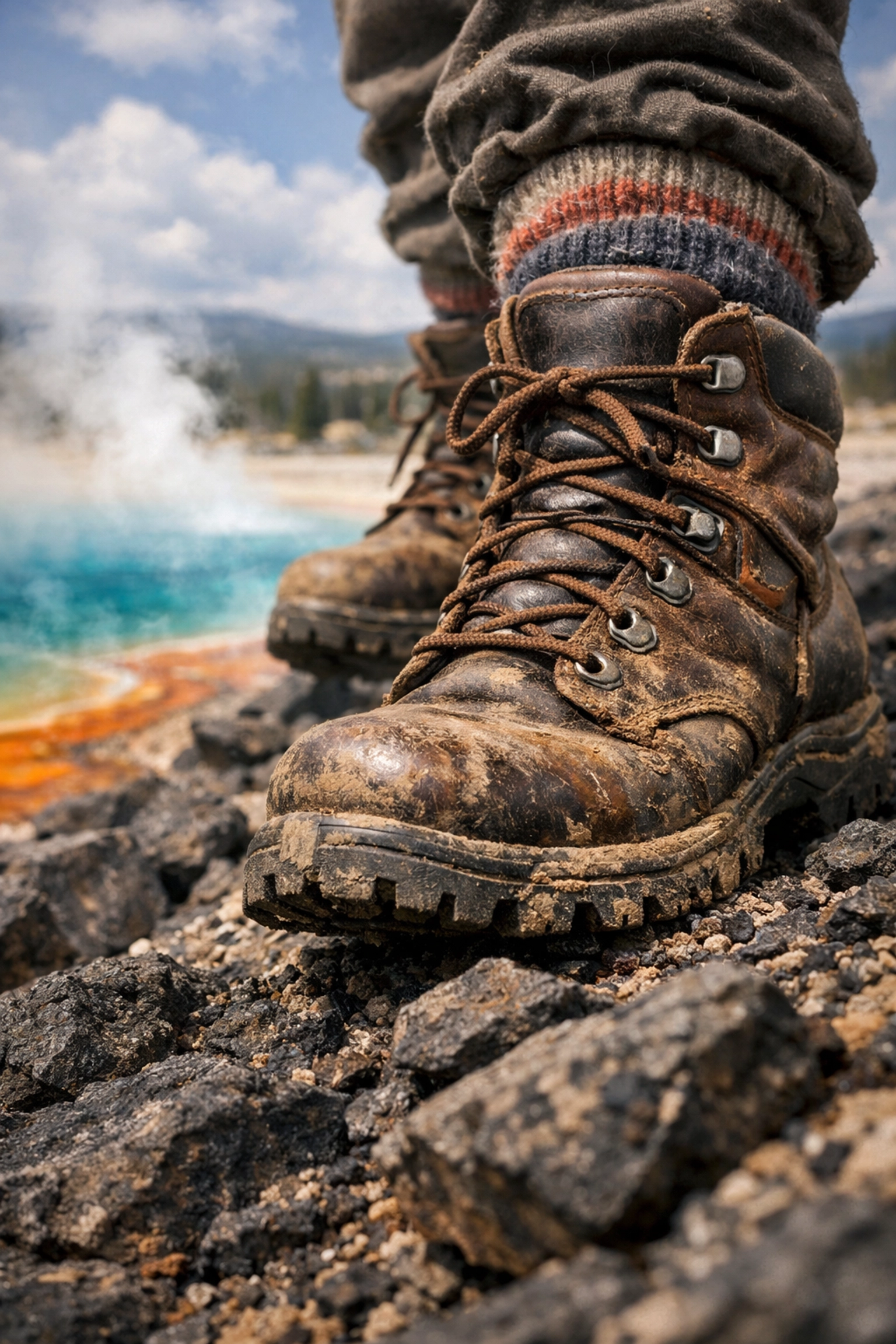
Footwear is the most common point of failure on student expeditions. To prevent blisters and twisted ankles, prioritize the following:
Broken-In Hiking Boots: Boots must provide ankle support and have a deep lugged sole for traction on scree and wet boardwalks. New boots must be worn for at least 20 miles prior to the trip to ensure they are properly broken in.
Moisture-Wicking Socks: Wool-blend socks (such as Smartwool or Darn Tough) are mandatory. Pack one pair for each day, plus two spare pairs.
Camp Shoes: Lightweight sneakers or sandals should be packed for use at the lodge or campsite to allow hiking boots to dry out overnight.
What safety and "Bear Aware" items are necessary?
Safety is of paramount importance when traversing "Bear Country." Educators must ensure the group is prepared for wildlife encounters:
Bear Spray: Every adult leader and chaperone must carry bear spray in an easily accessible holster (not inside the pack). Students should be trained on its use, though primary responsibility lies with the adults.
Sun Protection: Due to the high altitude, UV rays are intense. Zinc-based sunscreen, SPF lip balm, and polarized sunglasses are non-negotiable.
Hydration Systems: A 2-liter minimum capacity is required. We recommend a hydration bladder (like a CamelBak) for ease of use during hikes, supplemented by a hard-sided Nalgene bottle for use during meals.
What should be included in a student’s daily field pack?
A 20-30 liter daypack is sufficient for most daily excursions. It should be packed every morning with the following "Essentials Checklist":
Rain jacket and insulating layer.
Full hydration system (2L minimum).
High-energy trail snacks (protein bars, dried fruit, jerky).
Personal first aid kit (moleskin for blisters, adhesive bandages, personal medications).
Field notebook and binoculars.
Small whistle for emergency signaling.
How does Appleseed Expeditions facilitate these trips?
Organizing affordable school national park trips involves complex logistics, from securing permits to coordinating curriculum-aligned field studies. Appleseed Expeditions specializes in managing these details, allowing educators to focus on teaching. We provide expert guides who are well-versed in Yellowstone’s geology and ecology, ensuring that every student remains safe while gaining a profound understanding of the natural world. Our itineraries are designed to maximize learning opportunities while adhering to the highest safety standards in the industry.
Final Summary Checklist for Educators
Before departing, conduct a mandatory gear check to ensure no student is lacking essential items. Use the following categorized list as your final verification tool:
Clothing:
Waterproof rain jacket (Seam-sealed)
Mid-weight fleece or synthetic down jacket
Moisture-wicking base layers (No cotton)
Convertible hiking pants
Warm hat and gloves (even in summer)
4-5 pairs of wool hiking socks
Field Gear:
8x42 Binoculars
Waterproof field notebook
Hand lens
Daypack with rain cover
Health & Safety:
2L Water capacity
High-SPF sunscreen and lip balm
Polarized sunglasses
Personal whistle
Any required personal medications
Ensuring that every participant is correctly equipped is the first step toward a transformative educational experience. By following these rigorous packing standards, you protect your students from the elements and empower them to engage deeply with the geological wonders of Yellowstone.
For more information on planning your next departure, visit our blog or explore our other science-based programs like our Peru STEM adventures and Costa Rica earth science expeditions.
Preparing your students for the rigors of the field involves careful planning, but the reward is a lifetime of scientific curiosity and respect for our national treasures. Consistent preparation, vigilance, and the right equipment are the hallmarks of a successful Appleseed Expedition.
Comments