


San Diego Marine Science Expeditions: A Hub for High School Marine Biology Programs

Establishing a comprehensive marine biology curriculum for high school students requires access to diverse marine ecosystems, reputable research institutions, and hands-on learning environments. San Diego stands as one of the premier destinations in North America for high school marine biology programs, offering unparalleled access to Pacific Ocean ecosystems, world-class marine research facilities, and varied coastal habitats that enable students to transition from classroom theory to field-based scientific investigation.
The convergence of temperate Pacific waters, accessible kelp forests, abundant tide pool ecosystems, and established marine science organizations makes San Diego an exceptional educational destination. Teachers planning marine science expeditions must carefully consider the unique learning opportunities this coastal region provides and how to structure experiences that maximize both safety and educational outcomes.
Why San Diego Serves as an Ideal Location for High School Marine Biology Programs
San Diego's geographic position along the California coast creates optimal conditions for marine science education. The region benefits from the California Current, which brings cold, nutrient-rich waters from the north, supporting diverse marine life and creating ecosystems rarely found elsewhere along the Pacific coastline.
Consider the following advantages when planning high school marine biology programs in San Diego:
Access to Multiple Marine Ecosystems
Kelp forest environments within close proximity to shore
Rocky intertidal zones with extensive tide pool formations
Sandy beach ecosystems demonstrating coastal dynamics
Protected bay habitats showcasing estuarine ecology
Open ocean access for pelagic species observation
Proximity to Research and Educational Institutions
Scripps Institution of Oceanography, one of the world's oldest and most prestigious oceanographic research centers
Birch Aquarium at Scripps, providing interpretive displays and educational programming
University of California San Diego facilities offering specialized marine science resources
Multiple marine mammal rescue and rehabilitation centers
Conservation organizations focused on ocean protection
Year-Round Accessibility
Mild climate enabling field work throughout the academic year
Predictable weather patterns facilitating trip planning
Extended daylight hours during spring and early summer months
Consistent ocean conditions suitable for student safety
Exploring San Diego's Kelp Forest Ecosystems
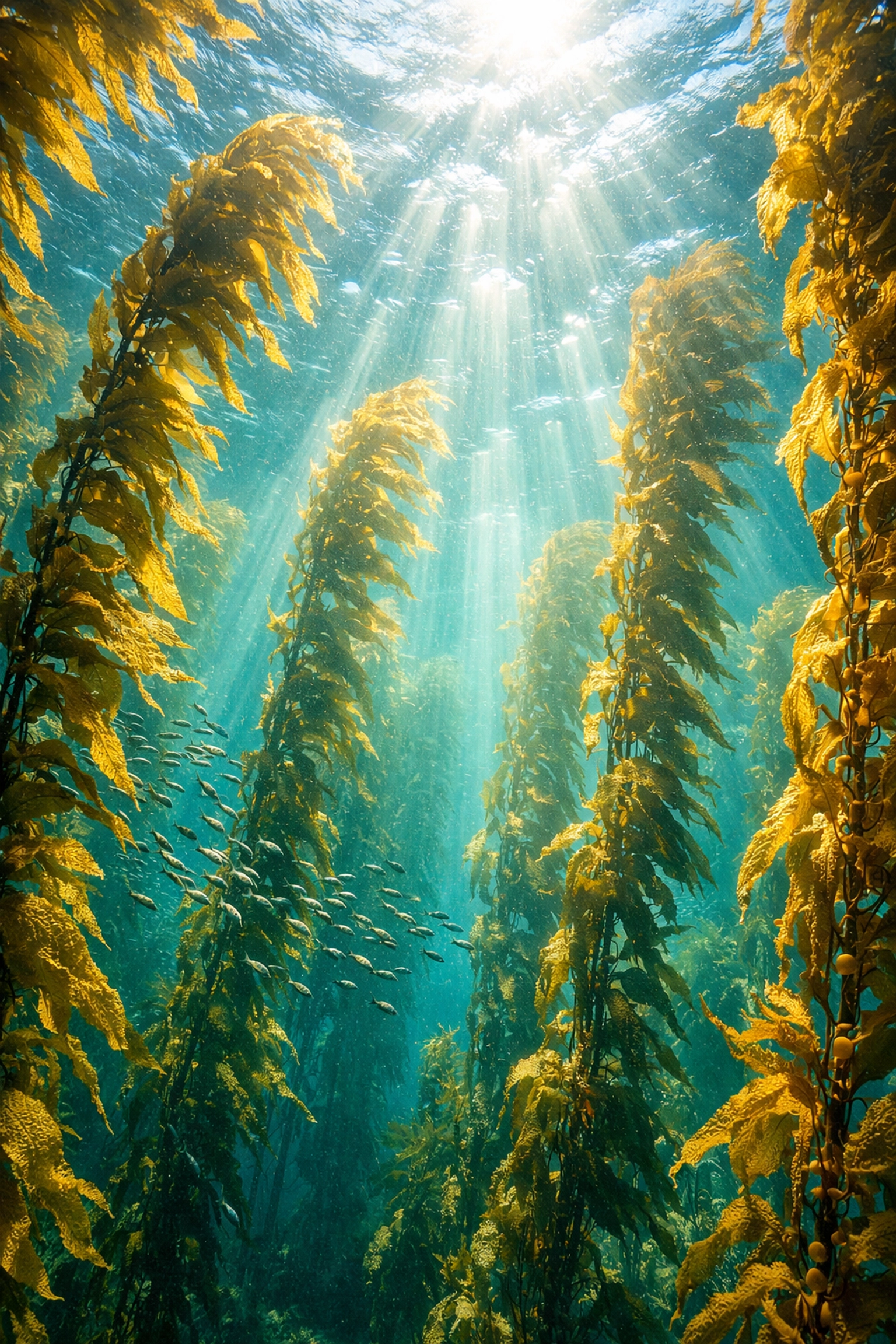
The giant kelp forests found along San Diego's coastline represent one of the most productive and biodiverse ecosystems on the planet. High school marine biology programs that incorporate kelp forest study provide students with direct observation of complex ecological relationships, trophic structures, and conservation challenges.
Plan kelp forest educational experiences with the following instructional objectives:
Understanding Kelp Biology and Ecology
Begin by establishing foundational knowledge about kelp as a macroalgae rather than a true plant. Ensure students understand the rapid growth rates of giant kelp (Macrocystis pyrifera), which can exceed two feet per day under optimal conditions. Emphasize the role of holdfasts, stipes, and blades in kelp anatomy, and how these structures create vertical habitat complexity from the seafloor to the surface.
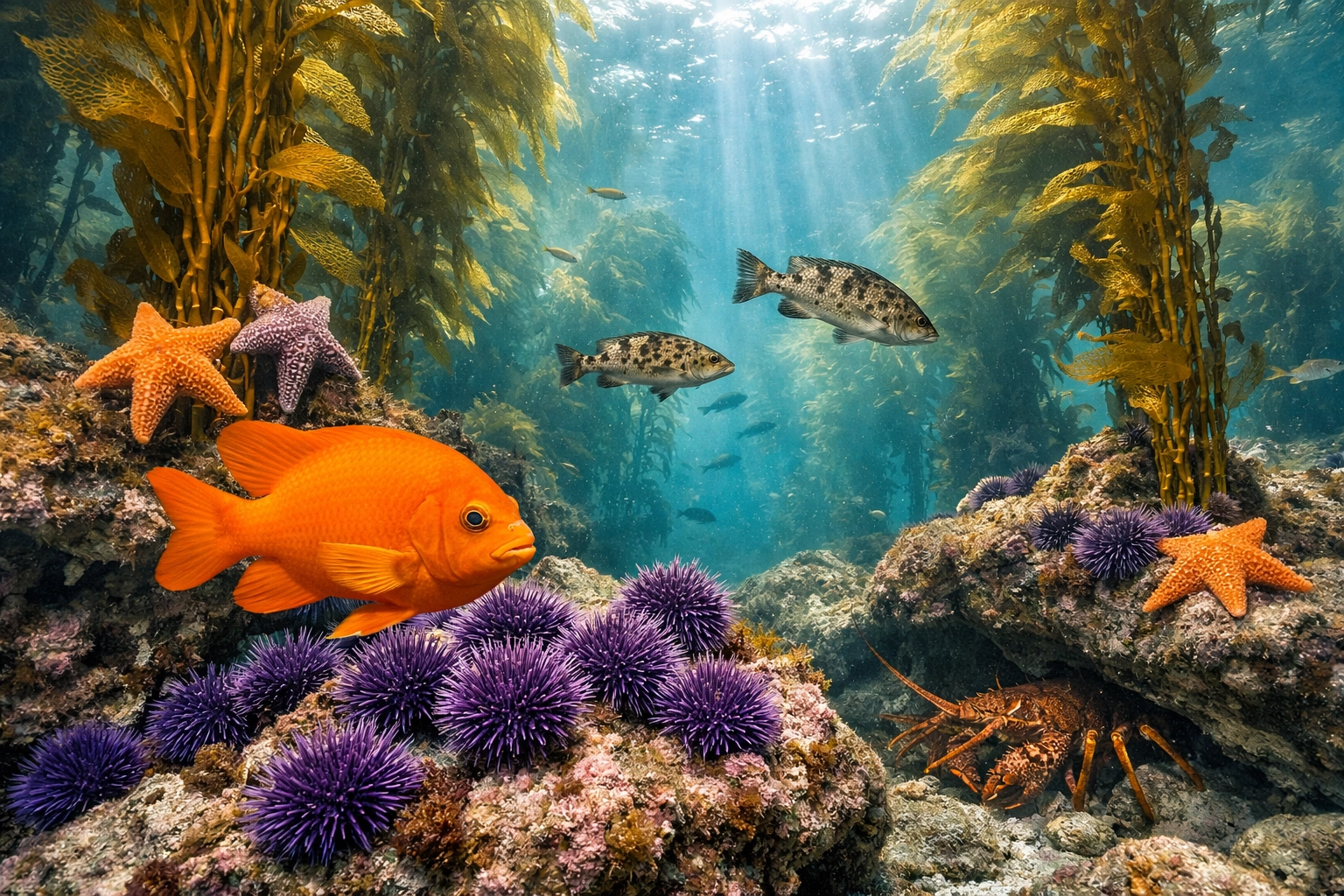
Discuss the concept of the kelp forest as a three-dimensional habitat, supporting species at various depth levels. Introduce key species relationships, including sea urchins as kelp consumers, sea otters as urchin predators, and the trophic cascade that results when apex predators are removed from the ecosystem.
Field Observation Protocols
Organize supervised snorkeling or boat-based observation sessions in designated kelp forest areas. Prioritize safety by ensuring all students demonstrate swimming proficiency, understand ocean safety protocols, and wear appropriate thermal protection. Maintain strict student-to-chaperone ratios and establish clear communication procedures before entering the water.
Direct students to observe and document specific species, including:
Garibaldi (California's state marine fish)
California spiny lobsters
Various rockfish species
Harbor seals
Kelp bass and other resident fish populations
Invertebrates including sea stars, sea cucumbers, and anemones
Provide underwater slates or waterproof field journals for students to record observations, sketch species, and note behavioral patterns.
Conservation Context
Incorporate discussions of kelp forest conservation challenges, including warming ocean temperatures, sea urchin population explosions, and the historical loss of sea otter populations along California's coast. Encourage students to consider the kelp forest as a carbon sequestration resource and discuss its role in climate change mitigation.
Investigating Rocky Intertidal and Tide Pool Ecosystems
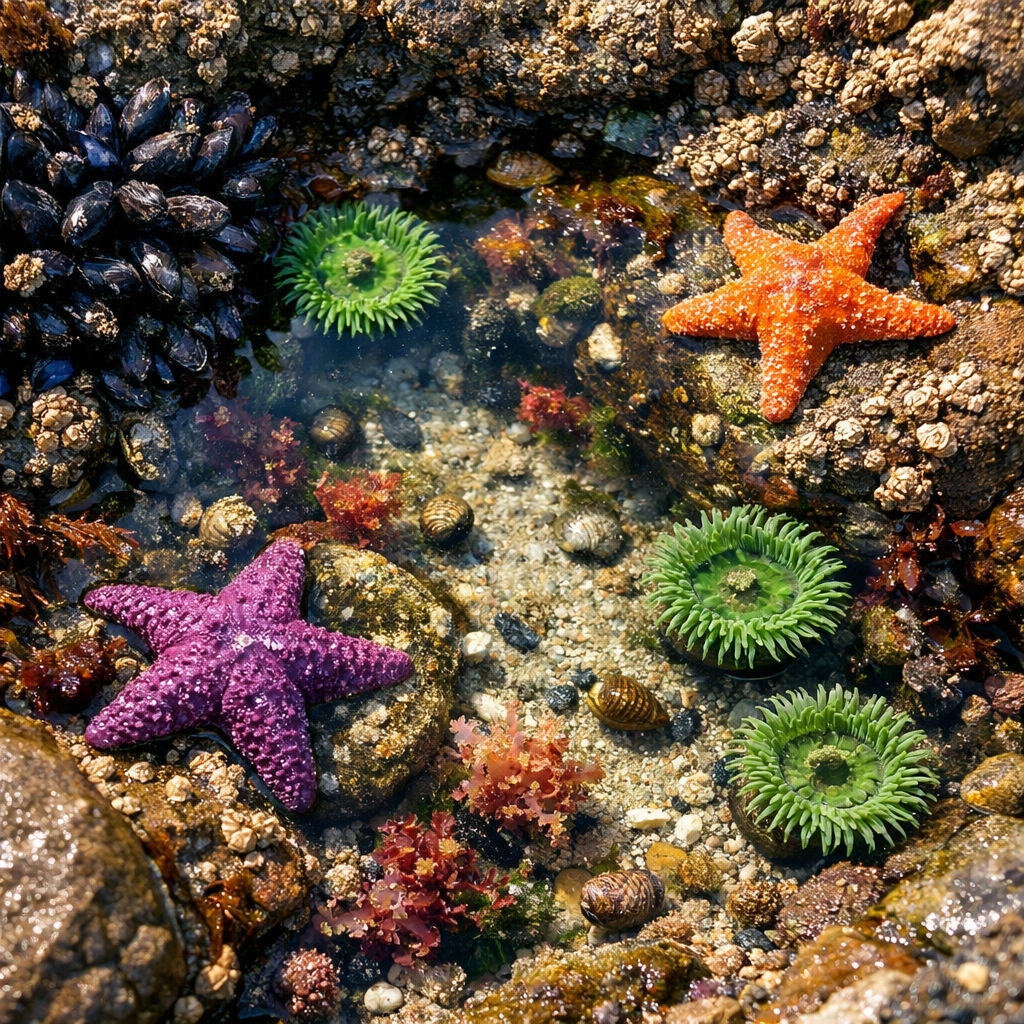
San Diego's extensive rocky shoreline creates numerous tide pool environments that serve as natural laboratories for marine biology education. Tide pools provide accessible, safe, and incredibly biodiverse study sites that enable close observation of marine organisms and ecological processes.
Structure tide pool investigations using the following approach:
Pre-Visit Preparation
Ensure students understand tide cycles and timing before the field visit. Consult tide tables to identify optimal low tide periods, typically occurring during early morning or late afternoon hours. Plan arrival times to coincide with the lowest tides, when maximum intertidal area is exposed.
Review ethical observation guidelines with all participants:
Observe organisms without removing them from tide pools
Carefully replace rocks in their original position if lifted
Avoid stepping directly on organisms or sensitive habitats
Minimize time tide pool organisms are exposed to air during observation
Use minimal sunscreen and insect repellent to prevent chemical contamination
Zonation Studies
Direct students to identify and document the vertical zonation patterns characteristic of rocky intertidal environments. Begin observations at the splash zone and progress through high, middle, and low intertidal zones, noting species distribution patterns and adaptations to varying periods of air exposure.
Encourage students to record:
Which species dominate each zone
Evidence of competition for space
Feeding behaviors and trophic relationships
Adaptations to wave action, desiccation, and temperature fluctuation
Predator-prey interactions
Identifying Key Species
Provide field guides or identification keys to help students recognize common San Diego tide pool organisms:
Sea anemones (multiple species demonstrating different strategies)
Ochre sea stars and their role as keystone predators
California mussels and their importance as space competitors
Various hermit crab species
Sea urchins (purple and red species)
Limpets, chitons, and other gastropods
Octopuses occasionally found in deeper pools during extreme low tides
Practical Planning Considerations for Teachers
Organizing successful high school marine biology programs in San Diego requires thorough preparation and attention to logistical details. Consider the following planning steps:
Timeline and Permissions
Begin planning at least six months in advance to secure necessary approvals, permits, and bookings. Coordinate with school administration to obtain permission for off-campus educational travel. Communicate trip objectives, safety protocols, and educational outcomes to parents and guardians well in advance.
Verify whether your planned activities require special permits. While tide pool observation typically does not require permits, some research activities or access to certain protected areas may need advance authorization.
Program Providers and Partnerships
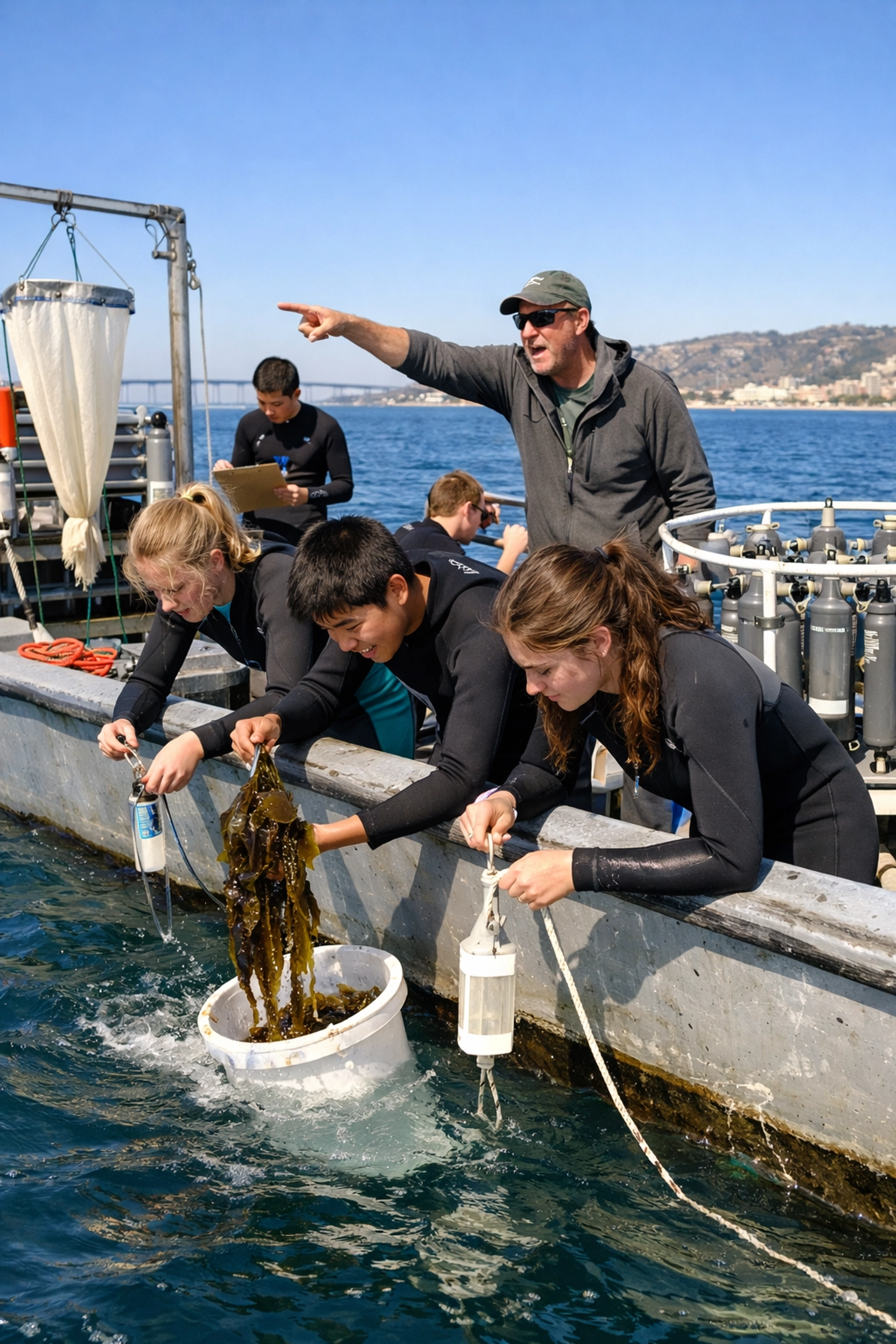
Investigate established marine science education providers operating in San Diego. Organizations such as SEACAMP San Diego offer structured programs including floating classroom experiences, where students conduct kelp sampling and oceanographic measurements aboard research vessels. These programs typically provide scientific equipment, expert instructors, and established safety protocols.
Consider partnering with educational programs affiliated with Scripps Institution of Oceanography or Birch Aquarium, which offer specialized workshops and behind-the-scenes access to research facilities.
Safety Protocols and Risk Management
Prioritize student safety by implementing comprehensive protocols:
Require medical information forms and emergency contact information for all participants
Verify swimming abilities before any water-based activities
Provide or require appropriate safety equipment (wetsuits, flotation devices, reef-safe sun protection)
Establish buddy systems for all ocean activities
Designate specific boundaries for tide pool exploration
Maintain visual contact with all students during field activities
Prepare for marine hazards including jellyfish, stingrays, and rip currents
Create emergency response plans including nearest medical facilities and evacuation procedures
Equipment and Supplies
Prepare a comprehensive equipment list including:
Field guides and identification resources
Waterproof field notebooks or slates
Hand lenses and magnifying instruments
Thermometers for temperature measurements
Collection containers for temporary observation (to be released immediately)
Digital cameras or tablets for documentation
First aid supplies specific to marine environments
Sun protection and hydration supplies
Maximizing Educational Outcomes
Structure your San Diego marine science expedition to achieve specific learning objectives aligned with academic standards. High school marine biology programs should integrate hands-on observation with conceptual understanding and scientific inquiry skills.
Curriculum Integration
Connect field experiences to classroom curriculum by covering relevant topics before departure:
Marine biodiversity and classification
Ecological relationships and food webs
Adaptation and natural selection in marine environments
Oceanography fundamentals including currents, waves, and tides
Conservation biology and human impacts on marine ecosystems
Scientific method and field research techniques
Inquiry-Based Learning Activities
Design activities that require students to formulate questions, collect data, and draw conclusions. Rather than simply identifying organisms, challenge students to:
Develop hypotheses about species distribution patterns
Collect quantitative data on organism abundance across zones
Compare diversity indices between different sites
Investigate the relationship between physical factors and species presence
Analyze feeding relationships through behavioral observation
Reflection and Assessment
Incorporate opportunities for students to process and communicate their learning. Require field journals documenting observations, questions, and insights. Upon return, assign projects that demonstrate understanding, such as species identification presentations, ecosystem models, or research papers on specific marine biology topics encountered during the expedition.
Connecting Students to Marine Conservation
High school marine biology programs in San Diego provide natural opportunities to discuss conservation challenges and inspire environmental stewardship. Address topics including ocean acidification, plastic pollution, overfishing, and climate change impacts on marine ecosystems using San Diego's marine environments as case studies.
Encourage students to consider how their observations connect to larger environmental issues. Discuss the role of Marine Protected Areas along California's coast, including those in San Diego waters, and how scientific research informs conservation policy.
Consider incorporating service learning components, such as beach cleanups or participation in citizen science monitoring projects, to provide students with active roles in conservation efforts.
Preparing for Your San Diego Marine Science Experience
San Diego offers exceptional resources for high school marine biology programs, combining accessible marine ecosystems with established educational infrastructure. By carefully planning your expedition, prioritizing safety, and structuring experiences around clear learning objectives, you create opportunities for students to develop scientific skills and environmental awareness that extend far beyond the classroom.
Appleseed Expeditions specializes in designing comprehensive educational travel experiences that connect students with marine environments. Whether you are planning your first marine science expedition or seeking to enhance an established program, our expertise in educational travel ensures your students experience San Diego's marine ecosystems safely and meaningfully. Contact us to begin planning an educational journey that transforms marine biology from an abstract subject into a vivid, hands-on scientific investigation.

Comments