


Sea Turtles in Key West vs. Costa Rica: Where Should Students Go for Real Science Learning?

When planning transformative marine science expeditions for students, educators face a critical decision: which destination provides the most authentic, hands-on sea turtle research experience? Both Key West and Costa Rica offer extraordinary opportunities to study these ancient mariners, yet each location presents distinct advantages for student learning and scientific engagement.
Understanding the unique educational opportunities at each destination ensures your students receive maximum scientific exposure while contributing meaningfully to conservation efforts. This comprehensive comparison examines research programs, species diversity, hands-on learning opportunities, and conservation impact to help educators make informed decisions about their next marine science expedition.
Key West: World-Class Research in America's Marine Laboratory
Established Research Infrastructure
Key West operates as a premier marine research hub, hosting several internationally recognized sea turtle conservation programs. The Florida Hawksbill Project, now in its 18th year, represents the only research and conservation program in Florida dedicated exclusively to the critically endangered hawksbill sea turtle. This program has tagged and sampled 273 individual hawksbills, conducting comprehensive surveys from Jupiter to Key West that examine movements, growth patterns, abundance, distribution, territoriality, feeding strategies, and habitat preferences.
Mote Marine Laboratory's Sea Turtle Conservation and Research Program (STCRP) has documented sea turtle activities along 35 miles of coastline since 1982, collecting fundamental biological data in an area hosting the highest density of loggerhead sea turtle nests in the Gulf of Mexico. Students participating in these programs engage with long-term datasets spanning decades, learning how sea turtle nesting populations adapt over time while identifying critical habitat requirements.
Educational Program Structure
The Key West Aquarium delivers structured Sea Turtle Conservation Tours at 10:15 am, 12:45 pm, and 3:15 pm daily, featuring ambassador sea turtles including Spike, Lola, Rocky, and Hector. These educational programs focus extensively on sea turtle threats and conservation methodologies, utilizing four non-releasable sea turtles that represent common threats including vessel strikes, marine debris entanglement, and direct harvest.

Partnership with The Turtle Hospital in Marathon expands educational opportunities, providing students with rehabilitation and medical care perspectives essential for comprehensive conservation understanding. Students observe veterinary procedures, learn about injury assessment, and participate in release preparation protocols.
Species Diversity and Research Opportunities
Florida hosts five of the seven sea turtle species alive today: loggerhead, green, hawksbill, Kemp's ridley, and leatherback turtles. Students conduct research within the Florida Keys National Marine Sanctuary, spanning 2,900 nautical miles of protected interconnected ecosystems. This biodiversity provides comparative study opportunities across multiple species with varying life cycle requirements, feeding strategies, and conservation challenges.
Costa Rica: Pristine Wilderness and Authentic Conservation Experience
Tortuguero: The Caribbean's Sea Turtle Capital
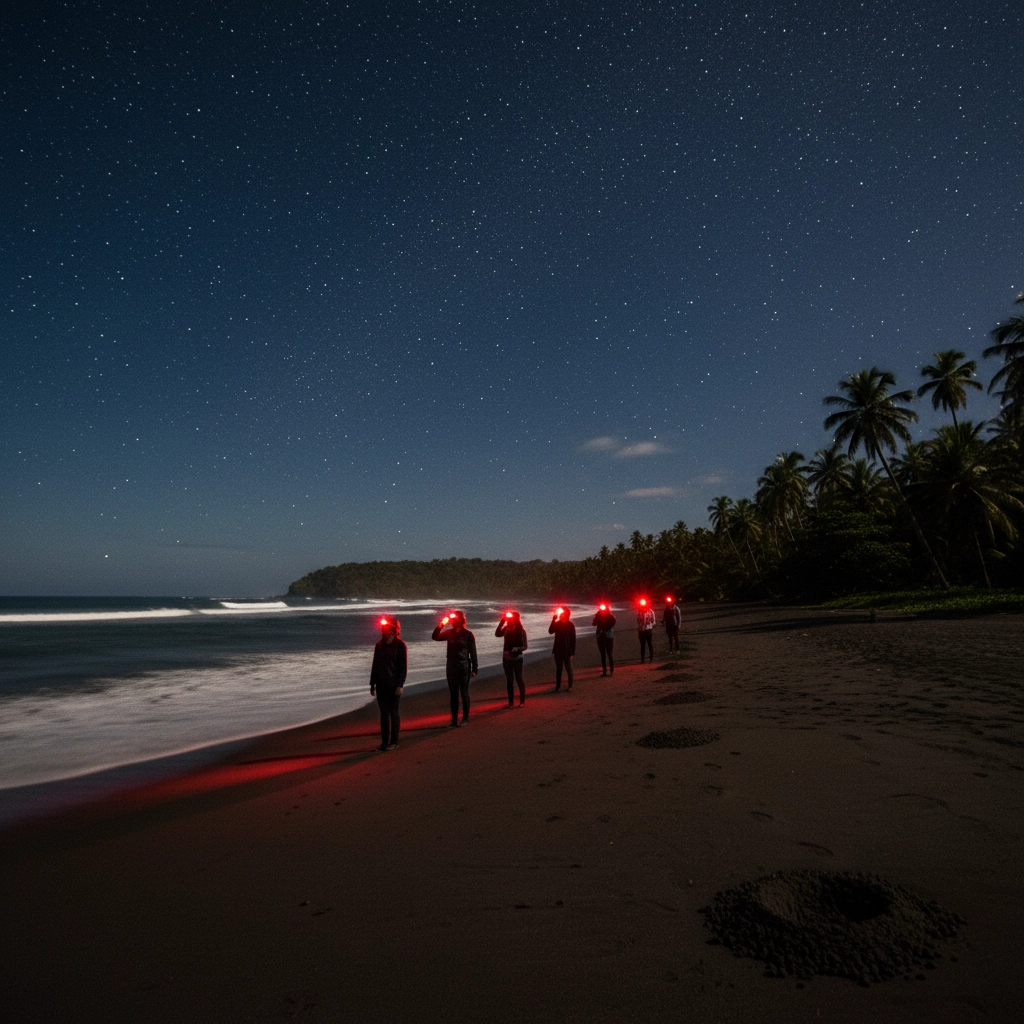
Costa Rica's Caribbean coast, particularly Tortuguero National Park, hosts the most significant green sea turtle nesting population in the Western Caribbean. Students experience authentic wilderness research conditions, participating in nightly beach patrols during nesting season from July through October. This immersive experience places students directly within active research protocols, measuring nesting females, collecting biological samples, and monitoring hatchling emergence success rates.
Research opportunities extend beyond basic observation, encompassing satellite tagging programs that track turtle movements across international waters. Students participate in data collection supporting regional conservation strategies coordinated between Costa Rica, Nicaragua, and Panama, learning about international wildlife management complexities.
Conservation Service Integration
Costa Rica's sea turtle programs emphasize community-based conservation, connecting students with local turtle protection initiatives. Students work alongside former turtle poachers who now serve as conservation guides, understanding socioeconomic factors influencing wildlife protection. This human dimension provides crucial context often missing from traditional marine science programs.
Beach restoration projects, anti-poaching patrol participation, and hatchery management offer students direct conservation impact opportunities. Unlike observation-focused programs, Costa Rican expeditions require students to contribute meaningfully to ongoing conservation efforts through data collection, habitat restoration, and community education initiatives.
Unique Research Environment
Tortuguero's remote location eliminates urban interference common in more accessible research sites. Students experience genuine field research conditions, including basic accommodations, limited connectivity, and weather-dependent schedules that mirror authentic scientific expedition realities. This environment builds resilience while demonstrating the commitment required for effective conservation work.
Night patrols occur in complete darkness using red-filtered flashlights to avoid disturbing nesting females. Students learn specialized observation techniques, data recording protocols under challenging conditions, and the patience required for wildlife research success.
Comparing Educational Outcomes and Student Impact
Research Methodology Exposure
Key West programs provide exposure to established scientific infrastructure, laboratory facilities, and standardized data collection protocols. Students learn about long-term research project management, data analysis techniques, and the importance of consistent methodology across decades of research.
Costa Rica expeditions emphasize field research skills, adaptation to challenging conditions, and community-based conservation approaches. Students develop problem-solving abilities, cultural sensitivity, and understanding of conservation within broader socioeconomic contexts.
Conservation Impact Understanding
Both destinations provide meaningful conservation education, yet with different emphases. Key West focuses on rehabilitation, threat mitigation, and urban coastal conservation challenges. Students learn about vessel strike prevention, marine debris reduction, and habitat protection within developed coastal areas.
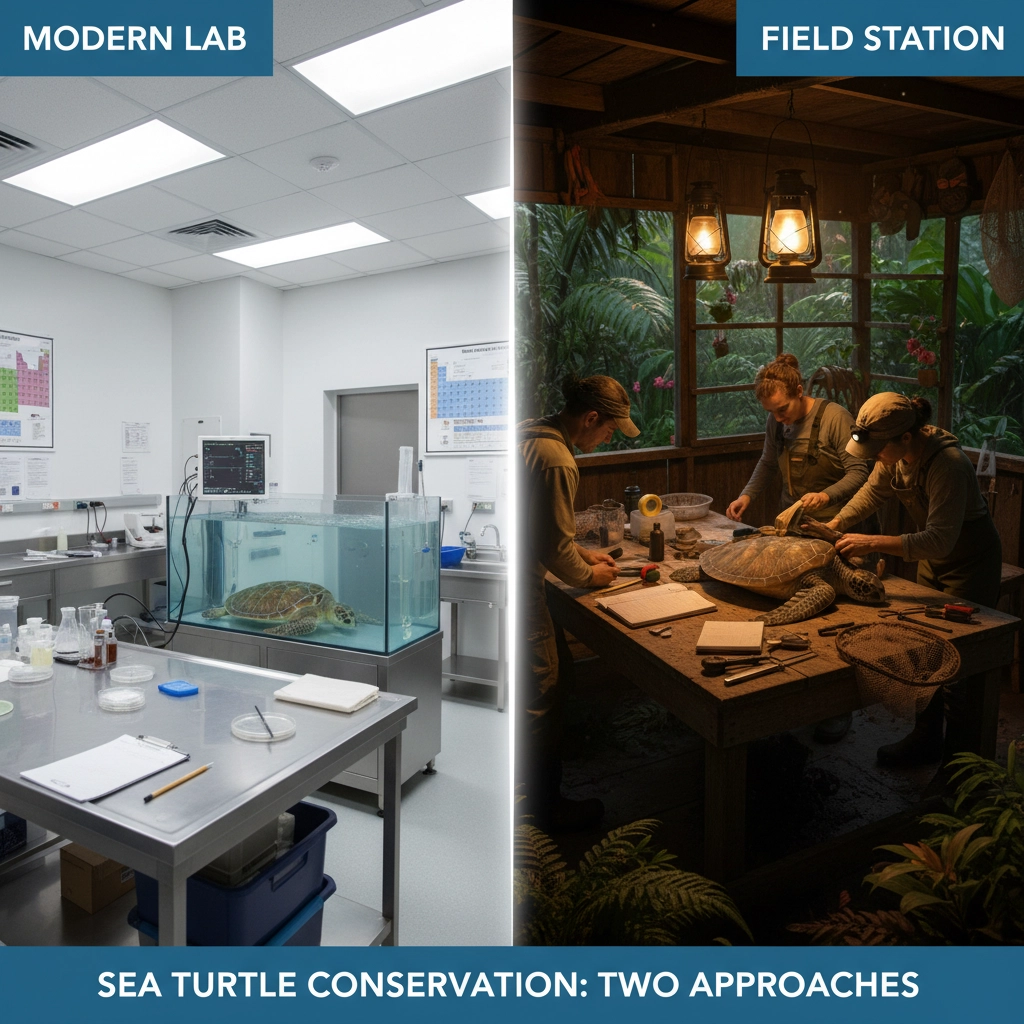
Costa Rica emphasizes pristine habitat protection, community engagement, and international conservation coordination. Students understand wilderness preservation challenges, anti-poaching efforts, and the complexity of managing transnational wildlife populations.
Scientific Skill Development
Key West programs excel in technological integration, utilizing satellite tracking, genetic sampling, and medical intervention techniques. Students gain exposure to advanced research equipment and laboratory procedures supporting modern conservation science.
Costa Rican programs develop fundamental field research skills, including behavioral observation, basic biometric data collection, and environmental impact assessment. Students learn to conduct meaningful research with minimal technological support, building adaptability and resourcefulness essential for conservation careers.
Practical Considerations for Educators
Accessibility and Safety
Key West offers superior accessibility, with established tourism infrastructure supporting student group logistics. Medical facilities, communication systems, and emergency response capabilities meet standard educational travel requirements. Transportation between research sites utilizes paved roads and established marine transport services.
Costa Rica's remote research locations require additional planning and risk management protocols. Limited medical facilities, challenging weather conditions, and basic accommodations demand thorough preparation and experienced leadership. However, these challenges contribute significantly to student character development and scientific resilience building.
Cost and Duration Considerations
Key West programs accommodate varying duration requirements, from single-day educational tours to week-long research intensive experiences. Proximity to major population centers reduces transportation costs while established infrastructure supports diverse accommodation options.
Costa Rican sea turtle research programs typically require minimum week-long commitments to maximize educational impact. Remote locations increase transportation costs, yet provide authentic immersion experiences impossible to replicate in more accessible destinations.
Making the Right Choice for Your Students
Selecting between Key West and Costa Rica depends primarily on educational objectives and student readiness levels. Key West excels for students requiring structured introduction to marine research, technological exposure, and comfortable living conditions. The destination provides excellent preparation for students planning marine science careers while maintaining familiar cultural and linguistic environments.
Costa Rica serves students ready for authentic wilderness research experiences, cultural immersion, and meaningful conservation service. The destination challenges students to develop independence, cultural sensitivity, and genuine appreciation for conservation complexities within international contexts.
Consider combining both destinations across multiple years, beginning with Key West's structured introduction to sea turtle research before progressing to Costa Rica's immersive wilderness experience. This progression builds student confidence and research skills systematically while providing comprehensive exposure to diverse conservation approaches.
Appleseed Expeditions specializes in designing transformative marine science experiences that maximize student learning while ensuring safety and educational value. Our expert guides facilitate meaningful research participation at both Key West and Costa Rican destinations, providing the structured support educators need to deliver exceptional sea turtle conservation education. Contact us to discuss customizing the perfect sea turtle research expedition that aligns with your curriculum goals and student needs.

Comments