


Student Conservation Experiences: Partnering with Scientists for Real-World Learning in Costa Rica

Preparing your students for meaningful engagement in global conservation efforts requires more than classroom instruction: it demands direct collaboration with working scientists in the field. Costa Rica has emerged as the premier destination for student conservation experiences that combine rigorous scientific methodology with hands-on wildlife protection, offering your students unparalleled opportunities to contribute to real research while developing critical thinking skills essential for environmental stewardship.
Establishing authentic partnerships between students and conservation scientists transforms passive learning into active discovery, ensuring your educational travel investment delivers measurable academic outcomes alongside unforgettable experiences.
Why Costa Rica Serves as the Ultimate Conservation Classroom
Costa Rica's commitment to biodiversity protection creates an ideal environment for student-scientist collaboration. The country protects over 25% of its land through national parks and biological reserves, providing accessible research sites where students can engage in ongoing conservation projects without compromising scientific integrity.
Begin by understanding Costa Rica's unique position in global conservation. Despite covering only 0.03% of the planet's surface, Costa Rica contains nearly 6% of the world's known biodiversity. This concentration of species creates natural laboratories where students can observe evolutionary adaptations, study ecosystem interactions, and witness conservation challenges firsthand.
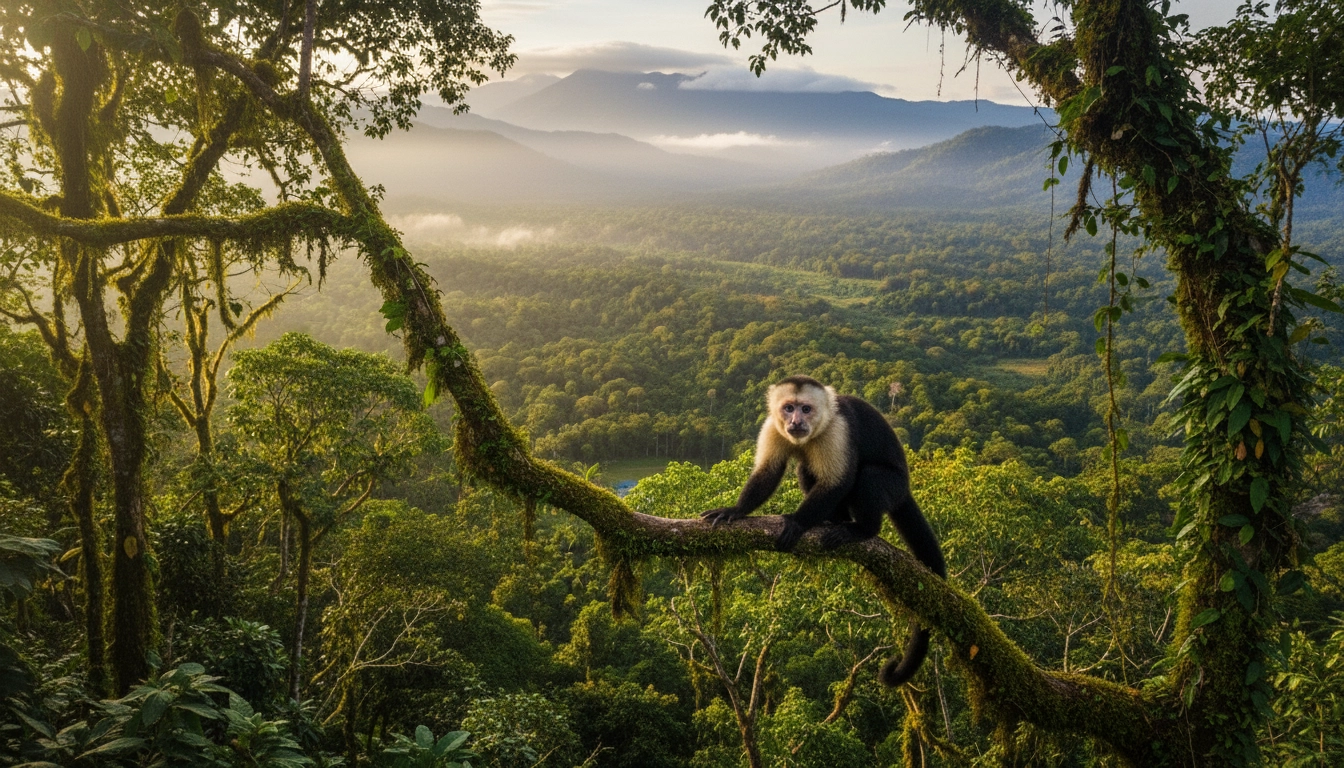
The country's well-established research infrastructure ensures student safety while maintaining scientific rigor. Research stations throughout Costa Rica have developed protocols specifically designed for educational groups, allowing students to contribute meaningfully to ongoing studies while receiving proper supervision and instruction.
Marine Conservation Partnerships: Sea Turtle Research and Ocean Protection
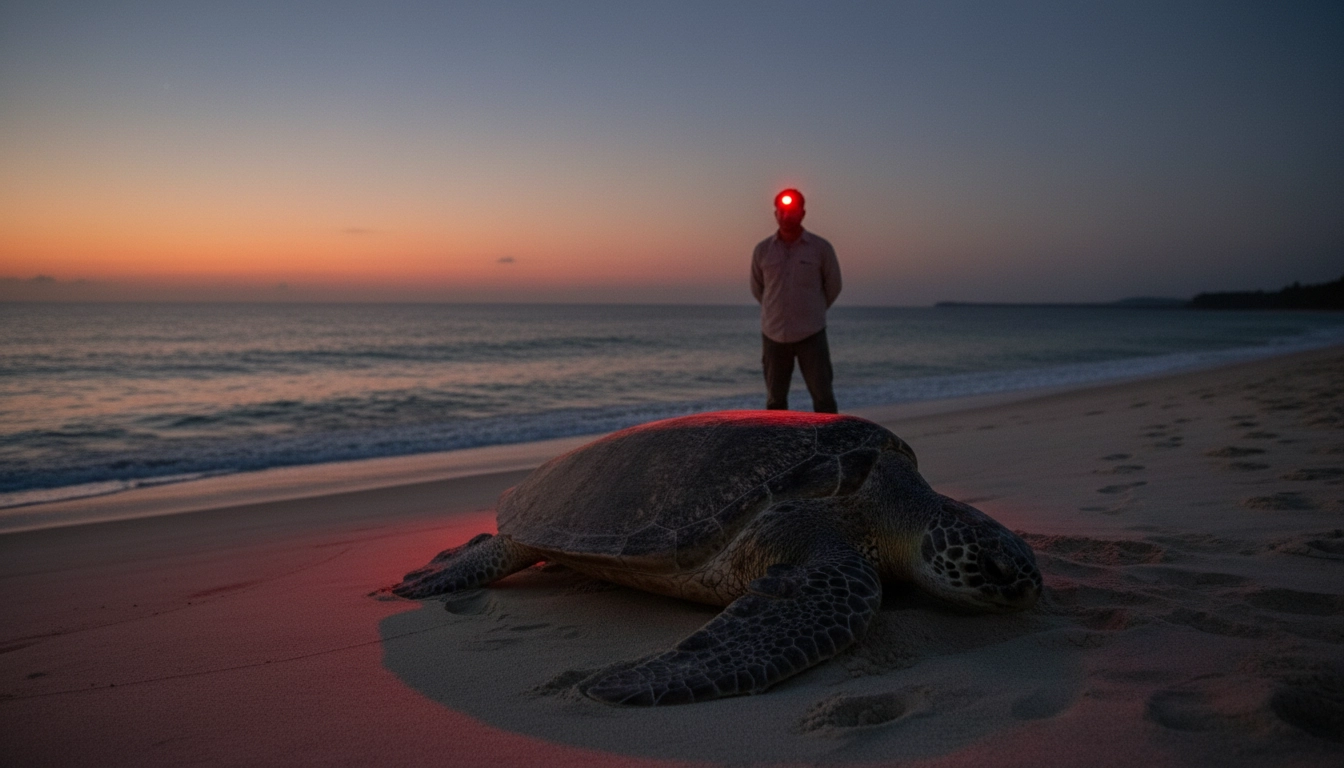
Engage your students in sea turtle conservation through established research partnerships that have documented nesting patterns for decades. Students participate in nighttime beach patrols alongside marine biologists, collecting data on nesting females, measuring eggs, and monitoring hatchling success rates.
Create structured learning experiences by partnering with organizations operating turtle research stations along Costa Rica's Pacific and Caribbean coasts. Students learn to identify different sea turtle species, understand threats to marine ecosystems, and contribute to databases used by international conservation organizations.
Emphasize the importance of proper training before beach patrols begin. Students must understand turtle behavior, learn appropriate observation techniques, and practice data collection methods to ensure their contributions meet scientific standards. Professional researchers provide comprehensive briefings on species identification, measurement techniques, and emergency procedures.
Encourage students to develop research questions related to their observations. Working alongside scientists, students can investigate factors affecting nesting success, analyze historical data trends, or study the impact of coastal development on turtle populations. This approach transforms students from passive observers into active researchers.
Rainforest Research: Primate Behavior and Biodiversity Studies
Connect your students with primatologists studying Costa Rica's diverse monkey species through established field research programs. Students learn behavioral observation techniques, contribute to long-term data collection, and understand the complexities of rainforest ecosystem management.
Begin primate research experiences with comprehensive species identification training. Students must distinguish between howler monkeys, white-faced capuchins, spider monkeys, and squirrel monkeys while learning to recognize individual animals within study groups. This detailed observation training develops scientific precision and attention to detail.
Advise students to maintain detailed field notebooks documenting behavioral observations, environmental conditions, and research protocols. Professional researchers review student work daily, providing feedback on observation techniques and helping students understand how their data contributes to broader conservation efforts.
Share the importance of long-term data collection in conservation science. Students contribute to research databases spanning decades, understanding how their observations fit into larger patterns of primate behavior, habitat use, and population dynamics.
Wildlife Rehabilitation: Hands-On Conservation Medicine
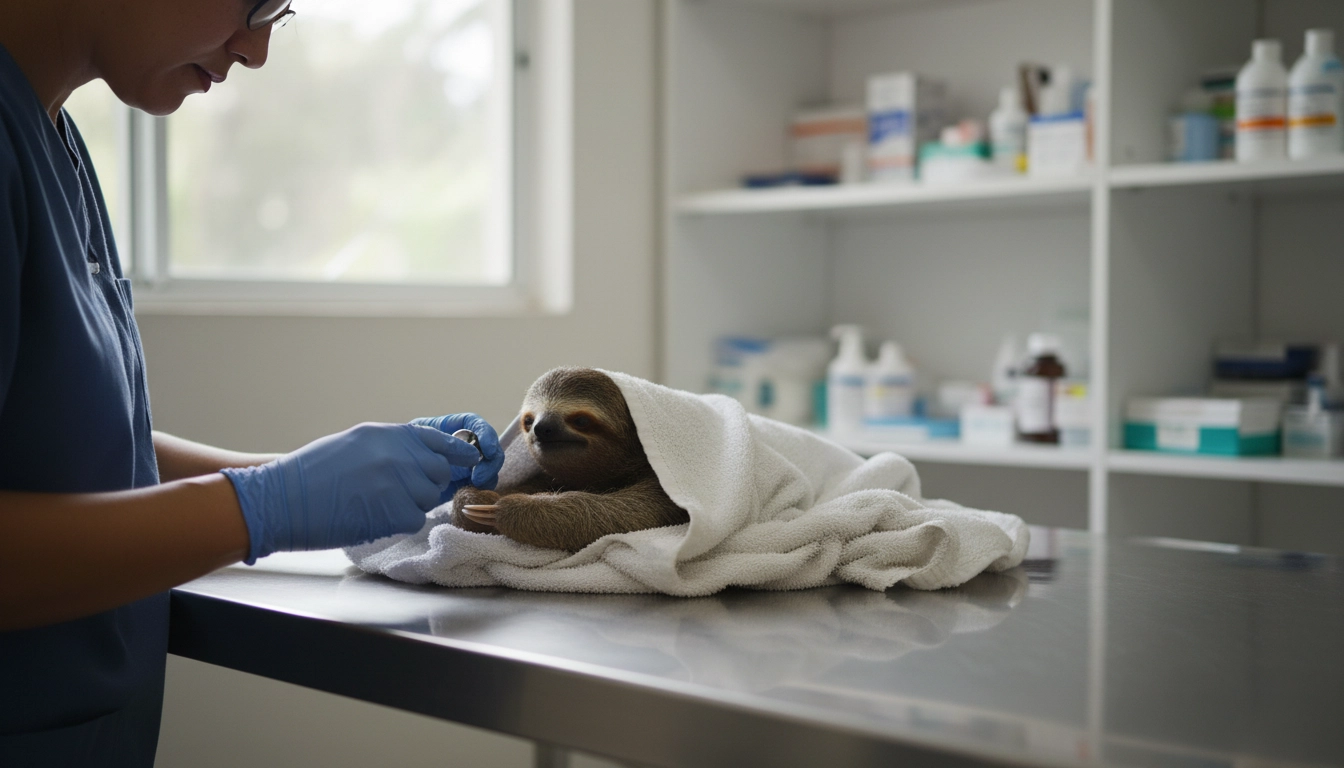
Establish partnerships with wildlife rehabilitation centers where students work alongside veterinarians and wildlife biologists treating injured and orphaned animals. These experiences provide direct insight into conservation challenges while teaching students about wildlife medicine and animal behavior.
Create structured rotations through different aspects of rehabilitation center operations. Students participate in food preparation, enclosure maintenance, behavioral enrichment design, and pre-release conditioning programs. Each rotation includes supervision by trained professionals and clear learning objectives.
Discuss emergency procedures and animal handling protocols thoroughly before beginning any direct animal contact. Students must understand zoonotic disease prevention, proper hygiene practices, and emergency response procedures to ensure both student and animal safety.
Encourage students to develop research projects examining rehabilitation success rates, animal behavior patterns, or the effectiveness of enrichment programs. Working with center staff, students design studies that contribute to improving rehabilitation techniques while developing scientific research skills.
Cloud Forest Conservation: Climate Research and Endemic Species Protection
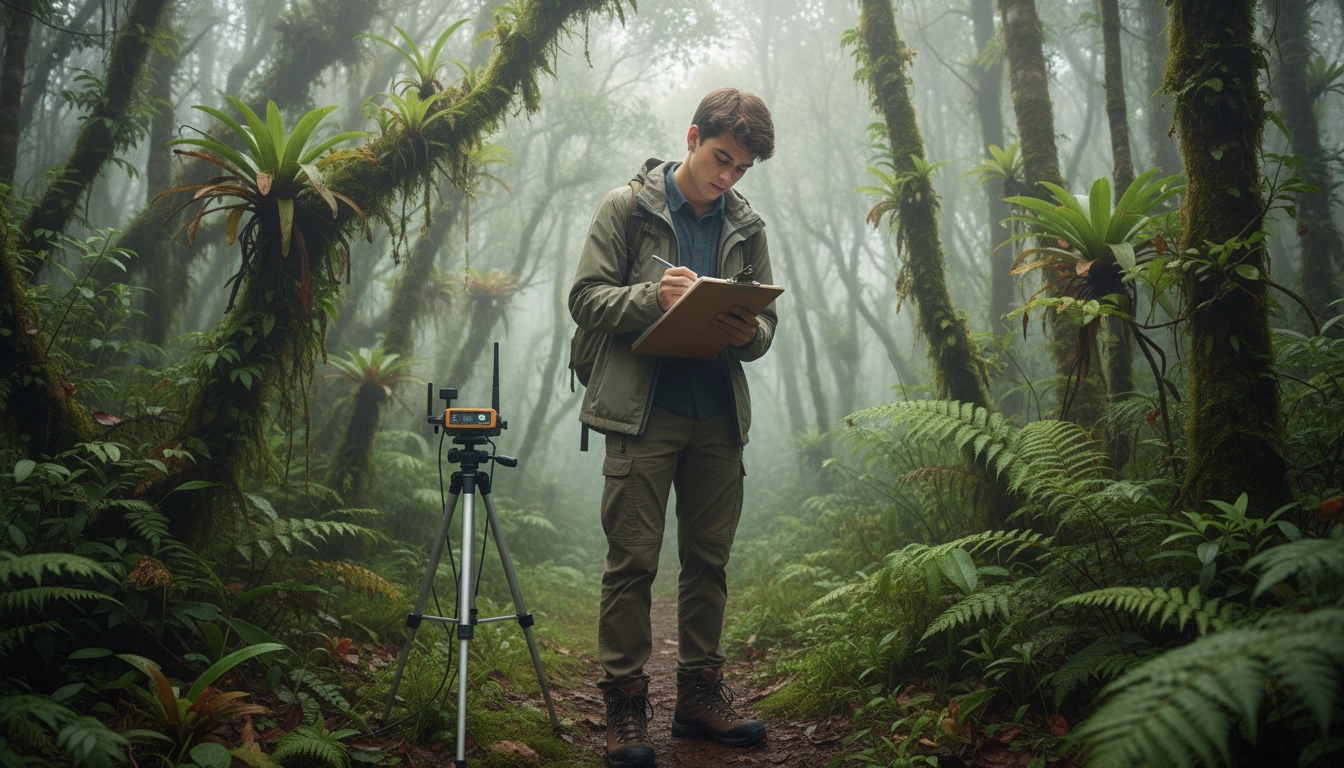
Engage your students in climate research through partnerships with cloud forest research stations studying the impacts of climate change on unique high-elevation ecosystems. Students contribute to weather monitoring, vegetation surveys, and endemic species population studies.
Begin cloud forest experiences with comprehensive ecological education covering the unique characteristics of these rare ecosystems. Students learn about epiphytes, endemic species, and the delicate water balance that maintains cloud forest conditions. This foundational knowledge ensures students understand the significance of their research contributions.
Advise students to document weather patterns, vegetation changes, and wildlife observations using standardized research protocols. Working with resident scientists, students contribute to long-term climate monitoring databases essential for understanding ecosystem responses to global environmental changes.
Create opportunities for students to present their findings to research teams and visiting scientists. These presentations develop communication skills while reinforcing the scientific value of student contributions to ongoing research projects.
Academic Integration: Connecting Field Research to Curriculum Standards
Ensure your conservation trip aligns with curriculum standards by establishing clear connections between field research activities and academic requirements. Work with partner organizations to develop pre-trip preparation materials and post-trip assessment tools that maximize educational value.
Begin trip planning by identifying specific learning objectives tied to your curriculum. Whether focusing on biology, environmental science, or earth science standards, establish clear connections between field activities and classroom learning to justify educational travel investments.
Share detailed itineraries with administrators and parents that explicitly connect each activity to academic standards. Include information about data collection methods, research protocols, and assessment strategies to demonstrate educational rigor.
Encourage students to maintain research portfolios documenting their scientific contributions, skill development, and personal growth throughout the conservation experience. These portfolios serve as authentic assessment tools while creating lasting records of student achievement.
Safety Protocols and Risk Management in Field Research
Emphasize the paramount importance of comprehensive safety planning when engaging students in conservation fieldwork. Establish detailed emergency procedures, communication protocols, and medical response plans before beginning any field research activities.
Create thorough safety briefings covering potential hazards specific to each research environment. Students must understand risks associated with wildlife encounters, terrain challenges, weather conditions, and equipment use. Regular safety reminders throughout the trip reinforce proper procedures.
Advise students on appropriate field clothing, personal protective equipment, and emergency supplies. Provide detailed packing lists specific to conservation activities and environmental conditions to ensure student preparation meets professional standards.
Discuss emergency communication procedures with students, chaperones, and parents before departure. Establish check-in schedules, emergency contact protocols, and evacuation procedures to address potential challenges proactively.
Maximizing Learning Through Professional Mentorship
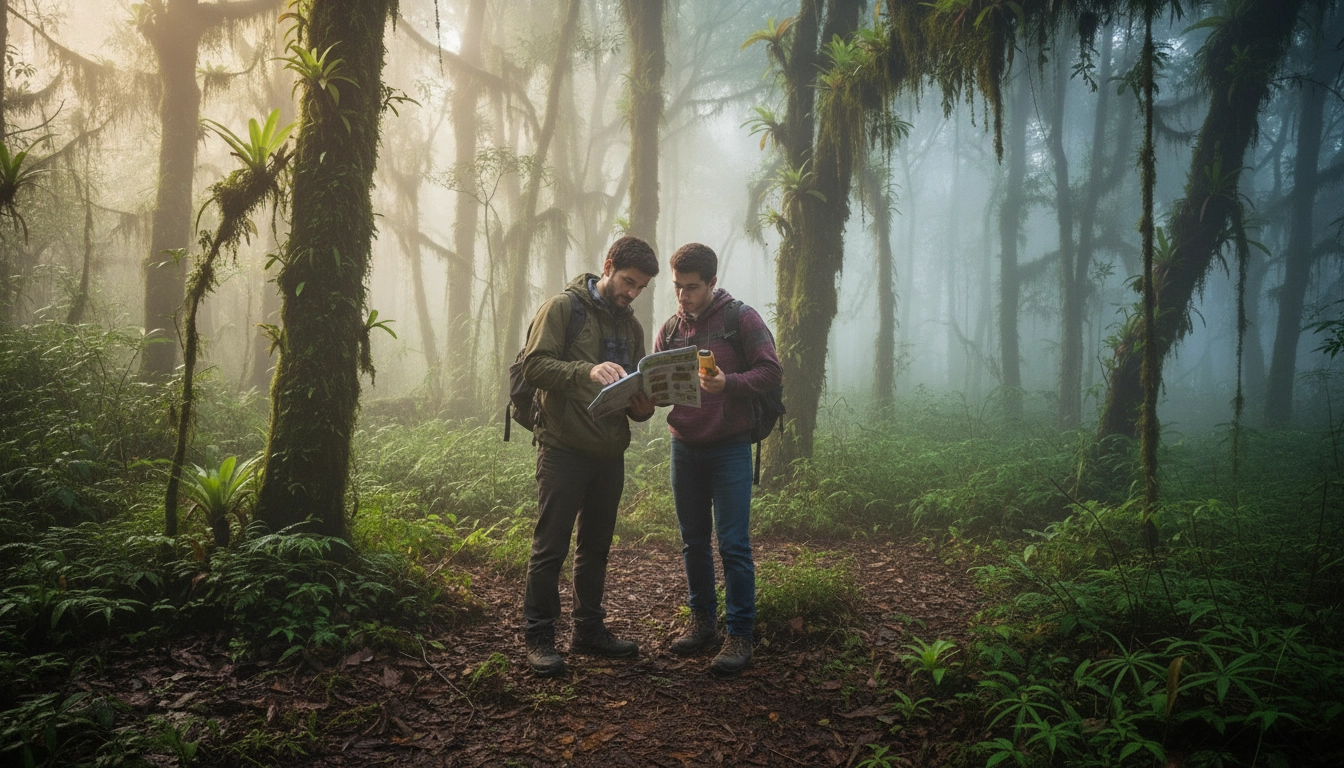
Connect students with experienced conservation professionals who serve as mentors throughout the research experience. These relationships provide career guidance, skill development, and networking opportunities that extend beyond the trip duration.
Begin mentorship relationships with clear expectations and communication protocols. Students should understand how to interact professionally with researchers, ask appropriate questions, and contribute meaningfully to scientific discussions.
Encourage students to maintain contact with conservation mentors after returning home. These ongoing relationships can lead to future research opportunities, college recommendation letters, and career guidance in conservation fields.
Share the importance of professional behavior and scientific ethics throughout the conservation experience. Students must understand their responsibilities as research contributors and maintain the highest standards of conduct when representing their school and working with conservation organizations.
Preparing for Your Costa Rica Conservation Experience
Begin planning your student conservation trip at least twelve months in advance to ensure optimal partnerships and research opportunities. Early planning allows time for curriculum integration, fundraising, and comprehensive preparation that maximizes educational outcomes.
Research potential conservation partners thoroughly, evaluating their educational programs, safety records, and scientific credentials. Request references from other schools and review detailed program descriptions to ensure alignment with your educational objectives.
Create comprehensive parent and administrator communication materials explaining the educational value and safety protocols of conservation partnerships. Include information about student supervision, emergency procedures, and academic integration to address concerns proactively.
Engage your students in meaningful conservation work alongside professional scientists through carefully planned partnerships that prioritize safety, educational rigor, and authentic contribution to ongoing research. Costa Rica's exceptional biodiversity and well-established research infrastructure create unparalleled opportunities for transformative learning experiences that inspire the next generation of conservation leaders.
Consider partnering with Appleseed Expeditions to design your Costa Rica conservation experience. Our educational travel expertise ensures your students receive optimal mentorship, safety supervision, and curriculum integration while contributing meaningfully to important conservation research alongside professional scientists.

Comments