


Student Trip to Grand Canyon: 5 Steps to Transform Geology Lessons into Conservation Action

Transforming geological field studies into meaningful conservation action represents one of the most powerful educational opportunities available to students visiting the Grand Canyon. Ensuring that your students move beyond passive observation to become active stewards of our natural heritage requires careful planning, structured activities, and deliberate connections between earth science concepts and conservation practices.
The Grand Canyon provides an unparalleled outdoor classroom where students can witness 1.8 billion years of Earth's history while simultaneously engaging with current conservation challenges. This comprehensive approach transforms traditional field geology into an action-oriented learning experience that empowers students to become environmental advocates and scientifically-informed citizens.
Step 1: Establish the Foundation - Connect Deep Time to Current Conservation Challenges
Begin by establishing the critical connection between the Grand Canyon's geological timeline and present-day environmental challenges. Prepare your students to understand that the same geological processes that created this natural wonder continue to shape our planet today, making conservation efforts both urgent and scientifically grounded.
Create pre-visit activities that help students visualize deep time. Develop a timeline activity where students represent the Grand Canyon's 1.8-billion-year geological history on a football field scale. This exercise demonstrates how human impact, represented by the last millimeter of the timeline, has dramatically accelerated environmental change.
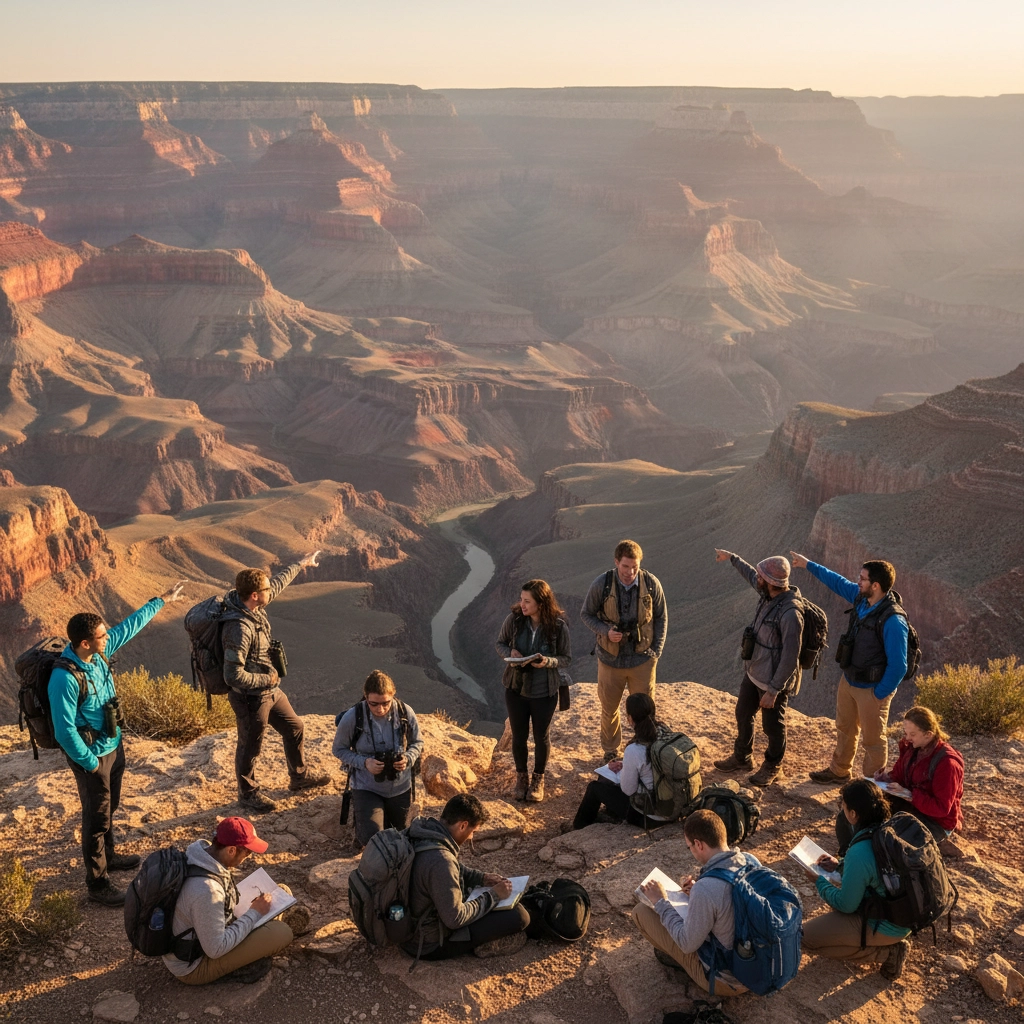
Essential preparation activities include:
Research current Grand Canyon conservation challenges, including invasive species management, water resource protection, and wildlife corridor preservation
Study the Colorado River's role in both geological formation and current ecosystem health
Examine how climate change affects erosion patterns, species distribution, and visitor impact
Investigate the relationship between geological formations and habitat diversity
During your field experience, encourage students to identify specific rock layers while simultaneously discussing how these formations support different plant and animal communities. Point out how the Kaibab Formation supports ponderosa pine forests, while the Hermit Shale creates habitat for desert species. This approach reinforces the concept that geological diversity directly supports biological diversity.
Emphasize the importance of understanding that conservation efforts must consider both geological timescales and immediate human impact. Students should recognize that protecting the Grand Canyon requires appreciation for both its deep geological history and its current ecological fragility.
Step 2: Implement Hands-On Geological Investigation with Conservation Focus
Design field investigations that combine traditional geological observations with conservation-focused data collection. Structure activities that require students to act as both geologists and conservation scientists, collecting data that contributes to ongoing research and monitoring efforts.
Organize student teams to conduct systematic observations of specific geological formations while simultaneously documenting evidence of human impact, erosion patterns, and habitat conditions. Provide each team with standardized data collection sheets that record both geological observations and conservation-relevant information.
Key investigation activities include:
Measuring and documenting trail erosion in relation to underlying rock types
Identifying invasive plant species and their relationship to soil conditions and geological substrates
Recording water flow patterns and their impact on both erosion and ecosystem health
Documenting wildlife sign in different geological zones and habitat types
Encourage students to photograph their findings systematically, creating before-and-after documentation that can contribute to long-term monitoring efforts. Teach students to use GPS coordinates to precisely locate their observations, emphasizing the scientific importance of accurate data collection.
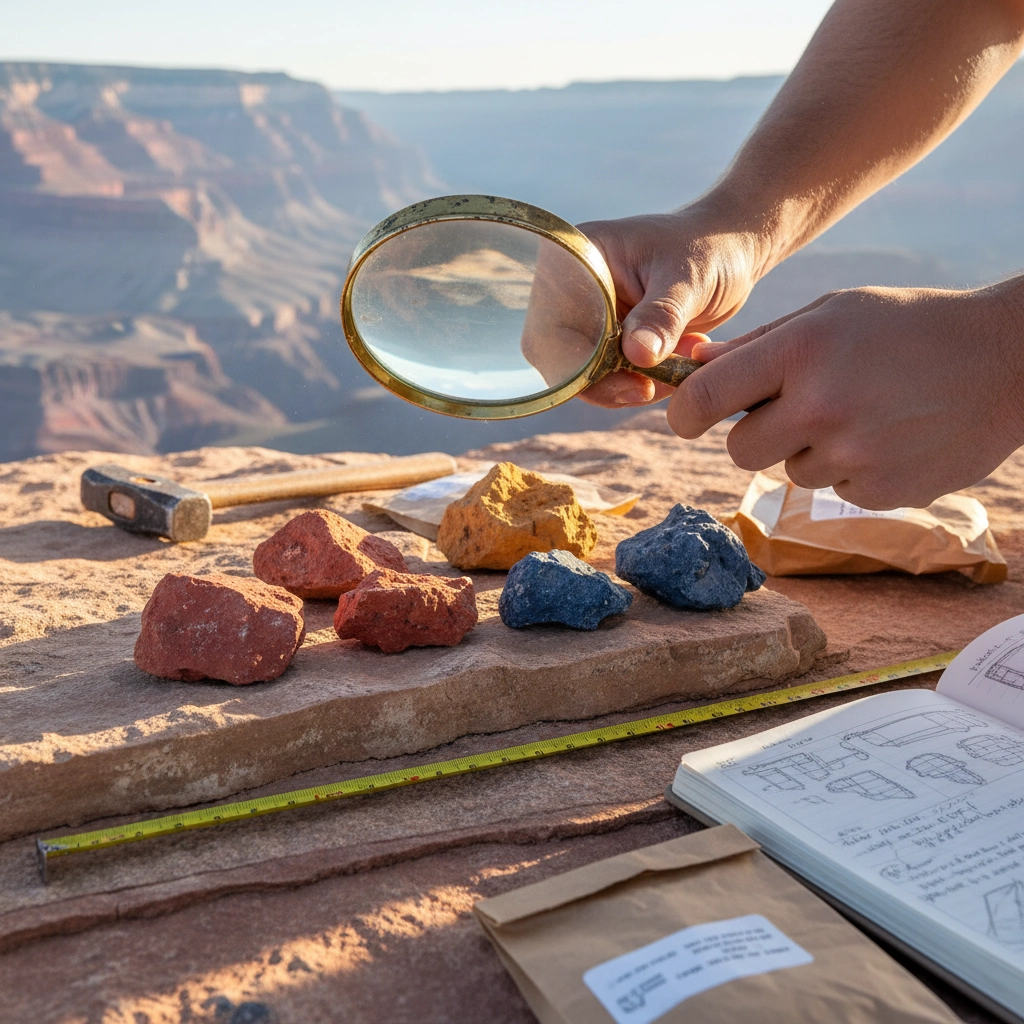
Provide students with scientific field journals where they record both geological observations and conservation concerns. Structure journal prompts that require students to connect their geological findings to broader environmental challenges, encouraging critical thinking about the relationship between earth science and environmental stewardship.
Ensure that students understand their role as citizen scientists contributing to genuine conservation research. Connect your group with ongoing Grand Canyon research projects where student data can provide valuable contributions to scientific understanding and conservation planning.
Step 3: Engage with Conservation Professionals and Research Programs
Coordinate meetings with Grand Canyon National Park rangers, research scientists, and conservation professionals who can demonstrate the practical application of geological knowledge in conservation work. These interactions provide students with real-world examples of how earth science education translates into meaningful conservation careers and volunteer opportunities.
Schedule presentations with professionals working on current conservation projects, including condor recovery programs, invasive species management, and climate change research. Request that these experts specifically address how geological understanding informs their conservation strategies.
Professional engagement opportunities include:
Ranger-led programs focusing on geological processes and conservation challenges
Meetings with research scientists studying erosion, climate impacts, or species migration
Interactions with restoration specialists working on habitat improvement projects
Conversations with education specialists developing conservation messaging
Encourage students to prepare thoughtful questions that demonstrate understanding of both geological concepts and conservation applications. Provide question frameworks that help students connect classroom learning to professional conservation work.
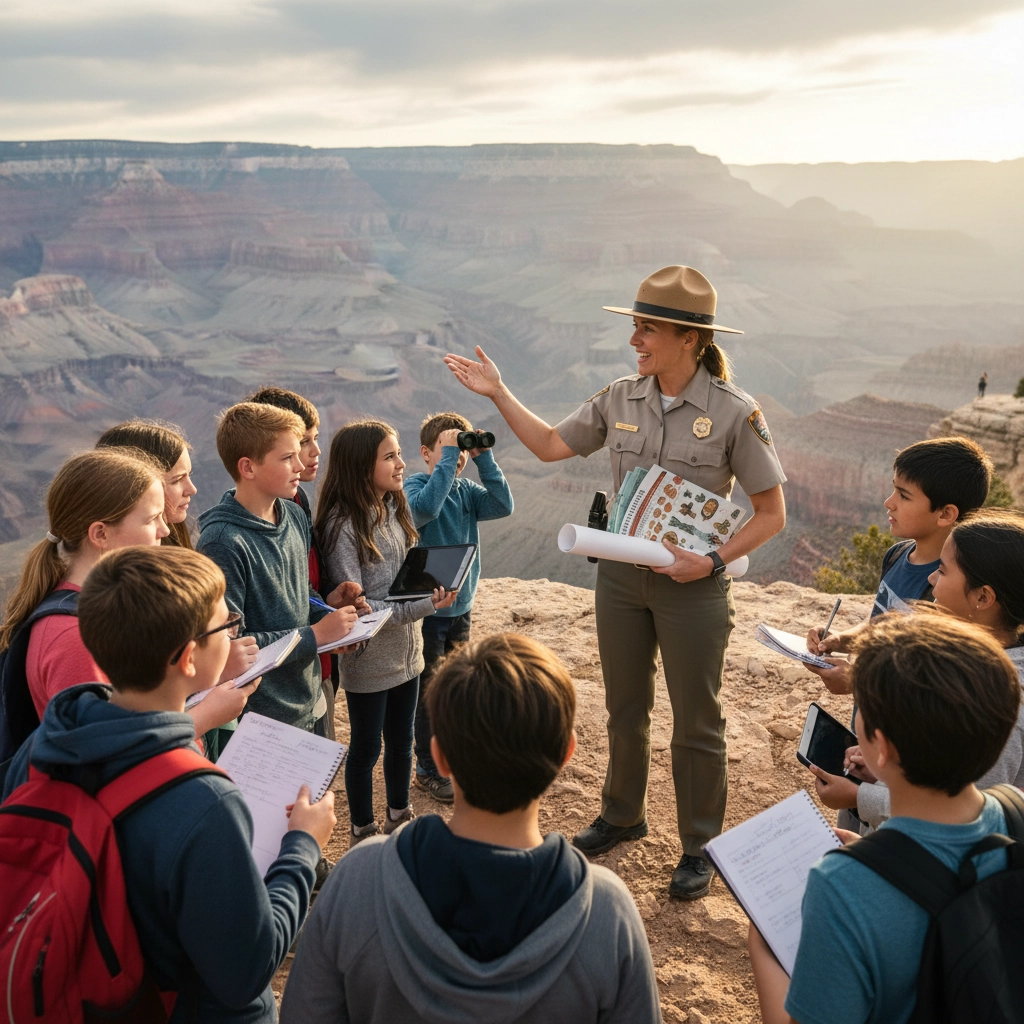
Document these professional interactions through student interviews, recordings, or collaborative projects. Challenge students to identify specific conservation career paths that interest them and require strong earth science backgrounds.
Arrange for students to participate in actual conservation work, such as trail maintenance, invasive species removal, or data collection for ongoing research projects. These experiences provide tangible evidence that individual actions can contribute to conservation outcomes.
Step 4: Develop Student-Led Conservation Action Plans
Guide students in creating comprehensive conservation action plans that address specific challenges identified during their geological investigations. Structure this process to ensure that student proposals are both scientifically sound and practically implementable.
Require students to work in teams to identify specific conservation challenges that connect to their geological observations. Guide them through the process of developing evidence-based solutions that demonstrate understanding of both earth science principles and conservation practices.
Action plan development components include:
Problem identification based on field observations and scientific research
Scientific justification connecting geological processes to conservation needs
Specific, measurable objectives for conservation outcomes
Implementation strategies appropriate for student skill levels and resources
Evaluation methods to assess conservation impact
Encourage students to propose actions at multiple scales, from individual behavior changes to school-wide initiatives to community engagement projects. Emphasize the importance of creating achievable goals that build confidence and momentum for ongoing conservation work.
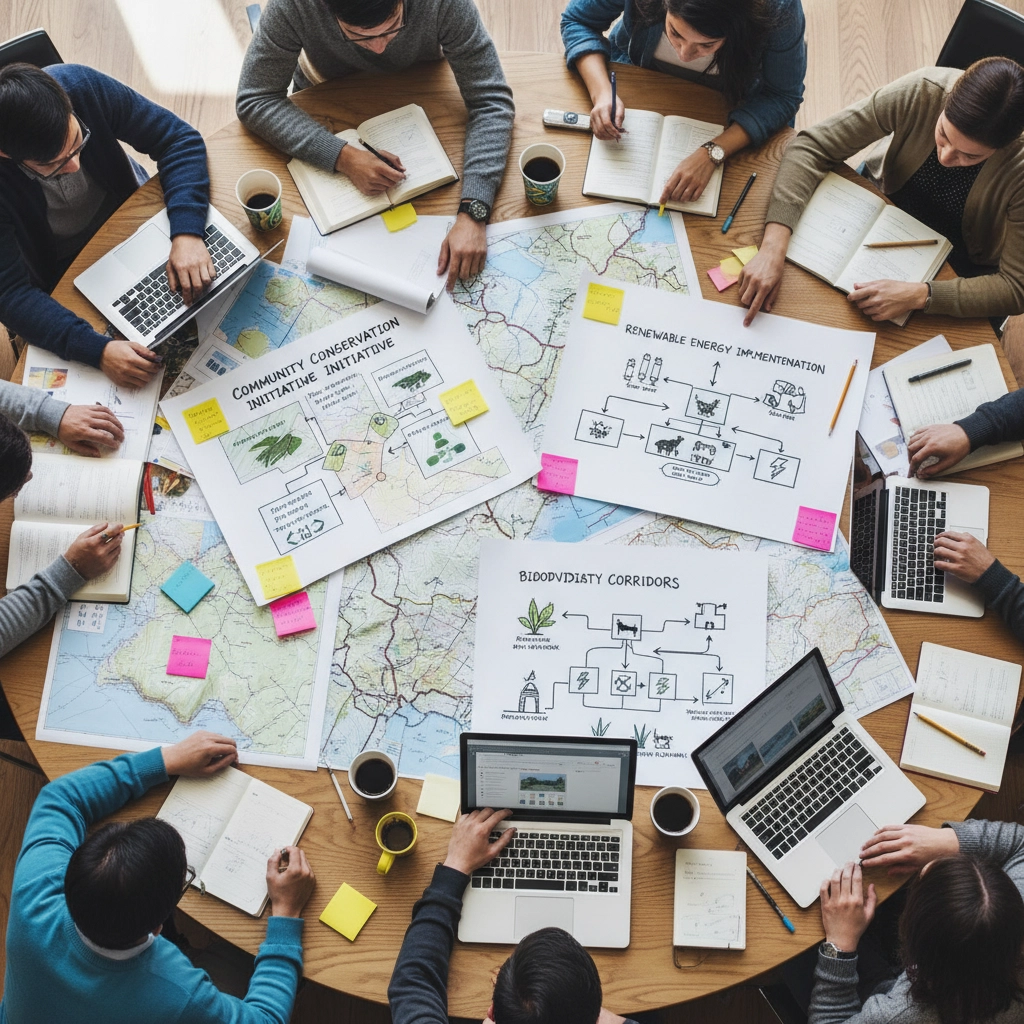
Provide templates and examples that help students structure their conservation proposals professionally. Require students to present their action plans to peers, teachers, and potentially to Grand Canyon staff members for feedback and refinement.
Support students in identifying partnership opportunities with local organizations, schools, or community groups that can help implement their conservation initiatives. Emphasize the importance of collaboration and networking in effective conservation work.
Step 5: Implement Follow-Up Actions and Long-Term Engagement
Establish systems for ongoing student engagement with conservation work following your Grand Canyon experience. Create structures that support continued learning, action, and reflection on the connections between geological understanding and environmental stewardship.
Develop a timeline of follow-up activities that maintain student momentum and provide opportunities for deeper engagement with conservation concepts. Plan regular check-ins, progress assessments, and celebration of student achievements in conservation work.
Post-trip engagement strategies include:
Monthly conservation project updates and progress reports
Connections with ongoing Grand Canyon research through virtual presentations
Partnerships with local environmental organizations for continued action opportunities
Student presentations to younger classes, community groups, or school boards
Development of multimedia presentations showcasing student conservation work
Encourage students to maintain digital portfolios documenting their conservation activities, learning outcomes, and personal growth as environmental stewards. Provide frameworks for reflection that help students articulate the connections between their Grand Canyon experience and ongoing conservation commitment.
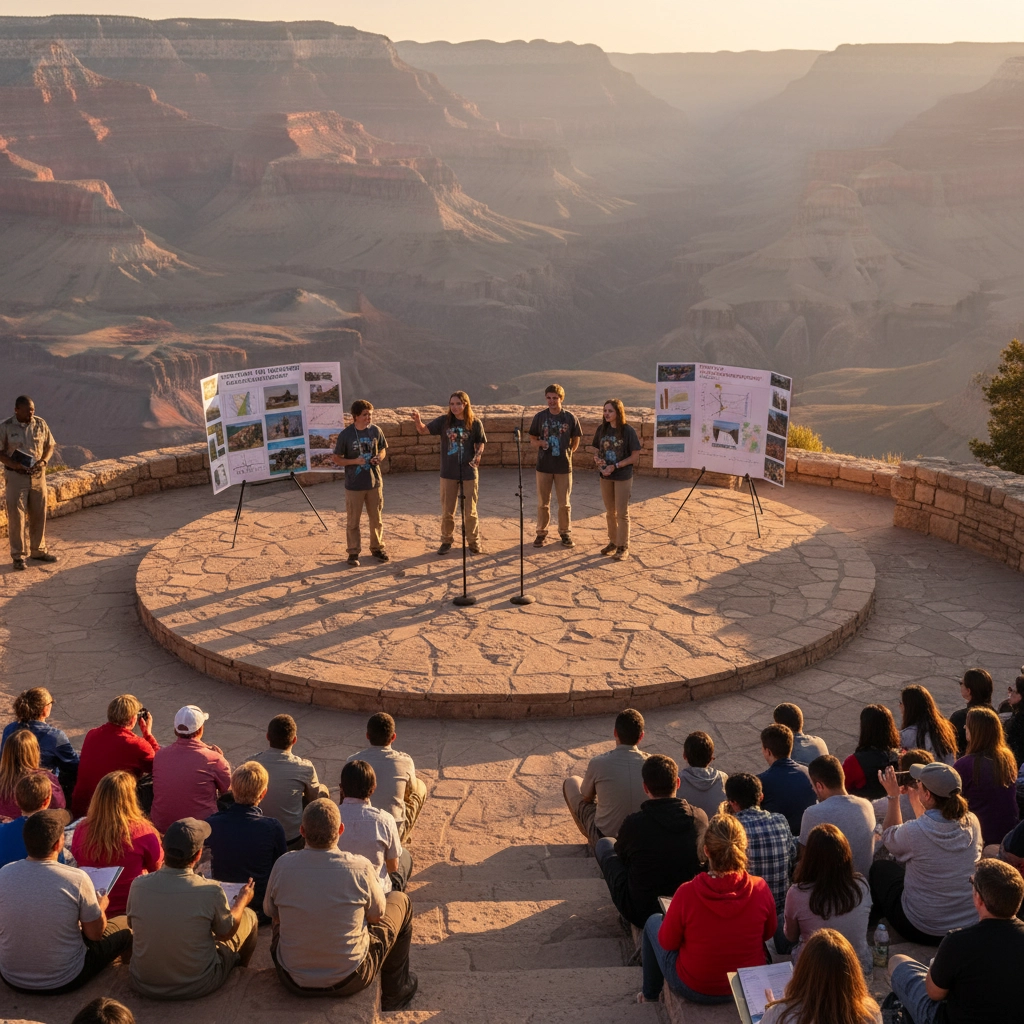
Create opportunities for students to mentor younger peers in conservation activities, reinforcing their own learning while expanding the impact of your educational program. Support student applications to youth environmental leadership programs, science competitions, or conservation scholarship opportunities.
Establish communication channels that allow students to share their conservation work with Grand Canyon staff members, providing feedback to the park on the long-term impact of educational programming and student engagement.
Conclusion: Empowering the Next Generation of Conservation Leaders
Transforming geology lessons into conservation action requires deliberate planning, structured activities, and ongoing support for student engagement. By following these five steps, educators can ensure that Grand Canyon experiences produce not just increased scientific knowledge, but committed environmental advocates equipped with both understanding and practical experience in conservation work.
The Grand Canyon provides an exceptional opportunity to demonstrate the critical connections between earth science education and environmental stewardship. Students who experience this integrated approach develop deeper appreciation for both geological processes and conservation challenges, positioning them as informed and engaged citizens prepared to address complex environmental issues.
Successful implementation of these strategies requires careful preparation, professional partnerships, and commitment to ongoing student support. The investment in this comprehensive approach yields significant returns in student learning, environmental awareness, and conservation action that extends far beyond the initial field experience.
For educators seeking similar transformative science experiences, Appleseed Expeditions offers comprehensive educational travel programs that connect students with hands-on learning opportunities in America's most spectacular natural laboratories. Our Yellowstone expeditions provide students and educators with unparalleled opportunities to experience geothermal geology, wildlife ecology, and conservation science firsthand, creating lasting connections between classroom learning and real-world environmental stewardship.

Comments