


The Teacher's Guide to Planning Educational Trips to Grand Canyon That Actually Inspire Conservation Action
- Caleb Mullenix
- Nov 19, 2025
- 5 min read

Planning an educational trip to the Grand Canyon that transforms students into passionate conservation advocates requires intentional preparation, strategic program selection, and systematic follow-through. The difference between a memorable sightseeing trip and a transformative educational experience lies in your approach to connecting students with real conservation challenges and inspiring them to take meaningful action.
Begin With Clear Conservation-Focused Learning Objectives
Establish specific, measurable learning goals that extend beyond basic geological knowledge to emphasize conservation action. Your objectives should address questions such as: How will students identify human impacts on natural systems? What conservation success stories will they explore? How will they connect Grand Canyon experiences to broader environmental stewardship?
Document these objectives in writing and share them with administrators, parents, and chaperones. This documentation serves multiple purposes: securing administrative approval, establishing shared understanding of the trip's conservation mission, and creating accountability for achieving meaningful outcomes.
Research state and national curriculum standards that align with conservation-focused Grand Canyon experiences. This research strengthens your funding proposals while demonstrating the trip's educational value to school officials. Position your trip as an extension of classroom learning that reinforces curriculum requirements through authentic, place-based conservation education.
Create a Comprehensive 12-Month Planning Timeline
Begin your planning process 6-12 months in advance to ensure optimal coordination and educational outcomes. Early planning allows you to secure the most impactful ranger-led programs, coordinate with other school groups, and develop thorough pre-trip preparation materials.
6-12 Months Before Departure
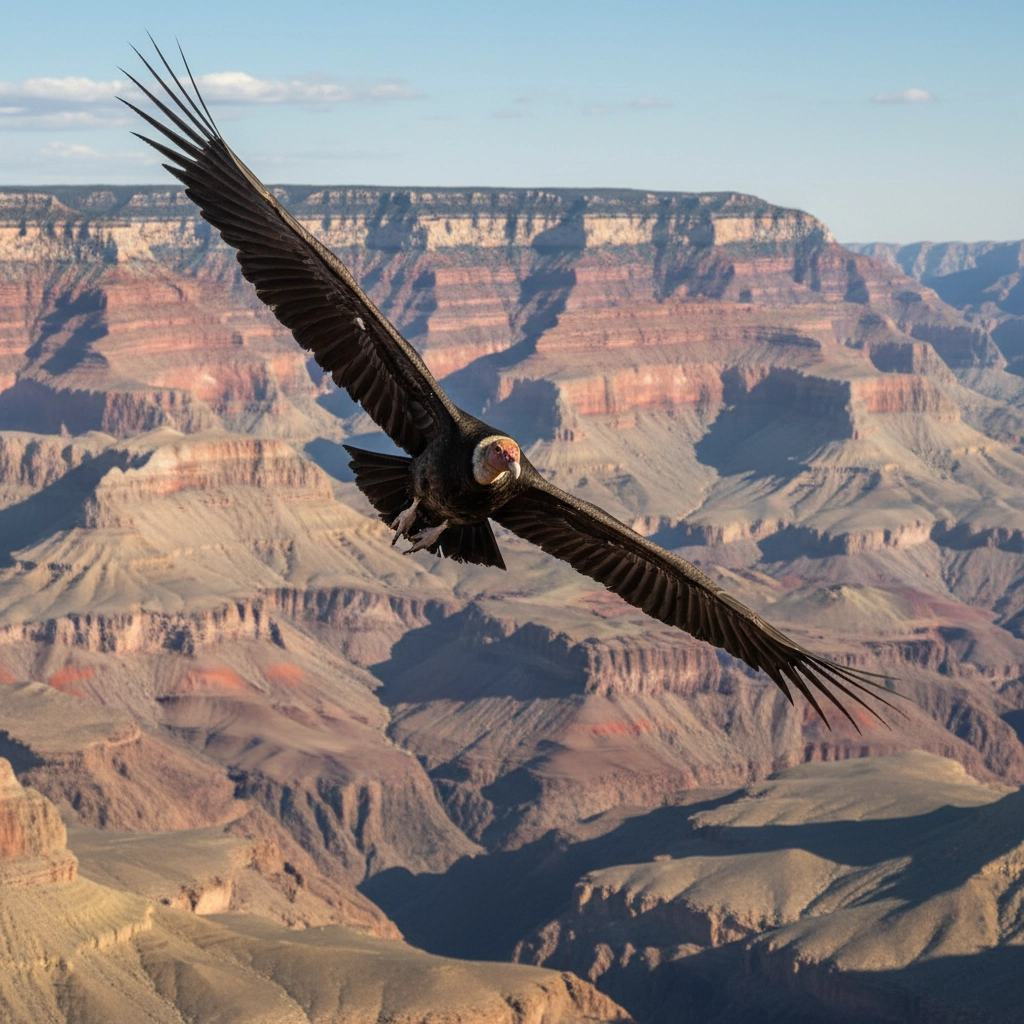
Contact the National Park Service Education Team immediately after establishing your travel dates. Reserve ranger-led programs that specifically address conservation topics, including the Condor Talk program, which focuses on endangered species recovery and conservation success stories. These free educational programs provide authentic learning experiences led by experts who understand how to connect students with conservation action.
Research and select accommodations that support your conservation mission. Consider facilities that demonstrate sustainable practices, offer educational programs about resource management, or provide opportunities for students to observe conservation efforts in action.
3-6 Months Before Departure
Finalize all ranger program confirmations and create detailed daily itineraries that balance structured learning with opportunities for student reflection and discussion. Coordinate transportation arrangements while establishing clear emergency communication protocols.
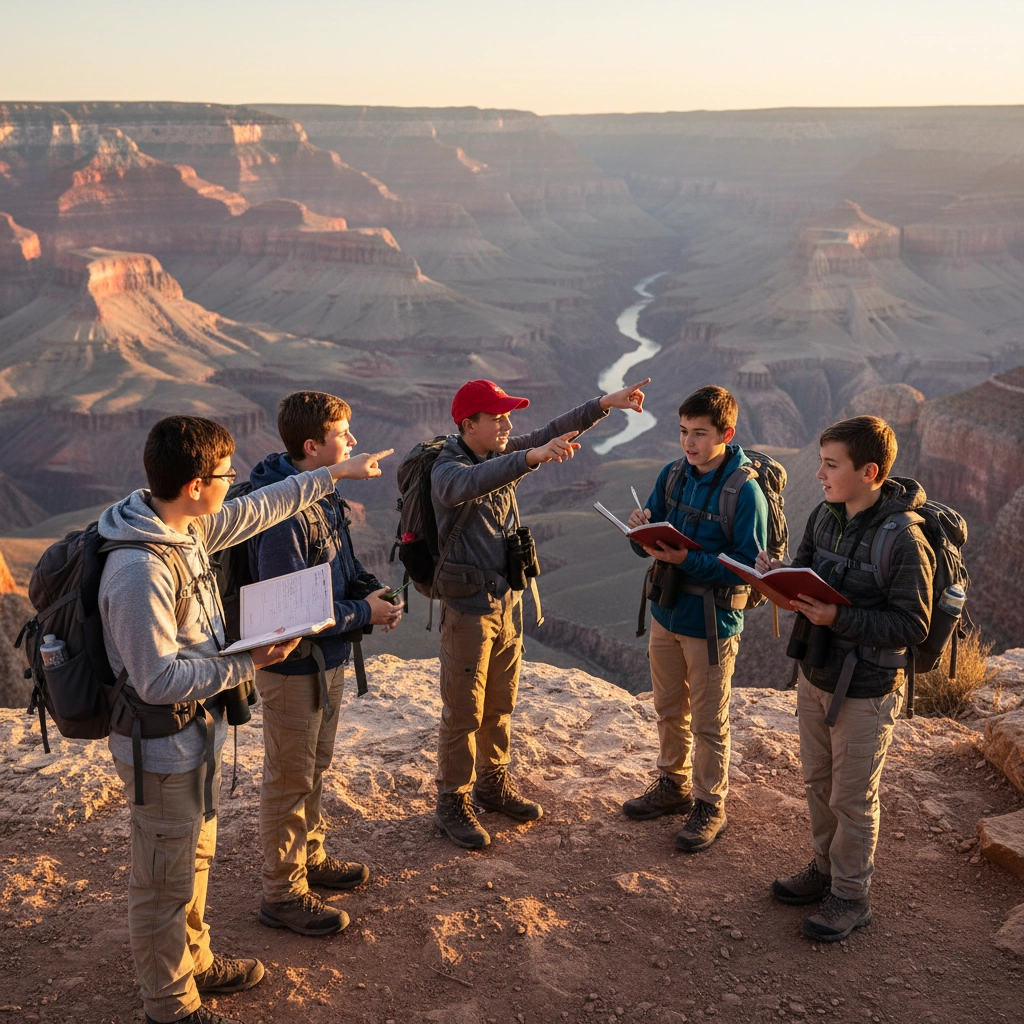
Distribute comprehensive packing lists that emphasize weather preparation and include items that support conservation-focused activities, such as field journals, observation worksheets, and cameras for documenting conservation evidence.
Conduct parent information meetings that emphasize both the academic value and character-building opportunities that conservation-focused field experiences provide. Explain how students will develop independence, problem-solving skills, and environmental consciousness through authentic outdoor learning.
Leverage Ranger-Led Programs for Maximum Conservation Impact
The National Park Service offers specialized educational programs designed to connect students with real conservation challenges and success stories. Strategic selection and preparation for these programs amplifies your trip's conservation impact.
Essential Conservation-Focused Programs
Condor Talk Program: These 45-60 minute sessions focus specifically on endangered species conservation and California Condor reintroduction efforts. Students learn about human impact on wildlife populations while exploring real-world conservation success stories. Prepare students by researching the condor recovery program beforehand, then use this program to demonstrate how dedicated conservation efforts can reverse species decline.
Fossil Walk Program: This moderate half-mile hike reveals marine creature fossils from ancient ocean environments, providing evidence of environmental change over geological time. Use this program to help students understand how environments naturally change, preparing them to comprehend current conservation challenges related to climate change and human impact.
Junior Ranger Program: Available for ages 4-14, this program allows students to earn official National Park Service badges while learning about canyon formation and Native American cultural perspectives on stewardship. Students complete hands-on activities that create a sense of ownership and responsibility for park protection.
Design Pre-Trip Activities That Build Conservation Awareness
Develop classroom activities that introduce conservation concepts students will encounter during their field experience. Create lessons covering geological processes, ecosystem relationships, and current conservation challenges specific to the Grand Canyon.
Assign students specific observation roles during the trip, such as "conservation monitor," "ecosystem health observer," or "human impact recorder." This preparation ensures active engagement in identifying both natural processes and conservation challenges throughout their visit.
Provide students with customized field journals and observation worksheets that encourage documentation of conservation evidence alongside natural phenomena. Include prompts that guide students to record observations about park management efforts, visitor impact, and wildlife protection measures.
Maximize Conservation Learning During Your Visit
Structure daily activities to emphasize conservation themes while maintaining student engagement through varied learning approaches. Begin each day with brief discussions about conservation topics they'll encounter, then conclude with evening reflection sessions that process observations and discuss conservation implications.
Active Learning Strategies
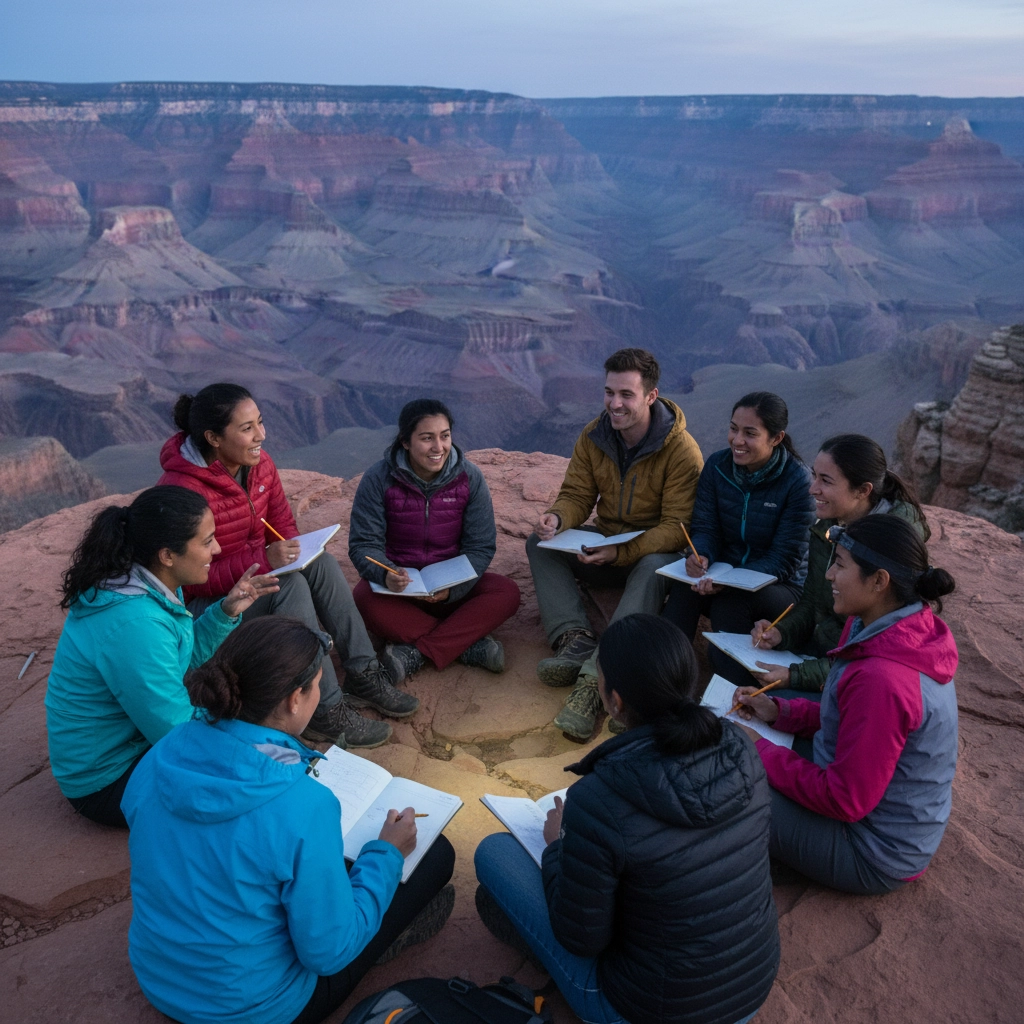
Encourage students to maintain detailed field notes, sketches, and photographic documentation of their observations, with particular attention to evidence of human impact and conservation efforts. Implement structured reflection activities each evening to process daily experiences and connect them to broader conservation concepts.
Incorporate explicit discussion time for students to analyze their observations in terms of conservation action. Ask guiding questions such as: "What evidence do we see of park protection efforts?" "What human impacts have we observed?" "What actions could help preserve this ecosystem?" This approach transforms passive observation into active conservation thinking.
Create opportunities for students to interview park rangers, naturalists, and other park staff about their conservation work. These conversations provide authentic insights into conservation careers while demonstrating how individual actions contribute to broader environmental protection efforts.
Implement Systematic Post-Trip Follow-Up
The post-trip phase proves crucial for translating inspiration into sustained conservation commitment. Schedule follow-up classroom sessions that analyze field observations and explicitly connect conservation experiences to curriculum standards and real-world action opportunities.
Reinforcement Activities
Encourage students to research additional information about conservation topics that captured their interest during the trip, whether California Condor recovery, Colorado River management, or cultural resource preservation. This extended research deepens understanding while maintaining engagement with conservation issues.
Create authentic presentation opportunities where students share their learning with other classes, school assemblies, or community forums. Frame these presentations as calls to action rather than simply informational sharing. Students might present conservation challenges they observed and propose solutions, research successful conservation models, or advocate for specific park preservation initiatives.
Develop service learning projects that allow students to apply their Grand Canyon conservation learning to local environmental issues. Connect canyon ecosystem concepts to local watershed protection, endangered species recovery efforts, or habitat restoration projects in your community.
Assess Conservation Learning Outcomes
Develop comprehensive assessment activities that measure both academic achievement and conservation-focused outcomes. Evaluate student understanding of earth science concepts demonstrated through field observations, ability to identify and analyze human impacts on natural systems, and depth of engagement with conservation challenges.
Create rubrics that assess student-created proposals or advocacy projects addressing conservation issues. This assessment approach reinforces the expectation that learning should translate into action while providing authentic evaluation of student growth.
Document student reflections about their conservation learning journey, from pre-trip preparation through post-trip action projects. These reflections provide valuable insight into the trip's long-term impact on student environmental consciousness.
Partner With Educational Travel Specialists
Working with experienced educational travel companies like Appleseed Expeditions ensures that your conservation-focused Grand Canyon trip achieves maximum educational impact while maintaining the highest safety standards. Educational travel specialists understand how to coordinate complex logistics while preserving focus on learning objectives and conservation outcomes.
Professional educational travel companies provide expertise in program selection, safety protocols, and educational continuity that allows teachers to concentrate on student learning rather than logistical coordination. This partnership approach maximizes your investment in conservation education while ensuring comprehensive preparation and systematic follow-through.
Transform your Grand Canyon educational trip from a memorable school experience into a catalyst for lifelong conservation action. Through intentional planning, strategic program selection, immersive field experiences, and sustained post-visit engagement, you inspire students not simply to learn about the Grand Canyon, but to become advocates for protecting all public lands and natural systems. The conservation leaders your students become will extend far beyond their classroom experience, creating lasting positive impact on environmental protection efforts for generations to come.
Comments