


The Ultimate Guide to Costa Rica Service Learning: How Students Study Wildlife While Supporting Local Communities

Preparing your students for a meaningful educational trip Costa Rica experience requires careful consideration of programs that combine rigorous academic learning with genuine community impact. Costa Rica service learning represents one of the most effective approaches to experiential education, where students engage in authentic conservation work while developing critical thinking skills and global citizenship awareness.
Understanding how to select and implement a successful service learning Costa Rica program is essential for educators seeking to maximize both educational outcomes and positive community impact. This comprehensive guide provides the framework necessary to evaluate, plan, and execute transformative wildlife conservation experiences that benefit students and local communities alike.
Understanding Costa Rica Service Learning Programs
Costa Rica service learning programs operate on the principle that authentic learning occurs when students address real-world challenges alongside local community members. These programs typically integrate Costa Rica hands-on science learning with direct service to conservation organizations, wildlife sanctuaries, and community development initiatives.
Effective Costa Rica student conservation projects combine structured academic components with meaningful volunteer work. Students participate in data collection, habitat restoration, wildlife monitoring, and community education initiatives while working under the supervision of local biologists, park rangers, and community leaders.
The most successful programs emphasize reciprocal relationships where student contributions address genuine community needs rather than creating artificial volunteer opportunities. Ensure that your selected program demonstrates clear connections between student activities and measurable conservation or community development outcomes.
Wildlife Conservation Learning Opportunities
Costa Rica offers diverse ecosystems that provide exceptional opportunities for Costa Rica wildlife trips for students. Begin by identifying which conservation focus aligns with your curriculum objectives and student interests.
Sea Turtle Conservation Programs
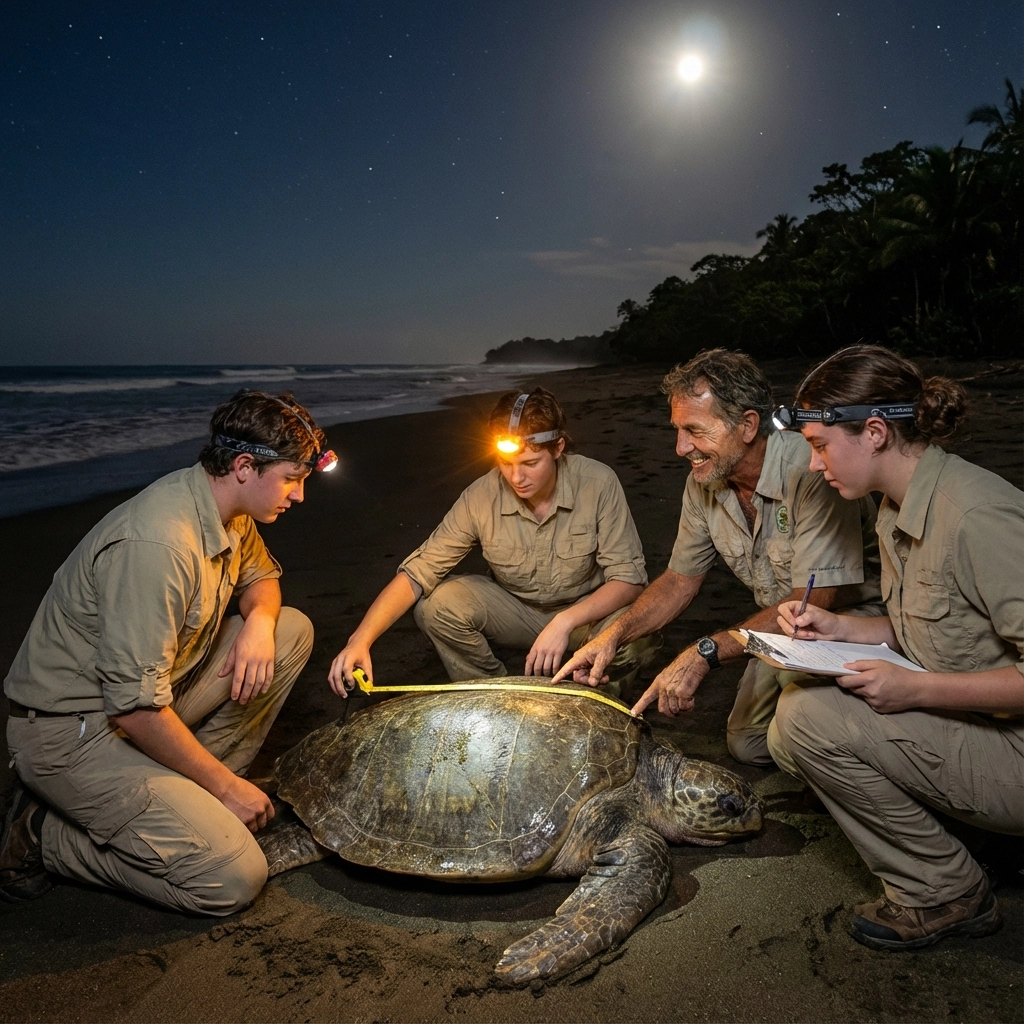
Sea turtle protection initiatives represent some of the most structured Costa Rica school volunteering opportunities available. Students conduct nightly beach patrols to monitor nesting activity, participate in hatchery management, and collect scientific data on turtle populations and nesting success rates.
These programs typically operate during specific nesting seasons, requiring careful timing coordination. Emphasize to students that turtle conservation work often involves irregular hours and unpredictable wildlife encounters, making flexibility and patience essential qualities.
Rainforest Biodiversity Research
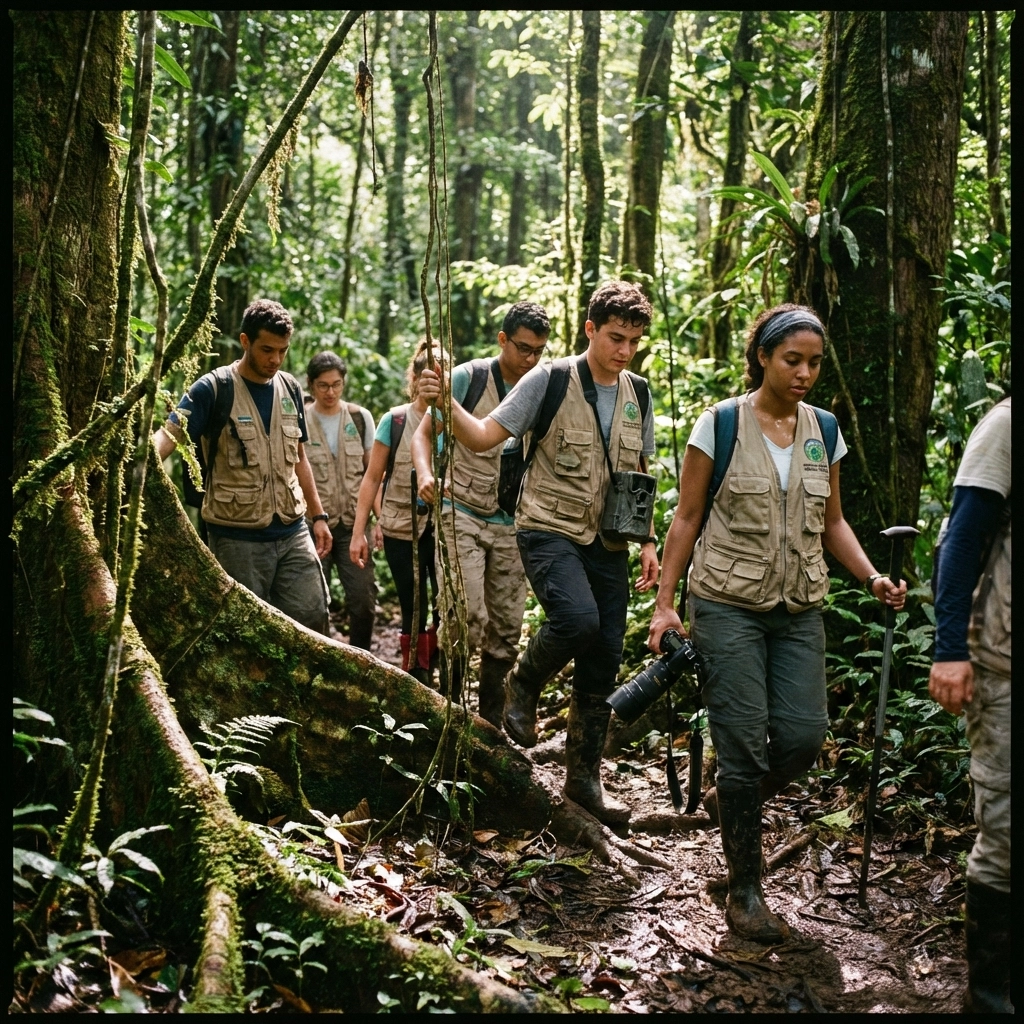
Rainforest conservation programs focus on habitat restoration, species monitoring, and ecosystem research within protected areas such as Tortuguero National Park and the Osa Peninsula. Students learn field research techniques while contributing to ongoing scientific studies.
Encourage students to prepare for challenging field conditions including high humidity, insects, and physical demands of jungle research. These experiences provide unparalleled opportunities for authentic scientific inquiry and environmental problem-solving.
Wildlife Rehabilitation Centers
Animal rescue and rehabilitation centers offer opportunities for students to observe veterinary care, assist with feeding and habitat maintenance, and learn about human-wildlife conflict issues. These programs emphasize animal welfare ethics and conservation medicine principles.
Community Engagement Components
Successful Costa Rica STEM trips for students integrate meaningful community partnerships that extend beyond wildlife conservation. Ensure your selected program includes structured cultural exchange opportunities and addresses genuine community needs.
Educational Partnerships
Many programs facilitate partnerships between visiting students and local schools. Students may assist with English language instruction, science education, or technology training while learning about Costa Rican culture and educational systems.
Prepare students for cross-cultural communication challenges and emphasize the importance of cultural sensitivity and respect. Discuss appropriate behavior, dress codes, and interaction protocols before departure.
Sustainable Agriculture Initiatives
Community-based sustainable agriculture projects allow students to learn about food security, environmental sustainability, and economic development while supporting local farming communities. These experiences provide practical applications of environmental science and social studies concepts.

Program Structure and Academic Integration
Effective student trips to Costa Rica require clear academic frameworks that connect field experiences with curriculum standards. Examine how potential programs align with your specific learning objectives and assessment requirements.
Duration and Intensity Options
Programs range from week-long intensive experiences to extended multi-week commitments. Shorter programs (5-8 days) provide introductory exposure to conservation work but limit depth of engagement. Extended programs (2-3 weeks) allow for more substantial skill development and community relationship building.
Consider your students' maturity levels, previous travel experience, and academic calendar constraints when selecting program duration. Longer programs generally produce more significant learning outcomes but require greater commitment from students, families, and school administration.
Academic Credit and Assessment
Many programs offer structured academic components that qualify for high school or college credit. Ensure that academic requirements align with your institution's standards and that assessment methods support meaningful learning evaluation.
Encourage students to maintain detailed journals, complete research projects, and participate in pre- and post-trip reflection activities. These components enhance educational value and provide documentation for academic credit purposes.
Selecting Appropriate Programs
Begin by researching programs that demonstrate genuine partnerships with local organizations and clear evidence of positive community impact. Avoid programs that appear to prioritize tourist activities over meaningful service work.
Safety and Risk Management
Emphasize safety considerations when evaluating potential programs. Examine emergency procedures, medical support availability, staff qualifications, and communication protocols. Ensure that program providers maintain appropriate insurance coverage and emergency evacuation capabilities.
Discuss risk factors honestly with students and parents, including health considerations such as tropical diseases, food safety, and physical demands of conservation work. Require appropriate medical clearances and vaccination protocols.
Cost and Financial Planning
Program costs typically range from $2,000 to $4,000 per student, depending on duration, inclusions, and accommodation standards. Examine what expenses are covered in program fees and budget for additional costs such as airfare, equipment, and personal expenses.
Explore fundraising opportunities and financial assistance options to ensure program accessibility for all students. Many organizations offer scholarships or reduced fees for students demonstrating financial need.
Pre-Departure Preparation Requirements
Successful Costa Rica student conservation projects require thorough preparation addressing academic, cultural, and practical considerations. Begin planning at least six months before departure to allow adequate time for preparation activities.
Cultural Orientation
Provide comprehensive cultural orientation covering Costa Rican history, environmental challenges, social customs, and appropriate behavior expectations. Emphasize respect for local communities and understanding of cultural differences.
Arrange language preparation opportunities, particularly basic Spanish instruction, to enhance student communication capabilities and cultural immersion experiences. Even basic language skills significantly improve student engagement and relationship building.
Academic Preparation
Conduct pre-trip academic preparation covering relevant scientific concepts, conservation issues, and research methodologies students will encounter during field experiences. This preparation maximizes learning efficiency and enhances student confidence during program activities.
Review safety protocols, equipment usage, and field research techniques before departure. Ensure students understand their roles and responsibilities within the program structure.
Implementation and On-Site Considerations
Maintain clear communication expectations with program coordinators regarding daily schedules, activity modifications, and student supervision requirements. Environmental conditions and wildlife patterns may require schedule adjustments, making flexibility essential.
Encourage students to maintain professional attitudes during work activities while remaining open to new experiences and challenges. Emphasize that conservation work often involves repetitive tasks and unglamorous activities essential for ecosystem protection.
Monitor student adaptation to cultural differences, physical demands, and group dynamics throughout the program duration. Provide support for students experiencing difficulty adjusting to program requirements or cultural differences.
Maximizing Educational Impact
Effective Costa Rica STEM trips for students extend learning beyond the immediate program experience through structured reflection and application activities. Plan post-trip activities that help students process experiences and apply learning to future academic and personal goals.
Encourage students to share experiences with school and community audiences through presentations, articles, or social media campaigns promoting conservation awareness. These sharing opportunities reinforce learning while inspiring others to consider similar experiences.
Support students in maintaining connections with Costa Rican communities and conservation organizations encountered during their programs. Long-term relationships enhance the impact of service learning experiences and may inspire future career directions in conservation or international development.
Costa Rica service learning programs provide unparalleled opportunities for students to develop scientific skills, cultural competency, and environmental awareness while contributing to meaningful conservation efforts. Through careful program selection, thorough preparation, and structured reflection activities, educators can ensure that these experiences produce lasting educational benefits and positive community impact.
For educators seeking to provide students with transformative educational trips to Costa Rica that combine rigorous academics with authentic service opportunities, Appleseed Expeditions offers carefully designed programs that prioritize both educational excellence and community partnership. These experiences prepare students to become informed global citizens while contributing to critical conservation efforts in one of the world's most biodiverse regions.

Comments