


The Ultimate Guide to Costa Rica STEM Trips: Everything Your High School Wildlife Program Needs to Succeed

Updated: Jan 19
Establishing a successful high school wildlife program requires careful planning and selection of destinations that maximize learning opportunities while ensuring student safety and engagement. Costa Rica STEM trips for students represent one of the most effective approaches to hands-on science education, combining world-class biodiversity with accessible research opportunities in a controlled, educational environment.
Understanding the Educational Value of Costa Rica Wildlife Trips for Students
Costa Rica stands as a premier destination for educational trips, hosting over 5% of the world's biodiversity within just 0.03% of the planet's surface area. This exceptional concentration of wildlife and ecosystems creates unparalleled opportunities for Costa Rica hands-on science learning that cannot be replicated in traditional classroom settings.
The country's commitment to conservation: with over 25% of its territory protected in national parks and reserves: provides students with direct access to pristine ecosystems and ongoing research projects. High school wildlife programs in Costa Rica benefit from this infrastructure, offering students exposure to professional scientific methodologies while observing wildlife behaviors in their natural habitats.
Research conducted by educational travel specialists indicates that students participating in Costa Rica field studies for schools demonstrate measurable improvements in scientific reasoning, environmental awareness, and career interest in STEM fields. These outcomes result from the immersive nature of field-based learning, where abstract concepts become tangible experiences.
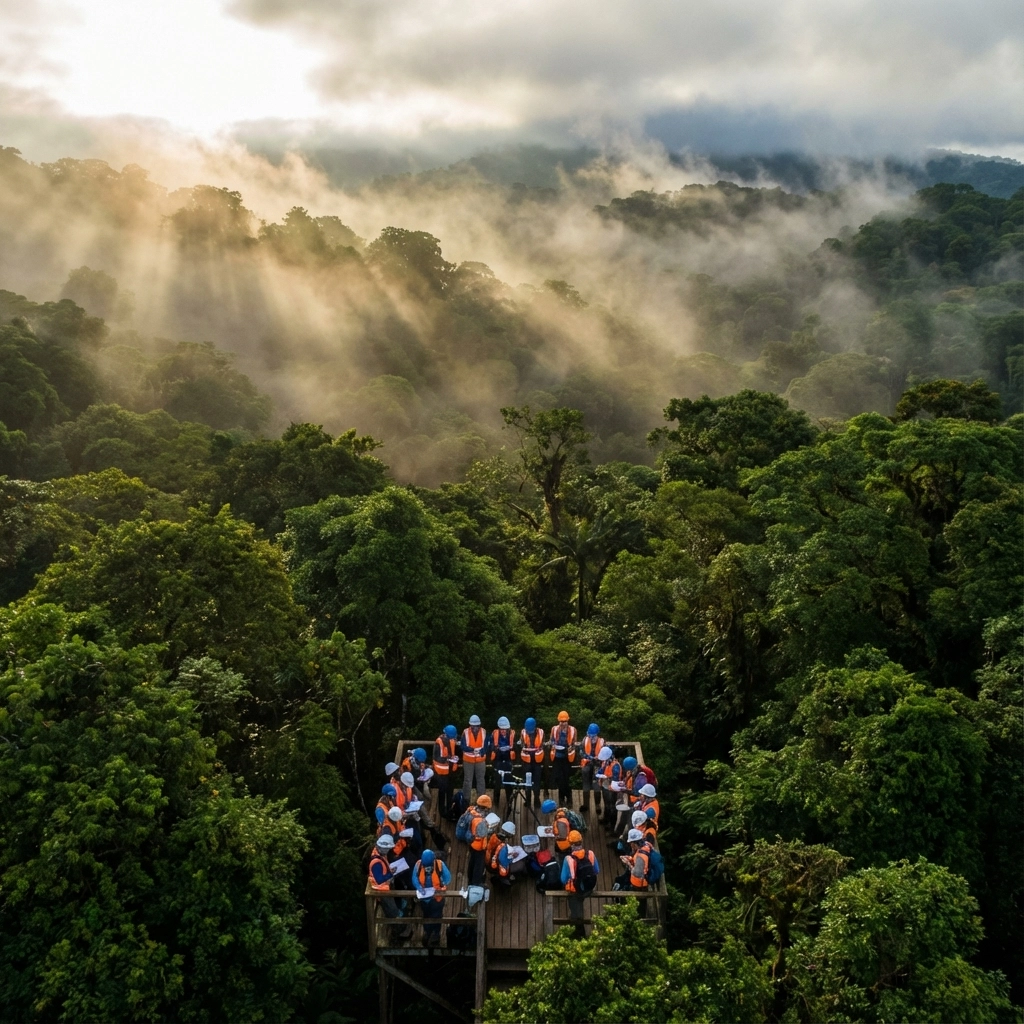
Essential Components of Effective Costa Rica Biodiversity Tours for Students
Pre-Trip Planning and Curriculum Integration
Begin by establishing clear learning objectives that align with your existing science curriculum. Effective student trips to Costa Rica require integration with classroom instruction occurring both before and after the expedition. Develop specific research questions that students will investigate during their field studies, ensuring these align with state science standards and college preparatory requirements.
Create detailed pre-trip assignments that familiarize students with Costa Rican ecosystems, target species, and research methodologies they will employ. This preparation phase should include:
Comprehensive species identification guides for target regions
Basic Spanish vocabulary related to scientific terminology
Research protocols and data collection procedures
Cultural awareness and safety protocols
Emergency contact information and communication procedures
Field Research Methodologies
Design structured data collection protocols that enable students to conduct meaningful scientific research while maintaining safety standards. Costa Rica wildlife trips for students should incorporate multiple research approaches:
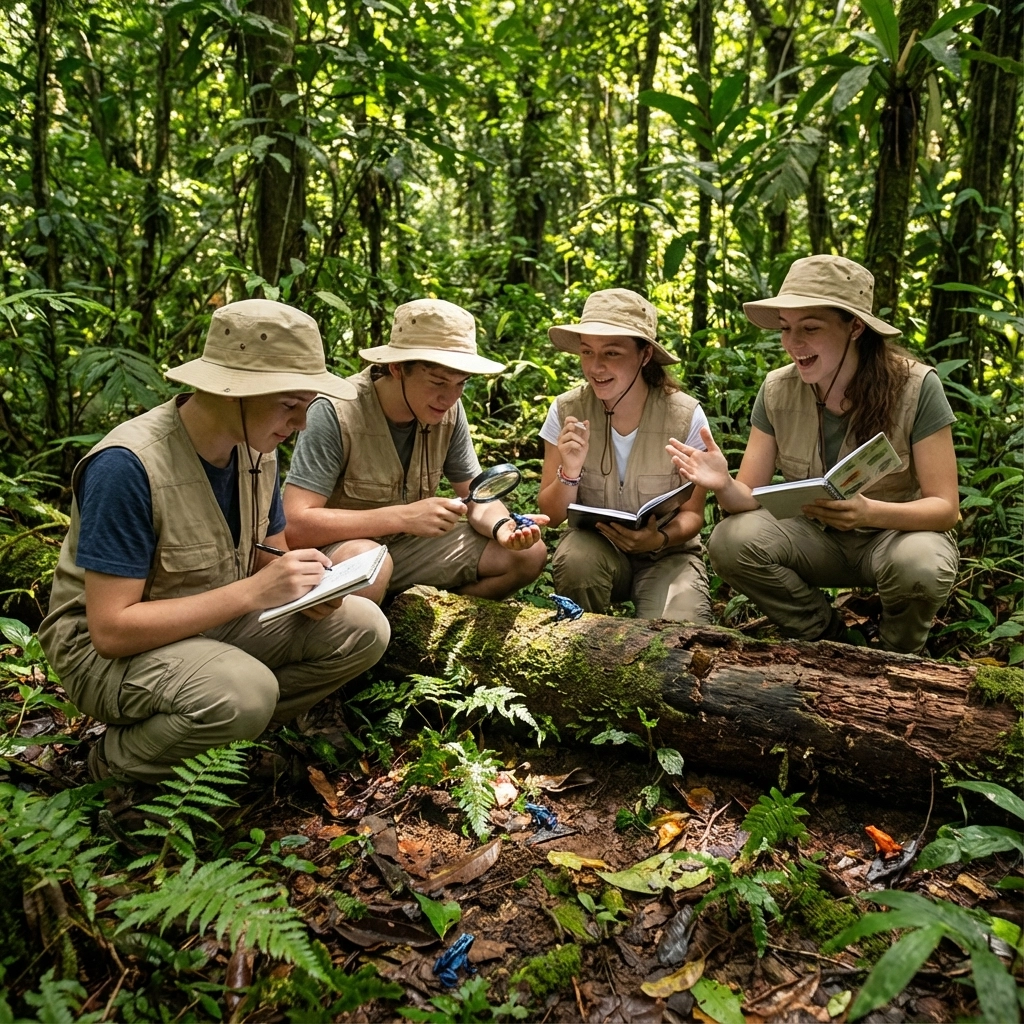
Biodiversity Assessment Techniques: Establish standardized observation protocols for documenting species diversity across different habitats. Students learn to use field guides, GPS devices, and digital photography for scientific documentation.
Behavioral Observation Studies: Implement systematic approaches to recording animal behaviors, teaching students proper field note techniques and objective observation methods.
Habitat Analysis: Conduct structured assessments of ecosystem characteristics, including vegetation surveys, water quality testing, and microclimate measurements.
Selecting Optimal Locations for High School Wildlife Programs Costa Rica
Cloud Forest Ecosystems
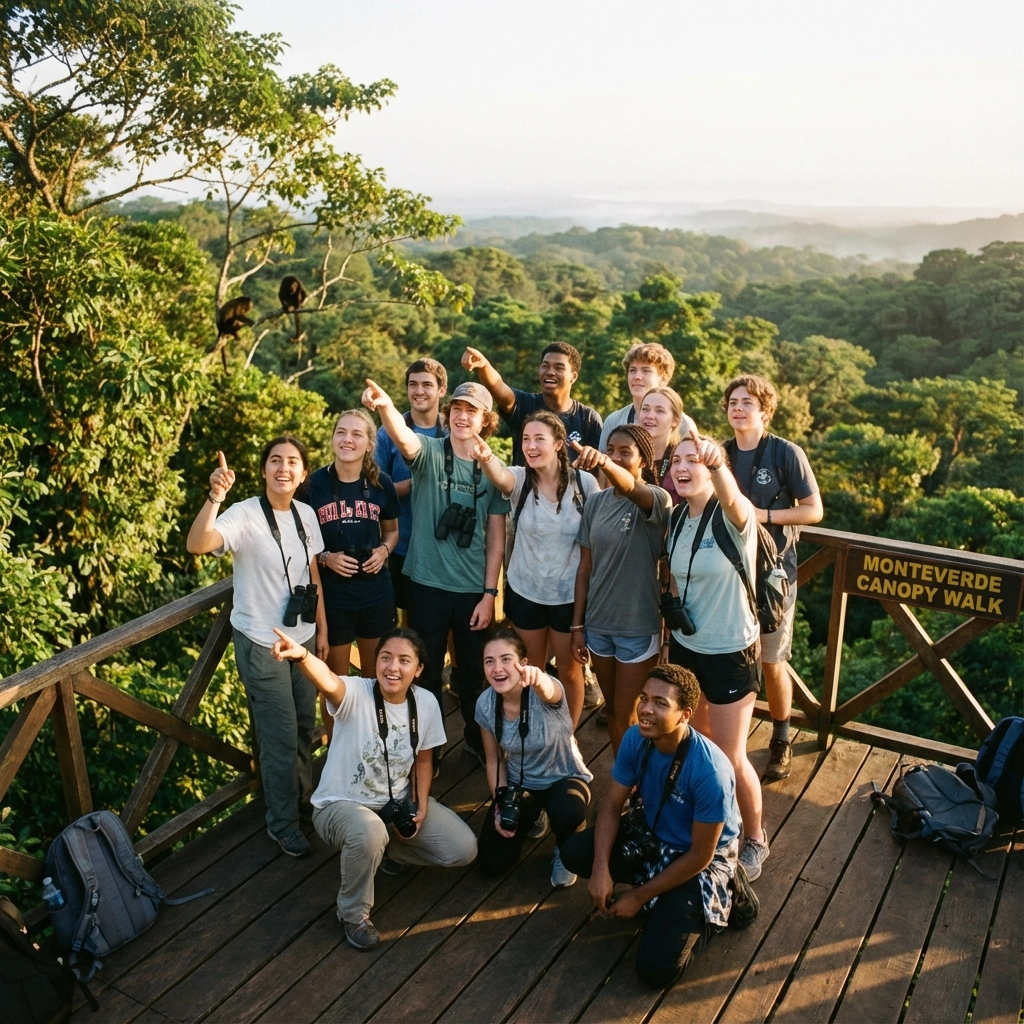
The Monteverde Cloud Forest Reserve represents an exceptional location for Costa Rica STEM trips for students, offering unique ecosystem characteristics and well-established research infrastructure. Students encounter endemic species found nowhere else on Earth while learning about elevation gradients and their effects on biodiversity.
Ensure your itinerary includes guided walks with certified naturalists who can demonstrate proper wildlife observation techniques. Schedule early morning and late afternoon excursions when wildlife activity peaks, maximizing student observation opportunities.
Lowland Rainforest Environments
Locations such as Manuel Antonio National Park and Corcovado National Park provide access to lowland tropical rainforest ecosystems with exceptional wildlife diversity. These environments offer students opportunities to study primary and secondary forest succession while observing primate behaviors and tropical bird ecology.
Plan research activities that emphasize the vertical stratification of rainforest ecosystems, from ground-level decomposer communities to canopy-dwelling epiphytes and arboreal mammals.
Marine and Coastal Ecosystems
Incorporate coastal locations that enable students to study marine biodiversity and turtle conservation efforts. Locations along the Pacific coast provide opportunities for tide pool investigations, coral reef studies, and sea turtle monitoring activities.
Safety Protocols and Risk Management for Educational Trips Costa Rica
Health and Safety Preparation
Establish comprehensive health screening procedures for all participants, ensuring students receive appropriate vaccinations and carry necessary medications. Create detailed emergency response plans that account for remote locations and potential communication challenges.
Require all participants to complete wilderness first aid training before departure. Designate certified trip leaders with advanced wilderness first aid certifications and establish clear protocols for medical emergencies.
Environmental Risk Assessment
Conduct thorough assessments of environmental hazards specific to planned research locations. These assessments should address:
Venomous snake and arthropod encounters
Stream crossing safety during field research
Weather-related risks including sudden precipitation
Navigation challenges in dense forest environments
Equipment failure contingency plans
Develop specific protocols for each identified risk category, ensuring all participants understand proper procedures and emergency responses.
Maximizing Learning Outcomes Through Structured Activities
Daily Research Protocols
Implement consistent daily routines that reinforce scientific methodologies while maintaining student engagement. Begin each day with objective setting and equipment distribution, followed by structured field observations and data collection periods.
Schedule regular data review sessions where students analyze their findings and discuss observations with peers. This collaborative approach reinforces learning while developing critical thinking skills essential for advanced science coursework.
Technology Integration
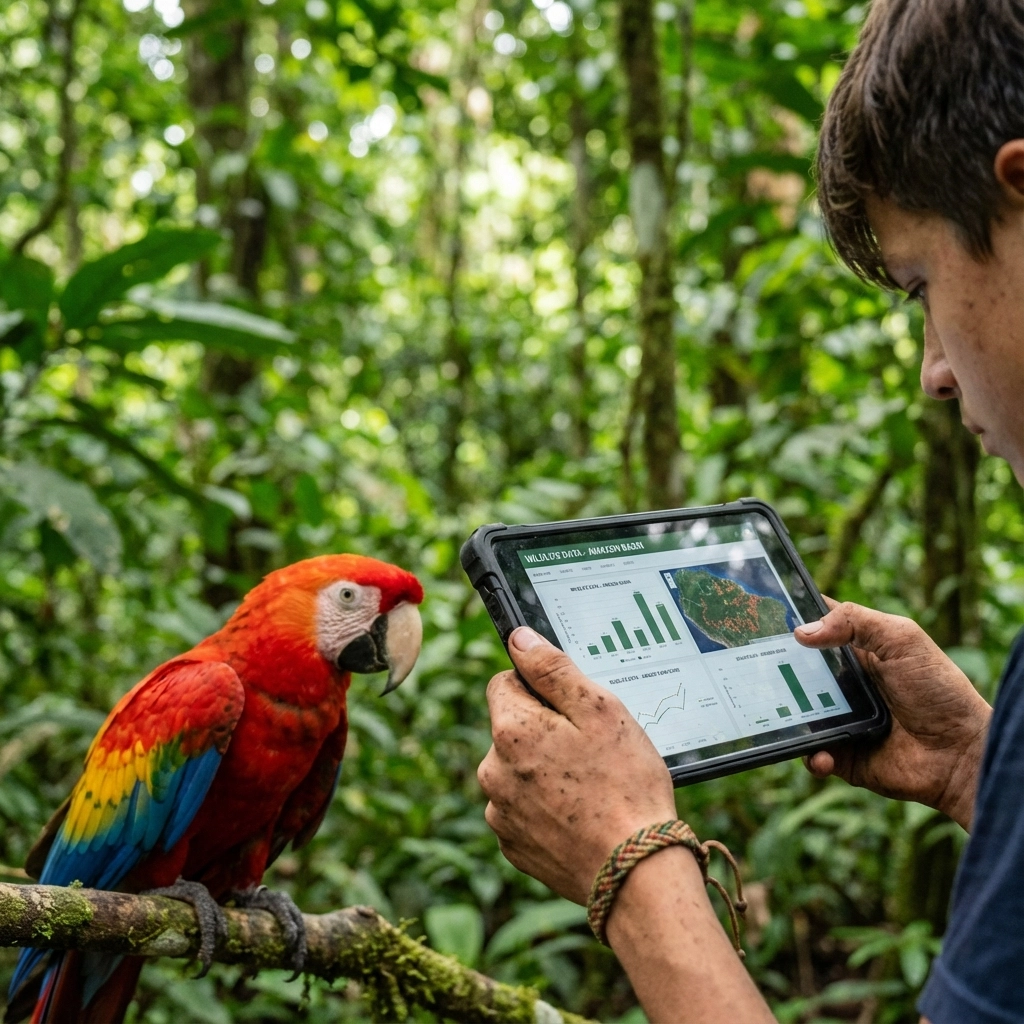
Incorporate appropriate technology tools that enhance learning without creating dependency on electronic devices. Utilize GPS devices for habitat mapping, digital cameras for species documentation, and tablet computers for field data entry when internet connectivity permits.
Establish clear guidelines for technology use that prioritize direct observation and hands-on experience over digital distractions. Ensure backup procedures for data collection in environments where electronic devices may fail.
Assessment and Documentation Strategies
Student Portfolio Development
Require students to maintain comprehensive field journals documenting daily observations, research findings, and personal reflections. These portfolios serve as authentic assessment tools while creating lasting records of student learning experiences.
Establish clear rubrics for portfolio evaluation that emphasize scientific accuracy, observation skills, and critical thinking development. Include requirements for species identification, behavioral observations, and ecosystem analysis.
Research Presentation Requirements
Design structured presentation formats that enable students to share their findings with school communities upon return. These presentations should demonstrate mastery of scientific concepts while highlighting the unique aspects of their Costa Rica field studies experience.
Encourage students to develop recommendations for conservation action based on their observations, connecting field research to real-world environmental challenges and potential solutions.
Partnership Opportunities and Professional Connections
Establish relationships with Costa Rican research institutions and conservation organizations that can enhance student learning experiences. Many facilities welcome educational groups and provide access to ongoing research projects where students can contribute meaningful data.
Consider partnerships with local universities that offer opportunities for students to interact with graduate researchers and faculty members conducting field studies. These connections often inspire students to pursue advanced study in environmental sciences and related STEM fields.
Long-Term Program Development and Sustainability
Alumni Engagement
Create systems for maintaining contact with program alumni who pursue STEM careers or environmental studies. These former participants often become valuable resources for current students while serving as testimonials for program effectiveness.
Develop mentorship programs connecting current students with alumni who have pursued related career paths, creating ongoing support networks that extend beyond the immediate trip experience.
Continuous Program Improvement
Implement systematic evaluation procedures that incorporate feedback from students, parents, and participating educators. Use this feedback to refine program components and enhance learning outcomes for future participants.
Document program successes and challenges to build institutional knowledge that supports long-term program sustainability and growth.
For educators interested in developing comprehensive STEM trip programs, Appleseed Expeditions provides specialized support for Costa Rica educational travel planning. Their expertise in coordinating complex multi-location itineraries ensures that your high school wildlife program achieves its educational objectives while maintaining the highest safety standards throughout the expedition experience.
Successful Costa Rica STEM trips for students require meticulous planning, clear educational objectives, and unwavering commitment to safety protocols. When properly implemented, these programs create transformative learning experiences that inspire lifelong interest in environmental sciences while developing critical thinking skills essential for academic and professional success.

Comments