


The Ultimate Guide to Costa Rica Wildlife Trips: Everything Teachers Need to Plan Student Field Studies in 2025
- Caleb Mullenix
- Dec 11, 2025
- 6 min read

Preparing your students for an educational trip Costa Rica requires comprehensive planning and meticulous attention to detail. Costa Rica stands as one of the world's premier destinations for student travel Costa Rica experiences, offering unparalleled biodiversity and conservation education opportunities that transform classroom learning into hands-on scientific discovery.
Ensuring the success and safety of your Costa Rica wildlife trip for students demands thorough preparation, clear communication with all stakeholders, and systematic implementation of educational objectives. This comprehensive guide provides educators with essential information needed to plan, execute, and maximize the learning potential of Costa Rica field studies for schools.
Understanding Costa Rica's Educational Travel Landscape
Costa Rica's commitment to conservation and sustainable development creates an exceptional environment for Costa Rica biodiversity tours for students. The country protects over 25% of its territory through national parks, wildlife refuges, and biological reserves, providing students with access to pristine ecosystems and active conservation projects.
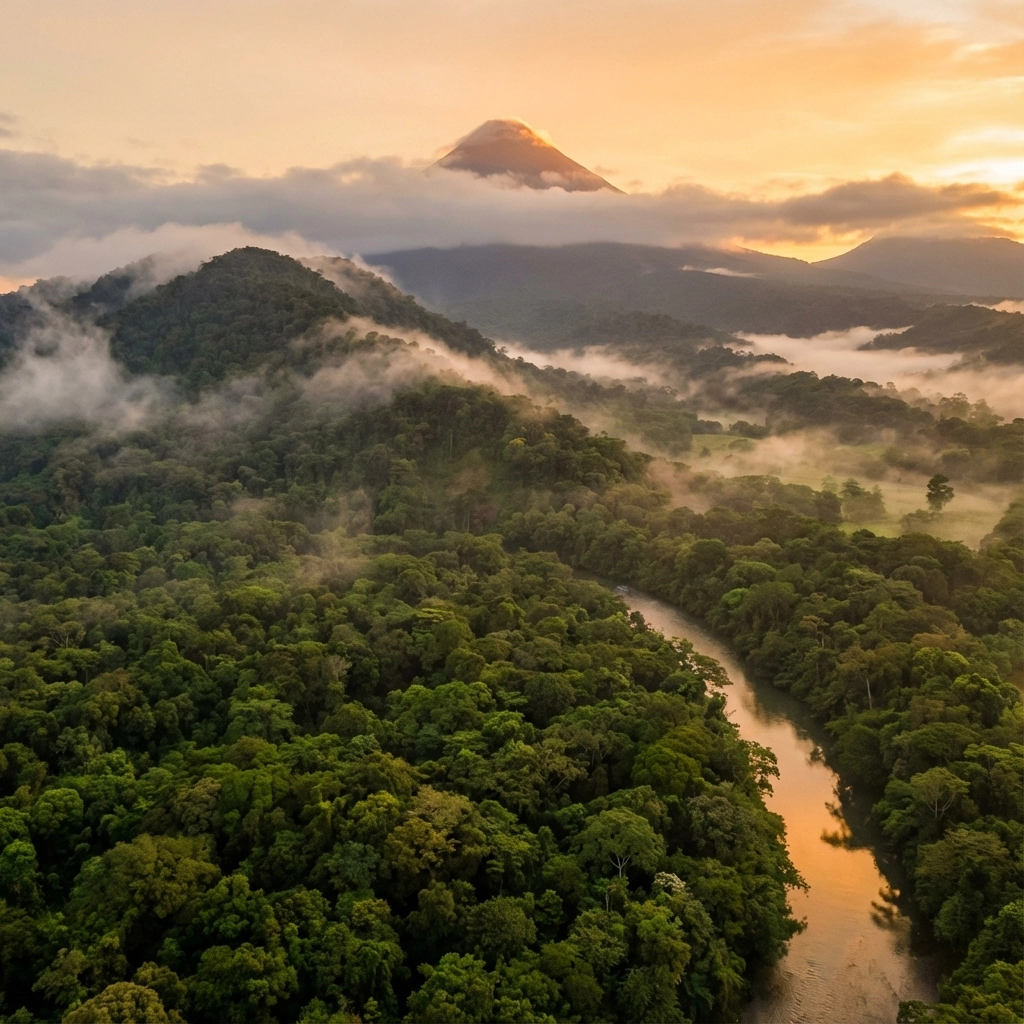
Begin by researching Costa Rica's diverse ecological zones, which range from cloud forests and volcanic landscapes to tropical dry forests and marine environments. Each region offers unique learning opportunities for high school wildlife programs Costa Rica, allowing students to observe distinct species assemblages and conservation strategies.
Consider the following key factors when planning your Costa Rica student group travel:
Seasonal variations: Dry season (December-April) provides optimal wildlife viewing conditions
Regional accessibility: Transportation infrastructure varies significantly between tourist areas and remote field stations
Program duration: Short-term programs (1-2 weeks) versus extended field studies (4-15 weeks)
Academic integration: Credit-bearing programs versus experiential learning opportunities
Selecting Appropriate Field Study Programs
Choose programs that align with your curriculum objectives and students' academic preparation levels. Costa Rica hands-on science learning opportunities span multiple disciplines, from wildlife rehabilitation and veterinary medicine to primatology and marine biology.
Evaluate programs based on these essential criteria:
Academic Rigor and Learning Outcomes
Examine program syllabi and learning objectives to ensure alignment with your educational goals for Costa Rica STEM trips for students. Quality programs should provide:
Structured field research methodologies
Species identification and ecological sampling techniques
Data collection and analysis training
Independent research project opportunities
Quantitative field methods instruction
Safety and Risk Management
Prioritize programs with comprehensive safety protocols and emergency response procedures. Ensure program providers maintain:
Certified field guides and medical personnel on-site
Established communication systems in remote locations
Detailed emergency evacuation plans
Comprehensive insurance coverage for international travel
Regular safety briefings and protocol updates
Conservation Impact and Community Engagement
Select programs that contribute meaningfully to conservation efforts while providing students with authentic service learning Costa Rica experiences. Quality programs should:
Partner with established conservation organizations
Support ongoing research and monitoring projects
Engage local communities in educational activities
Demonstrate measurable conservation outcomes
Provide students with skills applicable to future conservation work
Planning Your Costa Rica Student Conservation Project
Develop clear educational objectives that extend beyond simple wildlife observation. Structure your Costa Rica student conservation project to provide students with meaningful research experiences and practical conservation skills.
Create specific learning goals for each phase of your program:
Pre-Departure Preparation
Establish comprehensive preparation protocols that include:
Background research on Costa Rican ecosystems and species
Field safety training and emergency response procedures
Cultural sensitivity and respectful interaction guidelines
Scientific methodology and data collection techniques
Language preparation for basic Spanish communication
Field Experience Structure
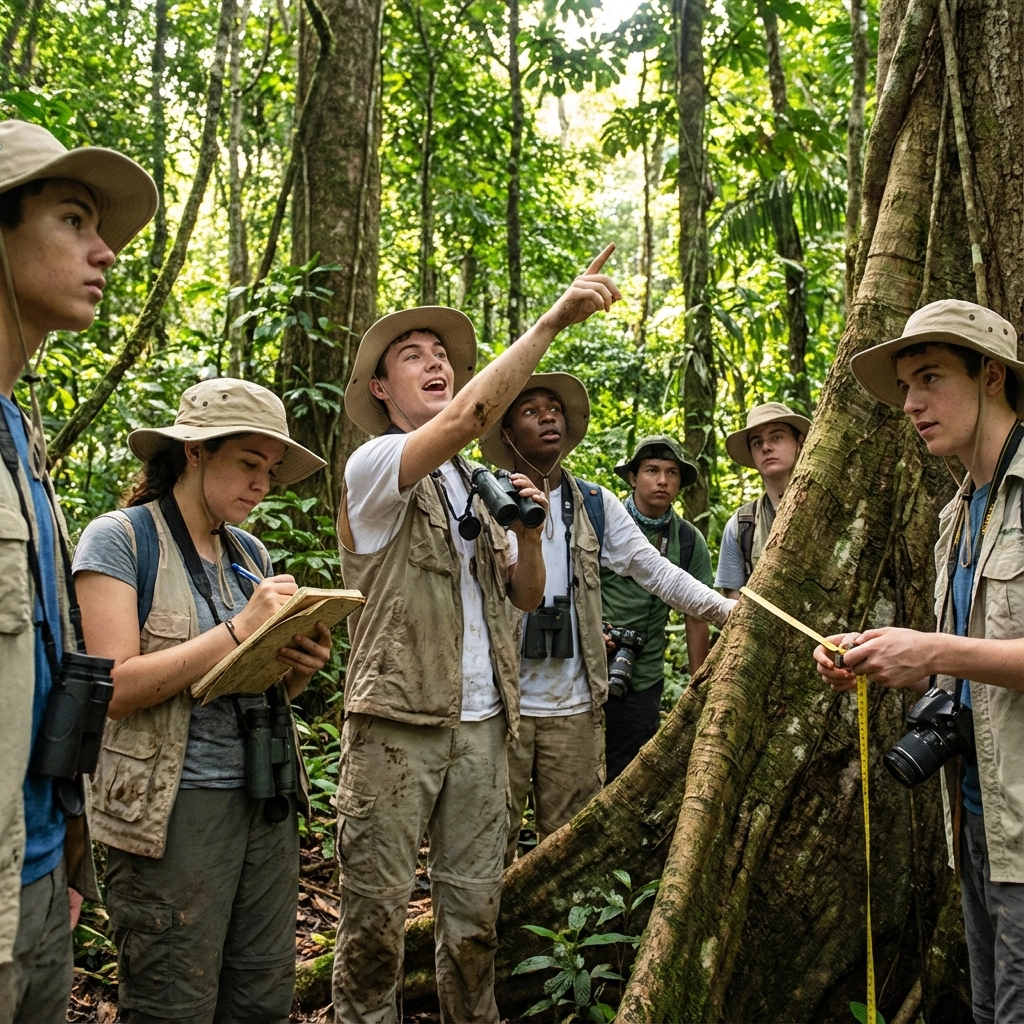
Organize your student rainforest exploration Costa Rica activities to maximize learning opportunities while maintaining safety standards:
Daily field observations: Systematic wildlife monitoring and habitat assessment
Research project development: Independent or group research initiatives
Conservation skill building: Hands-on training in field techniques
Community interaction: Structured engagement with local conservation professionals
Reflection and analysis: Regular processing of experiences and learning outcomes
Specialized Program Options for Different Academic Interests
Costa Rica offers diverse specialized programs tailored to specific academic disciplines and student interests. Evaluate these options to select the most appropriate fit for your group's educational objectives.
Marine Biology and Coastal Ecosystems
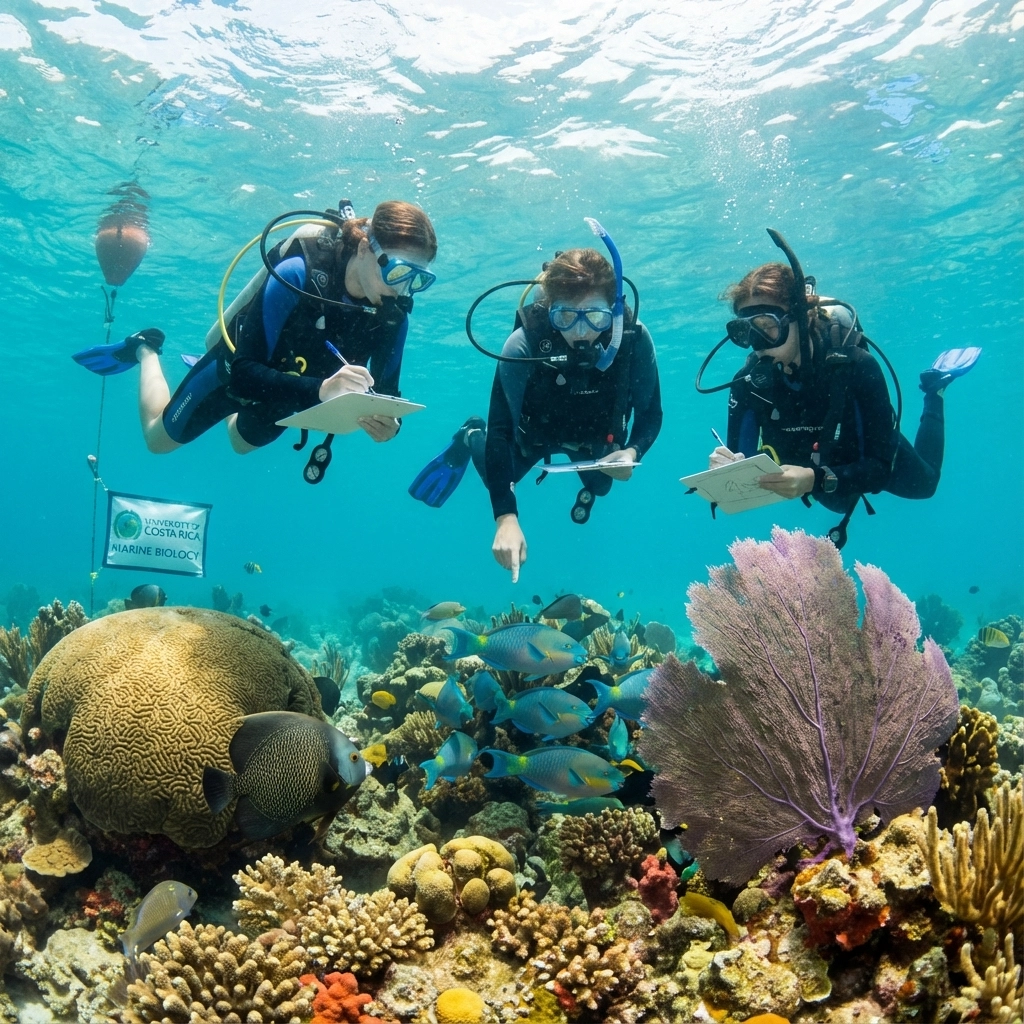
For students interested in Costa Rica marine biology student trip experiences, coastal regions provide exceptional learning opportunities. Programs typically include:
Snorkeling and underwater observation techniques
Marine species identification and behavior studies
Coral reef ecosystem analysis and conservation challenges
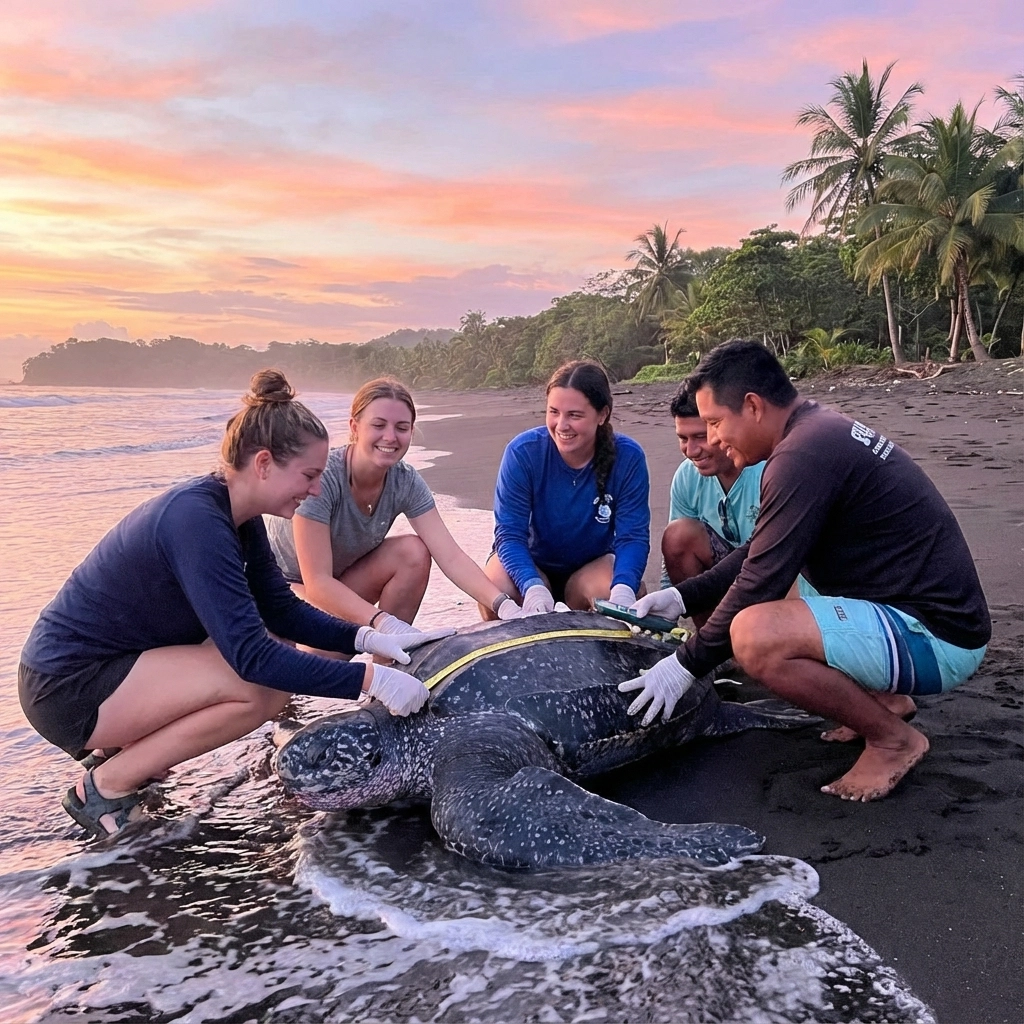
Sea turtle monitoring and protection projects
Mangrove ecosystem exploration and restoration activities
Veterinary Medicine and Wildlife Rehabilitation
Immersive student wildlife experiences Costa Rica in veterinary contexts provide students with exposure to wildlife medicine practices and conservation veterinary techniques:
Clinical rotations at wildlife rehabilitation centers
Hands-on experience with injured and orphaned wildlife
Surgical observation and basic medical procedures
Disease prevention and quarantine protocols
Release preparation and post-release monitoring
Primate Behavior and Research Methods
Advanced programs focus on behavioral ecology and research methodology through primate studies:
Systematic behavioral observation techniques
GPS tracking and mapping of primate territories
Social structure analysis and communication studies
Human-wildlife conflict assessment and mitigation
Independent research project design and implementation
Integrating Service Learning and Community Engagement
Structure your program to include meaningful Costa Rica school volunteering opportunities that benefit local communities while enhancing student learning experiences. Effective service learning components should:
Connect directly to conservation objectives and community needs identified by local partners. Avoid superficial volunteer tourism activities that provide minimal benefit to communities or conservation efforts.
Provide students with skills training necessary to contribute meaningfully to ongoing projects. Ensure volunteer activities match student capabilities and available time commitments.
Create opportunities for cultural exchange and mutual learning between students and community members. Structure interactions to promote respect, understanding, and long-term relationship building.
Maximizing Educational Value Through Structured Activities
Transform your Costa Rica science class field trip into comprehensive learning experiences through systematic activity design and implementation.
Daily Learning Protocols
Establish consistent daily routines that reinforce educational objectives:
Morning briefings: Review daily objectives, safety protocols, and learning goals
Structured observation periods: Systematic wildlife monitoring with data collection
Guided exploration: Expert-led ecosystem tours with species identification
Independent research time: Student-directed investigation and data gathering
Evening reflection sessions: Processing experiences and connecting to classroom learning
Assessment and Documentation
Create comprehensive assessment strategies that capture student learning and program effectiveness:
Field journals: Daily observation records and reflection entries
Research presentations: Student-led sharing of independent project findings
Species identification assessments: Practical testing of field identification skills
Conservation project proposals: Development of realistic conservation initiatives
Cultural interaction reflections: Processing cross-cultural learning experiences
Addressing Cultural Exchange and Global Citizenship
Incorporate Costa Rica cultural exchange for students elements that develop global awareness and cross-cultural competence alongside scientific learning objectives.
Structure cultural learning components to:
Engage students with indigenous communities and traditional ecological knowledge
Explore connections between cultural practices and conservation strategies
Examine different approaches to human-wildlife coexistence
Investigate ecotourism impacts on local communities and ecosystems
Develop appreciation for diverse perspectives on conservation challenges
Practical Logistics and Safety Considerations
Ensure comprehensive preparation for all logistical aspects of your Costa Rica ecology trip for student groups. Address these essential components systematically:
Health and Safety Protocols
Establish thorough health and safety procedures that address:
Required vaccinations and health clearances
Prescription medication management in field conditions
Emergency medical evacuation insurance coverage
Communication protocols for remote locations
Weather-related safety procedures and contingency plans
Travel Documentation and Compliance
Verify all required documentation and legal compliance requirements:
Current passport validity for all participants
Visa requirements and entry/exit procedures
Educational travel permits and institutional authorizations
Insurance coverage verification and documentation
Emergency contact information and medical history records
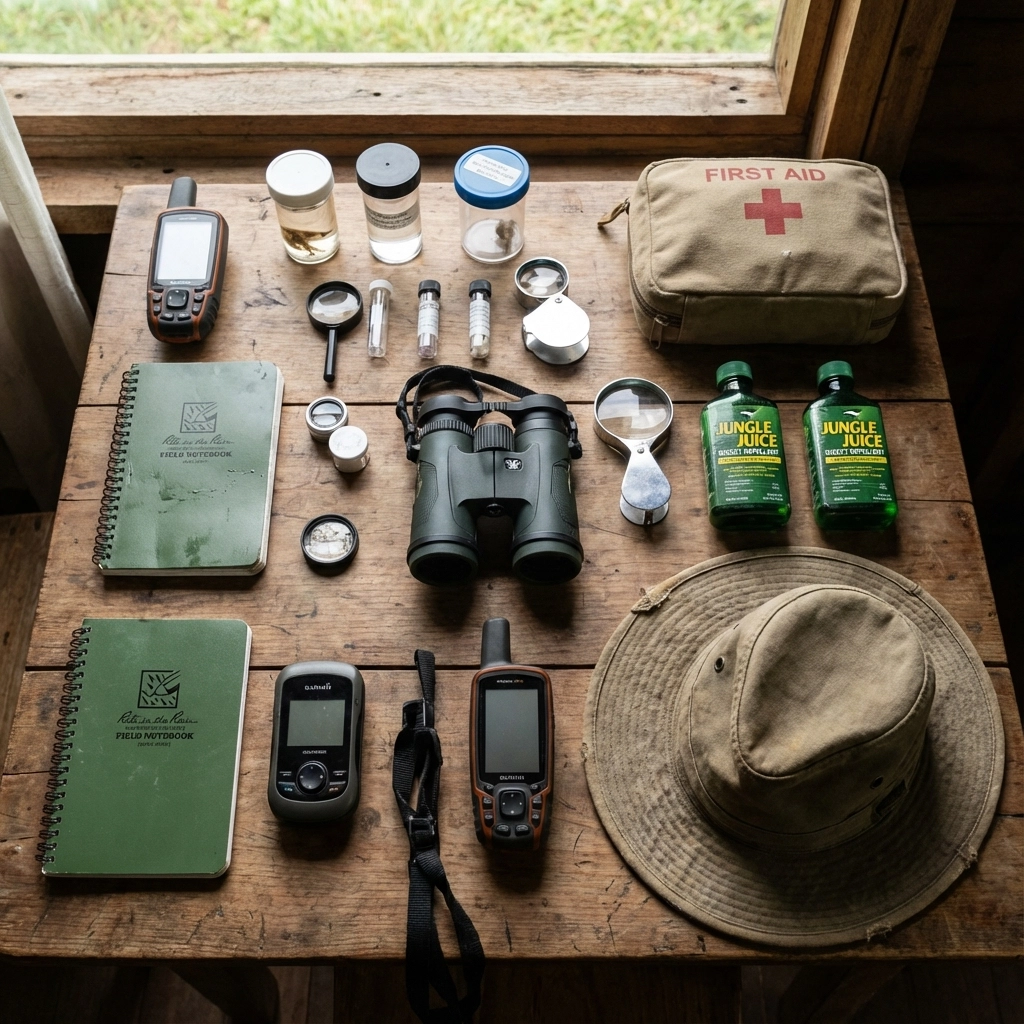
Equipment and Preparation
Coordinate comprehensive equipment preparation and distribution:
Field research equipment and scientific instruments
Personal protective equipment and safety gear
Weather-appropriate clothing and gear recommendations
Camera and documentation equipment for research purposes
Emergency supplies and first aid equipment
Building Long-term Educational Partnerships
Establish sustainable partnerships with Costa Rican educational and conservation organizations to create ongoing learning opportunities and support continued engagement beyond initial trips.
Develop relationships with:
Local universities and research institutions
Established conservation organizations and field stations
Indigenous communities and traditional knowledge holders
Government agencies and protected area managers
International conservation networks and research collaboratives
Conclusion
Planning successful student trip to Costa Rica experiences requires comprehensive preparation, clear educational objectives, and systematic attention to safety and learning outcomes. By following structured planning protocols and selecting appropriate programs aligned with your curriculum goals, you can provide students with transformative learning experiences that inspire lifelong engagement with conservation and scientific inquiry.
Remember that effective educational travel extends far beyond simple exposure to new environments. Create programs that challenge students intellectually, develop practical skills, and foster global citizenship while maintaining the highest standards of safety and educational excellence.
For educators seeking expert guidance in developing comprehensive student travel programs, Appleseed Expeditions provides specialized support for educational travel planning and implementation, ensuring your students receive maximum educational benefit from their international learning experiences.
Comments