


What Makes Costa Rica's Grand Canyon Spiritual? Wildlife, Culture, and Natural Wonders

Costa Rica may not have the famous Grand Canyon, but its network of river canyons, volcanic gorges, and cloud forest ravines creates equally profound spiritual experiences for student travelers. From the misty depths of Monteverde's cloud forests to the sacred river valleys of indigenous communities, Costa Rica's canyon-like formations offer transformative encounters with biodiversity that can fundamentally shift how students understand their place in the natural world.
The Sacred Geography of Costa Rica's River Canyons
Costa Rica's most spiritually significant canyon experiences emerge from its extensive river systems carving through ancient volcanic landscapes. The Rio Celeste canyon in Tenorio Volcano National Park presents students with otherworldly turquoise waters flowing through dramatic rock formations, while the Pacuare River gorge offers intimate encounters with primary rainforest ecosystems from a unique vantage point.
These natural corridors serve as wildlife highways, concentrating biodiversity in ways that create profound learning opportunities. Students observing from canyon overlooks can witness the interconnected web of life as birds, mammals, and insects move between forest canopy levels, revealing ecological relationships impossible to observe from ground level alone.
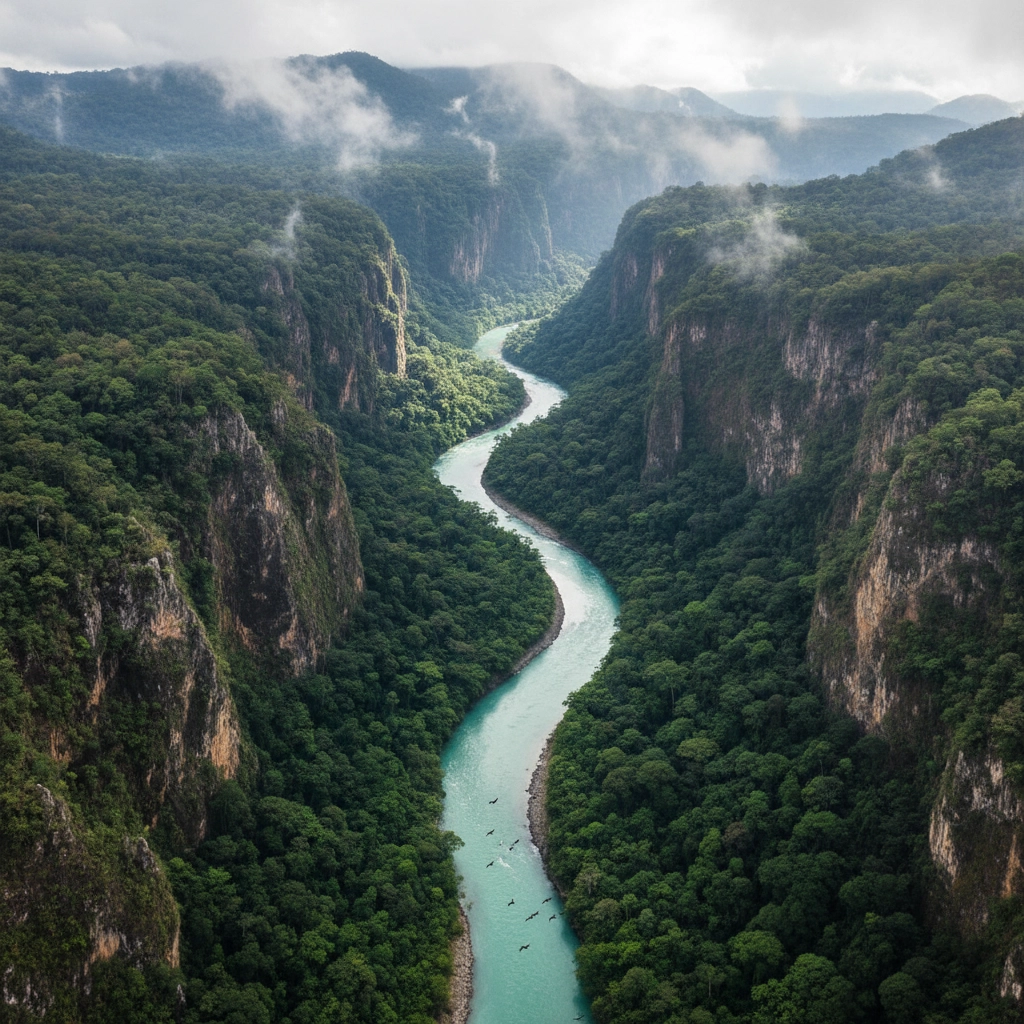
Indigenous communities, particularly the Bribri and Cabécar peoples, consider many of these river canyons sacred spaces where spiritual energy flows most powerfully. Their traditional ecological knowledge provides students with perspectives on conservation that extend far beyond Western scientific approaches, incorporating spiritual responsibility for protecting these natural cathedrals.
Biodiversity Hotspots: Where Canyon Ecosystems Create Spiritual Encounters
Costa Rica's canyon environments concentrate extraordinary biodiversity within relatively small areas, creating what educators describe as "spiritual intensity" through overwhelming natural abundance. The vertical structure of canyon walls provides multiple microhabitats within walking distance, allowing students to observe dramatic ecological transitions that would typically require traveling hundreds of miles.
Avian Diversity in Canyon Environments
Canyon ecosystems in Costa Rica support over 400 bird species, from tiny hummingbirds navigating narrow gorges to magnificent harpy eagles soaring between canyon walls. Students frequently describe hearing the dawn chorus reverberating through canyon acoustics as a transformative spiritual experience, understanding viscerally how sound travels through natural amphitheaters.
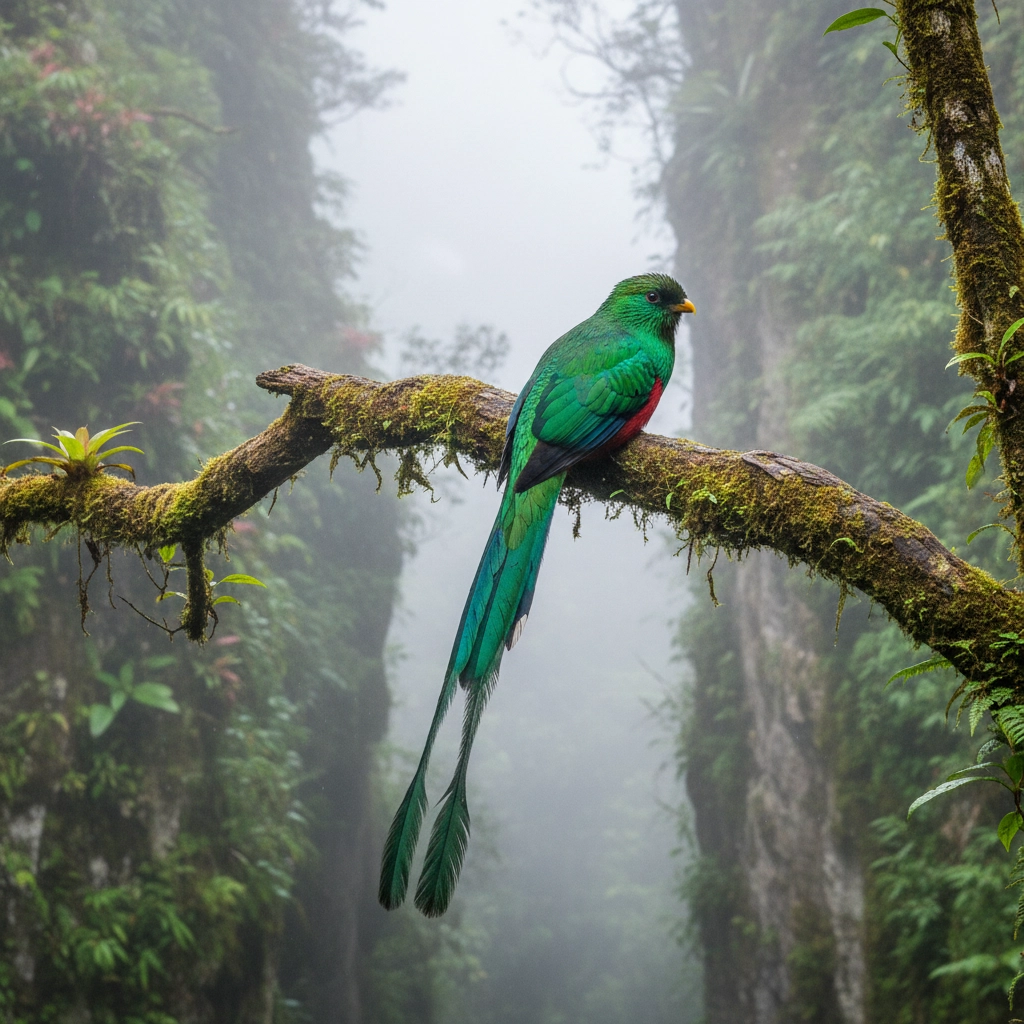
The endangered resplendent quetzal, considered sacred by pre-Columbian civilizations, still nests in cloud forest canyons throughout the central mountains. Witnessing these emerald birds navigating misty canyon environments connects students directly to indigenous spiritual traditions while providing unforgettable wildlife encounters.
Insect Kingdoms in Canyon Microclimates
Canyon floors and walls create specialized microclimates supporting extraordinary insect diversity. Students discover that a single fallen log in a canyon bottom can harbor more beetle species than entire states in temperate regions. This overwhelming abundance of life forms often triggers what educators call "biodiversity revelation" – the sudden understanding that most life on Earth remains unknown to science.
Leaf-cutter ant highways traversing canyon slopes demonstrate ecosystem engineering on scales that humble human construction projects. Students following these insect superhighways gain appreciation for the complex social organizations and ecological relationships that sustain tropical ecosystems.
Cultural Significance: Indigenous Perspectives on Sacred Canyons
Understanding what makes Costa Rica's canyon experiences truly spiritual requires engaging with indigenous worldviews that recognize natural formations as living entities deserving respect and protection. The Bribri people's creation stories specifically reference river canyons as places where Sibù, their creator god, shaped the landscape and established sacred relationships between humans and nature.
Traditional Ecological Knowledge in Canyon Conservation
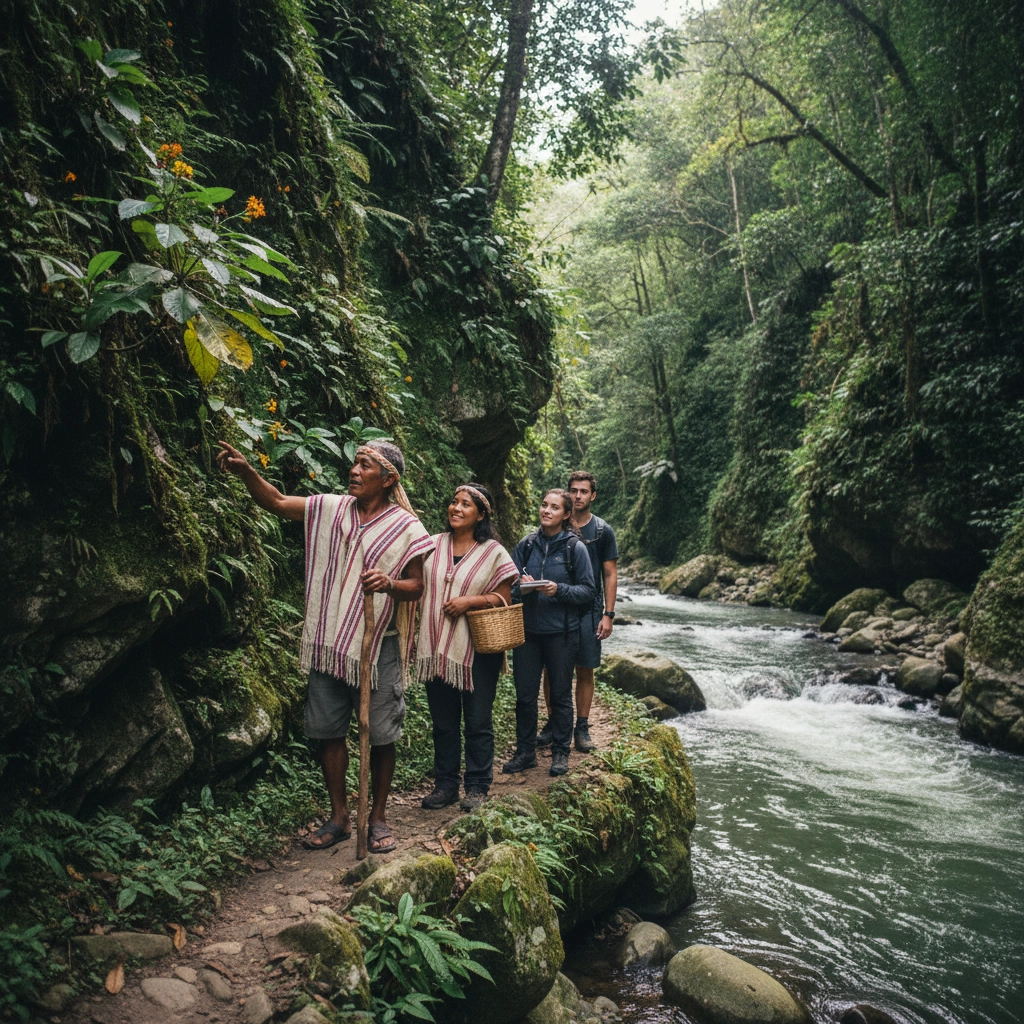
Indigenous guides share traditional ecological knowledge demonstrating how canyon ecosystems function as integrated systems rather than collections of individual species. Students learn to recognize medicinal plants growing in canyon environments, understand seasonal migration patterns of wildlife, and appreciate water ceremony traditions connecting human communities to river systems.
These cultural perspectives transform student understanding of conservation from abstract environmental concepts to personal spiritual responsibility. Many participants describe these encounters as life-changing moments that influence their career choices and personal environmental commitments.
Sacred Sites and Student Respect Protocols
Preparing students for respectful engagement with sacred canyon sites requires comprehensive cultural education before departure. Students must understand appropriate behavior in sacred spaces, including restrictions on photography, noise levels, and physical interaction with ceremonial sites.
Appleseed Expeditions provides detailed cultural briefings ensuring student groups approach indigenous communities with appropriate respect and understanding. This preparation transforms potentially exploitative tourism experiences into genuine cultural exchange opportunities that benefit both student learning and indigenous communities.
Wildlife Corridors: Canyon Systems as Biological Superhighways
Costa Rica's canyon networks function as critical wildlife corridors connecting fragmented forest ecosystems across the country. Students observing these natural highways gain understanding of landscape-scale conservation concepts while witnessing spectacular wildlife migrations and daily movement patterns.
Mammal Migrations Through Canyon Systems
Large mammals including jaguars, tapirs, and white-lipped peccaries utilize canyon systems as protected travel routes between national parks and protected areas. Camera trap footage reveals nocturnal wildlife activity invisible during daylight hours, providing students with evidence of ecosystem connectivity requirements for apex predator conservation.
Howler monkey troops demonstrate daily territory patrol behaviors along canyon edges, their vocalizations carrying for miles through natural acoustics. Students tracking these movements gain appreciation for the spatial requirements of tropical wildlife while experiencing the powerful emotional impact of primate communication systems.
Reptile and Amphibian Diversity in Canyon Habitats
Canyon environments support exceptional reptile and amphibian diversity, including numerous endemic species found nowhere else on Earth. Students discover that elevation gradients within single canyon systems support distinctly different herpetofauna communities, providing living laboratories for understanding speciation and adaptive radiation concepts.
Poison dart frogs inhabiting canyon bromeliad gardens demonstrate extraordinary parental care behaviors, with students observing tadpole transportation and feeding rituals that challenge assumptions about amphibian intelligence and social complexity.

Spiritual Transformation Through Immersive Nature Connection
Student testimonials consistently describe canyon experiences in Costa Rica as spiritually transformative, citing the overwhelming sensory intensity of biodiversity-rich environments as catalysts for fundamental worldview shifts. The combination of acoustic richness, visual complexity, and ecological interconnectedness creates what researchers term "nature immersion syndrome" – profound emotional and spiritual responses to natural environments.
Mindfulness and Meditation in Natural Cathedrals
Canyon acoustics create ideal conditions for mindfulness practices and meditation activities. The natural sound dampening of canyon walls, combined with constant flowing water, provides acoustic environments conducive to contemplative practices and stress reduction.
Students report that meditation sessions in canyon environments produce deeper relaxation and more profound insights than similar practices in classroom or urban settings. These experiences often initiate long-term mindfulness practices and increased environmental awareness extending well beyond the trip duration.
Overcoming Technology Addiction Through Nature Immersion
Extended periods in canyon environments naturally reduce student dependence on electronic devices and social media platforms. The combination of limited connectivity and overwhelming natural stimulation creates opportunities for students to rediscover attention spans and appreciation for immediate sensory experiences.
Many participants describe these digital detox experiences as revelatory, recognizing for the first time their psychological dependence on constant electronic stimulation and discovering renewed capacity for sustained attention and deep observation.

Educational Applications: Transforming Classroom Learning
Canyon-based educational experiences in Costa Rica provide unparalleled opportunities for interdisciplinary learning connecting geology, biology, anthropology, and environmental science concepts through direct observation and hands-on investigation.
Students measuring water flow rates, documenting species diversity, and mapping geological formations gain practical research skills while contributing to ongoing scientific monitoring programs. These authentic research experiences demonstrate how scientific knowledge develops through systematic observation and data collection.
Service Learning Opportunities in Canyon Conservation
Many canyon systems in Costa Rica face threats from deforestation, agricultural expansion, and climate change impacts. Student groups can participate in reforestation projects, water quality monitoring, and wildlife research programs that provide meaningful service learning opportunities while addressing real conservation challenges.
These service projects connect students emotionally to conservation outcomes while providing practical experience with habitat restoration techniques and community engagement strategies. Participants frequently maintain long-term involvement with conservation organizations after returning home.
Appleseed Expeditions specializes in creating transformative educational experiences that connect students with Costa Rica's most spiritually significant natural environments. Our carefully designed programs combine rigorous scientific education with cultural immersion and conservation service, ensuring that student participants develop both intellectual understanding and emotional connection to tropical ecosystems. Through partnerships with indigenous communities and conservation organizations, we provide authentic learning opportunities that benefit both student education and local communities while fostering the next generation of environmental leaders.

Comments