top of page


Search
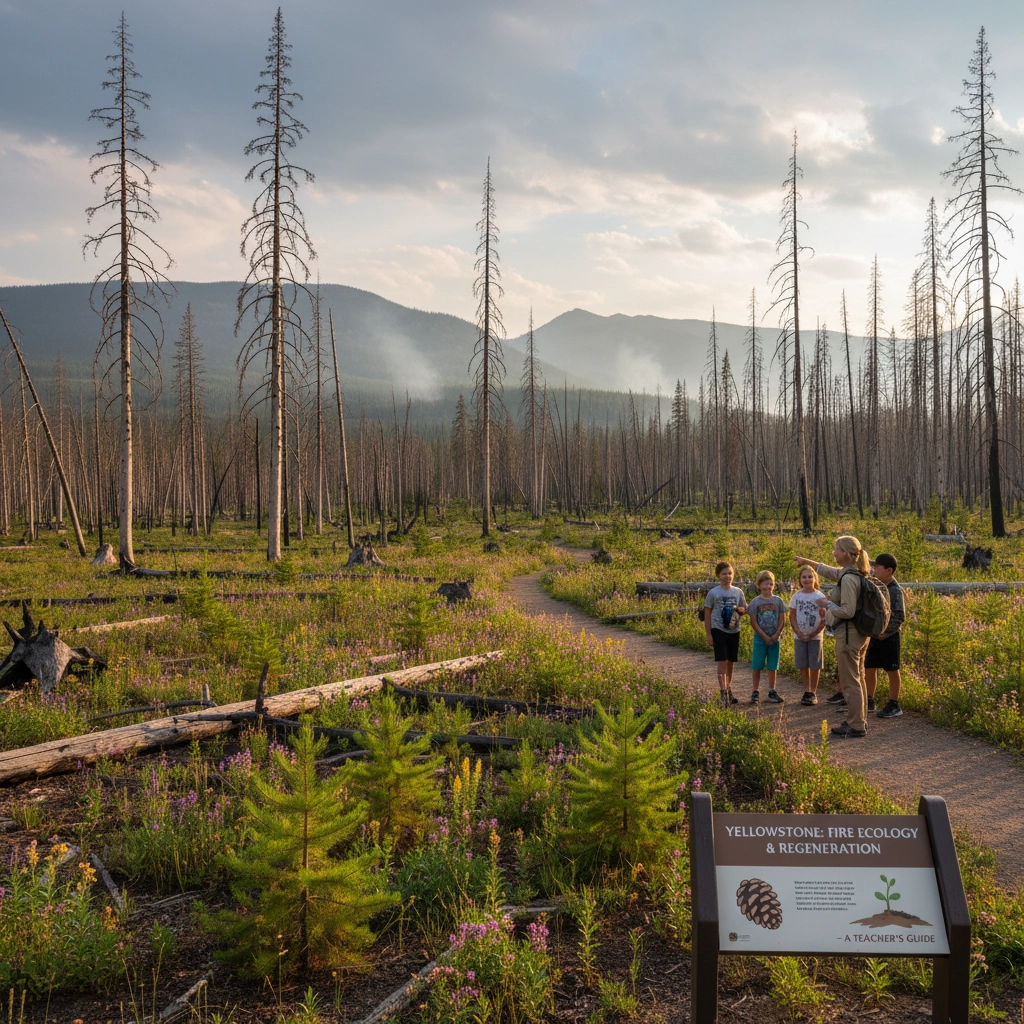
Forest Fires and Yellowstone: A Teacher's Guide to Fire Ecology and Regeneration
Preparing your students for a meaningful educational experience in Yellowstone National Park requires comprehensive understanding of one of nature's most powerful forces: fire. Understanding fire ecology is essential for any educator planning to lead students through America's first national park, where fire has shaped landscapes for thousands of years and continues to play a crucial role in ecosystem health and regeneration. The Foundation: Understanding Fire as a Natural P

Caleb Mullenix
Oct 21, 20255 min read
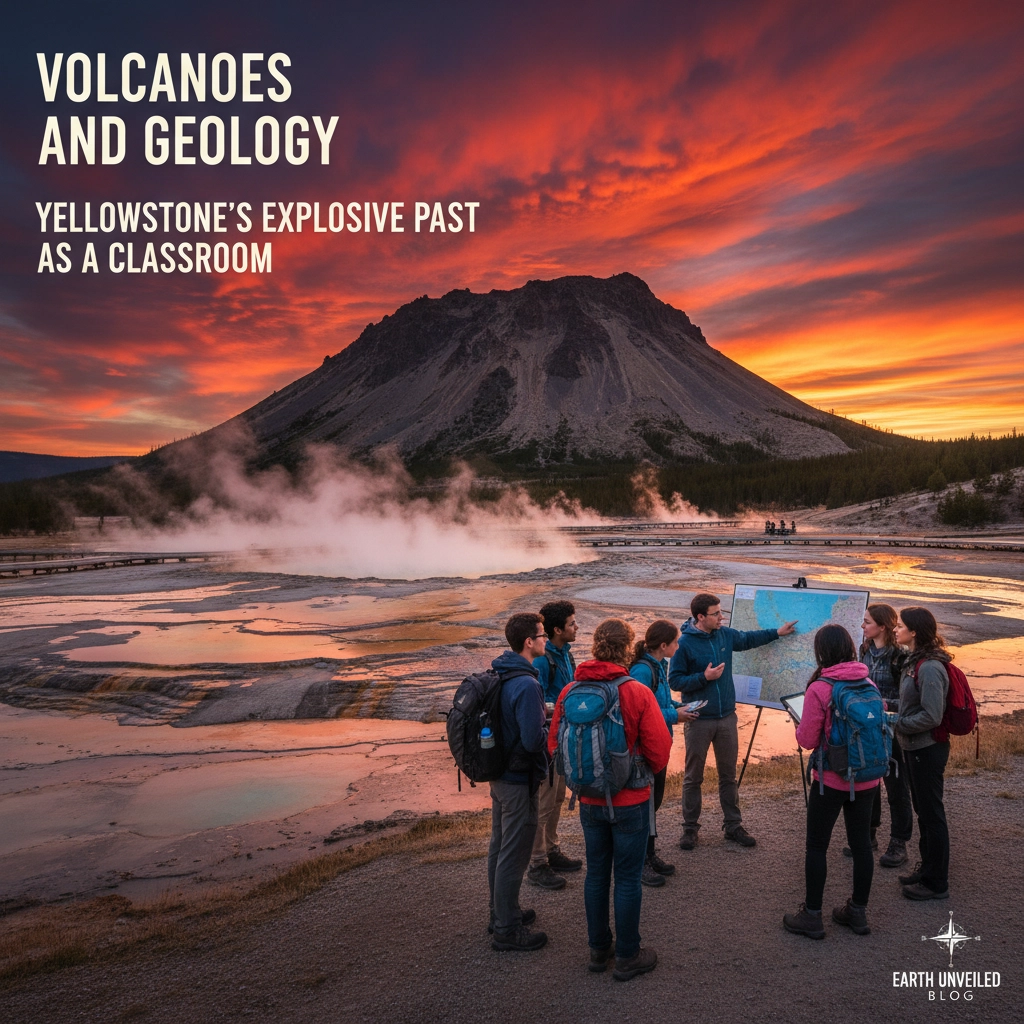
Volcanoes and Geology: Yellowstone's Explosive Past as a Classroom
Preparing your students for a Yellowstone expedition involves understanding one of Earth's most dynamic geological laboratories. Yellowstone National Park sits atop a supervolcano that has shaped continental landscapes for millions of years, offering unparalleled opportunities for hands-on earth science education. Ensuring your students grasp the magnitude and significance of Yellowstone's geological processes will transform their understanding of how our planet functions. U
Caleb Mullenix
Oct 21, 20255 min read
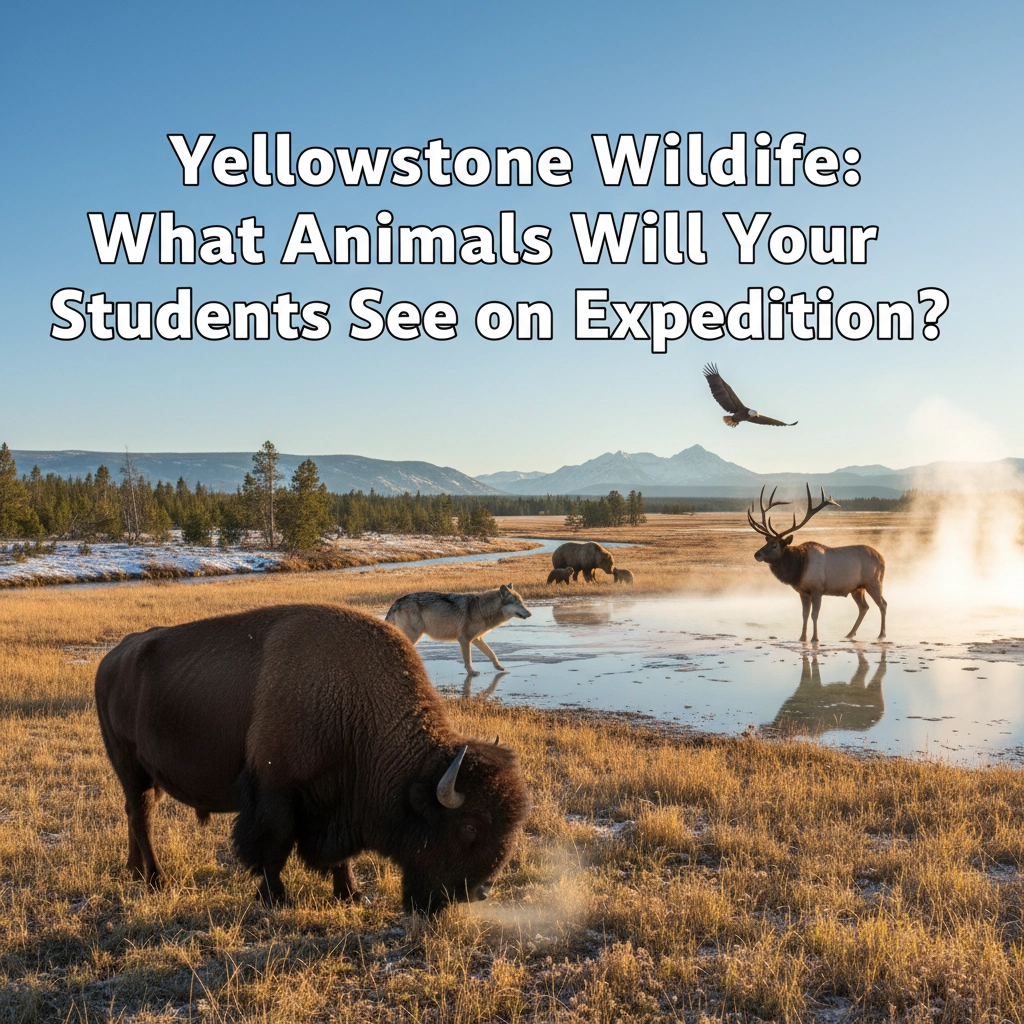
Yellowstone Wildlife: What Animals Will Your Students See on Expedition?
Preparing your students for a Yellowstone expedition requires comprehensive curriculum development that transforms wildlife encounters into meaningful educational experiences. Understanding which animals your students will likely observe: and how to structure learning around these encounters: forms the foundation of a successful educational trip that maximizes both safety and scientific discovery. Essential Pre-Trip Curriculum Development Begin by establishing clear learnin
Caleb Mullenix
Oct 21, 20255 min read
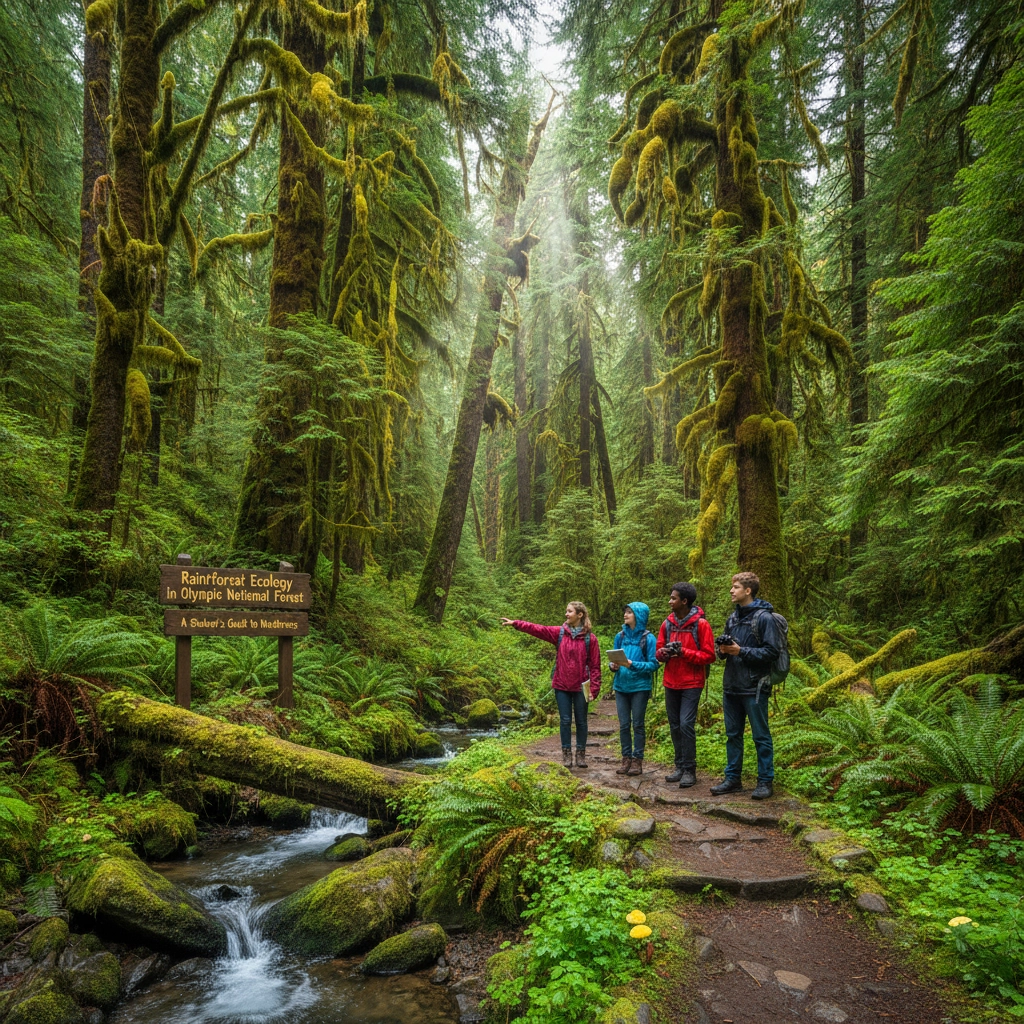
Rainforest Ecology in Olympic National Forest: A Student's Guide to Northern Wilderness
Preparing students for meaningful field research in the Pacific Northwest's temperate rainforests requires understanding the complex ecological systems that define Olympic National Forest and its surrounding wilderness areas. These ancient ecosystems offer unparalleled opportunities for hands-on learning in rainforest ecology, wildlife biology, and conservation science. Understanding Olympic's Temperate Rainforest Ecosystem Olympic National Park contains some of North Ameri
Caleb Mullenix
Oct 21, 20255 min read
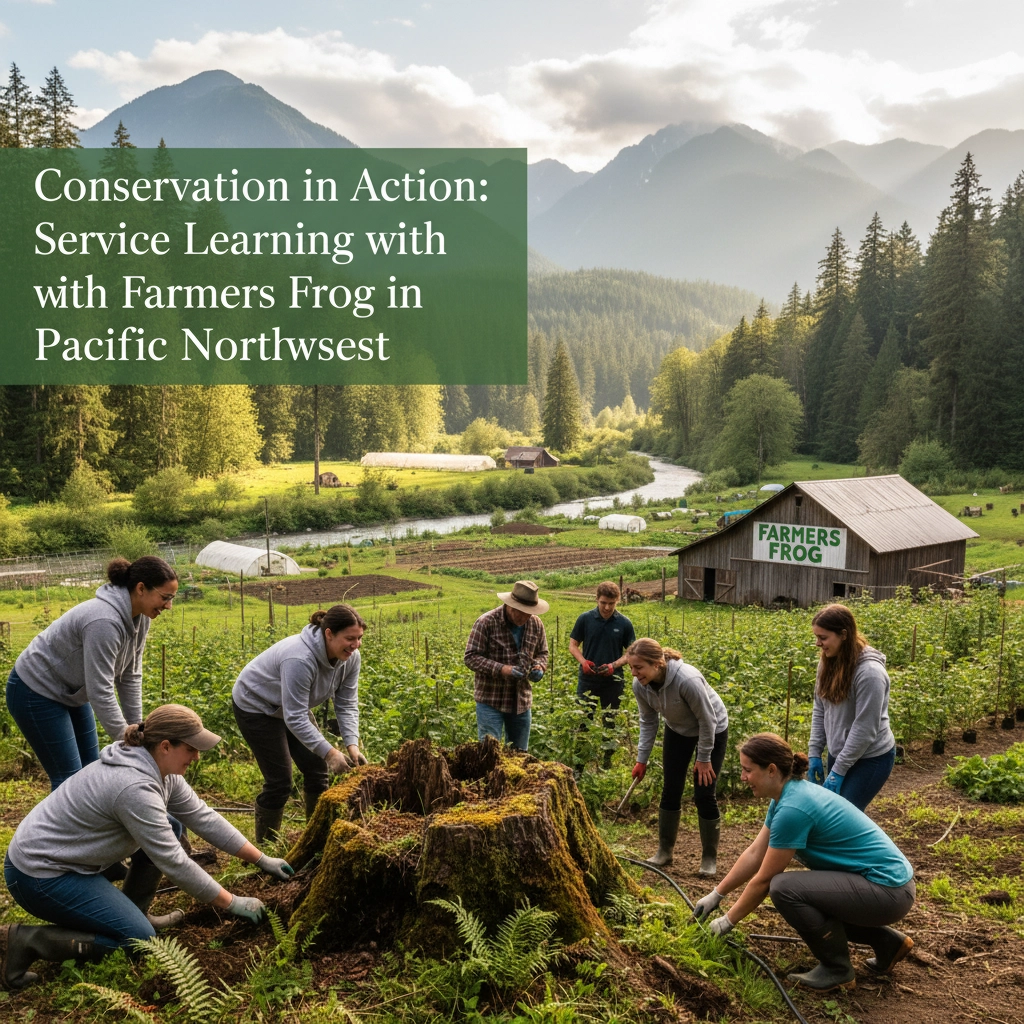
Conservation in Action: Service Learning with Farmer Frog in the Pacific Northwest
Preparing students for meaningful conservation service learning in the Pacific Northwest requires strategic planning that connects agricultural education with broader ecological understanding. Farmer Frog, a nonprofit agriculture education program based in Snohomish, Washington, provides an exceptional foundation for students to engage in hands-on conservation work while exploring the interconnected ecosystems that define the Pacific Northwest's remarkable biodiversity. Unde
Caleb Mullenix
Oct 21, 20255 min read
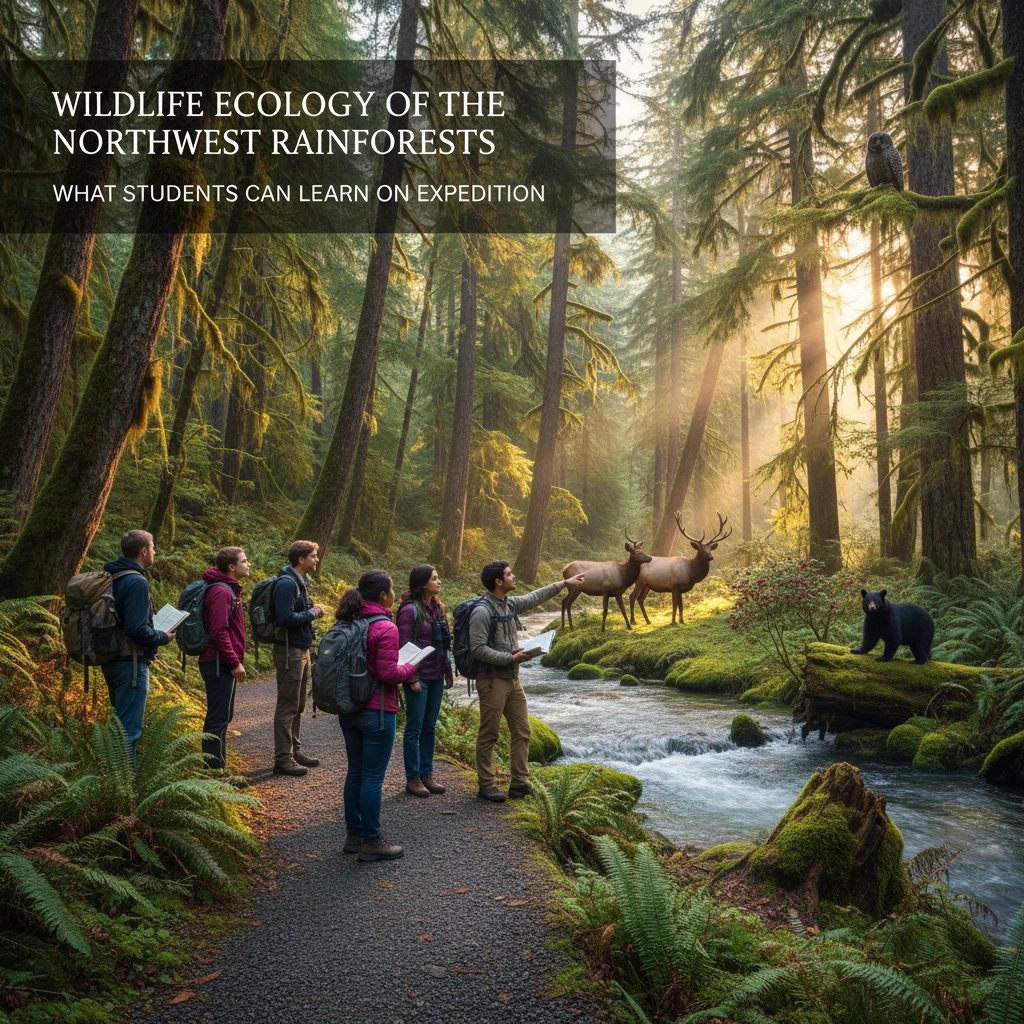
Wildlife Ecology of the Pacific Northwest Rainforests: What Students Can Learn on Expedition
Preparing your students for an expedition into the Pacific Northwest's temperate rainforests involves understanding one of Earth's most complex and biodiverse ecosystems. The region encompassing Mount Rainier, Olympic National Forest, and conservation sites like Farmers Frog offers unparalleled opportunities for students to engage with authentic scientific research while developing critical thinking skills about ecology, earth science, and conservation biology. Understanding
Caleb Mullenix
Oct 21, 20255 min read
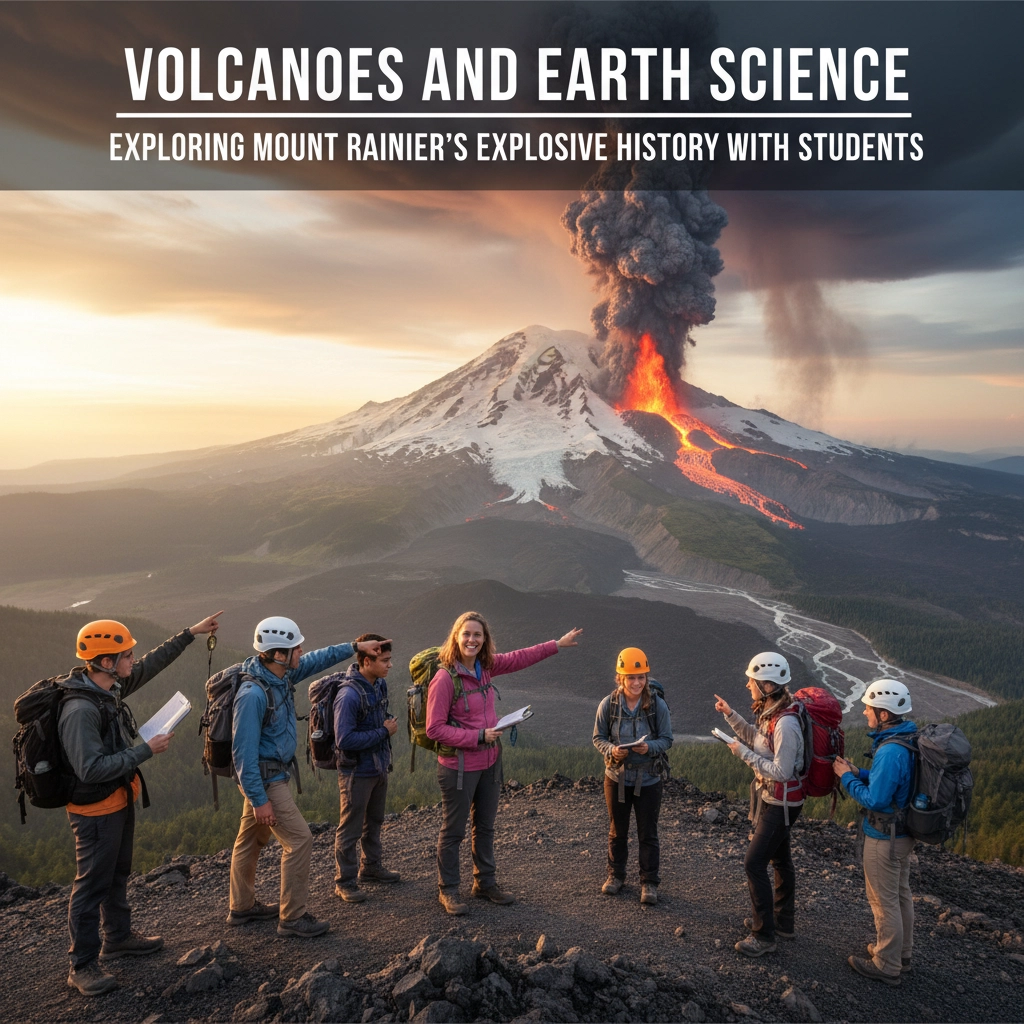
Volcanoes and Earth Science: Exploring Mount Rainier's Explosive History with Students
Establishing a comprehensive understanding of volcanic processes and earth science fundamentals requires direct engagement with active geological systems. Mount Rainier presents an exceptional opportunity for students to explore volcanic formation, hazard assessment, and the dynamic relationship between geological forces and Pacific Northwest ecosystems. This stratovolcano serves as a living laboratory where students can examine 500,000 years of geological history while devel
Caleb Mullenix
Oct 21, 20255 min read
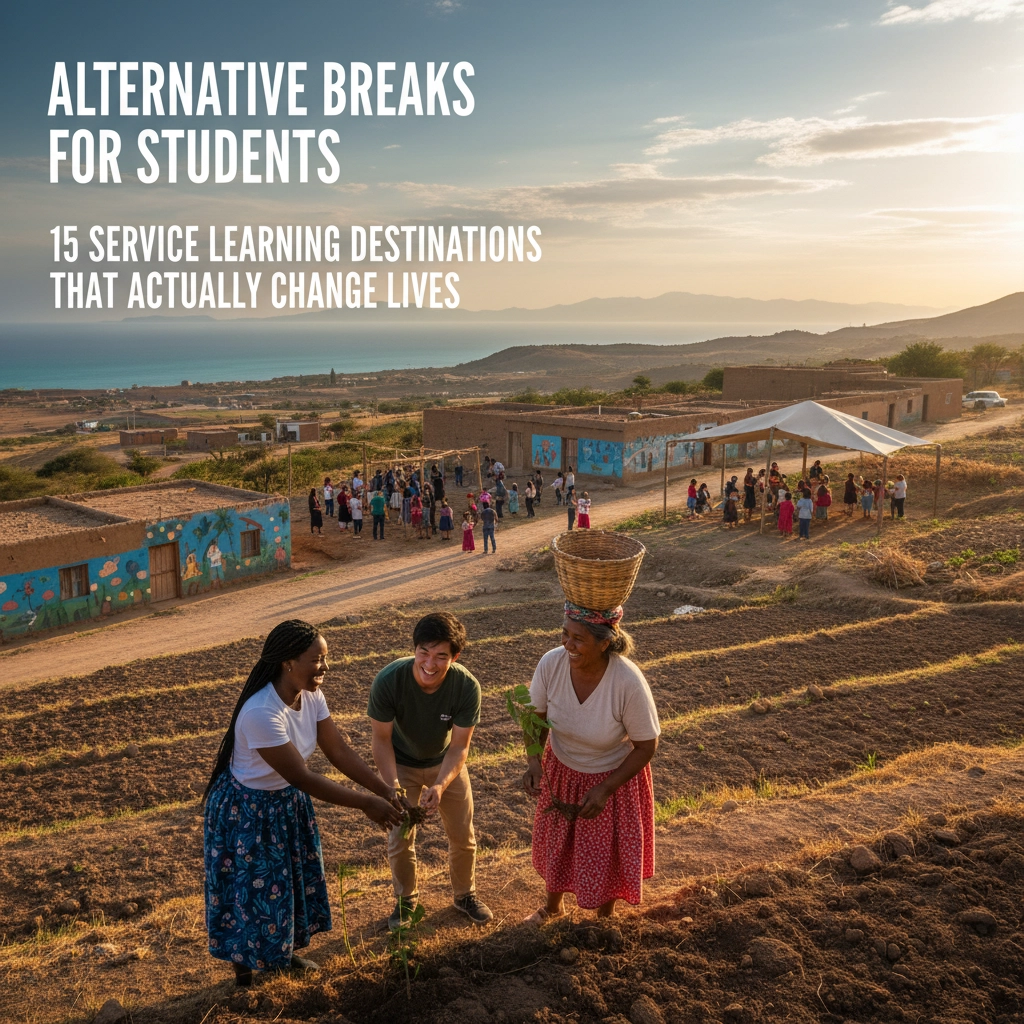
Alternative Breaks for Students: 15 Service Learning Destinations That Actually Change Lives
Ensuring meaningful educational experiences for students requires moving beyond traditional classroom boundaries and embracing transformative service learning opportunities. Alternative breaks represent a powerful educational tool that combines hands-on community service with structured reflection and cultural immersion, creating lasting impact on both students and the communities they serve. These carefully designed programs transform typical break periods into intensive lea
Caleb Mullenix
Oct 21, 20255 min read
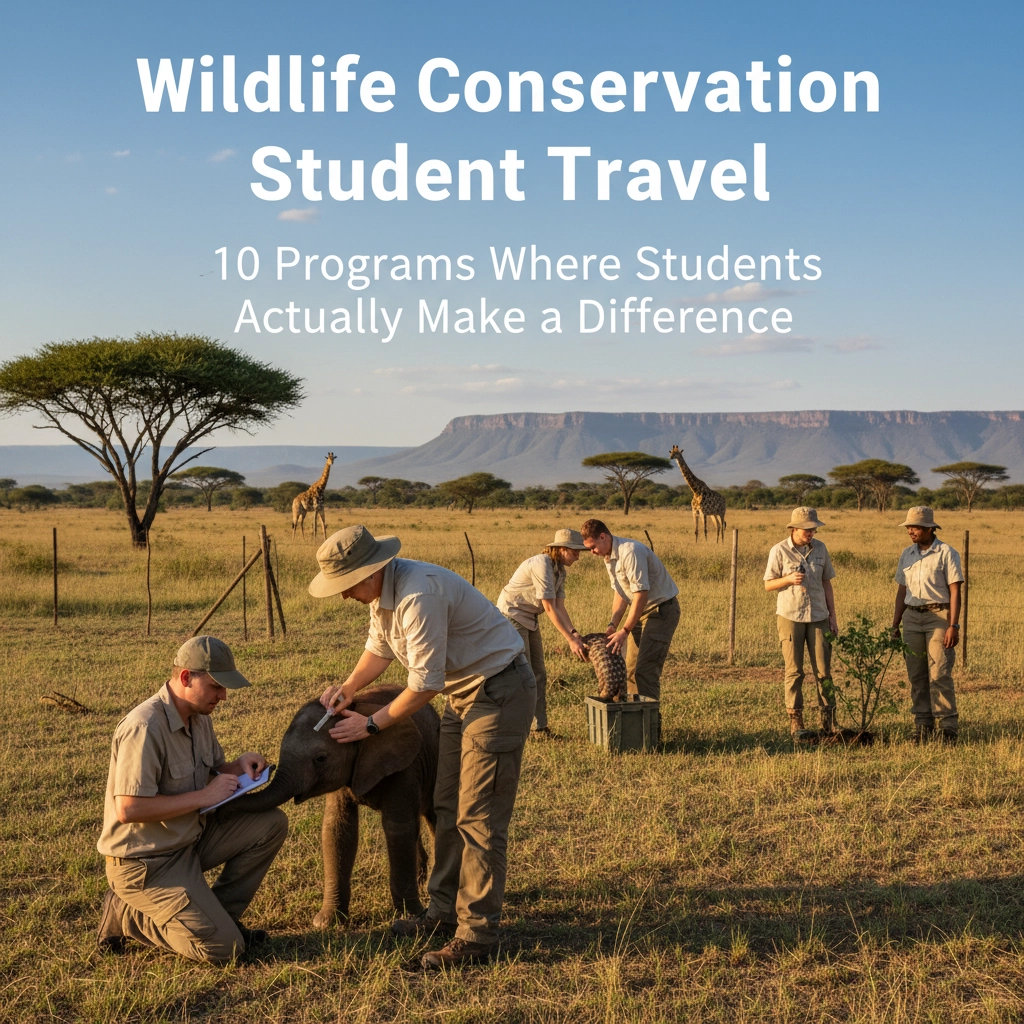
Wildlife Conservation Student Travel: 10 Programs Where Students Actually Make a Difference
Preparing students for meaningful wildlife conservation experiences requires selecting programs that prioritize hands-on research contributions over passive observation. The most impactful educational travel opportunities place students directly into ongoing conservation efforts, where their work contributes to scientific databases, species protection initiatives, and habitat restoration projects that yield measurable results. Understanding the difference between traditional
Caleb Mullenix
Oct 21, 20255 min read
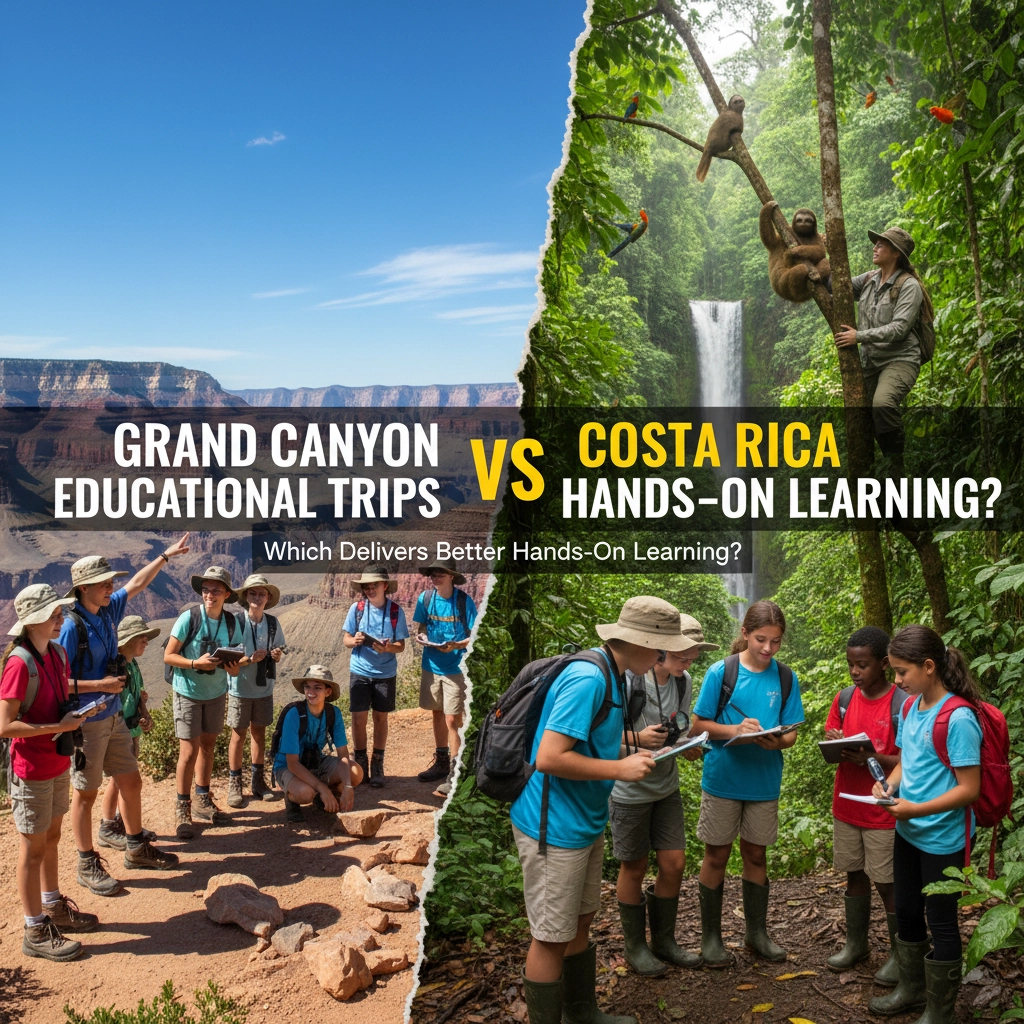
Grand Canyon Educational Trips vs Costa Rica: Which Delivers Better Hands-On Learning?
Selecting the optimal educational destination for your students requires careful evaluation of learning objectives, hands-on opportunities, and curriculum alignment. Both Grand Canyon and Costa Rica offer exceptional educational experiences, yet they deliver distinctly different types of hands-on learning that serve specific academic goals and age groups. The Grand Canyon excels in geological sciences and deep-time learning, providing unparalleled access to Earth's history th
Caleb Mullenix
Oct 20, 20255 min read
Wildlife Conservation Student Travel: 10 Programs Where Students Actually Make a Difference
Preparing students for meaningful wildlife conservation experiences requires selecting programs that prioritize hands-on research contributions over passive observation. The most impactful educational travel opportunities place students directly into ongoing conservation efforts, where their work contributes to scientific databases, species protection initiatives, and habitat restoration projects that yield measurable results. Understanding the difference between traditional
Caleb Mullenix
Oct 20, 20255 min read
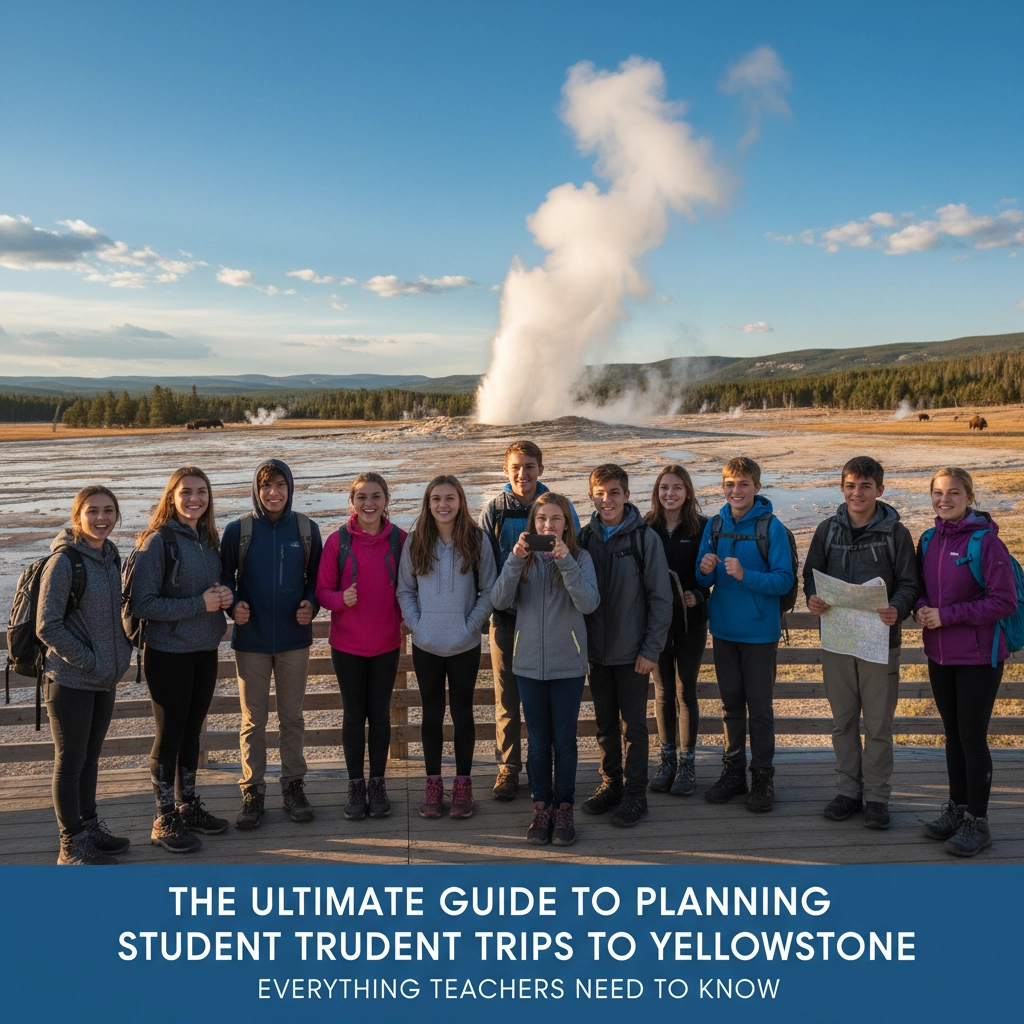
The Ultimate Guide to Planning Student Trips to Yellowstone: Everything Teachers Need to Know
Planning a successful student trip to Yellowstone National Park requires meticulous preparation, comprehensive understanding of available educational resources, and unwavering commitment to student safety. As America's first national park, Yellowstone offers unparalleled opportunities for hands-on learning in geology, wildlife biology, ecology, and cultural history. This guide provides teachers with the essential knowledge and step-by-step strategies needed to organize transf
Caleb Mullenix
Oct 20, 20257 min read
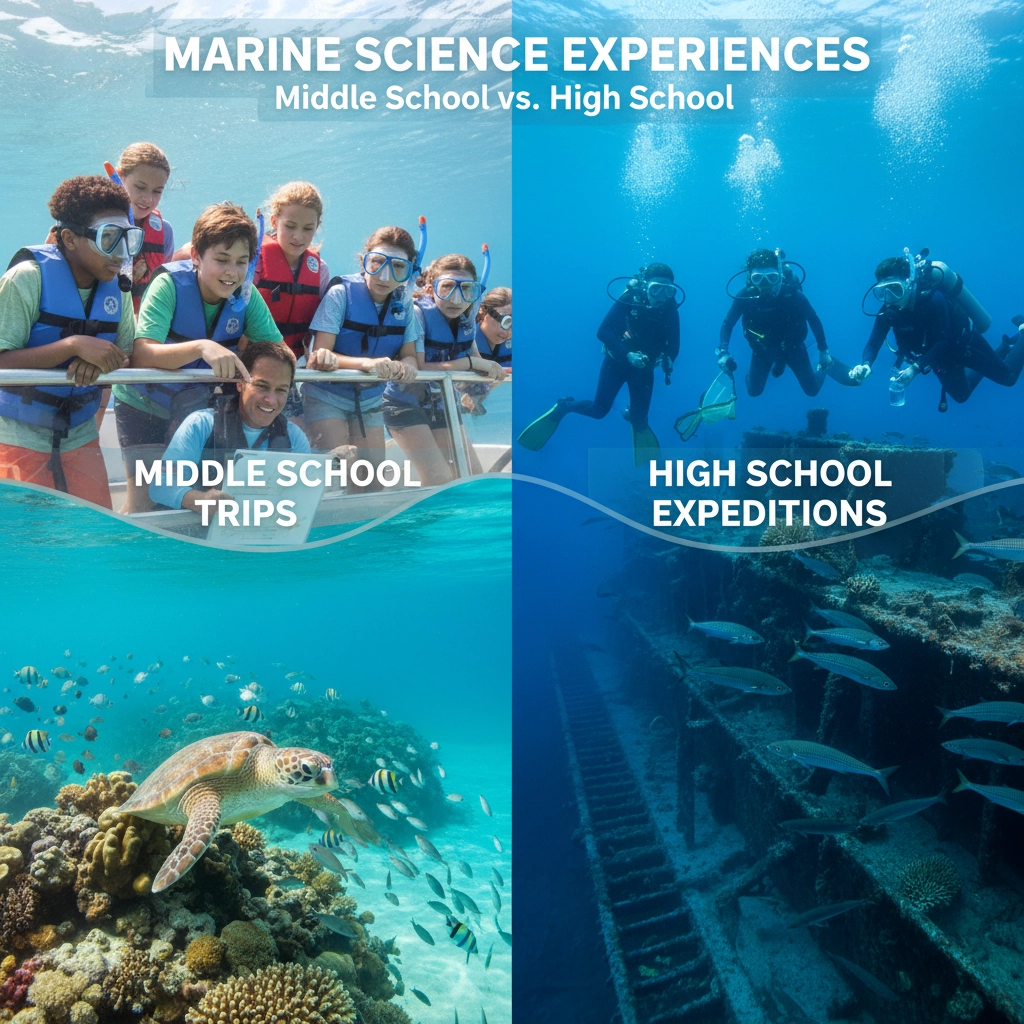
Middle School Science Trips vs. High School Expeditions: Which Marine Science Experience Is Right for Your Students?
Selecting the appropriate marine science educational experience for your students represents a critical decision that can shape their academic trajectory and career interests. Understanding the distinct differences between middle school science trips and high school expeditions ensures you provide age-appropriate, engaging, and educationally valuable experiences that maximize learning outcomes while maintaining student safety and engagement. The Florida Keys offer unparallele
Caleb Mullenix
Oct 20, 20255 min read
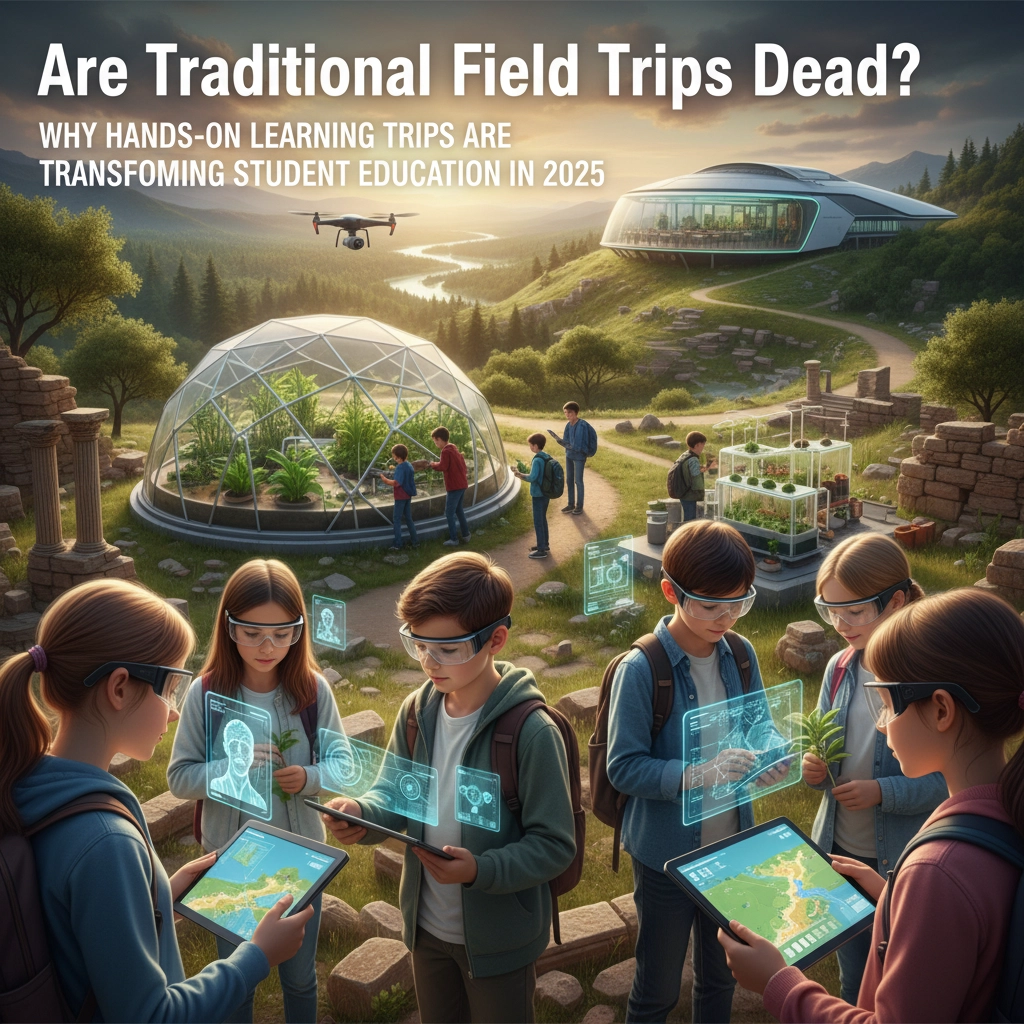
Are Traditional Field Trips Dead? Why Hands-On Learning Trips Are Transforming Student Education in 2025
Traditional field trips are not dead: they are being revolutionized. The one-day museum visits and zoo excursions of the past are rapidly giving way to immersive, multi-day expeditions that transform how students learn, engage, and connect with the world around them. In 2025, educators are discovering that hands-on learning experiences deliver educational outcomes that far exceed what traditional classroom settings can achieve. Research demonstrates that students participatin
Caleb Mullenix
Oct 20, 20256 min read
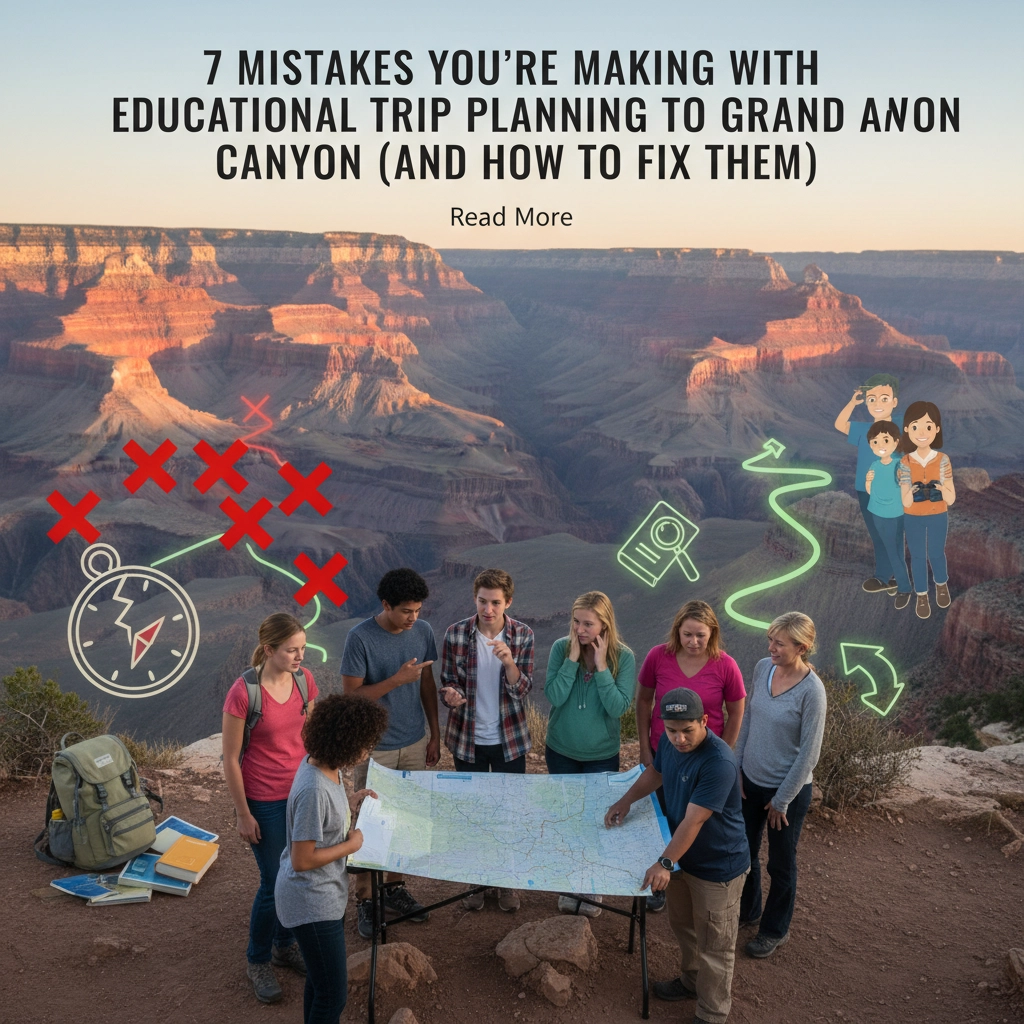
7 Mistakes You are Making with Educational Trip Planning to Grand Canyon (and How to Fix Them)
Planning an educational trip to the Grand Canyon requires meticulous attention to detail and strategic foresight. Many educators unknowingly compromise their students' learning experience by making preventable mistakes during the planning process. Ensuring your students receive maximum educational value from this natural wonder demands careful preparation and awareness of common pitfalls. The following seven mistakes consistently undermine educational trips to the Grand Canyo
Caleb Mullenix
Oct 20, 20255 min read
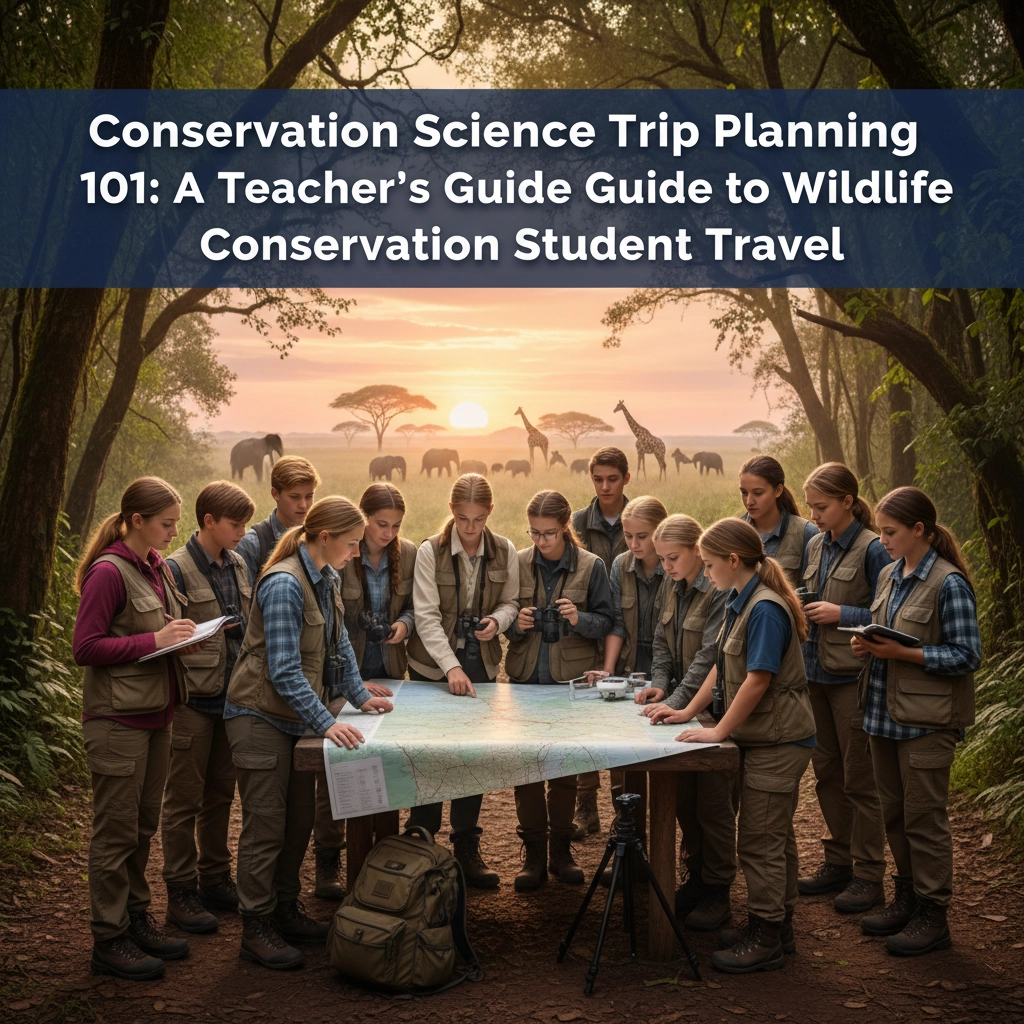
Conservation Science Trip Planning 101: A Teacher's Guide to Wildlife Conservation Student Travel
Planning an effective wildlife conservation field trip requires meticulous preparation, clear educational objectives, and strategic coordination across multiple domains. The success of these transformative educational experiences depends entirely on your ability to anticipate challenges, establish comprehensive safety protocols, and create meaningful learning opportunities that inspire students to become environmental stewards. Establishing Your Educational Foundation Begin
Caleb Mullenix
Oct 20, 20255 min read
The Ultimate Guide to Planning Student Trips to Yellowstone: Everything Teachers Need to Know
Planning a successful student trip to Yellowstone National Park requires meticulous preparation, comprehensive understanding of available educational resources, and unwavering commitment to student safety. As America's first national park, Yellowstone offers unparalleled opportunities for hands-on learning in geology, wildlife biology, ecology, and cultural history. This guide provides teachers with the essential knowledge and step-by-step strategies needed to organize transf
Caleb Mullenix
Oct 19, 20257 min read
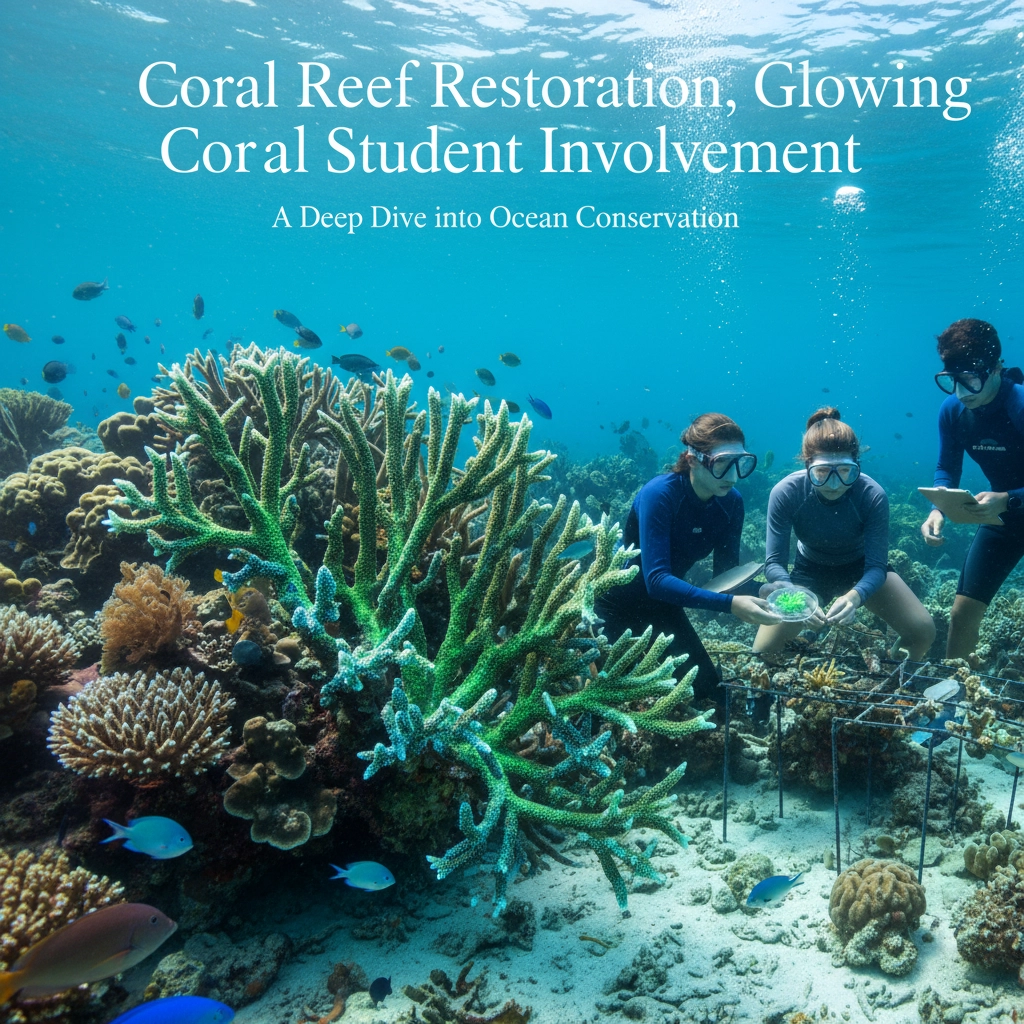
Coral Reef Restoration, Glowing Elkhorn Coral, and Student Involvement
Providing students with authentic, hands-on experiences in marine conservation represents one of the most powerful educational opportunities available in today's environmental science curriculum. The Florida Keys offer an unparalleled living laboratory where students can engage directly with coral reef restoration projects, study the remarkable phenomenon of glowing elkhorn coral, and contribute meaningfully to critical conservation efforts that will shape the future of our o
Caleb Mullenix
Oct 19, 20255 min read
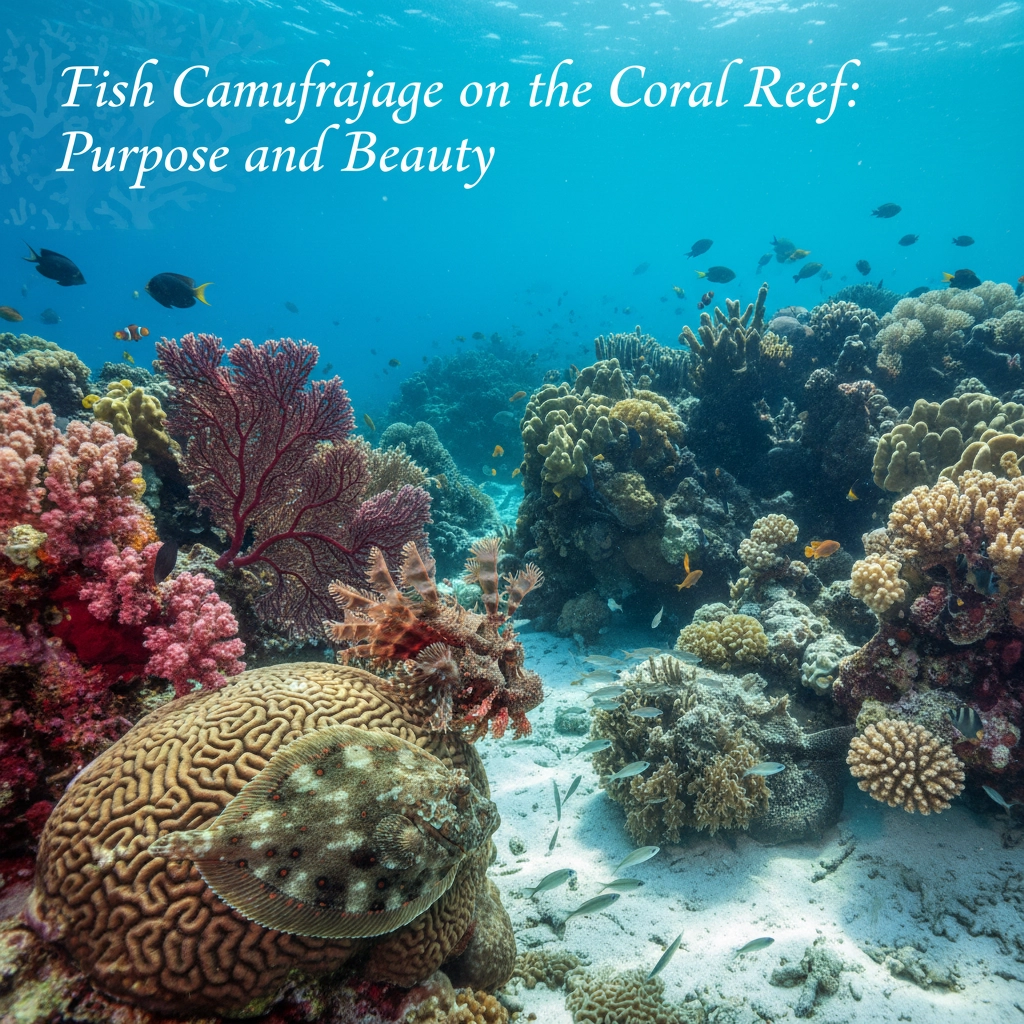
Fish Camouflage on the Coral Reef: Purpose and Beauty
Understanding fish camouflage on coral reefs represents one of the most captivating and educationally rich experiences students can encounter during marine science expeditions. The Florida Keys provide an exceptional natural laboratory where students can observe firsthand how evolution has crafted some of nature's most sophisticated survival strategies. Through Appleseed Expeditions' marine biology programs, students witness the remarkable interplay between concealment and co
Caleb Mullenix
Oct 19, 20255 min read
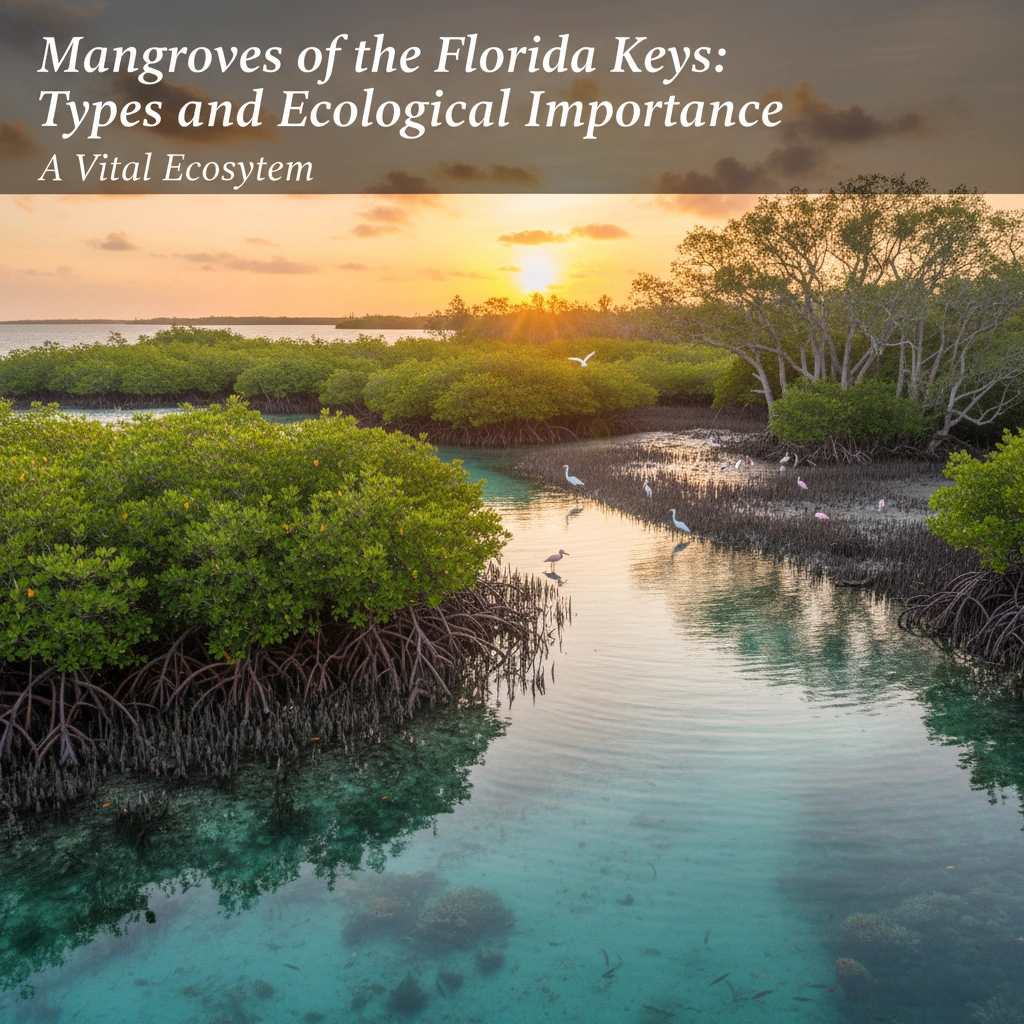
Mangroves of the Florida Keys: Types and Ecological Importance
Understanding the intricate mangrove ecosystems of the Florida Keys provides students with unparalleled opportunities to observe marine biology, earth science, and conservation principles in action. These salt-tolerant forests, spanning over 1,800 miles of Florida Keys shoreline, serve as living laboratories where students can witness firsthand the complex relationships between terrestrial and marine environments through carefully designed marine science expeditions. Establis
Caleb Mullenix
Oct 19, 20255 min read
bottom of page