


7 Mistakes You are Making with Grand Canyon Educational Trips (And How Appleseed Expeditions Fixes Them)

Planning an educational trip to the Grand Canyon represents one of the most impactful learning opportunities you can provide your students. However, ensuring the success of such an expedition requires meticulous preparation and awareness of common pitfalls that can undermine your educational objectives. The following seven mistakes frequently compromise Grand Canyon educational trips, along with proven solutions that maximize both safety and learning outcomes.
Mistake #1: Choosing the Wrong Season Without Considering Educational Impact
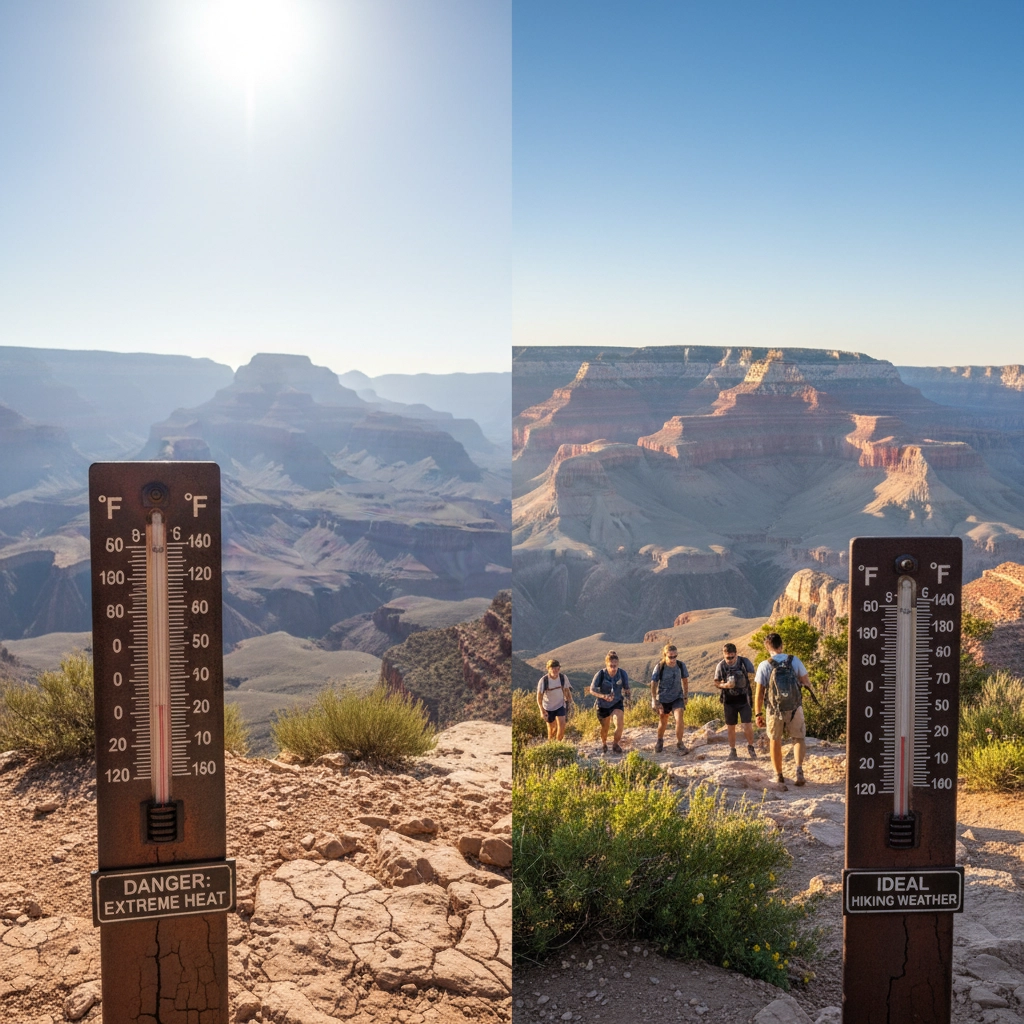
Many educators select travel dates based solely on school calendar availability, failing to consider how seasonal conditions affect both safety and learning opportunities at the Grand Canyon. Visiting during extreme weather periods can severely limit educational activities and compromise student safety.
The Problem: Summer temperatures exceeding 100°F at the rim and 120°F in the canyon create dangerous conditions for student groups. Conversely, winter visits may result in trail closures and limited visibility due to snow and ice conditions.
How Appleseed Expeditions Fixes This: Our educational consultants analyze optimal timing for your specific curriculum goals and student demographics. We recommend late spring (April-May) and early fall (September-October) when temperatures remain moderate and educational programming operates at full capacity. Our seasonal expertise ensures your students experience ideal conditions for geological observations, wildlife encounters, and outdoor learning activities.
Action Steps:
Begin planning 6-12 months in advance to secure optimal dates
Consider your students' physical capabilities when selecting seasonal timing
Align travel dates with specific geological or ecological phenomena you want students to observe
Mistake #2: Underestimating Physical Demands and Student Preparedness
Educators frequently fail to adequately assess their students' physical readiness for Grand Canyon terrain, leading to exhausted participants, shortened educational activities, and potential safety concerns.
The Problem: The Grand Canyon's elevation changes, uneven terrain, and desert climate challenge even physically fit individuals. Students unprepared for these conditions cannot fully engage with educational content and may require emergency assistance.
How Appleseed Expeditions Fixes This: We provide comprehensive pre-trip physical preparation guidelines tailored to your group's itinerary. Our educational specialists conduct detailed assessments of planned activities and recommend appropriate conditioning programs. Additionally, we offer modified itinerary options that accommodate varying fitness levels while maintaining educational value.
Essential Preparation Requirements:
Implement a 6-week pre-trip fitness program focusing on cardiovascular endurance
Require students to demonstrate ability to walk 2-3 miles on uneven terrain
Establish clear physical participation criteria and alternative activities for students with limitations
Conduct practice hikes with full gear loads in similar terrain when possible
Mistake #3: Failing to Align Activities with Specific Curriculum Standards
Too often, Grand Canyon trips become generic sightseeing experiences rather than targeted educational expeditions that reinforce classroom learning and meet established academic standards.
The Problem: Without clear connections to curriculum objectives, students view the trip as recreational rather than educational, missing opportunities for deep learning and academic growth.
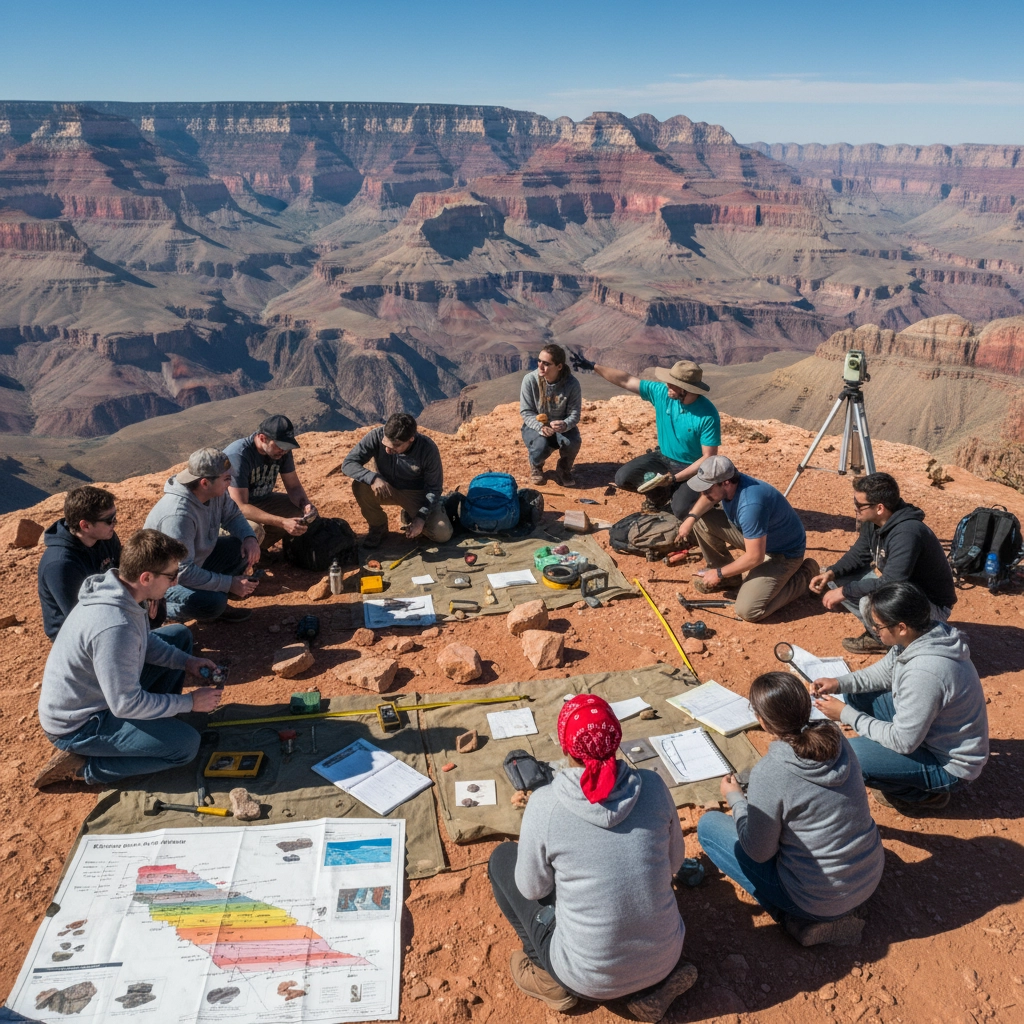
How Appleseed Expeditions Fixes This: Our educational specialists work directly with teachers to develop customized itineraries that align with Next Generation Science Standards (NGSS), state geology requirements, and environmental science objectives. We provide pre-designed lesson plans, field guides, and assessment tools that transform your Grand Canyon visit into a comprehensive learning laboratory.
Curriculum Integration Strategies:
Identify specific NGSS standards your trip will address before departure
Create measurable learning objectives for each day of your expedition
Develop pre-trip assignments that prepare students for field observations
Design post-trip projects that demonstrate acquired knowledge and skills
Mistake #4: Inadequate Pre-Trip Student Preparation and Context Building
Many groups arrive at the Grand Canyon without sufficient background knowledge, limiting students' ability to make meaningful connections during their visit.
The Problem: Students who lack foundational understanding of geological processes, canyon formation, and ecosystem relationships cannot fully appreciate or learn from their Grand Canyon experience.
How Appleseed Expeditions Fixes This: We provide comprehensive educational packages including virtual pre-trip sessions, detailed student workbooks, and interactive online resources. Our educators conduct live presentations that build essential background knowledge and generate excitement for upcoming discoveries.
Pre-Trip Preparation Essentials:
Conduct detailed geological timeline lessons covering canyon formation
Introduce students to key vocabulary terms and concepts they will encounter
Share historical accounts and scientific discoveries related to Grand Canyon research
Establish clear expectations for student behavior and participation during field activities
Mistake #5: Overlooking Critical Safety Protocols and Emergency Preparedness
Safety oversights at the Grand Canyon can have severe consequences, yet many educational groups fail to implement comprehensive safety measures appropriate for the canyon's unique hazards.
The Problem: The Grand Canyon presents specific risks including altitude effects, extreme temperature variations, wildlife encounters, and challenging terrain that require specialized safety protocols beyond typical field trip procedures.
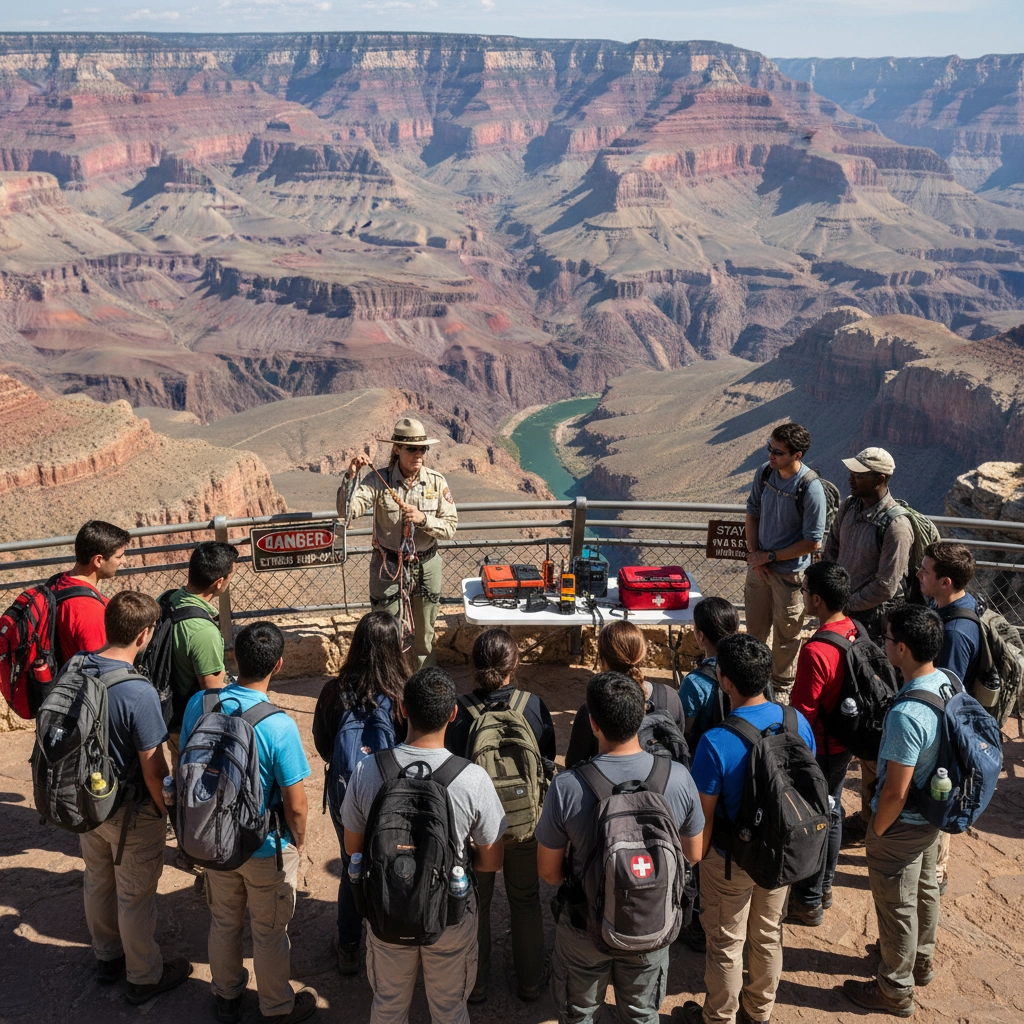
How Appleseed Expeditions Fixes This: Our safety specialists develop site-specific emergency response plans for each group. We provide mandatory safety briefings, emergency communication equipment, and trained guides familiar with canyon-specific hazards. Our comprehensive insurance coverage and established emergency protocols ensure immediate response capabilities.
Critical Safety Measures:
Establish clear group management procedures including buddy systems and regular headcounts
Provide emergency communication devices for all supervisors
Create detailed emergency contact lists and evacuation procedures
Brief all participants on wildlife safety, weather recognition, and terrain hazards
Maintain first aid supplies appropriate for desert environments and altitude-related issues
Mistake #6: Poor Group Management and Supervision Strategies
Large student groups at the Grand Canyon require specialized management techniques that many educators overlook, leading to safety concerns and diminished educational experiences.
The Problem: Traditional classroom management strategies prove inadequate for outdoor environments with multiple hazards, varying terrain, and numerous distractions that can scatter student attention and compromise group cohesion.
How Appleseed Expeditions Fixes This: Our experienced guides implement proven group management systems including designated leaders, clear communication protocols, and structured rotation schedules that maintain safety while maximizing learning opportunities. We train supervisors in outdoor group dynamics and provide specialized equipment for group coordination.
Effective Group Management Techniques:
Establish clear group boundaries and movement procedures before beginning activities
Assign student leaders with specific responsibilities for group cohesion
Implement regular check-in procedures using visual and auditory signals
Create structured observation periods with designated recording responsibilities
Maintain appropriate adult-to-student ratios for different activity levels
Mistake #7: Missing Post-Trip Learning Reinforcement and Assessment Opportunities
Educational trips often conclude without proper follow-up activities that reinforce learning and assess knowledge acquisition, wasting valuable educational investment.
The Problem: Without structured post-trip activities, students quickly forget specific observations and fail to make lasting connections between field experiences and classroom content.
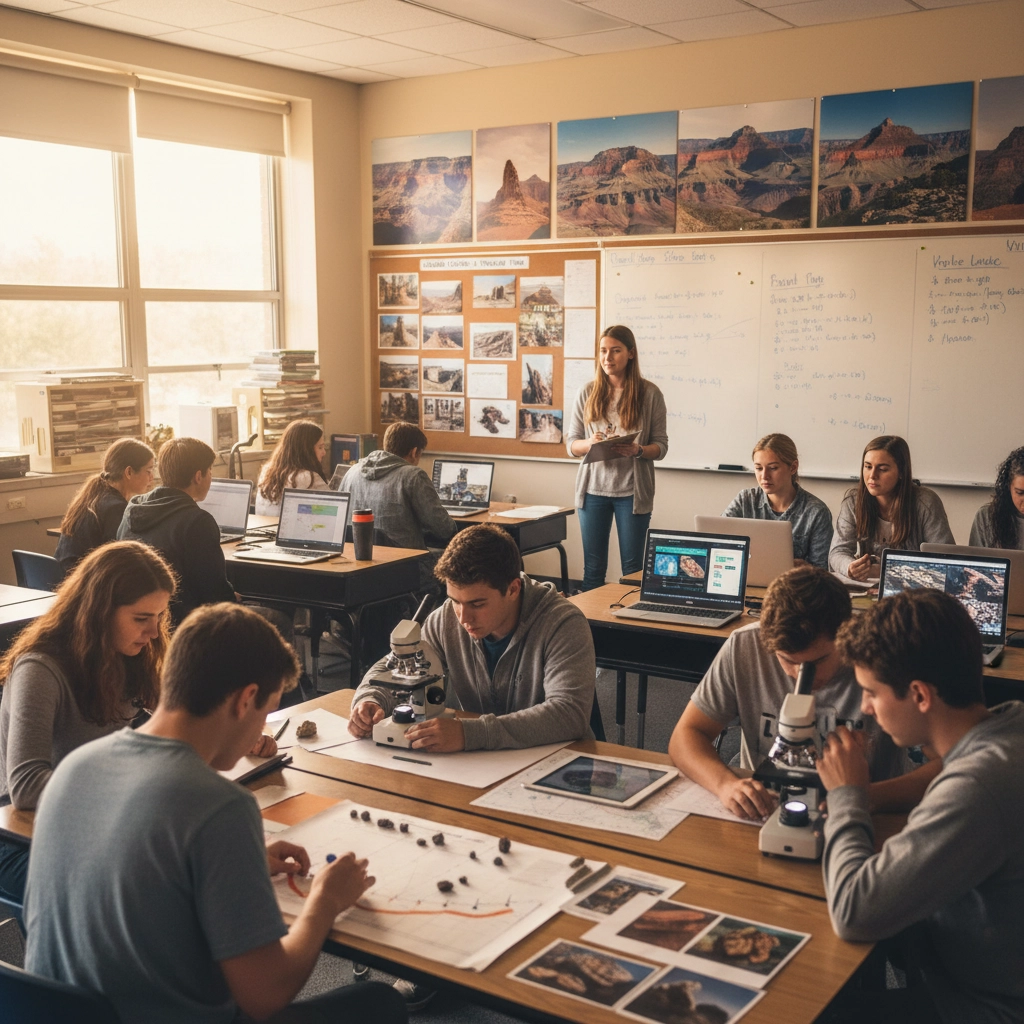
How Appleseed Expeditions Fixes This: We provide comprehensive post-trip educational packages including reflection guides, assessment rubrics, and extension activities that reinforce learning for weeks after your return. Our digital platform allows students to access photos, data, and resources that support ongoing projects and presentations.
Post-Trip Reinforcement Strategies:
Conduct immediate post-trip reflection sessions while memories remain vivid
Assign structured journal analysis requiring students to connect observations with scientific principles
Create collaborative presentations showcasing student discoveries and insights
Develop assessment tools that measure specific learning objective achievement
Plan follow-up classroom activities that extend Grand Canyon lessons throughout the semester
Ensuring Educational Trip Success Through Professional Partnership
Planning a successful Grand Canyon educational expedition requires expertise in outdoor education, safety management, and curriculum integration that extends beyond typical classroom teaching responsibilities. These seven common mistakes can transform an potentially transformative learning experience into a stressful, ineffective, or even dangerous situation for students and educators alike.
Professional educational travel specialists possess the knowledge, resources, and experience necessary to navigate these challenges while maximizing learning opportunities. By partnering with established educational travel organizations, teachers can focus on their core educational responsibilities while ensuring their students receive safe, meaningful, and curriculum-aligned learning experiences.
The Grand Canyon's extraordinary educational potential can only be fully realized through careful planning, appropriate preparation, and professional guidance that addresses the unique challenges of outdoor educational environments. Avoiding these seven critical mistakes ensures your students will return from their Grand Canyon expedition with lasting knowledge, unforgettable memories, and deeper appreciation for our planet's geological wonders.
Ready to plan your Grand Canyon educational adventure without the common pitfalls? Appleseed Expeditions specializes in creating safe, educational, and transformative Grand Canyon experiences that align with your curriculum goals and exceed your students' expectations. Contact our educational specialists today to begin planning your successful Grand Canyon expedition.

Comments