


7 Mistakes You are Making with Marine Science Trips (and How Emerald Coast Turtle Research Fixes Them)

Planning successful marine science expeditions for students requires meticulous preparation and strategic thinking. Too many educational programs fall short of their potential, leaving students with superficial experiences rather than meaningful scientific engagement. The solution lies in understanding common planning pitfalls and implementing research-focused experiences that transform learning outcomes.
Sea turtle research programs along Florida's Emerald Coast offer a proven framework for addressing these challenges. These expeditions combine rigorous scientific methodology with hands-on conservation work, creating educational experiences that exceed traditional marine biology field trips.
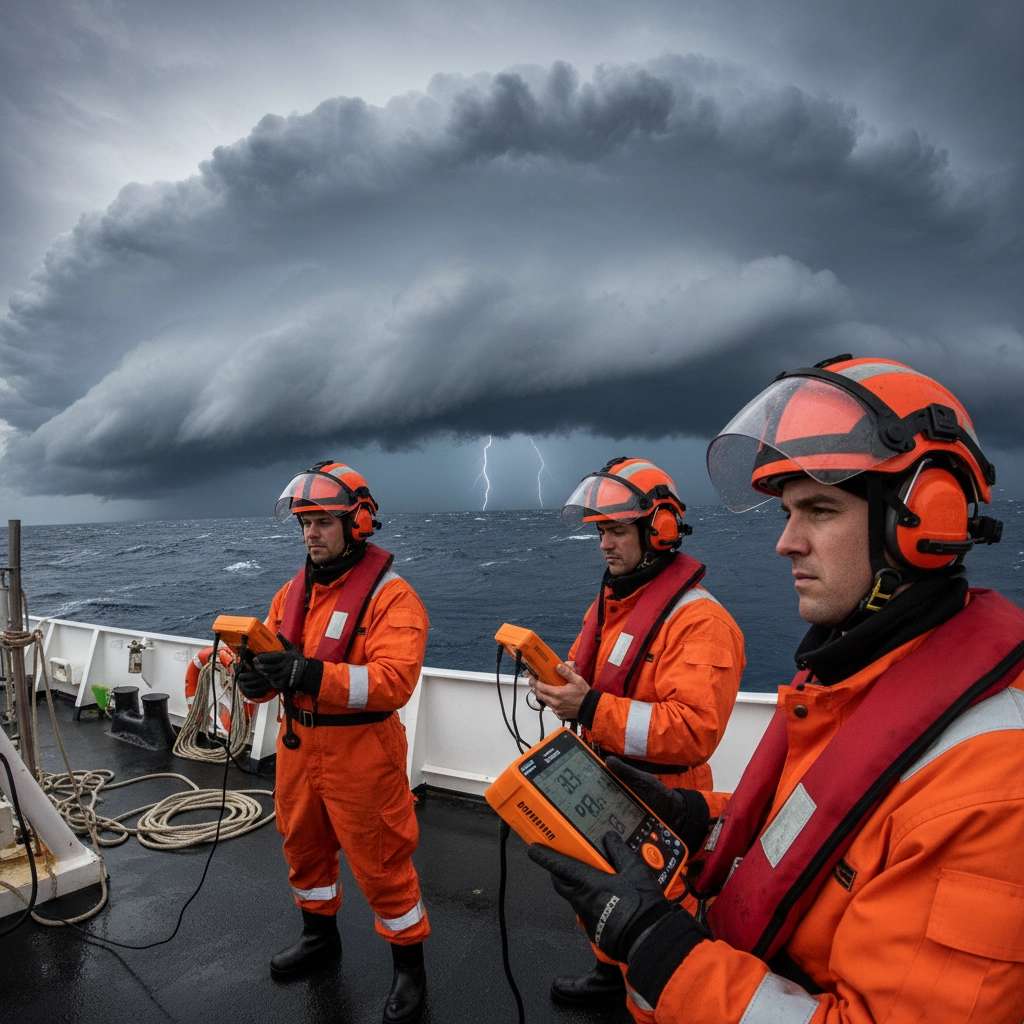
Mistake #1: Inadequate Marine Weather Assessment and Monitoring
Most expedition planners rely exclusively on standard weather applications designed for land-based activities rather than obtaining comprehensive marine-specific forecasting data. This creates dangerous situations where student groups encounter unexpected sea conditions, high winds, or severe weather systems that compromise safety and learning objectives.
How Emerald Coast Turtle Research Fixes This:
Professional turtle research programs maintain partnerships with marine weather services and local Coast Guard stations. Research coordinators monitor wind patterns, wave heights, sea states, and storm trajectories using dedicated marine forecasting tools. Teams check conditions multiple times daily and maintain flexible scheduling that prioritizes student safety while maximizing research opportunities.
Turtle nesting surveys operate year-round, requiring weather expertise that spans hurricane season through winter storm patterns. This experience translates into superior weather preparedness for student expeditions, ensuring consistent program delivery regardless of seasonal challenges.
Mistake #2: Over-Dependence on Automated Navigation and Safety Systems
While Electronic Chart Display and Information Systems (ECDIS) and automated Safety Management Systems represent valuable technological advances, excessive reliance on these tools creates dangerous blind spots in navigation and decision-making. Student groups often lack backup navigation skills when technology fails during critical moments.
How Emerald Coast Turtle Research Fixes This:
Turtle research teams combine GPS technology with traditional navigation methods, teaching students to maintain dead reckoning positions and conduct visual confirmation of landmarks. Research expeditions require students to cross-reference radar patterns with electronic displays, developing comprehensive navigation competencies.
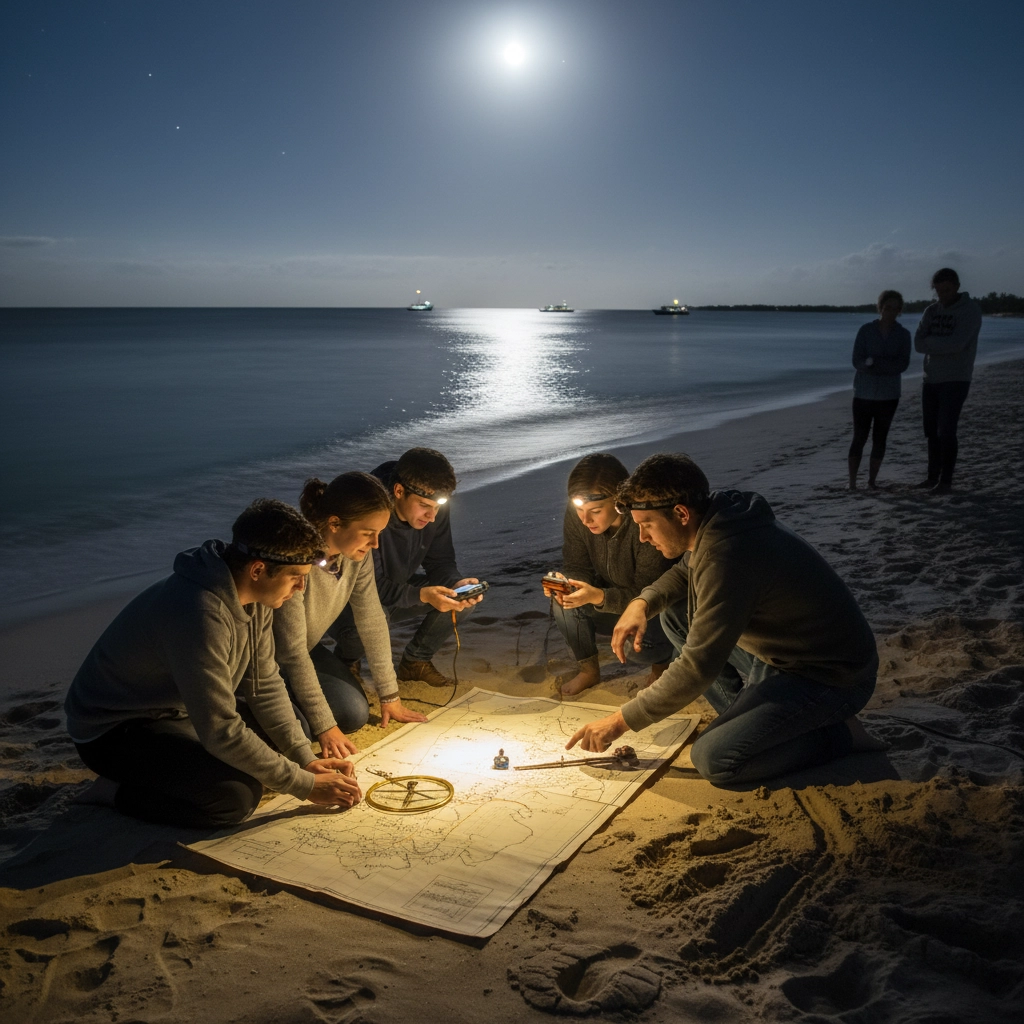
Night-time turtle surveys particularly emphasize traditional navigation skills, as researchers must locate nesting sites using minimal artificial lighting to avoid disturbing wildlife. Students learn to navigate coastal environments using natural landmarks, tidal patterns, and celestial references.
Mistake #3: Insufficient Survey Area Assessment and Equipment Planning
Poor pre-expedition reconnaissance leads to equipment loss, safety hazards, and mission failure. Many marine science trips venture into unfamiliar waters without adequate knowledge of underwater obstacles, fishing activities, or environmental hazards specific to research locations.
How Emerald Coast Turtle Research Fixes This:
Established turtle research programs maintain detailed databases of nesting beach characteristics, including access points, potential hazards, and seasonal variations. Research teams conduct comprehensive site assessments that identify fishing nets, debris, and underwater obstacles before student arrivals.
Turtle research requires precise equipment deployment for tagging operations, nest monitoring, and data collection. This necessity creates robust equipment planning protocols and detailed emergency shelter location mapping that ensures student expedition success.
Mistake #4: Inadequate Equipment Maintenance and Spare Parts Inventory
Equipment failures represent inevitable challenges during marine expeditions, yet many planning teams fail to prepare adequate maintenance capabilities and spare parts inventories. Student learning suffers when critical research equipment malfunctions without backup systems or repair capabilities.
How Emerald Coast Turtle Research Fixes This:
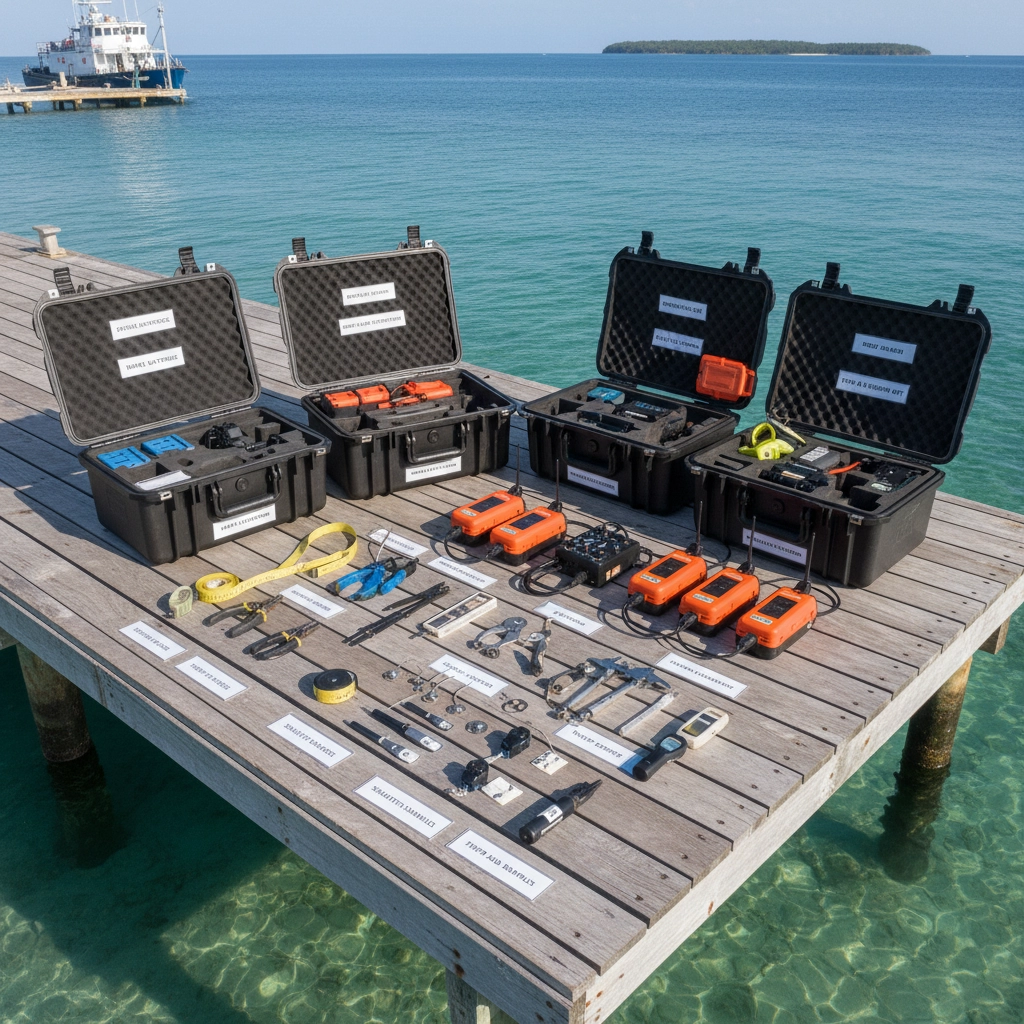
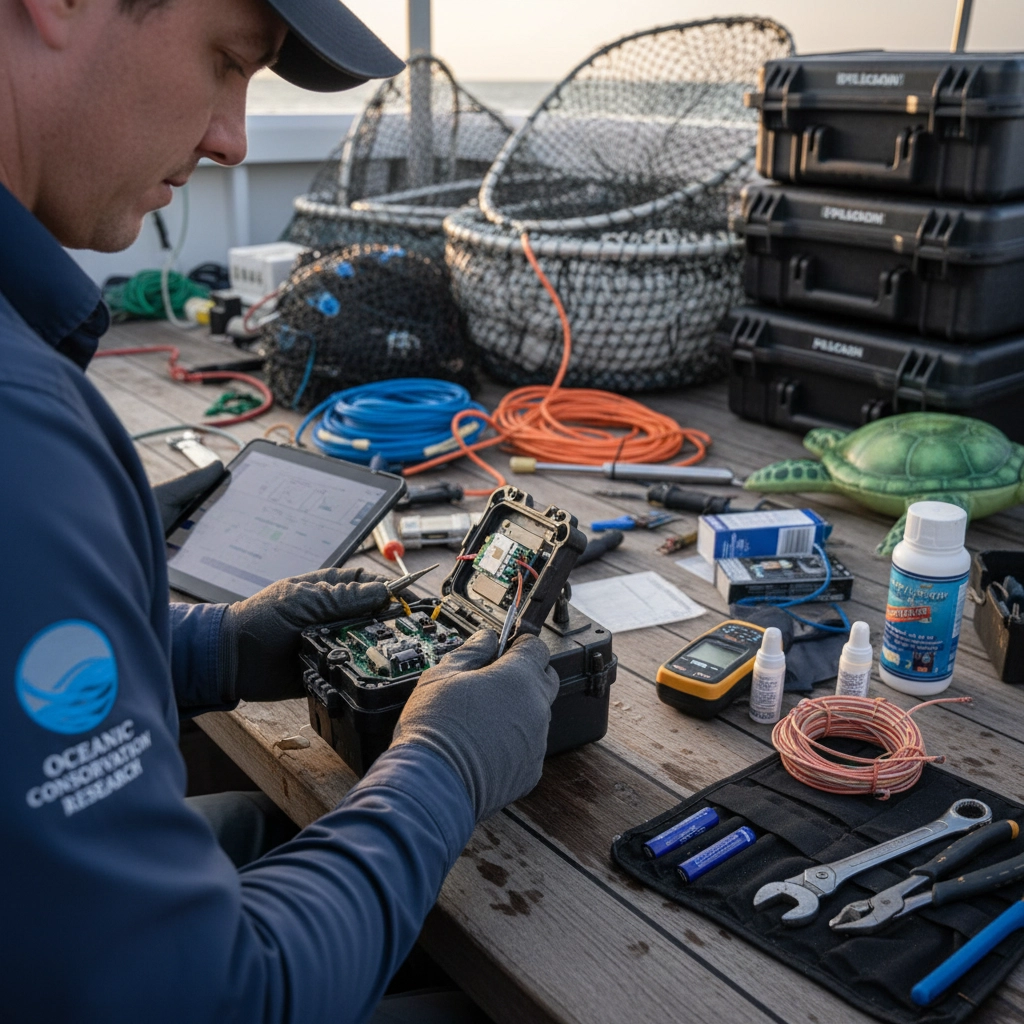
Professional turtle research operations maintain comprehensive equipment maintenance protocols and stock critical replacement components including GPS units, tagging equipment, measurement tools, and data loggers. Research teams ensure expedition members possess appropriate maintenance skills and verify equipment functionality under realistic field conditions.
Turtle research equipment must function reliably during sensitive nesting periods when equipment failure could compromise research data or animal welfare. This requirement creates exceptionally thorough maintenance standards that benefit all student expedition activities.
Mistake #5: Lack of Educational Structure and Learning Objectives
Traditional marine science trips often lack clearly defined learning objectives and structured educational components. Students participate in activities without understanding underlying scientific principles or conservation applications, resulting in superficial engagement rather than meaningful learning outcomes.
How Emerald Coast Turtle Research Fixes This:
Turtle research expeditions integrate specific scientific methodologies with conservation education, creating structured learning experiences that address multiple academic disciplines. Students engage in hypothesis formation, data collection, statistical analysis, and scientific communication while contributing to ongoing research projects.
Research participation provides authentic scientific experiences where student contributions impact actual conservation outcomes. This real-world application creates intrinsic motivation and deeper understanding of marine ecosystems, research methodology, and conservation biology.
Mistake #6: Poor Student Preparation and Safety Training
Many marine science expeditions inadequately prepare students for ocean environments, wildlife encounters, and research protocols. Insufficient safety training creates unnecessary risks while limiting students' ability to engage meaningfully with scientific activities.
How Emerald Coast Turtle Research Fixes This:
Turtle research programs require comprehensive pre-expedition training covering marine safety protocols, wildlife interaction guidelines, and research methodology. Students learn proper beach survey techniques, turtle handling procedures, and data collection standards before participating in field research.
Safety training specifically addresses nighttime beach surveys, wildlife encounters, and weather response procedures. Students understand emergency communication protocols and practice rescue scenarios relevant to coastal research environments.
Mistake #7: Ignoring Local Marine Ecosystems and Conservation Context
Generic marine science trips often overlook local ecosystem characteristics and regional conservation challenges. Students miss opportunities to understand specific environmental pressures, conservation success stories, and community-based protection efforts that provide context for their learning experience.
How Emerald Coast Turtle Research Fixes This:
Emerald Coast turtle research connects students with local conservation organizations, research institutions, and community stakeholders actively protecting marine environments. Students learn about regional threats including coastal development, light pollution, and climate change impacts on nesting success.
Research expeditions highlight conservation success stories where scientific research informed policy decisions and community action. Students understand how their research contributions support ongoing protection efforts and experience direct connections between scientific work and conservation outcomes.
The Research Advantage: Transforming Marine Science Education
Sea turtle research expeditions along the Emerald Coast provide structured, safety-focused, and educationally rigorous alternatives to traditional marine biology field trips. Students engage with authentic scientific research while developing practical skills in marine environments.
Research-based expeditions create lasting impacts through hands-on conservation work, scientific methodology training, and direct wildlife encounters. Students return to their schools as informed advocates for marine conservation with practical experience in scientific research methods.
Ensuring Expedition Success
Successful marine science expeditions require meticulous planning, comprehensive safety protocols, and structured educational objectives. Turtle research programs offer proven frameworks for addressing common expedition challenges while providing meaningful scientific experiences.
Begin planning your expedition by establishing clear learning objectives and identifying reputable research programs that welcome student participation. Ensure adequate preparation time for safety training, equipment familiarization, and scientific methodology instruction.
Ready to provide your students with transformative marine science experiences? Explore comprehensive educational travel opportunities that combine rigorous scientific research with hands-on conservation work. Contact Appleseed Expeditions to discover how professionally guided research expeditions can elevate your marine science curriculum and create lasting impacts on student learning outcomes.

Comments