


A Sacred Connection: Discovering Student Purpose in the Grand Canyon
- Caleb Mullenix
- Apr 14
- 5 min read

Developing a student’s sense of purpose is one of the most significant challenges in modern education. In an era dominated by digital distractions and academic pressure, providing young learners with a tangible "why" behind their efforts is essential for their long-term growth and mental well-being. At Appleseed Expeditions, we believe that the most effective way to foster this discovery is through a combination of awe-inspiring natural environments and meaningful service to others.
The Grand Canyon is not merely a geological marvel; it is a sacred landscape that has served as a home and a spiritual sanctuary for indigenous peoples for millennia. When students step away from the classroom and into the vastness of the American Southwest, they are forced to reconcile their place in a much larger story. By integrating service projects with the Navajo (Diné) and Hopi nations, educators can provide a transformative experience that shifts a student's perspective from self-centeredness to community-focused leadership.
The Significance of the Grand Canyon as a Classroom
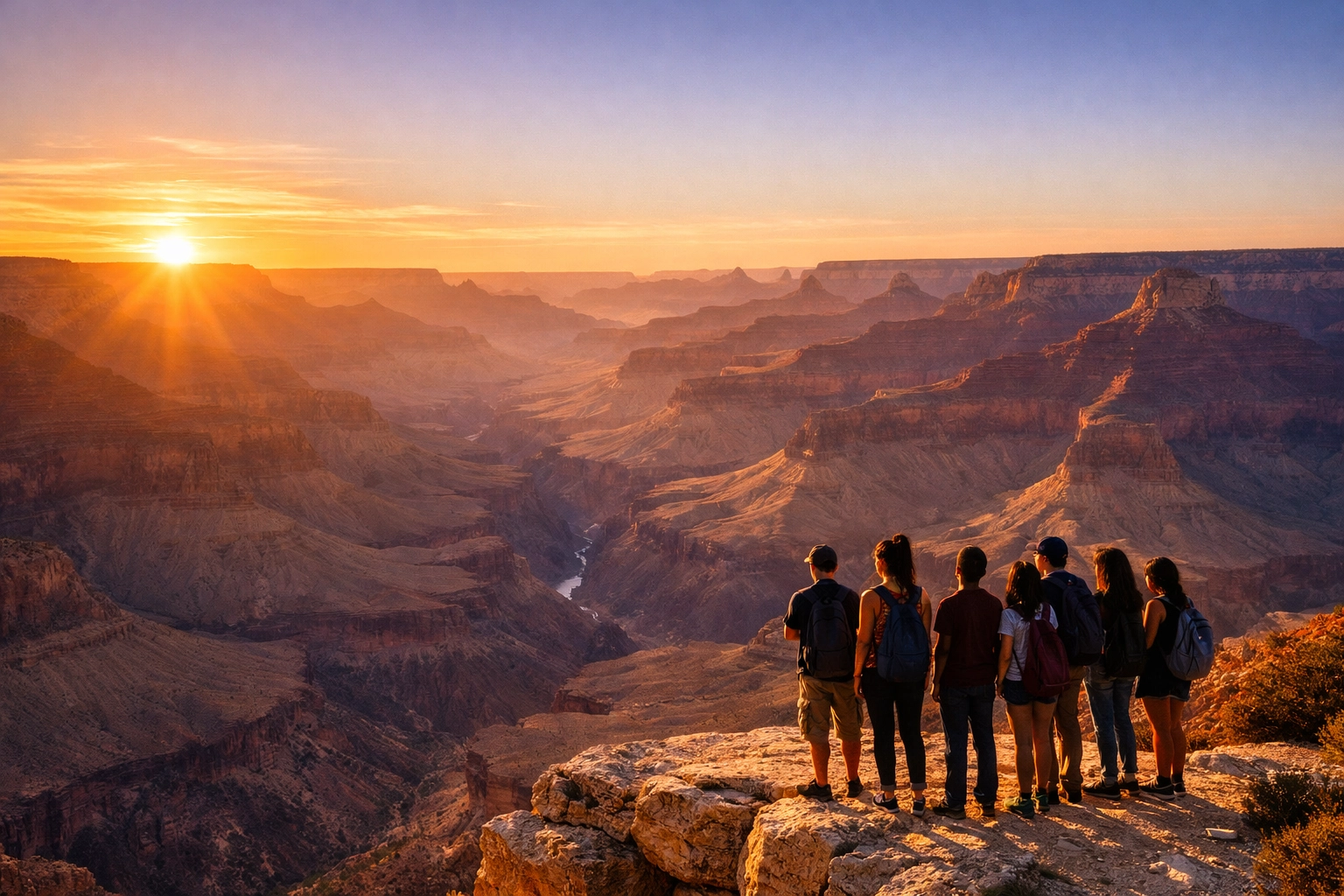
The Grand Canyon offers a unique educational backdrop that spans nearly two billion years of Earth's history. However, its value as a classroom extends far beyond earth science and geology. For the eleven traditionally associated tribes, the Canyon is a place of origin, a home, and a sacred site.
To help students find purpose, educators must first help them find connection. The sheer scale of the Canyon humbles the observer, creating a psychological state of "awe." Research suggests that experiencing awe can lead to increased prosocial behavior, a diminished focus on the self, and a greater desire to help others. This state of mind is the perfect fertile ground for developing a sense of purpose.
Understanding the Sacred Connection: The Navajo and Hopi Nations
To serve effectively, students must first understand the culture and history of those they are serving. The Navajo and Hopi nations have deep, distinct ties to the Grand Canyon region.
The Navajo (Diné): The Diné people view the land as a living entity. Their philosophy of Hózhó emphasizes balance, beauty, and harmony with the natural world. Service projects within Navajo communities often focus on conservation or supporting local infrastructure, allowing students to participate in the restoration of this balance.
The Hopi: The Hopi people have lived in the Southwest for over a thousand years. Their connection to the Grand Canyon is deeply spiritual, as they believe their ancestors emerged from the Sipapu within the Canyon. Their culture is rooted in stewardship and the preservation of ancient traditions.
By engaging with these communities, students learn that "purpose" is often found in the preservation of heritage and the protection of sacred spaces. This realization often serves as a catalyst for students to reflect on their own heritage and the legacy they wish to leave behind.
Cultivating Purpose through Intentional Service
Purpose is rarely discovered in a vacuum; it is forged through action. In the Grand Canyon area, alternative breaks and service-learning trips focus on tangible outcomes that benefit local indigenous communities.
Tangible Service Projects
When students participate in service, they should be involved in projects that require physical effort and mental engagement. Common projects include:
Infrastructure Support: Assisting with the repair of community centers or schools in tribal lands.
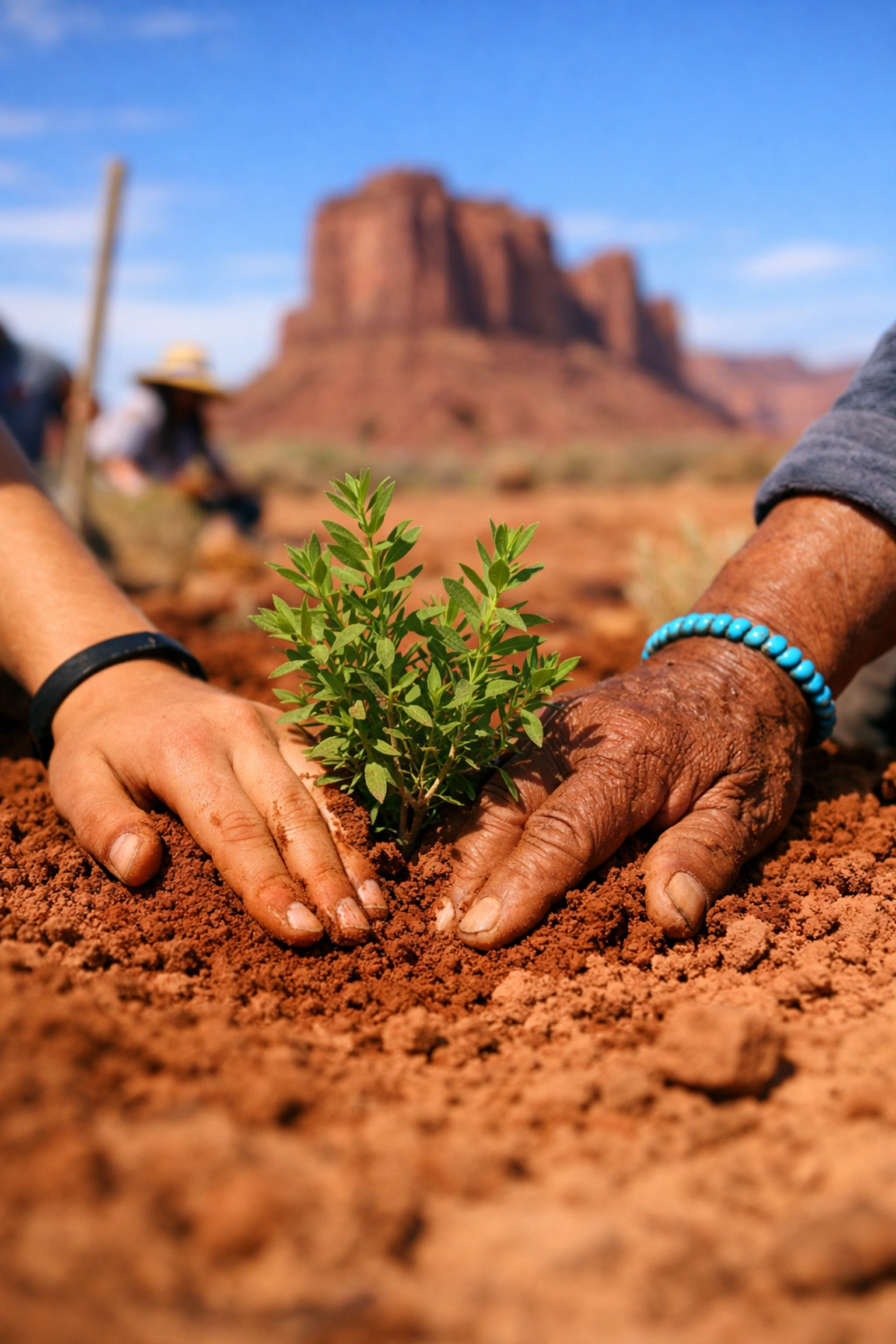
Environmental Conservation: Working on land restoration projects that help preserve the natural flora and fauna essential to traditional tribal practices.
Cultural Exchange: Participating in workshops where students learn traditional crafts or agricultural techniques directly from tribal members.
The act of "serving" creates a feedback loop of competence and contribution. When a student sees the direct impact of their labor on another person's life, their sense of self-efficacy grows. They begin to see themselves not just as consumers of education, but as contributors to a global community.
A Step-by-Step Guide for Educators: Planning a Purpose-Driven Trip
Organizing an expedition of this magnitude requires meticulous planning and a risk-averse mindset. Educators must prioritize safety, cultural respect, and educational alignment.
1. Establish Educational Objectives
Before booking, define what you want your students to achieve. Are you focusing on STEM education, cultural anthropology, or leadership development? Having clear goals ensures that every activity on the itinerary serves the ultimate purpose of student growth.
2. Prioritize Cultural Competency Training
Prepare your students by researching the history and customs of the Navajo and Hopi. Advise students on proper protocols for visiting tribal lands, such as asking for permission before taking photographs and respecting restricted sacred areas. This preparation demonstrates respect and ensures a deeper level of engagement once the group arrives.
3. Implement a Reflection Framework
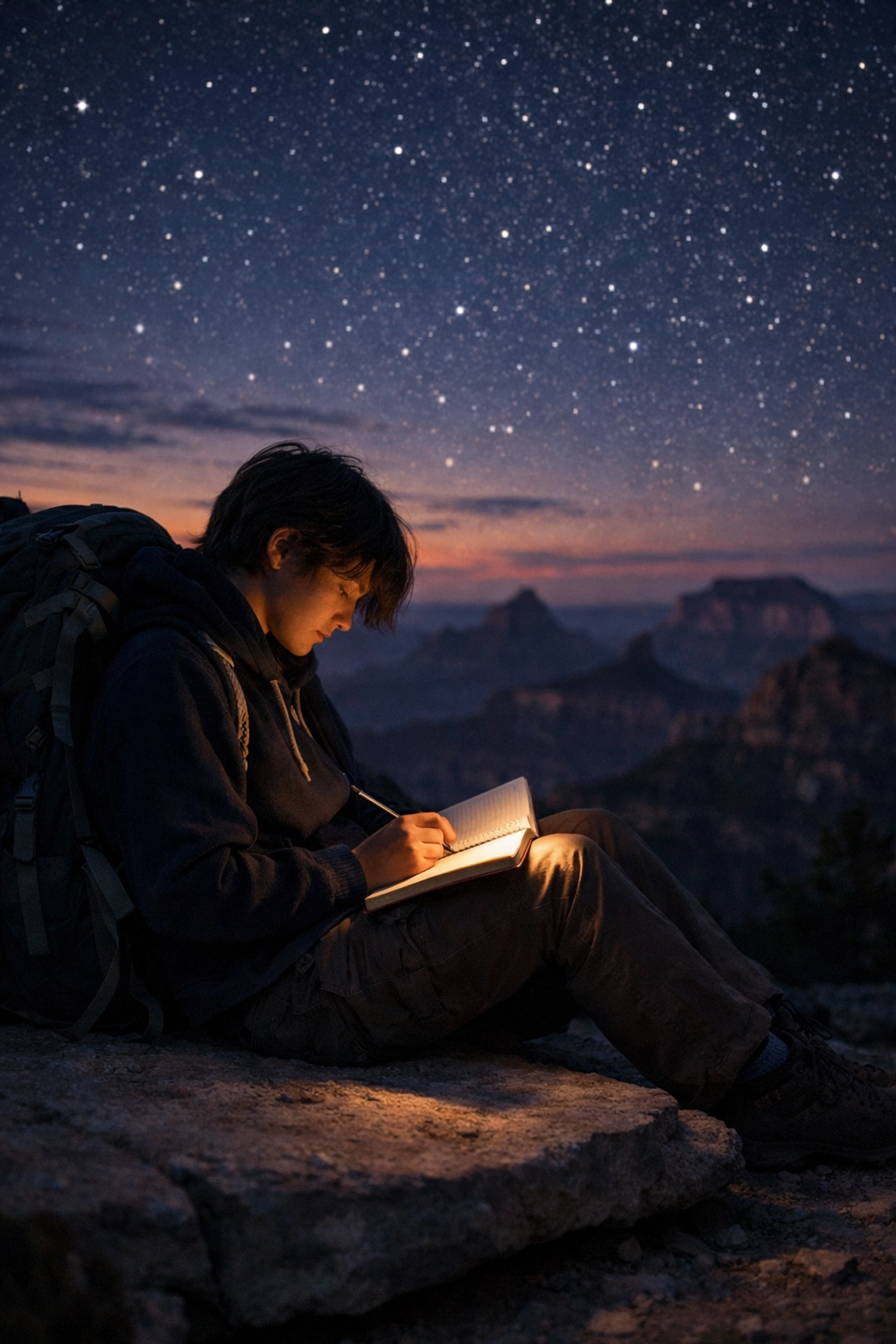
Service without reflection is simply labor. To discover purpose, students must process their experiences.
Daily Debriefs: Hold nightly meetings to discuss what was learned and how it felt to serve.
Journaling Prompts: Provide specific prompts, such as "How did today’s service change your view of community?" or "Where did you see beauty in the work you did today?"
Safety and Responsibility in the Wilderness
Ensuring the safety of students is of paramount importance when traveling through the rugged terrain of the American Southwest. The environment can be unforgiving, and professional supervision is non-negotiable.
Hydration and Heat Management: The Grand Canyon area experiences extreme temperature fluctuations. Create a mandatory hydration schedule and ensure students have appropriate sun protection.
Emergency Contingency Plans: Always have a detailed emergency plan in place, including the locations of the nearest medical facilities on and off tribal lands.
Respecting Tribal Sovereignty: Remember that tribal lands are sovereign nations. Adhere strictly to all local laws and regulations.
By maintaining a professional and vigilant approach to safety, educators allow students the freedom to focus on their personal and spiritual growth without unnecessary risk.
The Long-Term Impact: From the Canyon to the Classroom
The goal of an Appleseed Expedition is not just to have a successful week-long trip, but to spark a lifelong journey of purpose. When students return home, they often carry a renewed sense of responsibility. They have seen that they are capable of making a difference in one of the most majestic places on Earth, and they realize they can apply that same energy to their own communities.
For students who have participated in these sacred connections, "purpose" is no longer an abstract concept. It is the memory of a conversation with a Navajo elder, the feeling of exhaustion after a day of service, and the quiet reflection while watching the sun rise over the South Rim.
Final Considerations for Educators
Preparing your students for a Grand Canyon service trip involves careful planning and a commitment to excellence. Emphasize the importance of humility and the willingness to learn from those we serve. By positioning the Navajo and Hopi nations as the teachers and the Grand Canyon as the classroom, we create an environment where students can truly find their "why."
If you are looking to expand your students' horizons further, consider exploring our other programs, such as our Yellowstone school trips or our international science expeditions. Each location offers a unique opportunity to combine education, service, and the discovery of purpose.
Ensuring that every student has the opportunity to connect with something larger than themselves is the core mission of Appleseed Expeditions. We invite you to join us in this vital work, fostering the next generation of purpose-driven leaders. For more information on our specific itineraries and how we can customize a trip for your school, please visit our service pages.
Comments