


Bean to Bar: Exploring the Chemistry of Coffee and Chocolate in Costa Rica
- Caleb Mullenix
- Mar 4
- 5 min read

Transforming the abstract concepts of organic chemistry into tangible, sensory experiences is a primary goal for any educator. In the lush landscapes of Costa Rica, the transition from "Bean to Bar" and "Seed to Cup" provides a sophisticated laboratory for students to study biochemistry, thermodynamics, and molecular structure. By participating in a food science-focused educational trip to Costa Rica, students move beyond the textbook to witness the complex chemical reactions that define two of the world's most beloved substances: cacao and coffee.
Establishing a deep understanding of these processes requires a structured exploration of the biological and chemical milestones of production. For educators, these expeditions offer a unique opportunity to integrate chemistry, biology, and environmental science into a cohesive, hands-on curriculum.
The Biochemistry of Cacao: From Raw Seed to Chocolate
The transformation of the Theobroma cacao fruit into chocolate is an intensive process governed by precise chemical shifts. Understanding the chemistry of chocolate begins in the field but reaches its peak during fermentation and roasting.
1. Fermentation: The Microbial Engine
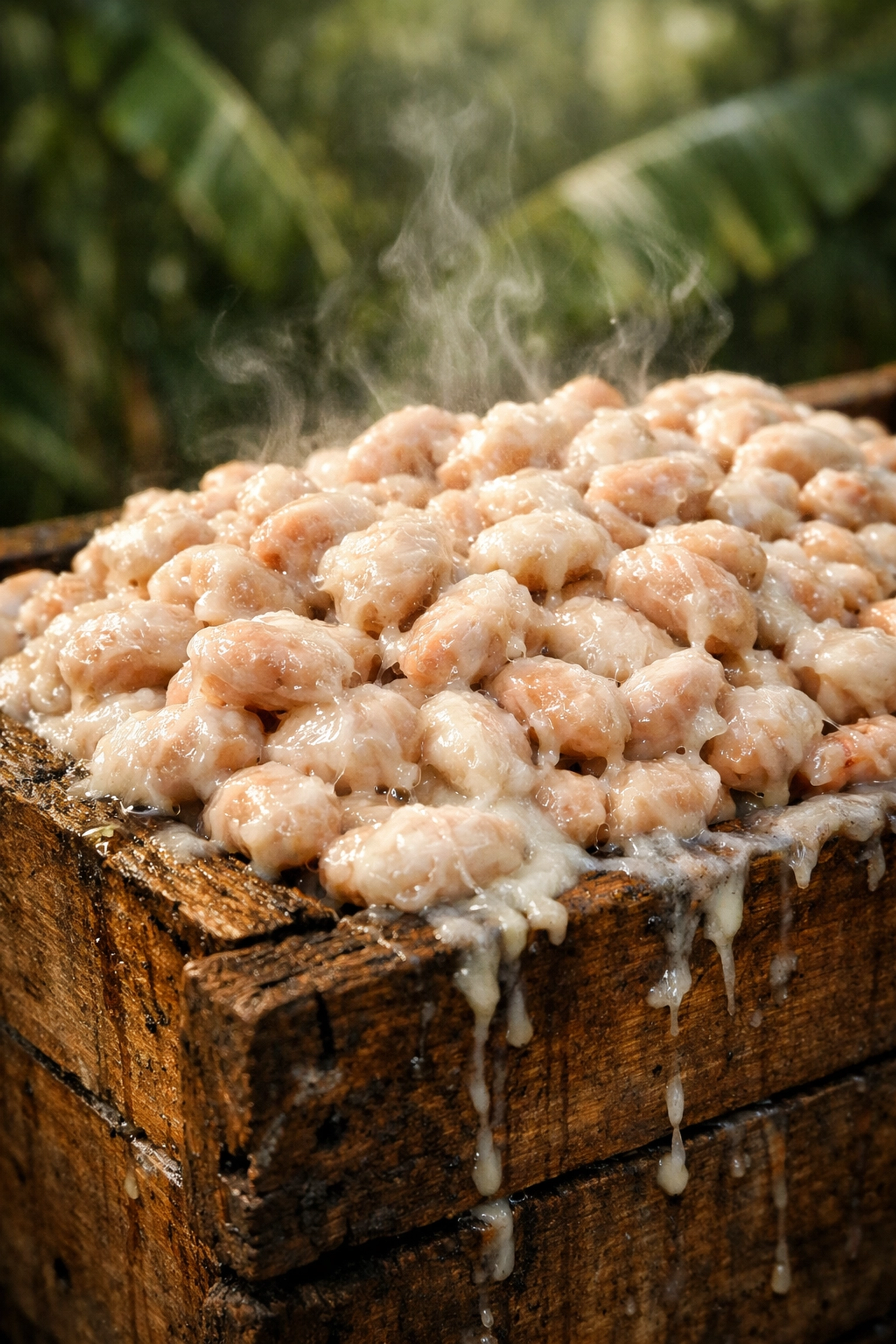
Fermentation is perhaps the most critical chemical stage in chocolate production. Once the cacao pods are harvested and the seeds (beans) are extracted, they are placed in fermentation boxes, usually covered with banana leaves.
During this 5-to-7-day period, a complex succession of microorganisms: yeast, lactic acid bacteria, and acetic acid bacteria: work to transform the pulp’s sugars into alcohol and then into acetic acid. This process is highly exothermic, with temperatures within the fermentation piles often reaching up to 50°C (122°F).
Microbial Action: Yeasts first convert sugars into ethanol. As oxygen is introduced through "turning" the beans, acetic acid bacteria take over, oxidizing the ethanol into acetic acid.
Cellular Breakdown: The heat and acid generated during fermentation penetrate the bean, breaking down cell walls and ending the bean's germination capability.
Flavor Precursors: This stage is essential for reducing the natural bitterness of the bean. It triggers the development of flavor precursors, specifically peptides and reducing sugars, which are necessary for the later Maillard reaction.
2. Drying and Oxidative Transitions
Following fermentation, beans must be dried to reduce moisture content from approximately 60% to under 7%. This step is not merely about preservation; it is a period of continued chemical change. As the beans dry, oxygen enters the bean, facilitating the oxidation of polyphenols. This enzymatic browning reduces astringency and begins the transition of the bean's color from purple to the characteristic chocolate brown.
3. Roasting: The Maillard Reaction
Roasting is the stage where "chocolate" flavor is truly born. This process involves the Maillard reaction: a chemical reaction between amino acids and reducing sugars.
Development of Volatile Compounds: Roasting at temperatures between 120°C and 150°C produces hundreds of volatile compounds, including pyrazines, which contribute to the nutty and roasted aromas.
Sterilization: From a safety perspective, roasting serves as a critical kill-step, eliminating pathogens such as Salmonella that may have been present during the outdoor fermentation process.
4. Conching and Tempering: Physical Chemistry
The final stages of chocolate making involve physical chemistry. Conching: long periods of agitation and heating: further reduces moisture and drives off unwanted volatile acids (like acetic acid).
Tempering is the controlled cooling and reheating of chocolate to manipulate the crystallization of cocoa butter. Students can observe how different cooling rates lead to different crystal structures (specifically seeking "Type V" crystals), which determine the chocolate’s final "snap," shine, and melting point. To learn more about how these experiences compare to traditional lab settings, see Costa Rica vs. Classroom Labs.
The Chemistry of the Perfect Brew: Coffee Production
Costa Rica’s volcanic soil and varied altitudes create the ideal "terroir" for Coffea arabica. Like cacao, coffee undergoes significant chemical transformations that students can analyze during a school trip to Costa Rica.
1. Post-Harvest Processing
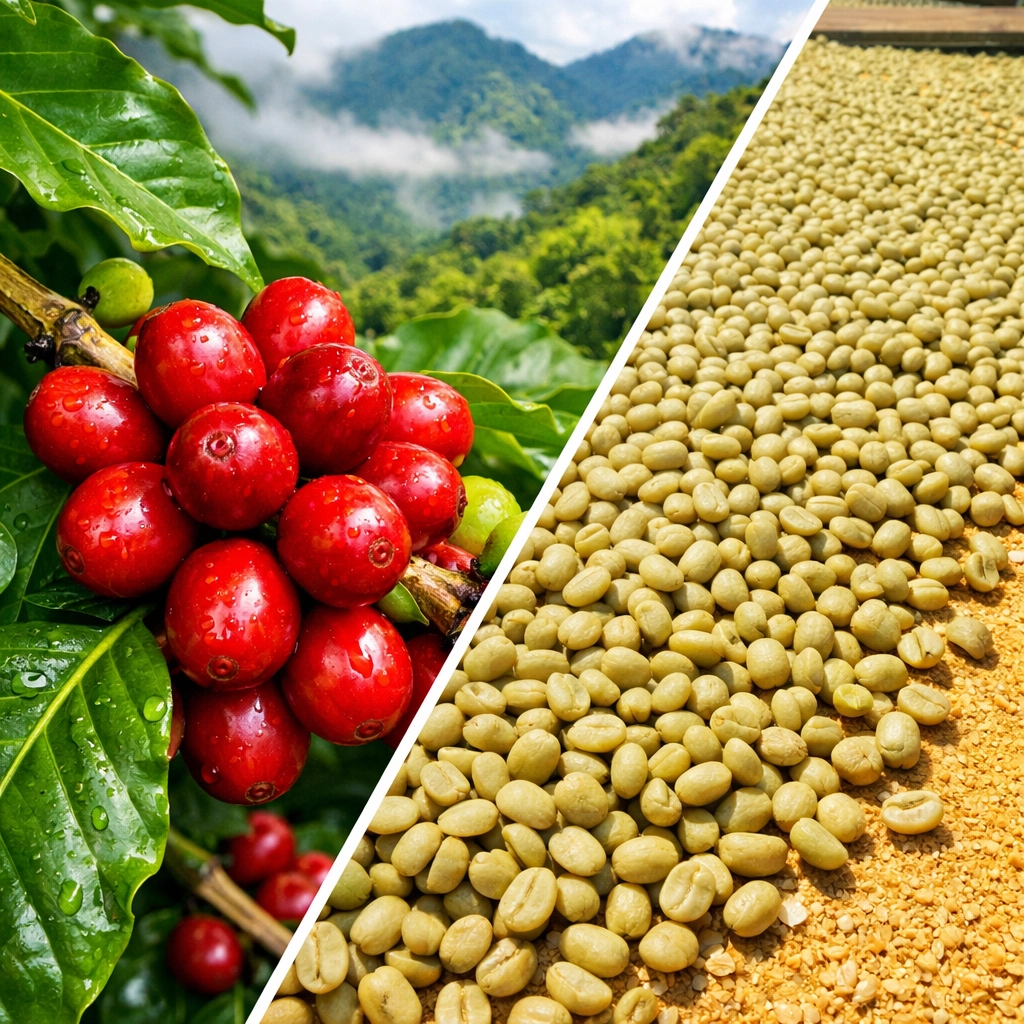
The method used to remove the fruit (cherry) from the seed (coffee bean) dictates the bean’s chemical profile.
Washed Process: Focuses on removing all mucilage through fermentation in water tanks, resulting in a "clean" acidity.
Natural Process: The fruit is dried whole, allowing the sugars from the pulp to interact with the bean for a longer duration, leading to increased ester production and fruitier flavors.
2. The Roast: Pyrolysis and Caramelization
Roasting coffee is a race against time and temperature. Students can monitor the "first crack," a physical manifestation of an endothermic-to-exothermic transition where water vapor and CO2 escape the bean.
Pyrolysis: At high temperatures, the chemical constituents of the bean begin to decompose, releasing gases and creating the bean's porous structure.
Caramelization: As sugars break down, they create the sweetness and brown color of the roast. However, if roasting continues too long into "second crack," the flavor profile shifts toward bitterness as carbonization takes over.
3. Extraction Chemistry: Solubility and pH
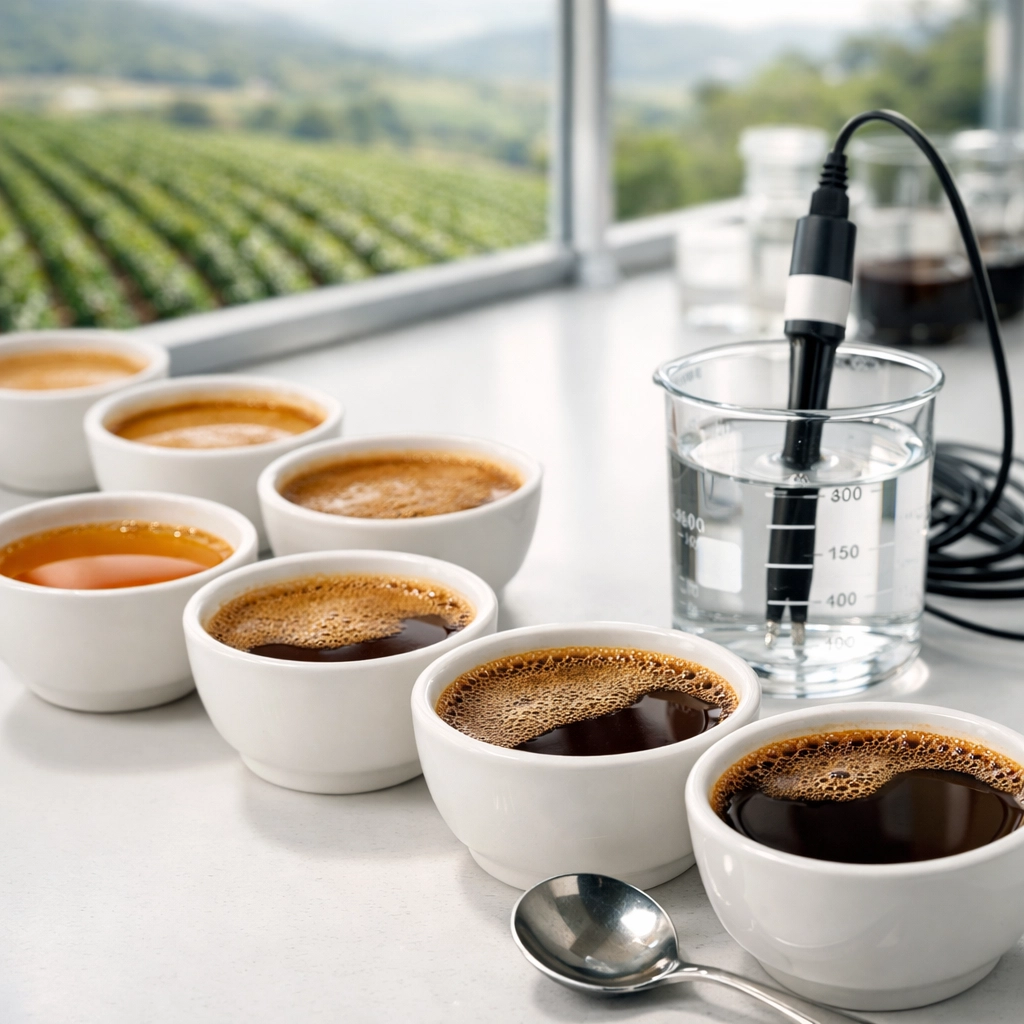
The final chemical stage is extraction: dissolving the soluble solids of the roasted bean into water. This provides an excellent opportunity for students to study:
Solubility: How temperature and grind size affect the rate at which caffeine, acids, and lipids are extracted.
pH Levels: Measuring the acidity of different roasts. Lighter roasts typically retain more chlorogenic acids, providing a brighter, more acidic profile than darker roasts.
Implementing Field Safety and Rigorous Planning
Organizing a food science expedition requires meticulous attention to detail and a commitment to student safety. Educators must ensure that the transition from the classroom to a working farm or processing plant is managed with professional oversight.
Safety Protocols for Food Science Trips
Environmental Awareness: Costa Rica’s tropical climate requires proactive hydration and sun protection strategies. High-altitude coffee farms can present cooler temperatures and steep terrain, necessitating appropriate footwear and gear.
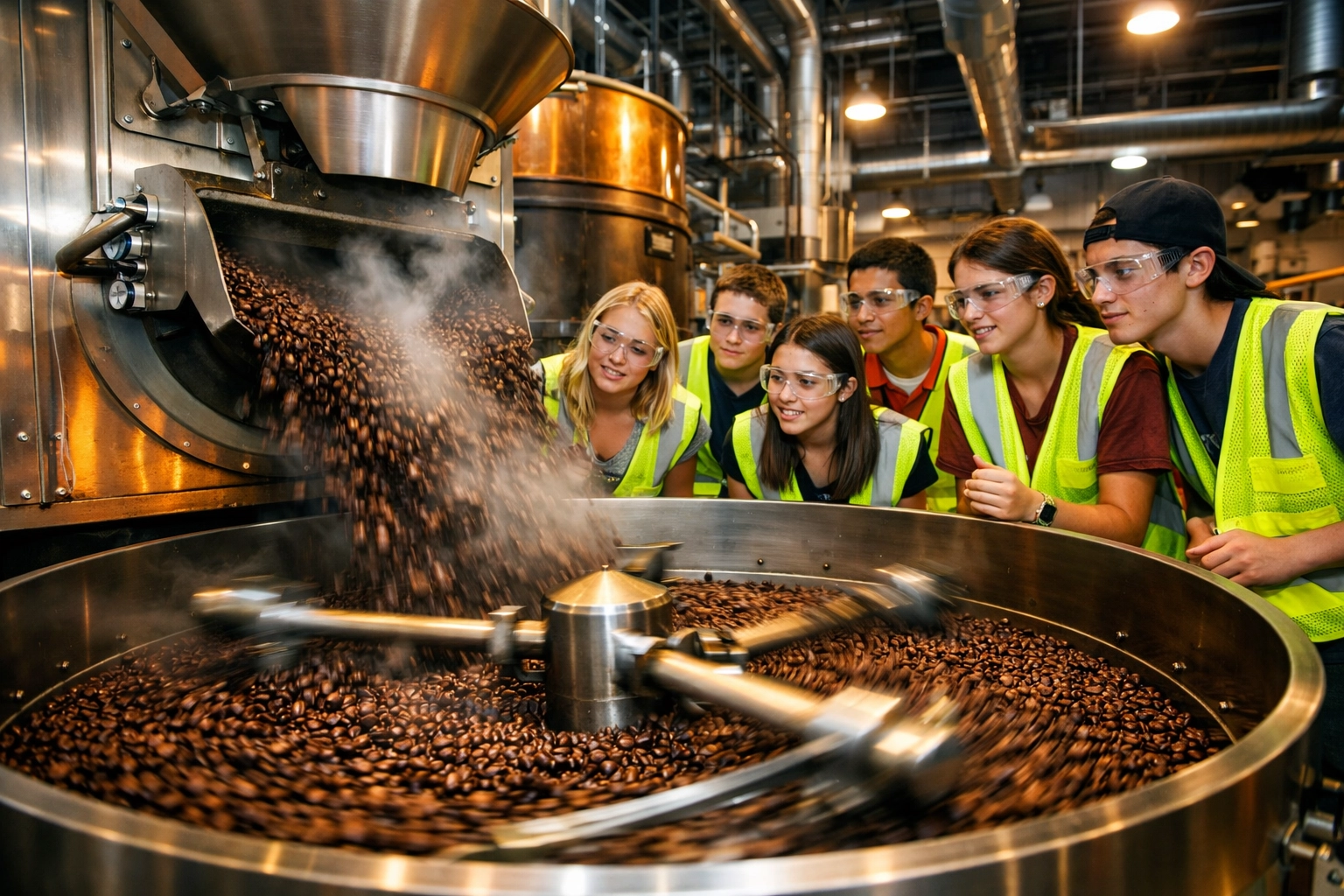
Industrial Safety: Processing plants for coffee and cacao involve heavy machinery, high temperatures (roasters), and sharp tools (machetes for harvesting). Ensure students are briefed on "no-go" zones and that all site visits are conducted under the supervision of experienced guides.
Food Safety Education: Instruct students on the importance of hygiene in food processing. Discussing the "kill-step" in roasting is not only a chemistry lesson but a fundamental lesson in public health and food safety.
Pedagogical Strategies
To maximize the educational impact, instructors should:
Utilize Field Journals: Require students to document temperature changes during fermentation or the sensory shifts during a coffee cupping session.
Pre-Trip Preparation: Review the basics of organic chemistry and enzymatic reactions before departure so students can recognize these processes in real-time.
Encourage Inquiry: Have students interview local farmers and "Master Roasters" to understand how traditional knowledge aligns with scientific principles.
A Commitment to Professional Excellence
At Appleseed Expeditions, we believe that travel should be more than a vacation; it should be a rigorous extension of the classroom. By focusing on the chemistry of Costa Rica’s most famous exports, students gain a profound appreciation for the science behind their daily lives.
Ensuring the safety and academic growth of your students is our primary objective. Our itineraries are designed to balance high-level scientific instruction with the inherent excitement of exploration. Whether you are analyzing the fermentation of cacao or the biodiversity of the surrounding rainforest, our goal is to provide a seamless, secure, and transformative experience.
For more information on planning your next educational journey, visit our Sitemap or explore our Costa Rica service-learning guides to see how we integrate conservation with science.
Reaffirming Our Educational Objectives
By the end of a "Bean to Bar" expedition, students will have moved beyond the memorization of chemical formulas to a functional understanding of how those formulas manifest in the real world. They will understand that the flavor of a chocolate bar or a cup of coffee is the result of a delicate balance of biology, chemistry, and human craftsmanship.
As an educator, your role is to facilitate this connection, and our role at Appleseed Expeditions is to ensure you have the safest, most professional platform possible to do so. Prepare your students for a future where they view the world through the lens of scientific inquiry and global responsibility. We invite you to explore our booking services to begin planning a trip that will leave a lasting impact on your students' academic careers.
This is such a great way to bring chemistry to life for students. I took a similar food science trip years ago, and honestly, the fermentation stage was the part that stuck with me most—watching how a simple temperature shift changes the entire flavor profile is wild. The way the article breaks down the Maillard reaction and the microbial succession makes it so approachable, even for someone like me who struggled with organic chem. If you’re an educator planning a trip like this, it’s also worth using a Free AI Image Generator to create visual aids of molecular structures or fermentation timelines for pre-trip lessons. It makes the prep work a lot easier and the visuals really help students grasp…
Really enjoyed the way the article connects science with everyday experiences like coffee and chocolate production. It reminds me that education often becomes more engaging when theory is linked with real-world context. Similarly, students researching MBBS fees in Bosnia often look beyond just tuition and try to understand the overall learning environment and living costs, which generally range around €3,000–€6,000 per year depending on the university.