


Belize Marine Science Adventure: Hands-On Learning in the World's Second Largest Barrier Reef
- Caleb Mullenix
- Nov 11, 2025
- 5 min read

Preparing students for transformative marine science education requires selecting destinations that offer both exceptional biodiversity and meaningful research opportunities. Belize stands as the premier location for hands-on marine science learning, providing direct access to the Mesoamerican Barrier Reef: the world's second largest coral reef system. This UNESCO World Heritage Site serves as a living laboratory where students transform theoretical classroom knowledge into practical understanding of marine ecosystems, conservation principles, and scientific research methodologies.
The Belize Barrier Reef: A Natural Marine Laboratory
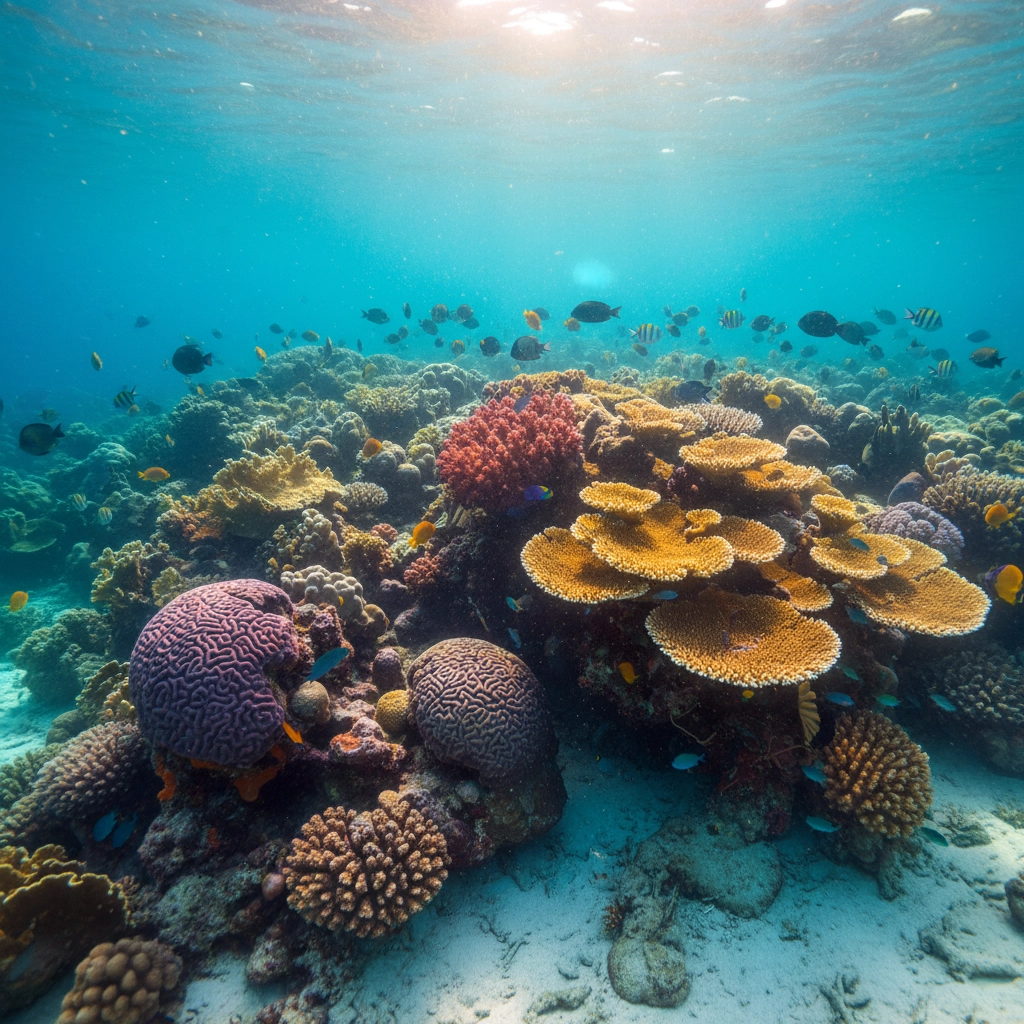
The Belize Barrier Reef extends 190 miles along the country's Caribbean coastline, encompassing three distinct atolls, hundreds of cayes, and extensive reef formations that support over 500 species of fish and 65 coral species. This remarkable ecosystem provides students with unparalleled access to diverse marine environments within a manageable geographic area. Most research sites lie within 30 minutes of established marine stations, enabling repeated visits for long-term data collection and comprehensive ecosystem studies.
Understanding the reef's structure enhances student learning outcomes significantly. The system comprises 70 hard coral species, 36 soft coral species, and hundreds of invertebrate species, creating one of the most biodiverse marine ecosystems on Earth. Remarkably, scientists estimate that only 10% of all species within this system have been discovered and cataloged, presenting students with genuine opportunities to contribute to ongoing marine research efforts.
Comprehensive Hands-On Marine Science Activities
Coral Reef Health Assessment and Monitoring
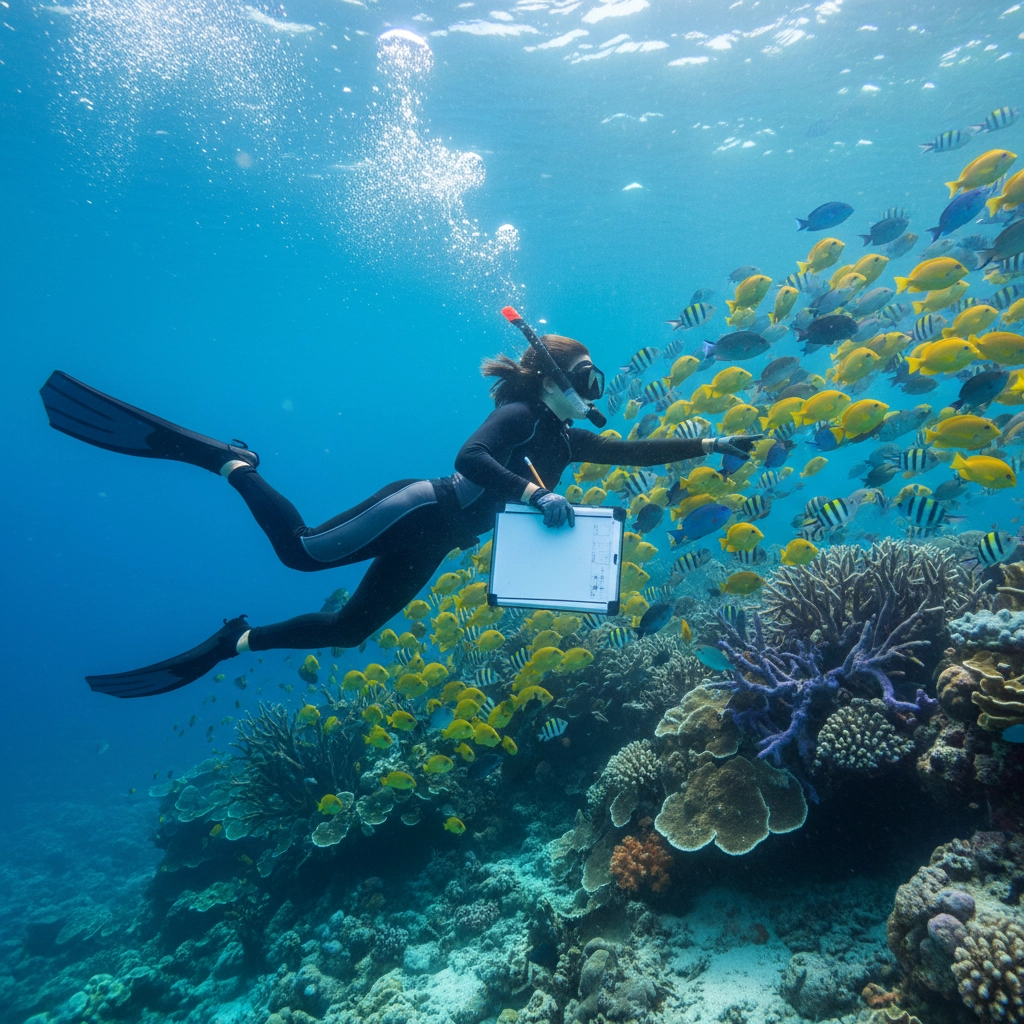
Students learn standardized monitoring techniques used by professional marine biologists worldwide through systematic coral reef health assessments. Begin by training students to identify major coral species including brain coral, staghorn coral, and plate corals using field identification guides. Establish permanent monitoring transects using GPS coordinates and underwater markers, ensuring data consistency across multiple visits.
Students assess coral coverage percentages while identifying bleaching events and disease symptoms using established scientific protocols. Record data on waterproof sheets, measuring coral colony diameters and photographing specimens for later analysis. This systematic approach teaches students to recognize environmental stressors affecting coral health while contributing to long-term monitoring datasets used by marine conservation organizations.
Fish Population Surveys and Behavioral Studies
Conduct point-count surveys where students position themselves at designated locations and identify fish species within specified time intervals. Students learn to recognize indicator species including parrotfish, grouper, snapper, and angelfish populations that reflect reef ecosystem health. Estimate fish sizes, record abundance data, and document behavioral observations such as feeding patterns and territorial displays.
Advanced students conduct transect surveys, swimming predetermined routes while documenting fish communities along measured distances. This methodology teaches students to collect quantitative data that can be compared across different reef zones and time periods, developing understanding of population dynamics and ecosystem relationships.
Marine Invertebrate Research and Ecological Interactions
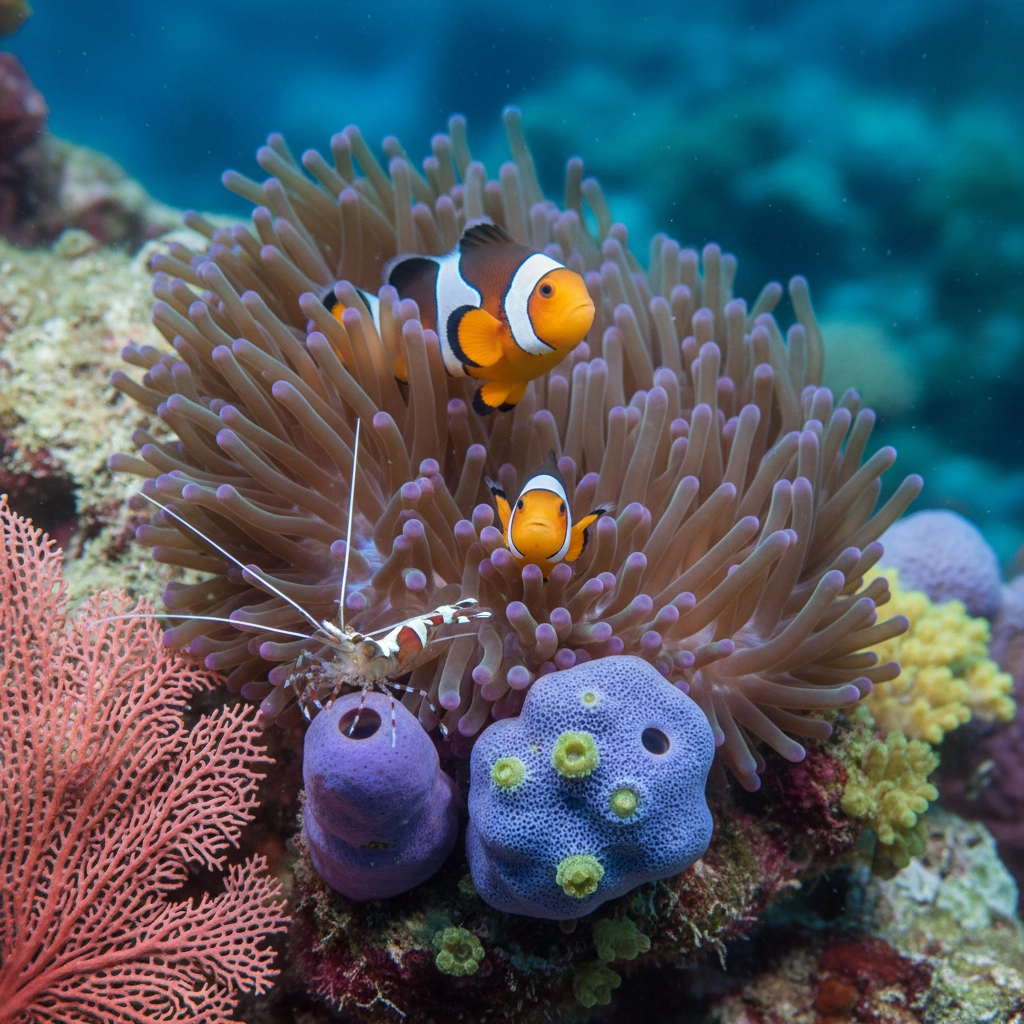
Focus student attention on invertebrate communities that serve as foundation species within reef ecosystems. Students collect and examine sponges, sea fans, sea urchins, and crustaceans while learning proper identification techniques and understanding ecological functions. Emphasize non-invasive sampling methods and appropriate specimen handling protocols to minimize environmental impact.
Investigate symbiotic relationships through direct observation, including cleaner shrimp stations, anemone-crab partnerships, and coral-algae associations. Students develop understanding of complex ecological interactions that maintain ecosystem stability while learning to document these relationships through detailed field notes and underwater photography.
Water Quality Analysis and Environmental Monitoring
Students measure critical parameters including temperature, salinity, pH levels, dissolved oxygen, and turbidity using professional field equipment. Learn to interpret data in relation to coral health and marine organism survival requirements, comparing readings between different reef zones and relating findings to environmental stressors.
Connect water quality measurements to broader environmental issues including coastal development impacts, climate change effects, and pollution sources. Students analyze data patterns over time, developing skills in scientific data interpretation while understanding how local and global factors influence marine ecosystem health.
Real-World Conservation Projects and Community Engagement
Coral Restoration and Propagation Programs
Participate in active coral restoration efforts by learning coral fragmentation and nursery techniques used by marine conservation organizations. Students work alongside marine biologists to collect coral fragments, establish nursery structures, and monitor growth rates of restored coral colonies. This hands-on conservation work demonstrates how scientific research translates into practical environmental restoration efforts.
Document restoration progress through photographic monitoring and growth measurements, creating datasets that contribute to broader coral restoration research. Students understand both the challenges and successes of marine conservation while developing appreciation for the long-term commitment required for ecosystem restoration.
Marine Protected Area Research and Management
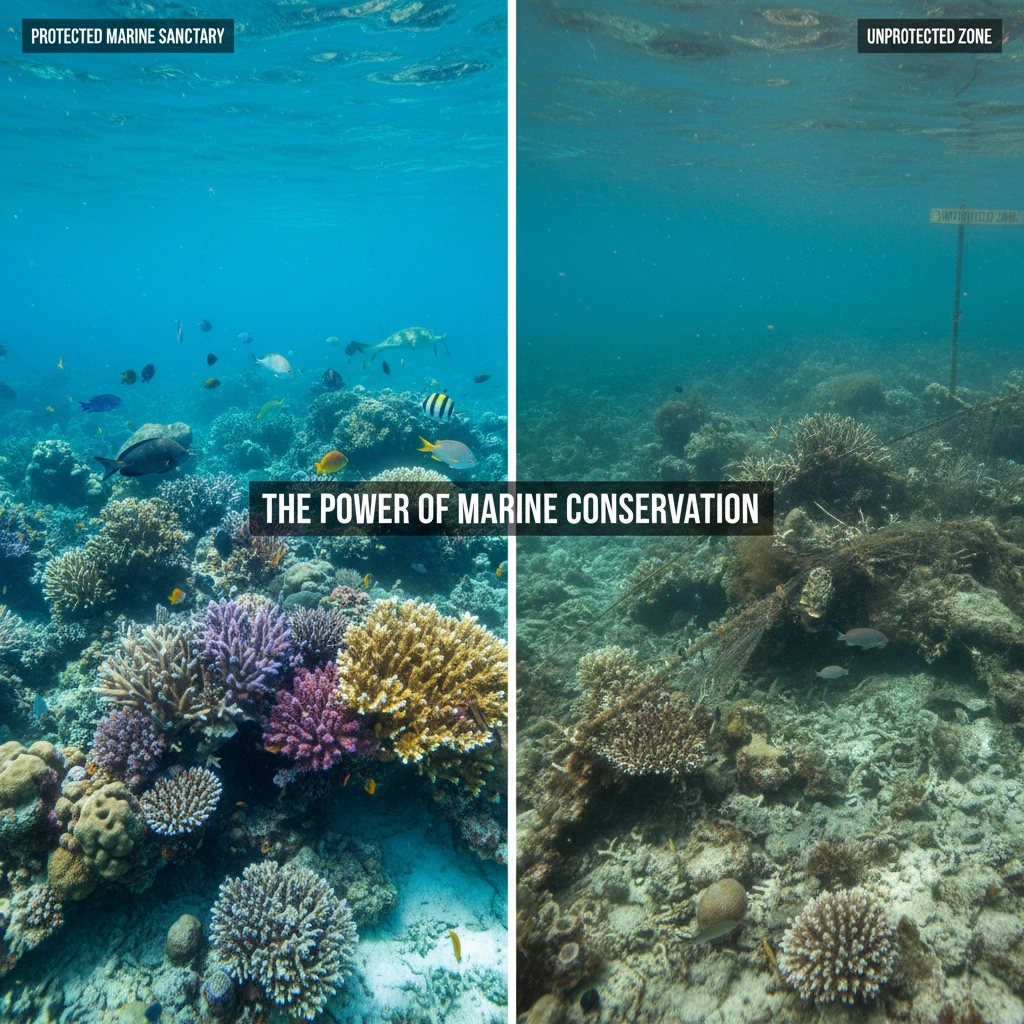
Engage students in research projects that support marine protected area management decisions. Conduct comparative studies between protected and unprotected reef areas, documenting differences in fish populations, coral coverage, and overall ecosystem health. Students learn how scientific research informs conservation policy while understanding the importance of marine protected areas for ecosystem preservation.
Collaborate with local marine park rangers and conservation organizations to understand management challenges and conservation strategies. This community engagement teaches students about the human dimensions of marine conservation while highlighting career opportunities in marine resource management.
Educational Benefits and Learning Outcomes
Scientific Method Application and Research Skills Development
Students apply the complete scientific method through hypothesis formation, experimental design, data collection, and analysis. Design research projects addressing specific questions about reef ecology, species behavior, or environmental impacts. Develop skills in scientific writing through research reports and data presentation, preparing students for advanced scientific study.
Learn to use professional scientific equipment including underwater data collection devices, water quality meters, and microscopy equipment. Students gain familiarity with research techniques used in marine biology careers while developing confidence in scientific problem-solving approaches.
Environmental Awareness and Conservation Ethics
Develop deep understanding of marine ecosystem complexity and the interconnectedness of ocean systems with global environmental health. Students observe firsthand the impacts of climate change, pollution, and human activities on marine environments, fostering environmental stewardship attitudes that extend beyond the classroom.
Understand the economic and cultural importance of marine ecosystems to local communities, developing appreciation for the human dimensions of conservation. Students learn about sustainable tourism, fishing practices, and community-based conservation efforts that balance environmental protection with economic development needs.
Preparing Students for Marine Science Expeditions
Pre-Trip Academic Preparation and Skill Development
Begin preparation with comprehensive classroom instruction covering marine ecology fundamentals, species identification, and research methodology. Students should master basic snorkeling skills and water safety protocols before departure, ensuring they can focus on scientific activities rather than swimming techniques during field work.
Provide students with field guides, data collection sheets, and underwater writing materials. Practice using scientific equipment in controlled environments, allowing students to become comfortable with procedures before applying them in marine settings. Establish clear safety protocols and emergency procedures, emphasizing the importance of buddy systems and supervised activities.
Post-Trip Analysis and Knowledge Integration
Extend learning beyond the field experience through comprehensive data analysis and presentation projects. Students compile field notes, analyze collected data, and prepare scientific presentations sharing their findings with school communities. Create opportunities for students to connect their Belize experiences with broader environmental science curricula and career exploration activities.
Ensuring student safety while maximizing learning opportunities requires careful coordination with experienced educational travel providers who understand both marine science education requirements and international travel logistics. Partnering with organizations that specialize in marine science expeditions provides students with expert instruction while maintaining the highest safety standards.
Appleseed Expeditions offers comprehensive Belize marine science programs designed specifically for student groups, combining hands-on research opportunities with expert instruction and safety management. These programs provide students and educators with transformative marine science experiences that inspire lifelong environmental stewardship while developing practical scientific skills that prepare students for advanced study and marine science careers.
Comments