


Cayman Islands vs. Belize: Which Marine Science Program Is Best for Your Students?

Selecting the optimal marine science program for your students represents one of the most impactful educational decisions you can make. The choice between Cayman Islands and Belize programs will shape your students' understanding of marine ecosystems, conservation challenges, and scientific methodology for years to come. Both destinations offer world-class marine environments, but each provides distinctly different educational approaches and learning outcomes.
Understanding the specific strengths, program structures, and educational objectives of each location ensures you maximize learning opportunities while meeting your curriculum goals and student needs.
Cayman Islands: Research-Intensive Marine Science Education
The Cayman Islands marine science programs center around the Central Caribbean Marine Institute (CCMI) on Little Cayman, providing students with access to cutting-edge research facilities and pristine Caribbean reef systems. This location offers the most comprehensive range of program options, accommodating students from high school through university levels.
Program Diversity and Structure
The Cayman Islands presents four distinct educational pathways, each designed for specific age groups and academic objectives:
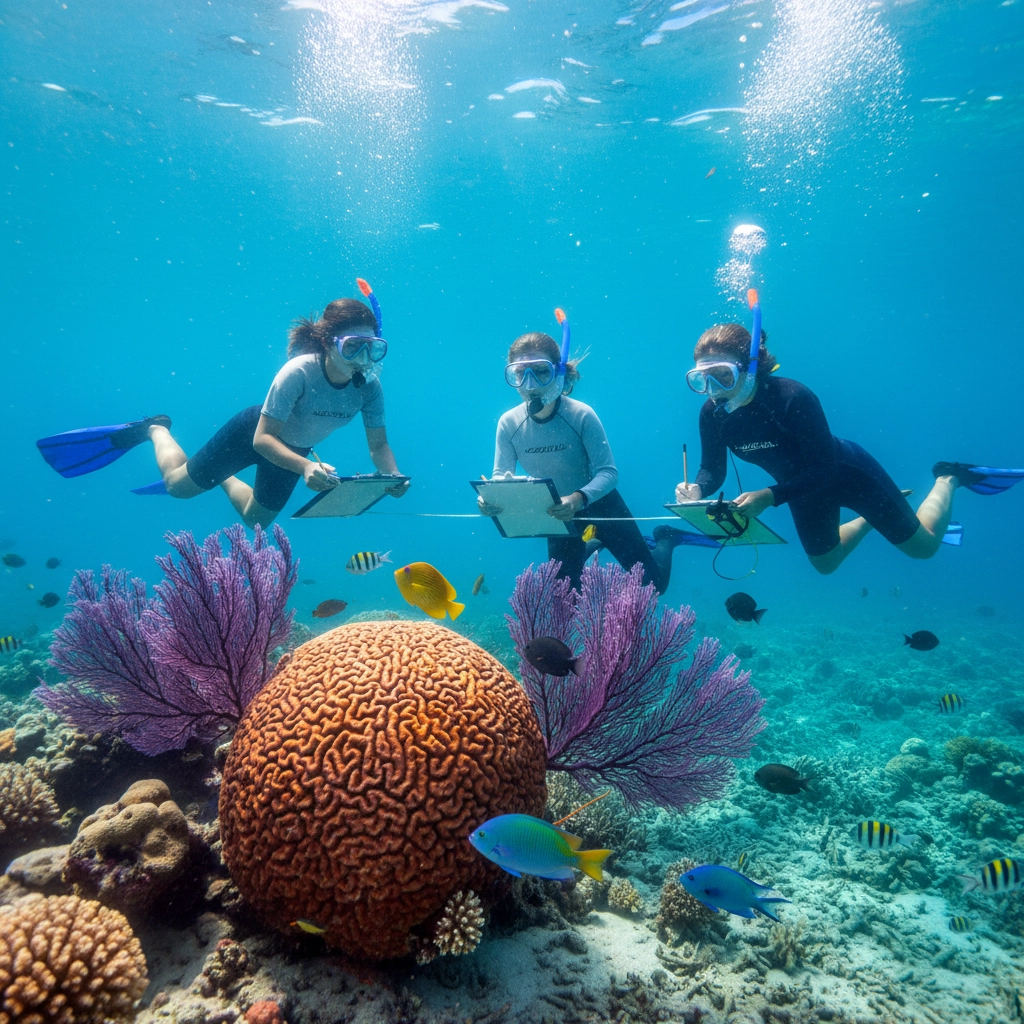
High School Summer Camp serves students aged 13-17 through a week-long intensive program combining classroom instruction with hands-on field research. Students engage in daily snorkeling sessions, marine species identification, and water quality testing while residing at the CCMI research station. The program emphasizes foundational marine ecology concepts through direct observation and data collection.
Marine Research Internship provides a three-month immersive experience for advanced students seeking serious research engagement. Participants contribute to ongoing studies in coral reef adaptation, restoration techniques, and climate change mitigation strategies. This program requires strong academic preparation and commitment to scientific methodology.
University Programme operates December 12-21, 2025, offering foundational tropical marine ecology instruction designed by Indiana University faculty. Students complete both theoretical coursework and practical field studies, earning academic credit while developing conservation science skills.
Youth Environmental Leadership Course (YELC) specifically targets Caymanian students aged 16-20, providing PADI certification alongside marine research experience. This program emphasizes local environmental stewardship and career development in marine sciences.
Educational Strengths and Learning Outcomes
The Cayman Islands programs excel in providing students with exposure to current marine research methodologies. Students work alongside professional researchers, gaining insights into coral resilience studies, climate adaptation research, and ecosystem restoration techniques. The research station environment fosters scientific thinking and provides access to laboratory facilities typically unavailable in traditional educational settings.
Students develop practical skills in data collection, species identification, underwater research techniques, and scientific communication. The programs emphasize critical thinking about conservation challenges and potential solutions, preparing students for advanced study or careers in marine sciences.
Belize: Comparative Marine Ecology Focus
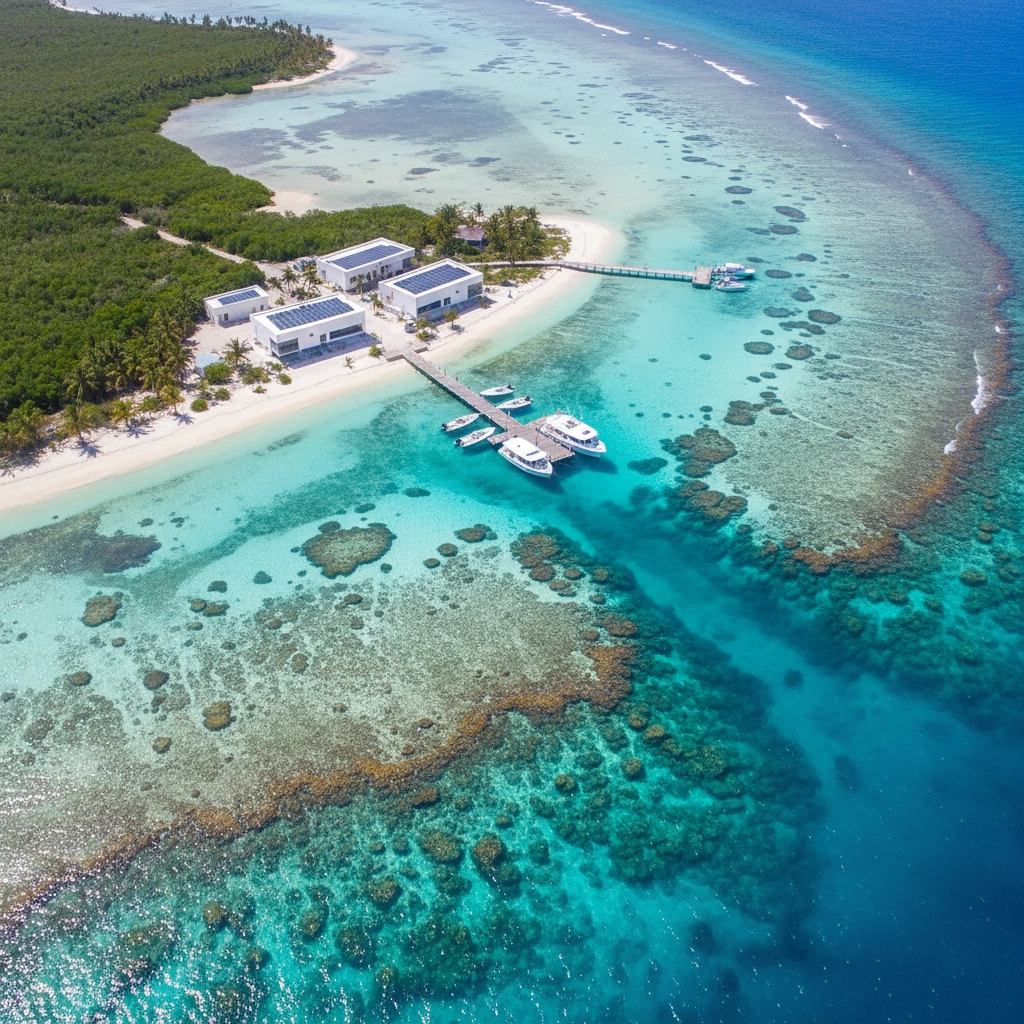
The Belize Tropical Marine Science Camp operates through the Tropical Research and Education Center (TREC) on Ambergris Caye, offering a specialized nine-day program for students aged 15-19. This program requires completion of the AIO Advanced program, ensuring participants possess foundational knowledge before arrival.
Program Structure and Approach
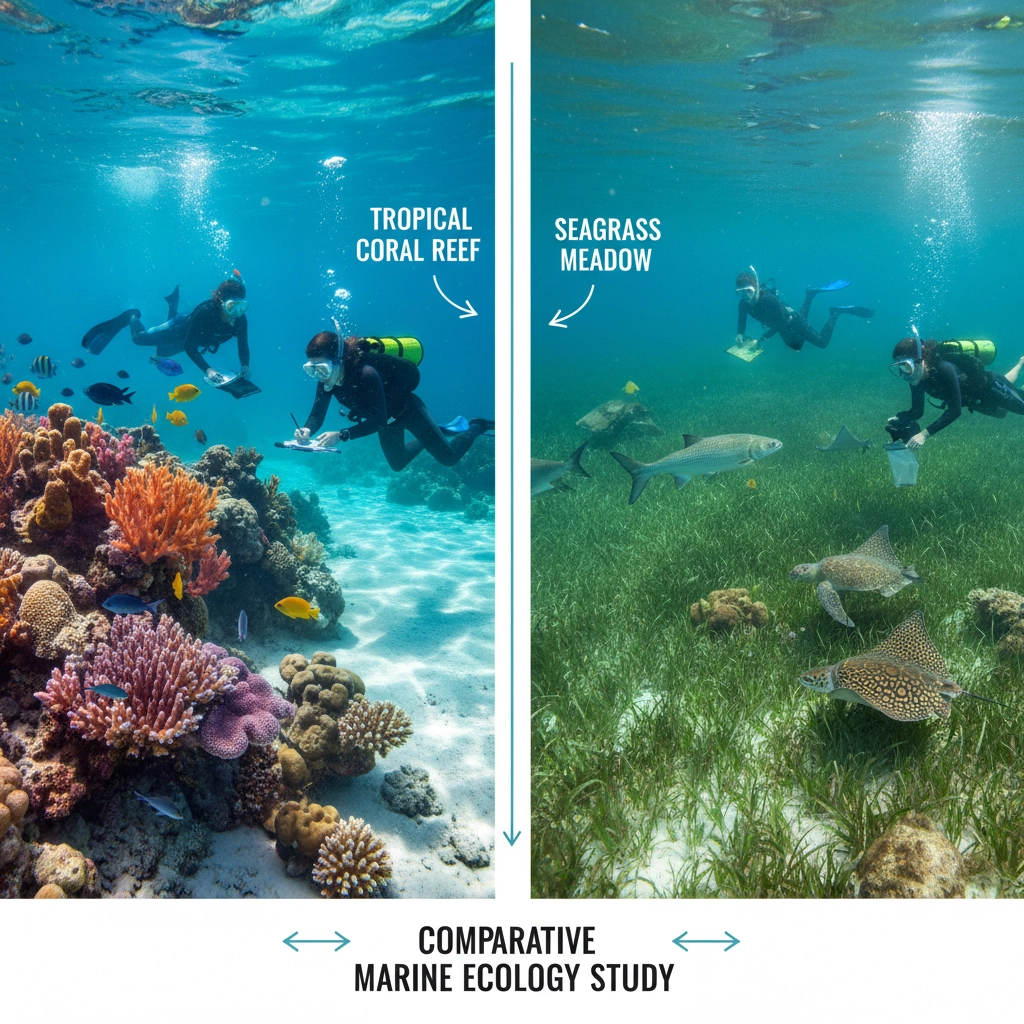
The Belize program emphasizes comparative marine ecology, contrasting tropical Caribbean systems with temperate marine environments students may already understand. Daily snorkeling sessions provide direct observation opportunities while structured lectures connect field observations to broader ecological principles.
Students reside at TREC facilities in San Pedro, experiencing both marine research activities and cultural immersion in Belizean coastal communities. The program concludes with student presentations demonstrating their comparative analysis skills and scientific observations.
Educational Focus and Methodology
Belize programs prioritize understanding ecosystem differences and similarities across marine environments. Students examine species diversity, habitat structures, and ecological relationships unique to tropical reef systems. The comparative approach strengthens critical thinking skills and reinforces previously learned concepts through new environmental contexts.
Cultural components provide additional learning dimensions, exposing students to traditional fishing practices, local conservation efforts, and community-based marine management approaches.
Direct Program Comparison
Accessibility and Prerequisites
Cayman Islands programs accommodate various preparation levels, from introductory high school students to advanced university participants. Multiple entry points ensure most student groups can find appropriate programming without extensive prerequisites.
Belize programs require AIO Advanced program completion, limiting accessibility but ensuring participants possess necessary foundational knowledge. This prerequisite system creates more focused learning environments but reduces program flexibility.
Duration and Scheduling Options
The Cayman Islands provides maximum scheduling flexibility through programs ranging from one-week summer camps to three-month research internships. Multiple start dates throughout the year accommodate diverse academic calendars and planning timelines.
Belize operates on fixed November scheduling with nine-day duration, requiring precise coordination with academic calendars. The mid-length format provides substantial immersion without semester-long commitments.
Research Opportunities and Scientific Engagement
Cayman Islands programs offer the most extensive research participation opportunities. Students contribute to ongoing scientific studies, work with professional research equipment, and potentially contribute to published research outcomes. The three-month internship provides particularly intensive research experience.
Belize focuses primarily on comparative observation and analysis rather than original research contribution. Students develop scientific observation skills and analytical thinking but typically do not participate in original data collection for research purposes.
Cultural Learning Components
Both locations provide cultural learning opportunities, but through different approaches. Cayman Islands programs emphasize international research collaboration and professional scientific culture within the marine research community.
Belize offers more extensive local cultural immersion, including interaction with fishing communities, traditional marine resource management practices, and Caribbean coastal lifestyle experiences.
Recommendations for Specific Student Populations
Beginning Marine Science Students (Ages 13-16)
Choose Cayman Islands High School Summer Camp for students seeking first exposure to marine science. The week-long format provides manageable introduction to scientific methodology while maintaining engaging recreational elements. No prerequisites ensure accessibility for diverse student backgrounds.
Ensure students possess basic swimming skills and comfort with snorkeling equipment before departure. Prepare students for collaborative learning environments and scientific vocabulary development.
Advanced High School Students (Ages 16-19)
Select Belize Tropical Marine Science Camp for students who have completed advanced marine science coursework and seek comparative learning experiences. The prerequisite requirement ensures appropriate academic preparation while the nine-day format provides substantial learning without excessive time commitment.
Verify AIO Advanced program completion before enrollment. Prepare students for independent thinking and comparative analysis assignments.
University-Level Students and Serious Researchers
Choose Cayman Islands Marine Research Internship or University Programme for students seeking intensive research experience and potential career preparation. These programs provide the most comprehensive scientific training and professional development opportunities.
Ensure students possess strong academic preparation and genuine commitment to marine science fields. Prepare for intensive schedule and professional research environment expectations.
Practical Planning Considerations
Budget and Cost Factors
Both destinations require significant financial investment, with costs varying based on program duration and included services. Cayman Islands programs typically cost $3,000 or more, depending on program length and accommodation levels. Belize program costs vary but generally provide competitive pricing for included services.
Plan for additional expenses including travel, equipment, and personal items. Consider fundraising opportunities and educational grant applications to support student participation.
Safety and Supervision Standards
Both locations maintain professional safety standards for marine activities and student supervision. Verify current safety protocols, emergency procedures, and staff-to-student ratios before finalizing program selection.
Ensure students possess appropriate medical clearances and swimming capabilities. Review insurance coverage and emergency contact procedures with all participants and families.
Equipment and Preparation Requirements
Cayman Islands programs typically provide most specialized research equipment but may require students to bring personal snorkeling gear and clothing appropriate for research station environments.
Belize programs require similar personal equipment preparation with emphasis on tropical climate clothing and sun protection. Verify specific equipment lists and availability of rental options.
Maximizing Educational Impact
Regardless of destination choice, maximize learning outcomes through comprehensive pre-trip preparation and post-trip integration. Establish clear learning objectives aligned with curriculum standards and student developmental needs.
Prepare students with foundational marine science vocabulary, basic ecosystem concepts, and research methodology principles. Post-trip activities should reinforce learning through presentations, research projects, and continued conservation engagement.
Consider connecting with Appleseed Expeditions to explore comprehensive educational travel planning that integrates marine science learning with broader curriculum objectives and ensures optimal student safety and educational outcomes.
Both Cayman Islands and Belize offer exceptional marine science education opportunities. Your choice should reflect your students' preparation levels, learning objectives, scheduling requirements, and desired depth of scientific engagement. Thorough preparation and clear educational goals will ensure transformative learning experiences regardless of destination selection.

Comments