


Combining Science and Service: Designing the Ultimate Manatee Expedition

Creating meaningful educational experiences requires more than traditional field trips. The ultimate manatee expedition combines rigorous scientific inquiry with authentic service learning, transforming students into citizen scientists while contributing to real conservation efforts. Crystal River offers unparalleled opportunities to design expeditions that merge marine science education with hands-on manatee protection initiatives.
Establishing Scientific Learning Objectives
Begin by identifying clear scientific learning objectives that align with curriculum standards and conservation goals. Focus on marine biology fundamentals, ecosystem interactions, and conservation science principles. Students should understand manatee physiology, habitat requirements, migration patterns, and the critical role of aquifer springs in supporting Florida's marine ecosystems.
Develop research questions that students can investigate during the expedition. Examples include: "How do water temperature fluctuations affect manatee congregation patterns?" or "What human activities most significantly impact spring water quality?" These questions provide framework for data collection and analysis throughout the experience.
Establish partnerships with marine research institutions before departure. Collaborate with organizations conducting ongoing manatee research to ensure student activities contribute to legitimate scientific databases. This partnership transforms student observations into meaningful data that supports conservation efforts.
Designing Environmental Monitoring Activities
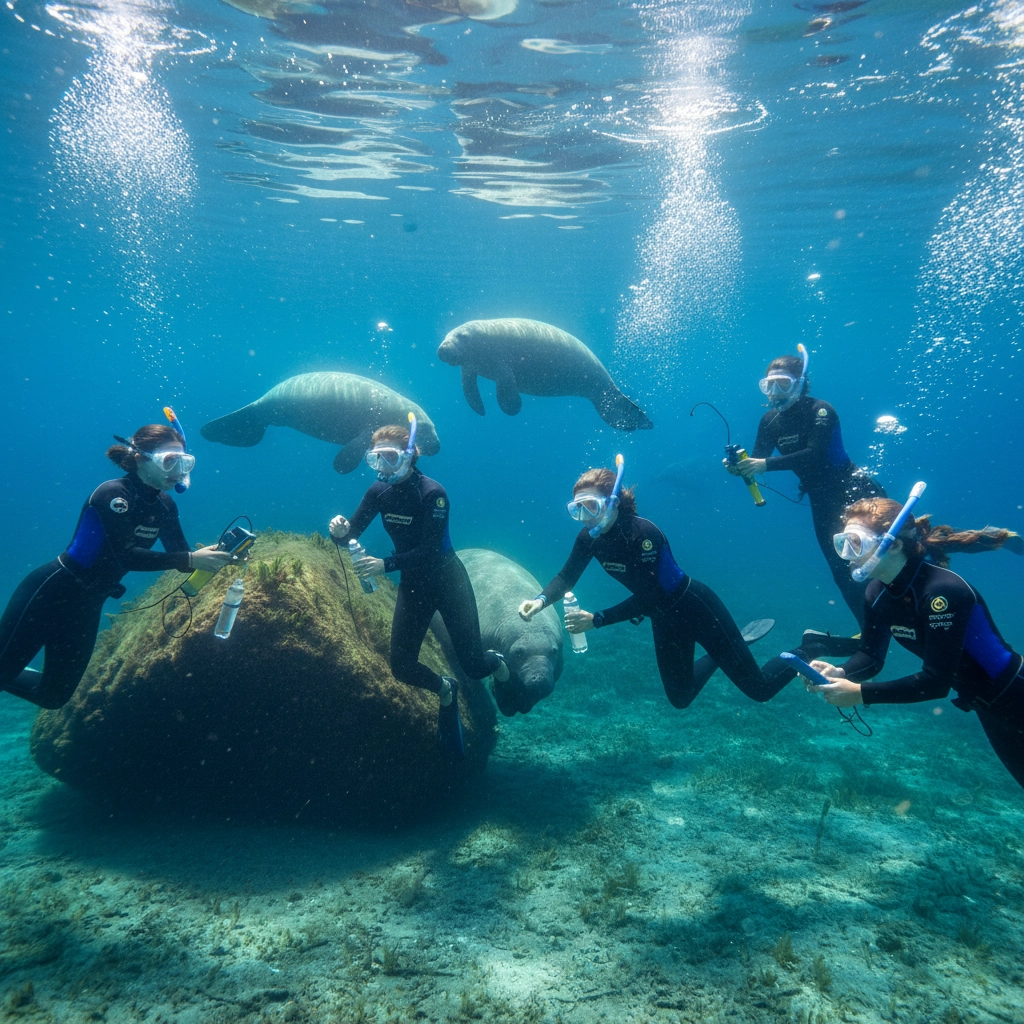
Structure comprehensive environmental assessment protocols that students can execute during the expedition. Begin with water quality monitoring, teaching students to measure temperature, salinity, dissolved oxygen levels, and turbidity using professional-grade equipment. Document findings in standardized data collection sheets that contribute to long-term ecosystem health databases.
Implement benthic ecology surveys to assess bottom communities and seagrass health. Students learn to identify key species, measure seagrass density, and evaluate habitat quality indicators. These activities provide tangible connections between ecosystem health and manatee survival while developing scientific observation skills.
Create systematic manatee observation protocols that follow federal guidelines. Students document behavioral patterns, habitat use, and population counts while maintaining required distances. Emphasize that scientific observation requires patience, precision, and respect for wildlife protection regulations.
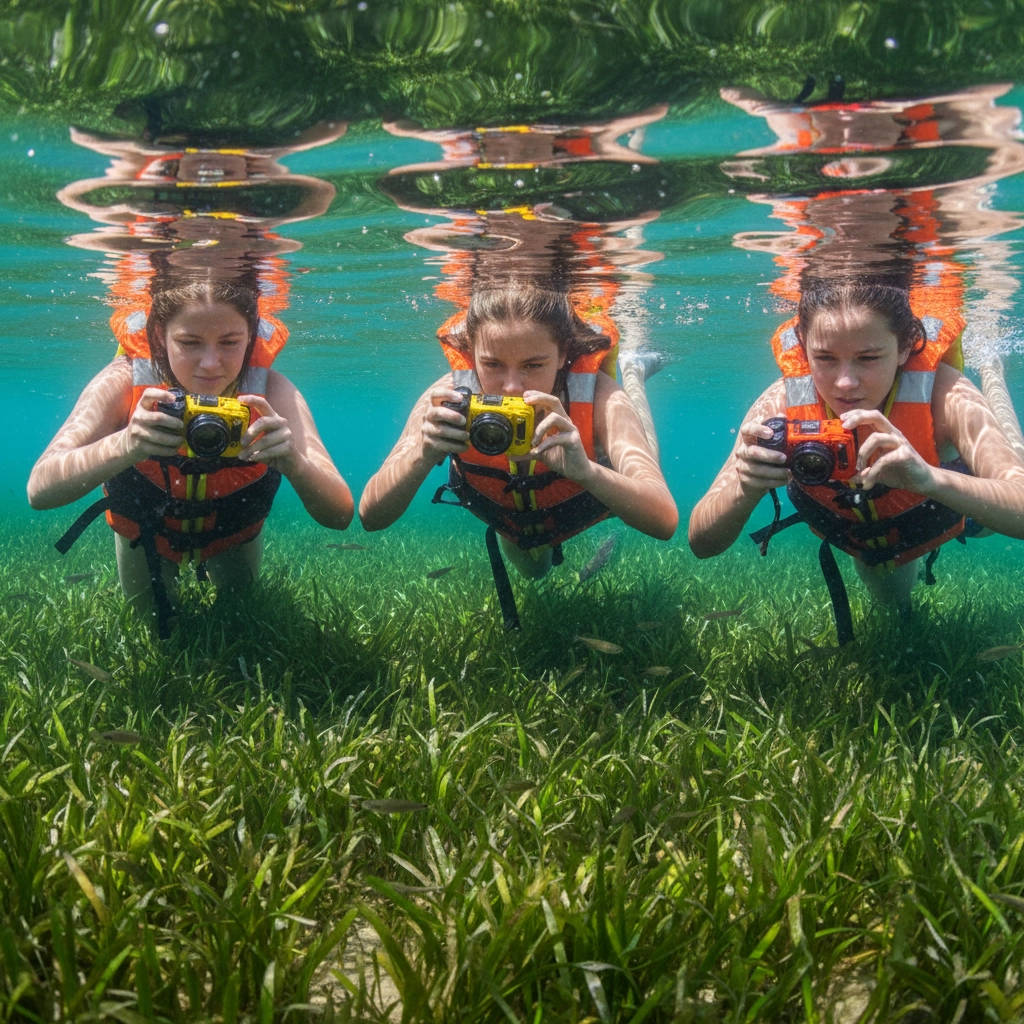
Establish photo-identification projects where students contribute to ongoing manatee catalog databases. Teach proper photography techniques for scientific documentation while ensuring all activities comply with viewing guidelines and protection measures.
Integrating Conservation Service Components
Design service learning activities that address real conservation challenges facing Crystal River's manatee population. Partner with local conservation organizations to identify specific needs where student efforts can make measurable impact. Focus on habitat restoration, water quality improvement, or public education initiatives.
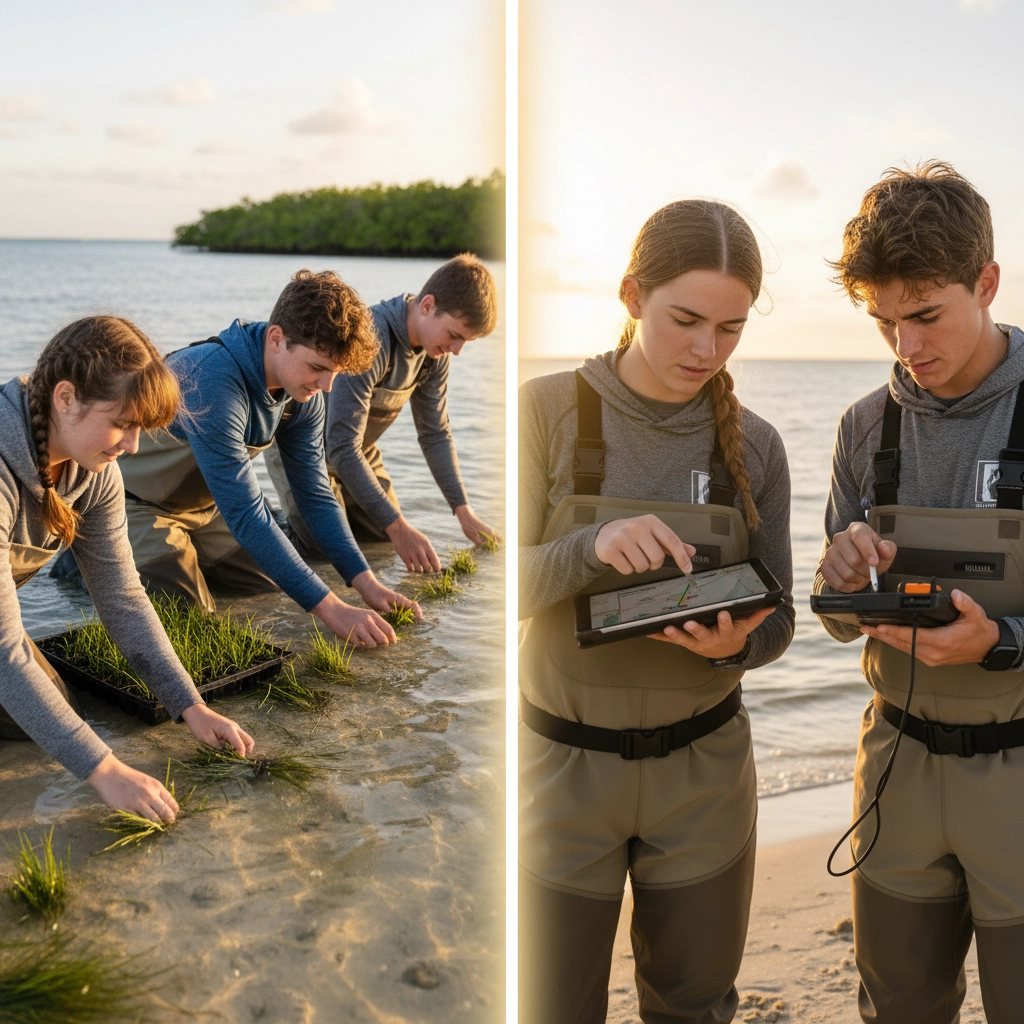
Organize seagrass restoration projects where students participate in planting and monitoring native aquatic vegetation. These activities directly improve manatee feeding habitats while teaching ecosystem restoration principles. Provide students with long-term monitoring responsibilities to track restoration success.
Implement debris removal and habitat cleanup activities in designated areas. Students document types and quantities of marine debris while learning about pollution impacts on marine ecosystems. Connect these activities to broader discussions about human impacts and individual responsibility for environmental protection.
Develop community education programs where students create educational materials for local schools, visitor centers, or conservation organizations. Students synthesize their scientific learning into accessible formats that promote manatee conservation awareness among broader audiences.
Establishing Safety and Ethical Protocols
Prioritize comprehensive safety briefings that cover all aspects of in-water activities and wildlife interactions. Students must understand federal regulations governing manatee interactions, including no-touch policies, distance requirements, and behavioral guidelines. Emphasize that scientific observation requires passive observation rather than active engagement.
Implement small group structures that ensure adequate supervision and minimize environmental impact. Maintain ratios that allow for individual attention while preventing overcrowding in sensitive habitats. Assign specific roles and responsibilities to each student to maintain organization and focus.
Create emergency action plans that address various scenarios including medical emergencies, equipment failures, and unexpected weather conditions. Ensure all participants understand communication protocols and emergency procedures before beginning activities.
Establish clear consequences for protocol violations that emphasize the serious nature of wildlife protection laws. Students must understand that violation of federal manatee protection regulations carries significant legal penalties and undermines conservation efforts.
Maximizing Educational Impact Through Technology
Incorporate technology tools that enhance scientific observation and data collection capabilities. Provide students with underwater cameras designed for scientific documentation, GPS units for habitat mapping, and tablets for real-time data entry and analysis.
Utilize water quality sensors that provide instant feedback on environmental conditions. Students learn to interpret data readings while understanding the connection between water chemistry and ecosystem health. These tools provide immediate gratification while developing technical skills.
Implement citizen science applications that allow students to contribute observations to national databases. Programs like iNaturalist or eMammal enable students to document species observations that contribute to broader research initiatives.
Create digital portfolios where students document their scientific observations, service activities, and learning reflections. These portfolios serve as assessment tools while providing tangible evidence of student growth and contribution to conservation efforts.
Coordinating With Local Stakeholders
Establish relationships with local tour operators who specialize in educational experiences and maintain exemplary safety records. Select operators who demonstrate commitment to conservation education and follow all federal guidelines for manatee interactions. Verify that all activities comply with Manatee Protection Plans specific to Crystal River and surrounding counties.
Coordinate with Florida Fish and Wildlife Conservation Commission representatives to ensure all activities align with current regulations and conservation priorities. These partnerships provide access to current research findings and management strategies while ensuring expedition activities support rather than hinder conservation efforts.
Connect with Crystal Springs Preserve and other local conservation organizations that offer educational programming and volunteer opportunities. These partnerships provide additional learning opportunities while demonstrating the collaborative nature of conservation work.
Engage with local marine research stations and universities that conduct ongoing manatee research. Students benefit from interactions with professional scientists while gaining insights into career opportunities in marine conservation and research.
Assessment and Documentation Strategies
Develop comprehensive assessment rubrics that evaluate both scientific learning and service contributions. Assess student ability to collect accurate data, analyze findings, draw evidence-based conclusions, and communicate results effectively. Include peer assessment components that emphasize collaboration and shared responsibility for expedition success.
Create reflection activities that help students connect their experiences to broader conservation challenges and career exploration. Encourage students to consider how their expedition experiences might influence future academic and professional decisions related to marine science and conservation.
Document expedition outcomes through multiple formats including research reports, service learning portfolios, and presentation opportunities for school and community audiences. These documentation activities reinforce learning while demonstrating the value of experiential education to stakeholders.
Establish follow-up activities that maintain student engagement with manatee conservation beyond the expedition experience. Connect students with ongoing citizen science projects, volunteer opportunities, and educational resources that support continued learning and service.
Ensuring Long-Term Impact
Design expedition experiences that create lasting connections between students and conservation work. Provide opportunities for students to maintain relationships with conservation organizations and continue contributing to manatee protection efforts through remote monitoring, fundraising, or advocacy activities.
Create alumni networks that connect expedition participants across multiple years, fostering ongoing collaboration and shared commitment to marine conservation. These networks provide mentorship opportunities while building communities of practice around conservation service.
Develop partnerships with high schools and colleges that offer advanced marine science programs, providing clear pathways for students who discover passions for marine biology and conservation during expedition experiences.
The ultimate manatee expedition transforms traditional field trip experiences into powerful learning opportunities that combine rigorous science education with meaningful service contributions. Through careful planning, ethical wildlife interactions, and authentic conservation partnerships, educators can create transformative experiences that inspire the next generation of marine scientists and conservation leaders while contributing to the protection of Florida's beloved manatees.

Comments