


Conservation in Belize: Student-Led Projects That Make a Difference

Establishing meaningful conservation experiences for students requires careful selection of destinations that offer authentic opportunities for environmental stewardship and scientific discovery. Belize stands as an exceptional location where student-led conservation projects create lasting impact while providing unparalleled educational experiences. Through hands-on participation in marine ecosystem protection, biodiversity monitoring, and community-based conservation initiatives, students develop critical thinking skills and environmental awareness that extends far beyond the classroom.
Marine Ecosystem Conservation Projects
Begin by understanding that Belize's marine conservation initiatives offer students direct participation in protecting the world's second-largest barrier reef system. Students engage in comprehensive invasive species management programs, focusing primarily on controlling Lionfish populations that threaten Caribbean reef ecosystems. These programs typically involve intensive diving schedules, with students participating in 12-13 dives per week while learning spearfishing techniques and conducting biodiversity identification surveys.
Ensure that students understand the ecological significance of their work by emphasizing how invasive species removal directly contributes to reef recovery efforts. Students participate in weekly beach and island cleanup initiatives, addressing plastic pollution that affects the Belize Barrier Reef. This hands-on approach teaches students about ecosystem dynamics while providing measurable conservation outcomes.
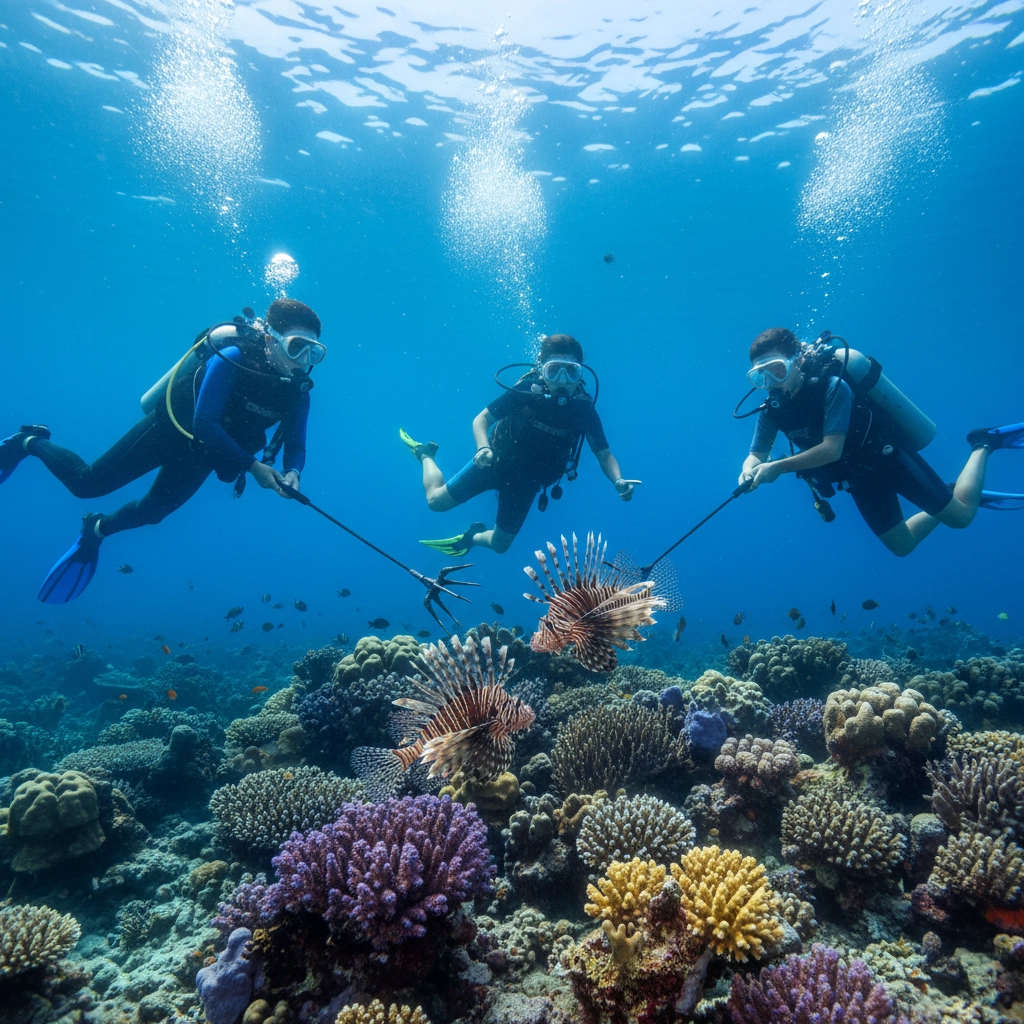
Create opportunities for students to engage in citizen science projects that generate valuable data for ongoing marine conservation research. Through structured programs in coastal areas like Placencia, students identify marine species, analyze impacts of local seaweed farming practices, and work alongside established conservation networks. Students also participate in research initiatives such as BRUV (Baited Remote Underwater Video) monitoring, which positions them as active contributors to long-term marine conservation databases.
Emphasize the importance of proper training and safety protocols before students begin underwater conservation work. Ensure that all participants receive comprehensive diving instruction and understand emergency procedures specific to marine environments.
Mangrove and Coastal Ecosystem Monitoring
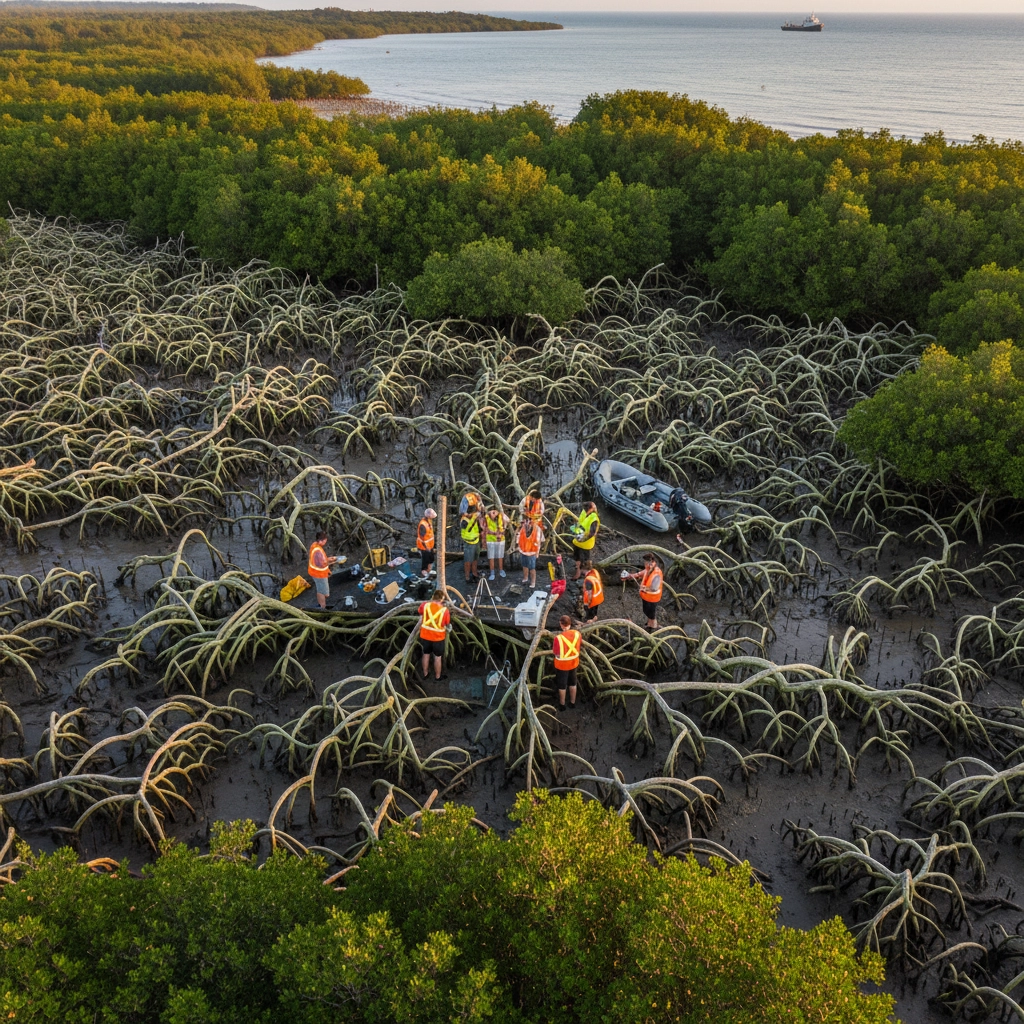
Establish student understanding of mangrove ecosystems through Project Mangrove, a collaborative initiative focused on climate resilience in coastal Belize. Located at the University of Belize's field station on Calabash Caye within the Turneffe Atoll Marine Reserve, this program allows students to explore the interconnected "Ridge to Reef" concept, demonstrating how terrestrial and marine ecosystems work together to enhance climate resilience.
Guide students through hands-on mangrove research that includes water quality testing, species identification, and habitat mapping. Students develop comprehensive understanding of mangrove ecosystems' role in climate change adaptation while contributing to ongoing research initiatives. Participants create educational materials and curriculum content based on their field experiences, ensuring that their learning extends to future student groups.
Advise students to document their observations systematically, using standardized data collection protocols that contribute to broader scientific understanding of mangrove ecosystem health. Encourage students to work with local research institutions and university partners to ensure their data collection meets professional scientific standards.
Terrestrial Wildlife Conservation and Research
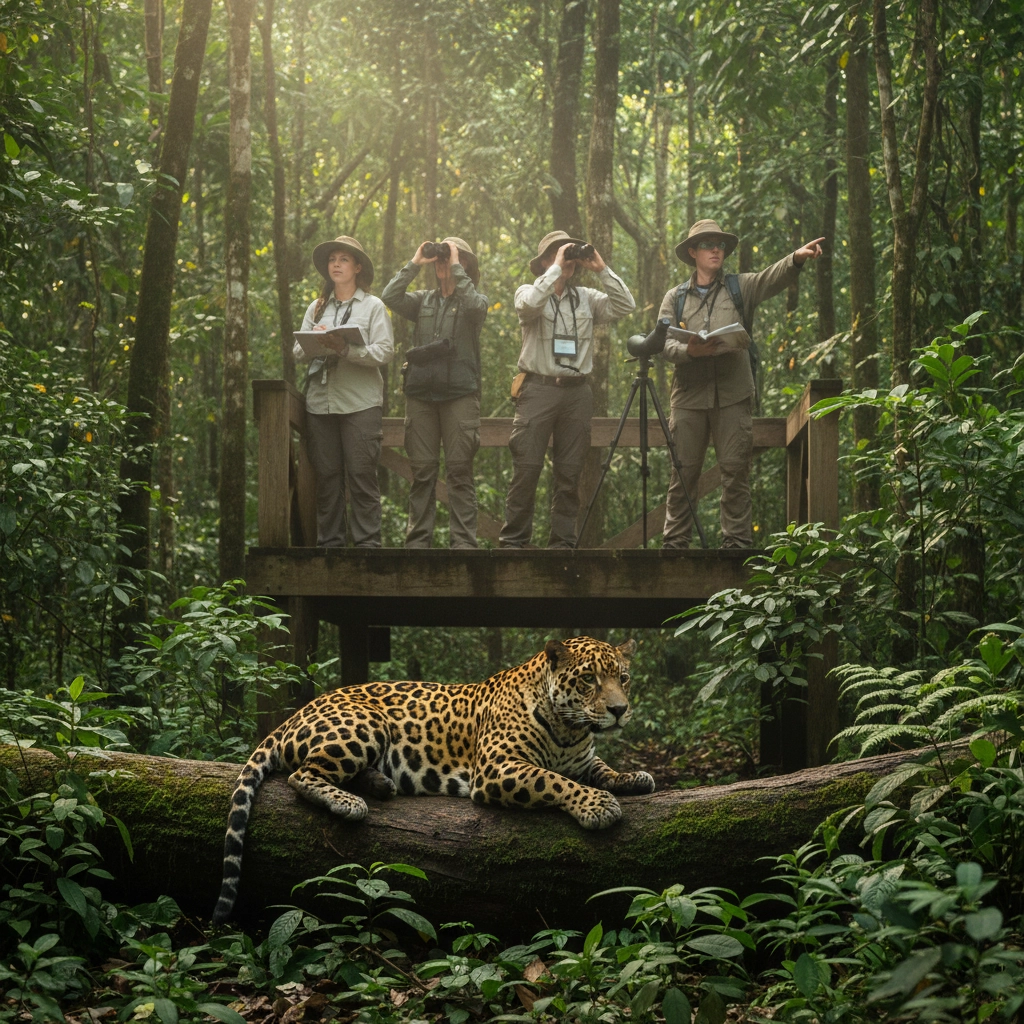
Design comprehensive wildlife conservation experiences through partnerships with established institutions like The Belize Zoo and local wildlife sanctuaries. Students investigate conservation methods for critically important species including jaguars, harpy eagles, manatees, and howler monkeys. These experiences combine research investigations at dedicated tropical education centers with community-based conservation work.
Ensure that students observe how rural communities balance species protection with sustainable tourism development. Field work includes habitat restoration projects, wildlife monitoring using camera traps and GPS tracking, and direct engagement with local conservation experts and community leaders.
Create structured opportunities for students to participate in avian, small mammal, and herpetological monitoring alongside habitat restoration projects throughout Belize's diverse ecosystems. Students develop research skills applicable to their academic studies while contributing to real conservation outcomes that support biodiversity protection efforts.
Encourage students to maintain detailed field journals and photographic documentation that can be shared with conservation organizations and research institutions. Emphasize the importance of following ethical wildlife observation protocols and maintaining appropriate distances from all wildlife species.
Community-Based Conservation Initiatives
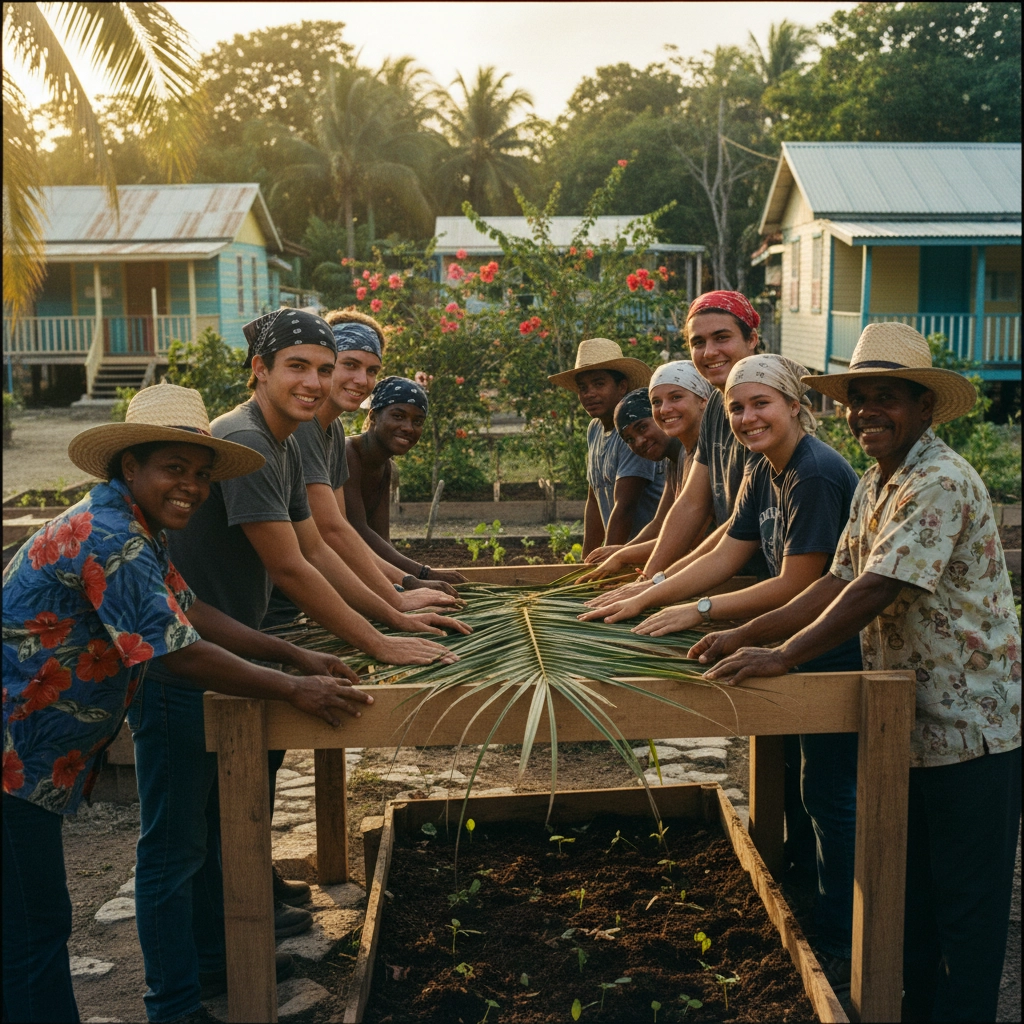
Integrate student conservation work with local community development through carefully structured partnerships. Students work directly with Belizean communities to understand how conservation efforts support local economic development and cultural preservation. These programs require students to engage respectfully with community members while contributing meaningful labor and expertise.
Establish clear communication protocols that ensure students understand their role as guests and collaborators rather than leaders in community-based initiatives. Students participate in projects such as sustainable agriculture development, eco-tourism infrastructure improvement, and environmental education program development for local schools.
Create opportunities for students to learn from local change-makers and conservation professionals, gaining professional development while contributing meaningfully to ongoing community initiatives. Students develop cross-cultural communication skills and global awareness that enhances their understanding of conservation challenges in developing nations.
Biodiversity Monitoring and Data Collection
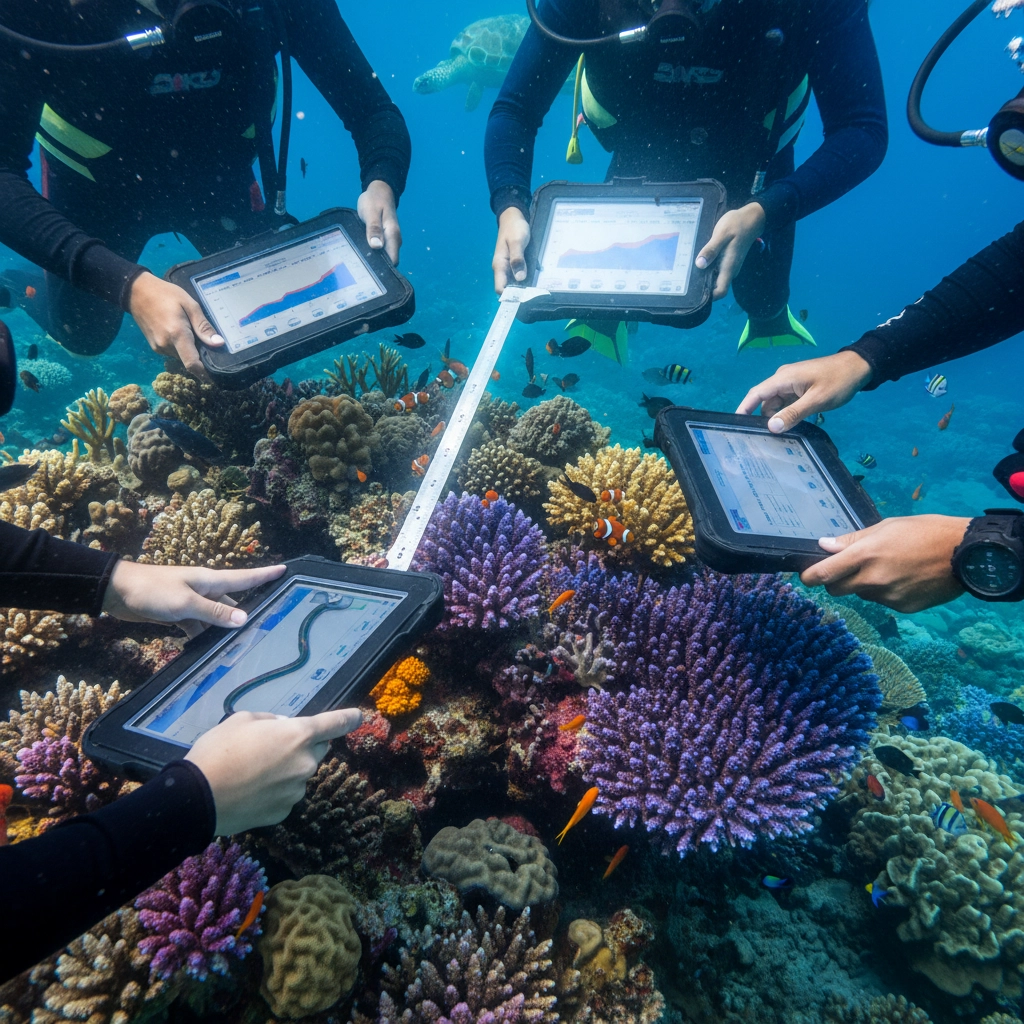
Implement comprehensive biodiversity monitoring programs that teach students standardized scientific protocols while contributing valuable data to conservation organizations. Students learn to use professional equipment including GPS units, data loggers, underwater cameras, and species identification software applications.
Ensure that students understand the importance of consistent, accurate data collection by emphasizing how their work contributes to long-term conservation databases used by researchers and policy makers. Students participate in coral reef health assessments, fish population surveys, bird migration monitoring, and terrestrial species abundance studies.
Guide students through proper data management procedures, including digital database entry, photographic documentation standards, and quality control protocols. Encourage students to present their findings to both peer groups and professional conservation organizations.
Capstone Projects and Long-Term Engagement
Structure comprehensive capstone projects that require students to develop innovative solutions to real-world sustainability challenges. These projects demand systems-thinking approaches that consider financial, engineering, environmental, and social impacts of proposed conservation interventions.
Ensure that students work in interdisciplinary groups to address interconnected challenges around climate action, terrestrial conservation, and marine ecosystem protection. Students must research existing conservation efforts, identify gaps or improvement opportunities, and propose evidence-based solutions that can be implemented by local organizations.
Create presentation opportunities where students share their capstone projects with conservation professionals, community leaders, and academic researchers. This process reinforces learning outcomes while providing students with professional development experiences that enhance their academic and career preparation.
Safety Protocols and Risk Management
Prioritize comprehensive safety planning that addresses the unique risks associated with conservation fieldwork in tropical environments. Begin safety preparation months before departure by ensuring all participants receive appropriate vaccinations, understand tropical disease prevention protocols, and possess adequate travel insurance coverage.
Establish clear communication procedures for all field activities, including check-in schedules, emergency contact protocols, and evacuation procedures for remote locations. Ensure that all diving activities follow internationally recognized safety standards and include certified dive masters with local environmental expertise.
Advise students about wildlife safety protocols specific to Belize's ecosystems, including guidelines for encounters with potentially dangerous species such as crocodiles, venomous snakes, and aggressive marine life. Emphasize the importance of maintaining appropriate distances from all wildlife and following guide instructions without exception.
Educational Outcomes and Assessment
Design assessment strategies that evaluate both conservation impact and educational achievement. Students maintain comprehensive portfolios that include field notes, research data, photographic documentation, and reflection essays that demonstrate learning growth throughout their experience.
Encourage students to develop presentation skills by sharing their conservation work with multiple audiences including peers, teachers, parents, and community members. These presentations reinforce learning outcomes while building communication skills essential for future conservation leadership roles.
Create opportunities for students to maintain ongoing connections with Belizean conservation organizations, potentially supporting continued research participation or future volunteer opportunities that extend their conservation engagement beyond the initial educational experience.
Appleseed Expeditions facilitates these transformative conservation experiences by partnering with established Belizean conservation organizations, ensuring authentic learning opportunities that create measurable environmental impact. Through careful program design, comprehensive safety protocols, and meaningful community partnerships, students develop environmental stewardship skills and global awareness that influence their academic and career trajectories while contributing directly to biodiversity conservation efforts in one of the world's most ecologically significant regions.

Comments