


Coral Restoration Secrets Revealed: What Your Students Will Discover During Hands-On Wildlife Conservation Travel

Ensuring your students experience meaningful conservation education requires more than textbook learning: it demands immersive, hands-on engagement with real scientific processes. When educators choose wildlife conservation travel programs, students uncover the fascinating world of coral restoration, discovering cutting-edge techniques and ecological principles that scientists use to rescue dying reefs and rebuild marine ecosystems.
Revolutionary Restoration Techniques Your Students Will Master
Begin by understanding that coral restoration involves multiple sophisticated methodologies that students actively participate in during educational expeditions. Students discover coral fragmentation, a precise technique where larger colonies are carefully broken into smaller pieces and transplanted onto suitable substrates using specialized epoxy, cement, or cable ties. This method proves particularly effective for fast-growing coral species and allows students to witness immediate conservation impact.
Students also engage with coral larval propagation, an advanced scientific process where researchers collect larvae from wild populations and cultivate them in controlled laboratory environments until they reach transplantation size. This technique becomes especially valuable for slow-growing species and produces genetically diverse colonies, teaching students about biodiversity preservation and genetic conservation principles.
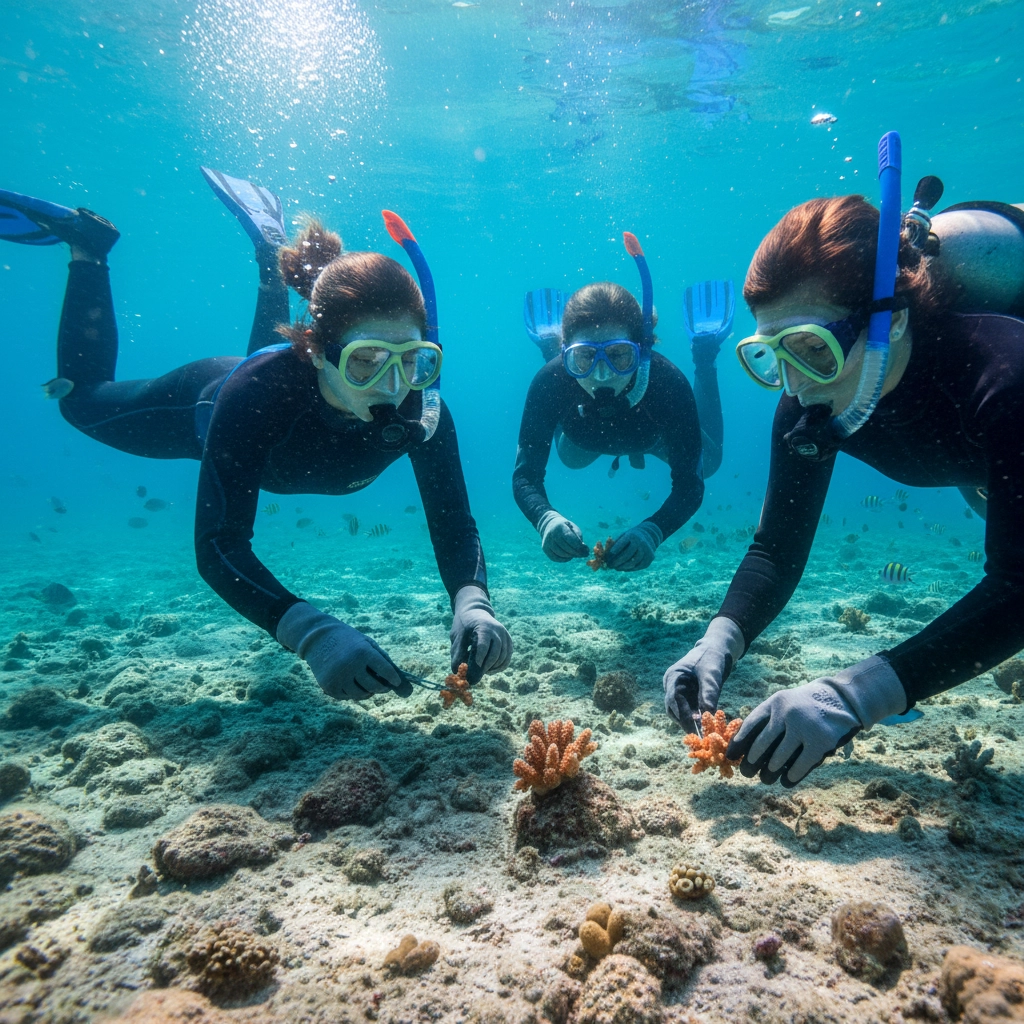
Encourage students to explore coral gardens: artificial structures designed to mimic natural coral habitats where fragments can be strategically transplanted in damaged reef areas. These installations demonstrate how human engineering can support natural processes, providing students with tangible examples of conservation innovation.
Students encounter coral mineral accretion, an innovative methodology utilizing low-voltage electrical currents to stimulate coral skeleton growth by promoting calcium carbonate deposition. This technique proves particularly valuable in polluted or degraded areas, showing students how technology can accelerate natural healing processes.
Essential Field Experience Components
Create opportunities for students to engage directly in conservation work through practical, hands-on activities. During coral conservation expeditions, students participate in critical maintenance tasks such as cleaning coral trees by carefully scrubbing algae with specialized brushes: a seemingly simple but scientifically crucial activity that promotes healthy coral growth and teaches students about ecosystem maintenance.
Students actively participate in discovery hunts for "corals of opportunity": detached coral fragments that have broken off from larger colonies and face poor survival prospects in their current locations. These fragments are relocated to recovery tanks, demonstrating immediate conservation action and teaching students to identify conservation opportunities in natural settings.
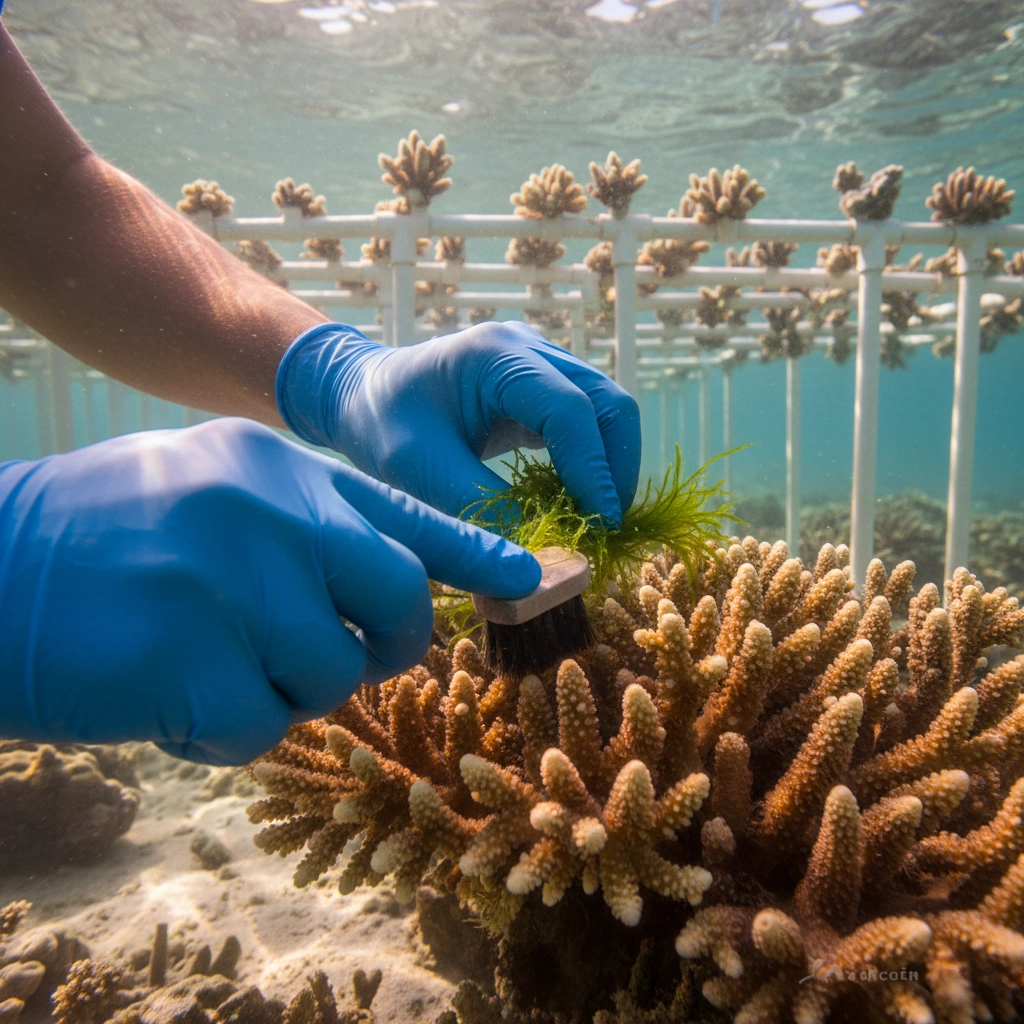
Ensure students understand coral nursery operations, where they work directly with the iconic Coral Trees™ that have become central to reef restoration efforts worldwide. These cost-effective structures raise corals "in situ" (within the ocean environment) where they continuously adapt to natural environmental conditions, providing students with real-world laboratory experiences.
Advanced Scientific Monitoring and Data Collection
Emphasize the critical role of advanced monitoring technology in restoration success. Students learn that restoration groups utilize cutting-edge photomosaic technology: high-resolution imaging systems that allow scientists to meticulously track changes in coral coverage over time and measure quantifiable conservation impact. This introduces students to how data collection and rigorous analysis drive modern conservation decisions.
Students discover how scientific monitoring involves systematic data recording, GPS mapping, and long-term tracking protocols. These experiences teach students that effective conservation requires both immediate action and sustained scientific observation, preparing them for potential careers in marine science and environmental monitoring.
Understanding Environmental Threats Through Direct Observation
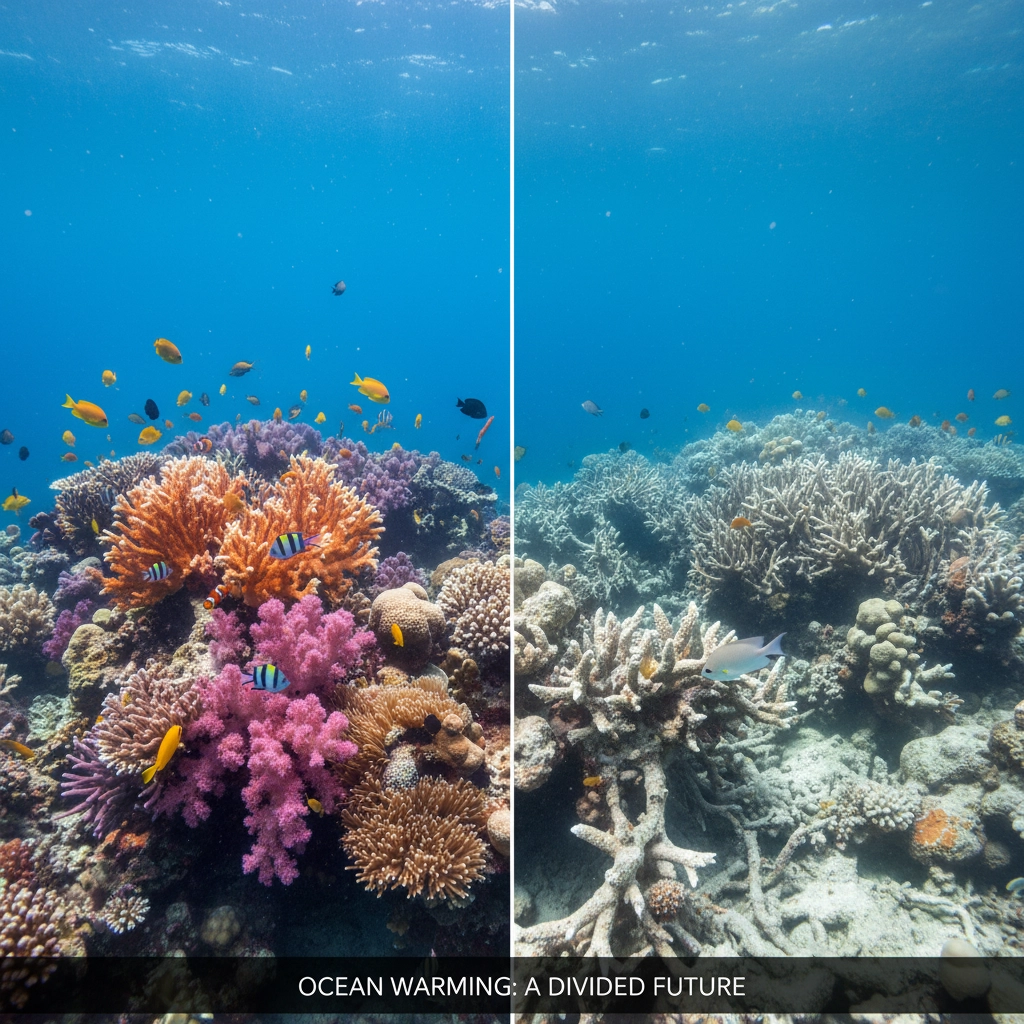
Prepare students to understand the multiple threats coral reefs face and how this knowledge directly informs restoration strategies. Students observe ocean temperature impacts, which cause coral bleaching: a devastating phenomenon where corals expel their symbiotic algae, turning white and often dying. Through direct observation and measurement, students understand how climate change creates immediate, visible consequences for marine ecosystems.
Students learn about ocean acidification through hands-on chemistry demonstrations, understanding how absorbed carbon dioxide makes it increasingly difficult for corals and shell-forming organisms to build calcium carbonate skeletons. These basic chemistry principles become tangible when students observe real reef conditions and measure pH levels in marine environments.
Discuss how pollution, runoff, and plastic waste directly damage reef health. Students participate in reef cleanup activities and water quality testing, connecting human activities to environmental consequences while learning practical conservation solutions.
Discovering Complex Coral Biology and Ecosystem Relationships
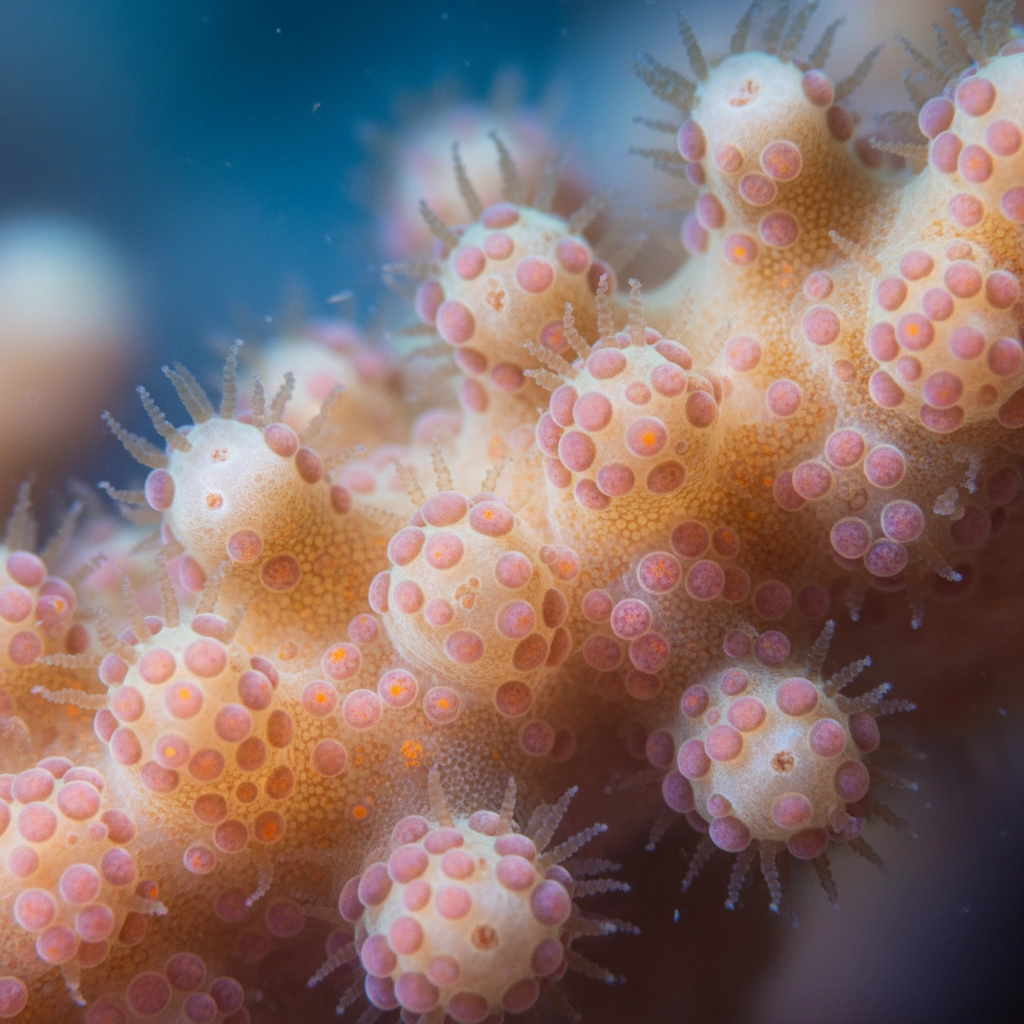
Ensure students understand the symbiotic relationship between corals and zooxanthellae: the symbiotic algae that enable coral survival and generate their vibrant colors. Students observe these relationships through microscopic examination and learn how disrupting these partnerships threatens entire reef ecosystems.
Students discover that corals represent complex living colonies rather than static organisms, with intricate ecological relationships to surrounding marine life. They learn about reef zonation: how reefs divide into distinct zones including the fore reef, reef crest, back reef, and lagoon, each supporting unique characteristics and marine populations.
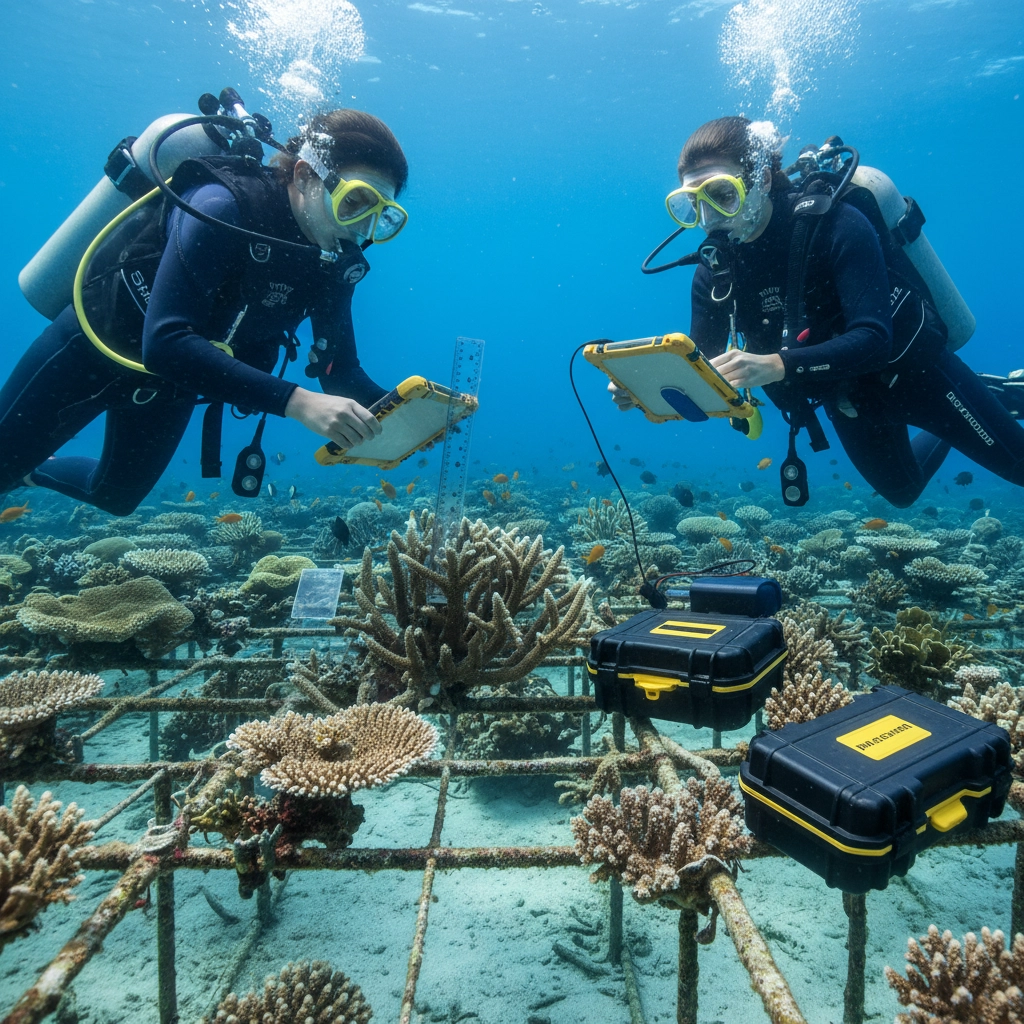
Through direct observation and scientific measurement, students understand how coral colonies function as foundation species, supporting thousands of marine organisms and creating complex three-dimensional habitats that sustain entire ocean communities.
Measuring Real-World Conservation Impact
Most importantly, students discover that coral restoration represents active, scalable science producing measurable results rather than theoretical conservation concepts. Through participation in restoration activities, students observe firsthand how human effort, scientific knowledge, and technological innovation can actively reverse ecological damage and protect vital marine ecosystems for future generations.
Students learn to measure restoration success through quantifiable metrics: coral survival rates, growth measurements, biodiversity assessments, and ecosystem health indicators. These measurements demonstrate that conservation science produces concrete, positive outcomes when properly implemented and sustained.
Creating Lasting Educational Impact
Encourage students to document their experiences through scientific journals, photography, and data collection. These activities reinforce learning while creating lasting records of their conservation contributions. Students often return from hands-on coral restoration experiences with renewed passion for marine science and genuine understanding of how individual actions contribute to global conservation efforts.
Share detailed information about expedition logistics, safety protocols, and educational objectives with parents and school administrators. Proper preparation ensures maximum learning opportunities while maintaining the safety and supervision that educational travel demands.
Students who participate in hands-on coral restoration programs frequently pursue advanced coursework in marine biology, environmental science, and conservation careers. These immersive experiences transform abstract scientific concepts into tangible conservation action, fostering genuine dedication to ocean protection and marine ecosystem preservation.
For educators seeking to provide students with transformative coral restoration experiences, Appleseed Expeditions offers comprehensive marine science programs that combine rigorous scientific education with meaningful conservation action. These expeditions ensure students engage directly with restoration science while developing the knowledge and passion necessary for lifelong environmental stewardship.

Comments