


Crystal River's Aquifers, Springs, and Manatees: Exploring Nature's Underwater World

Understanding the intricate relationship between groundwater systems, geological formations, and marine mammal conservation requires direct observation in natural environments. Crystal River and Kings Bay in Citrus County, Florida, provide an exceptional outdoor classroom where students can witness firsthand how underground aquifers feed pristine springs that create essential habitat for endangered manatees.
This remarkable ecosystem combines complex hydrogeology with wildlife conservation, offering educators unparalleled opportunities to teach earth science, marine biology, and environmental stewardship in a single location. Preparing students for this educational experience involves understanding the scientific significance of Florida's aquifer systems and the critical role these springs play in manatee survival.
The Floridan Aquifer System: Underground Rivers of Learning
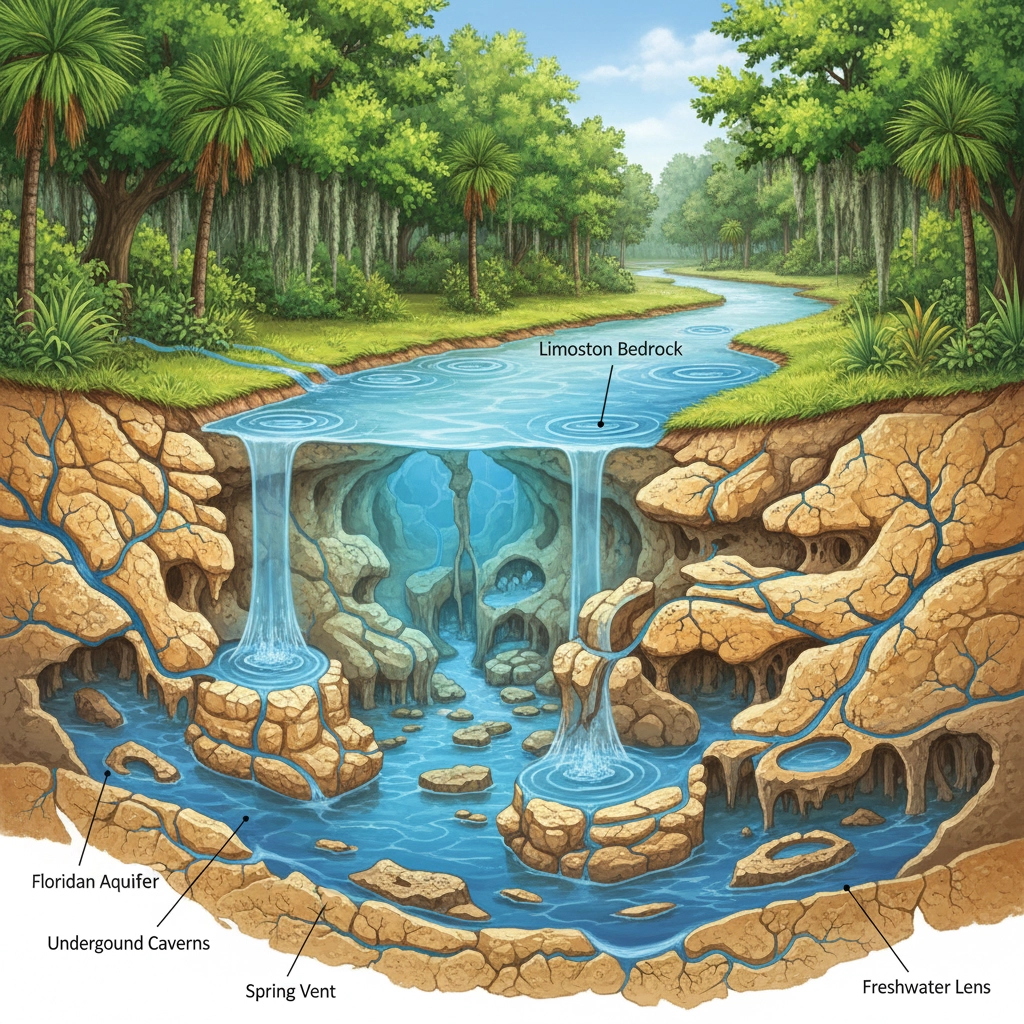
The foundation of Crystal River's ecosystem lies deep beneath the surface in the Floridan Aquifer, one of the most productive karst systems in North America. This massive underground water reservoir, formed by limestone bedrock over millions of years, demonstrates fundamental geological processes that students can observe through spring discharge patterns and water chemistry.
The aquifer operates as a natural filtration system, with rainwater percolating through soil and limestone layers before emerging as crystal-clear spring water. Students studying this system gain practical understanding of hydrogeology, water cycle dynamics, and the relationship between surface precipitation and groundwater flow. The Kings Bay springshed encompasses approximately 310 square miles across Citrus County, providing a tangible example of watershed management and environmental interconnectedness.
Ensure that students understand the time scale involved in groundwater movement: water emerging from Crystal River springs may have entered the aquifer system decades ago. This concept reinforces lessons about long-term environmental processes and the importance of protecting groundwater resources for future generations.
Springs as Natural Laboratories
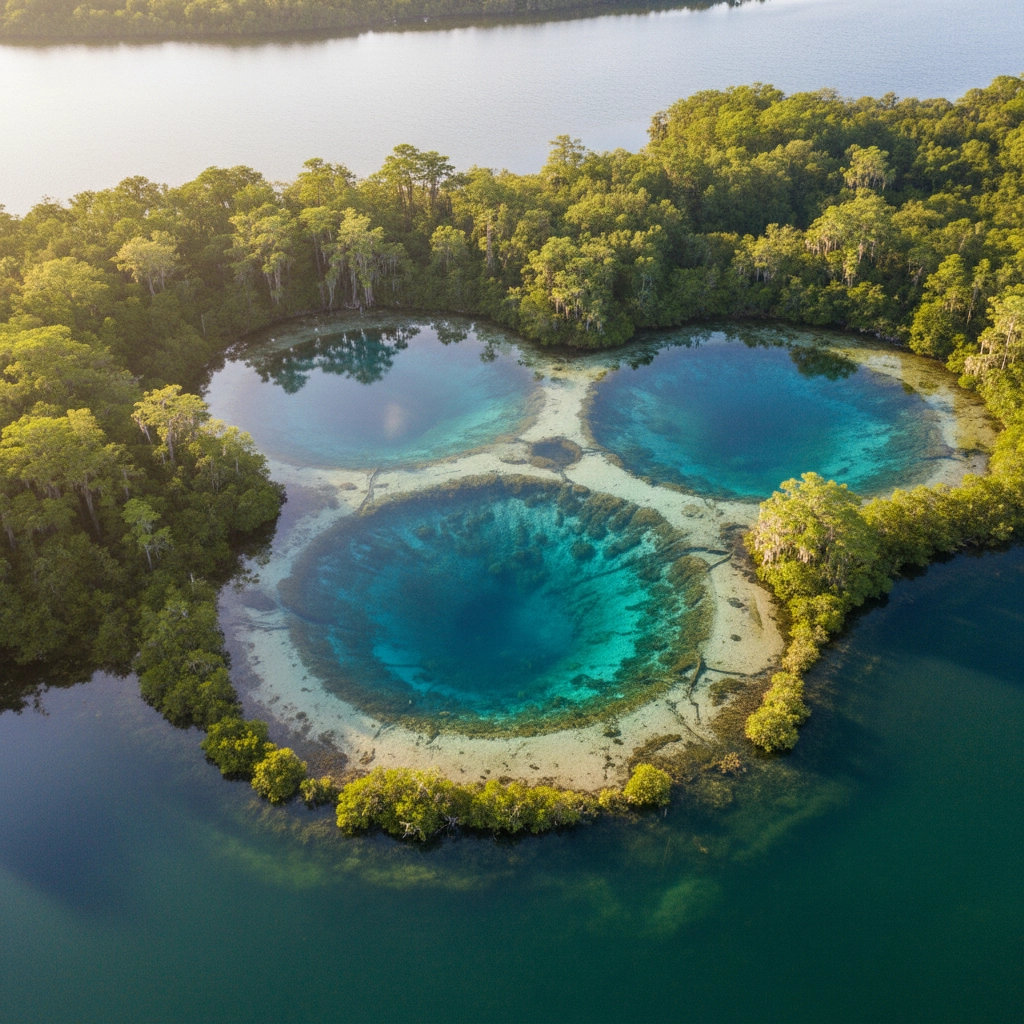
Crystal River and Kings Bay constitute the second-largest springs group in Florida, featuring more than 70 individual springs that collectively discharge approximately 600 million gallons of freshwater daily. This massive flow rate provides students with concrete data for mathematical calculations involving volume, flow rates, and environmental impact assessments.
The springs maintain a constant temperature of 72-74 degrees Fahrenheit year-round, emerging directly from the limestone aquifer system. This thermal consistency creates a unique learning opportunity for students to study temperature gradients, thermal refugia, and the role of groundwater in moderating environmental conditions. Emphasize to students how this constant temperature proves critical for wildlife survival during seasonal temperature fluctuations.
Key springs within the system include Three Sisters Springs, Hunter Spring, Tarpon Hole, and King Spring, each offering distinct characteristics for comparative study. Three Sisters Springs features three connected spring vents: Pretty Sister Spring, Big Sister Spring, and Little Sister Spring: creating a natural laboratory for studying spring formation, water flow patterns, and aquatic ecosystems.
Students can observe how springs maintain exceptional water clarity due to natural filtration through limestone bedrock. This clarity allows for detailed observation of aquatic vegetation, fish populations, and benthic communities that thrive in spring-fed environments. Document water quality parameters including temperature, pH, dissolved oxygen, and conductivity to reinforce chemistry and environmental science concepts.
Manatee Migration Patterns and Seasonal Behavior
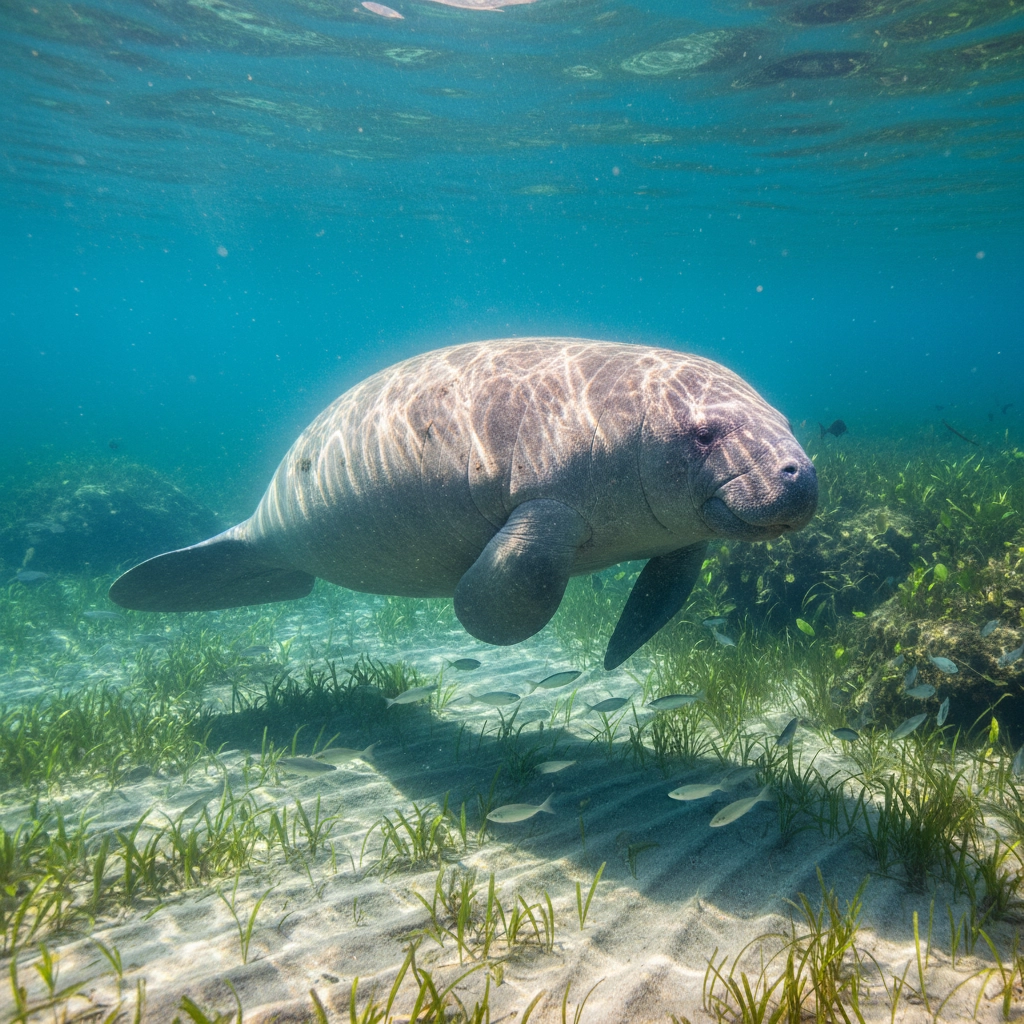
Crystal River serves as the largest natural winter refuge for manatees on the Florida Gulf Coast, attracting between 500 and 1,000 manatees annually during winter months. Understanding manatee migration patterns provides students with real-world examples of animal behavior, habitat requirements, and conservation challenges facing marine mammals.
Manatees demonstrate predictable seasonal movement patterns driven by water temperature requirements. When Gulf of Mexico temperatures drop below 68 degrees Fahrenheit during winter months, manatees migrate to warm-water refuges like Crystal River springs. Students can study temperature data, migration timing, and population counts to understand how environmental factors influence animal behavior and distribution.
The Crystal River National Wildlife Refuge, established in 1983, represents the only federal refuge created specifically to protect the threatened Florida manatee. This designation provides students with case studies in conservation policy, endangered species protection, and the relationship between scientific research and environmental legislation.
Monitor manatee aggregation sites during educational visits, particularly around Three Sisters Springs and other critical warm-water areas. Emphasize the importance of sanctuary zones where human activities are restricted from November 15 through March 31 to protect resting manatees during peak winter aggregation periods.
Ecosystem Interactions and Food Web Dynamics
The unique positioning of Crystal River: less than one mile from the Gulf of Mexico: creates an estuarine environment where freshwater springs mix with saltwater tidal influences. This mixing zone supports diverse fish and wildlife populations, providing students with opportunities to study salinity gradients, estuarine ecology, and species adaptations.
Students can observe both freshwater and saltwater species within the same ecosystem, including largemouth bass, snook, mullet, catfish, tarpon, cormorants, and bull sharks. This species diversity demonstrates ecological concepts including habitat overlap, resource partitioning, and adaptive strategies for organisms living in variable salinity conditions.
Manatees play a crucial role as ecosystem engineers, creating and maintaining channels through aquatic vegetation as they move between feeding and resting areas. Their grazing behavior influences plant community structure and provides nutrients to aquatic ecosystems through waste production. Document these ecological interactions to reinforce food web concepts and the interconnected nature of ecosystem components.
Educational Opportunities and Field Study Applications
Crystal River provides exceptional hands-on learning experiences that connect classroom concepts with real-world environmental systems. Students can conduct water quality assessments, observe wildlife behavior, study geological formations, and participate in conservation monitoring activities.
Organize field studies that include water temperature monitoring at multiple locations to demonstrate thermal refugia concepts. Students can collect data on spring discharge rates, measure water clarity using Secchi disks, and document aquatic vegetation patterns around spring vents. These activities reinforce scientific methodology while providing practical experience with environmental monitoring techniques.
Encourage students to maintain detailed field journals documenting observations of manatee behavior, including feeding patterns, social interactions, and habitat utilization. These observations contribute to ongoing scientific understanding while developing students' skills in data collection, analysis, and scientific writing.
Conservation Challenges and Solutions
The Crystal River ecosystem faces ongoing conservation challenges that provide students with real-world examples of environmental problem-solving and resource management. Issues including nutrient pollution, habitat degradation, and human disturbance require multi-faceted approaches involving science, policy, and community engagement.
Discuss with students how increased nitrogen and phosphorus inputs from urban development and agriculture can stimulate excessive algae growth, reducing water clarity and affecting spring ecosystems. This pollution source provides concrete examples of point and non-point source pollution concepts while demonstrating the importance of watershed protection.
Human-wildlife conflicts around manatee viewing areas offer opportunities to study carrying capacity, sustainable tourism, and wildlife management strategies. Students can examine how regulations, education programs, and habitat protection work together to balance conservation goals with public access and economic considerations.
Safety Protocols and Educational Guidelines
Ensuring student safety during Crystal River educational experiences requires careful planning and strict adherence to wildlife viewing protocols. Establish clear guidelines for water activities, wildlife observation, and emergency procedures before beginning field studies.
Coordinate with licensed tour operators who maintain Special Use Permits from the Crystal River National Wildlife Refuge for educational activities. These operators understand "Manatee Manners" protocols and can provide professional guidance for safe wildlife interactions while maximizing educational value.
Advise students about appropriate behavior around manatees, including passive observation techniques, minimum distance requirements, and prohibited activities such as touching, feeding, or pursuing wildlife. Emphasize that violation of federal wildlife protection regulations can result in significant penalties and prosecution.
Preparing Students for Transformative Learning
The Crystal River ecosystem offers students unparalleled opportunities to study complex environmental systems while observing endangered species in their natural habitat. This educational experience connects multiple scientific disciplines including geology, hydrology, marine biology, and conservation science through direct observation and hands-on research activities.
Appleseed Expeditions provides comprehensive educational programs designed to maximize learning opportunities while ensuring student safety and environmental protection. Our Crystal River school trips include expert guides, educational materials, and structured activities that align with curriculum standards while providing transformative outdoor learning experiences.
Contact Appleseed Expeditions to develop customized educational programs that meet your specific learning objectives while providing students with memories and knowledge that will last a lifetime. Our experienced team understands the unique educational value of Crystal River's aquifer systems, springs ecology, and manatee conservation, ensuring that your students receive comprehensive instruction in this remarkable natural classroom.

Comments