


Empowering the Next Generation: Yellowstone Conservation Student Travel

Yellowstone National Park serves as more than just a scenic destination; it is a critical living laboratory where the future of environmental stewardship is forged. For educators, the implementation of a Yellowstone conservation student travel program is an essential strategy in developing scientifically literate and civic-minded leaders. As the first national park in the world, Yellowstone offers a unique vantage point to study the complexities of ecosystem management, wildlife restoration, and the delicate balance between public access and habitat preservation.
The role of students in park preservation cannot be overstated. By engaging in hands-on conservation work and field-based research, students transition from passive observers to active contributors to the park's longevity. This blog post provides a comprehensive guide for educators on how to structure a high-impact educational expedition to the Greater Yellowstone Ecosystem.
The Vital Role of Students in Yellowstone Preservation
The survival of the Greater Yellowstone Ecosystem (GYE) depends on the continuous collection of data and the maintenance of physical infrastructure. Students participating in Yellowstone conservation student travel provide much-needed support to park rangers and research scientists through citizen science initiatives.
When students participate in these programs, they contribute to:
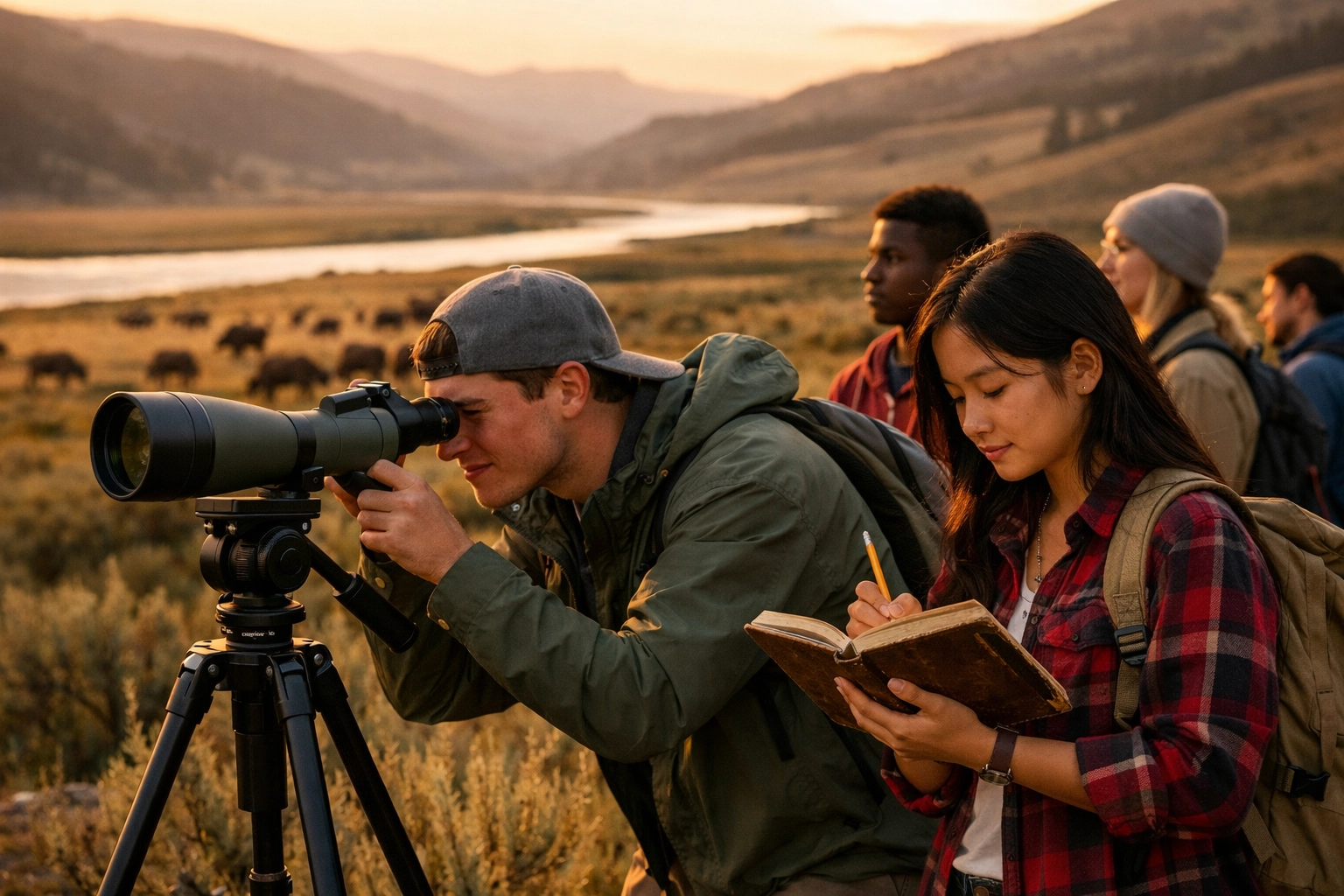
Wildlife Monitoring: Collecting data on iconic species such as gray wolves, grizzly bears, and American bison to help biologists track population health and migration patterns.
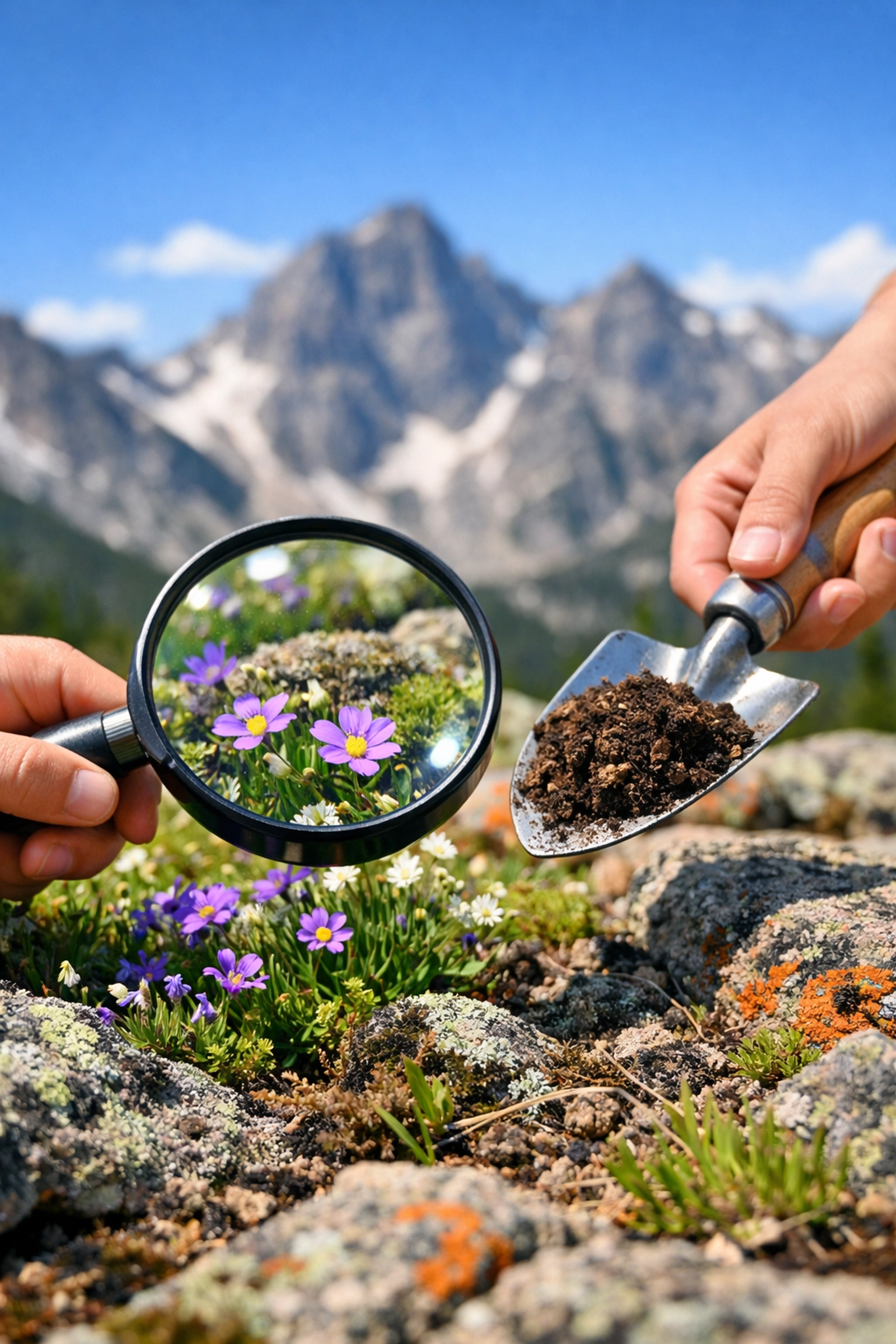
Invasive Species Management: Identifying and removing non-native plants that threaten the park’s biodiversity.
Habitat Restoration: Assisting in trail maintenance and shoreline stabilization to prevent erosion and protect delicate riparian zones.
Scientific Literacy: Developing a deep understanding of the "trophic cascade" and how the reintroduction of apex predators has fundamentally altered the park’s landscape.
Core Educational Programs and Field Studies
Yellowstone offers several structured pathways for student engagement. Educators must align their trip objectives with the appropriate program level to ensure maximum educational impact and safety.
1. Residential Curriculum-Based Programs
Programs like Expedition Yellowstone are designed for middle-school students (grades 4-8). These 4-5 day residential programs often utilize facilities like the Lamar Buffalo Ranch or the Mammoth Youth Conservation Corps site. The curriculum focuses on geology, ecology, and human history, encouraging students to see the park as an interconnected system.
2. High School Conservation Corps
For older students (ages 15-18), the Youth Conservation Corps (YCC) provides intensive, month-long residential sessions. In the summer of 2026, these sessions (June 14–July 15 and July 19–August 18) will involve rigorous physical work and NPS career development. This level of engagement is ideal for students considering careers in environmental science or public policy.
3. Ecology Field Studies
University-level and advanced high school groups often participate in programs similar to those offered by the Ecology Project. These focus on specific field techniques, such as surveying bison interactions with their environment or collecting vegetation samples to study the effects of grazing.
Safety and Risk Management in the Wilderness
Ensuring the safety of students in a wild and unpredictable environment is of paramount importance. Yellowstone presents unique hazards, including geothermal features and large predators. Meticulous planning and strict adherence to safety protocols are mandatory for any successful expedition.
Wildlife Safety Protocols
Educators must emphasize and enforce the following rules at all times:
Maintain Distance: Students must remain at least 100 yards (91 meters) away from bears and wolves, and at least 25 yards (23 meters) away from all other wildlife, including bison and elk.
Bear Spray Education: Every group leader and chaperone must be trained in the proper use of bear spray. It is recommended that students in high-country treks also carry and know how to deploy spray.
Group Integrity: Students must never hike alone. Maintain a minimum group size of four to reduce the risk of wildlife encounters.
Geothermal Safety
Yellowstone’s hydrothermal areas are fragile and dangerous.
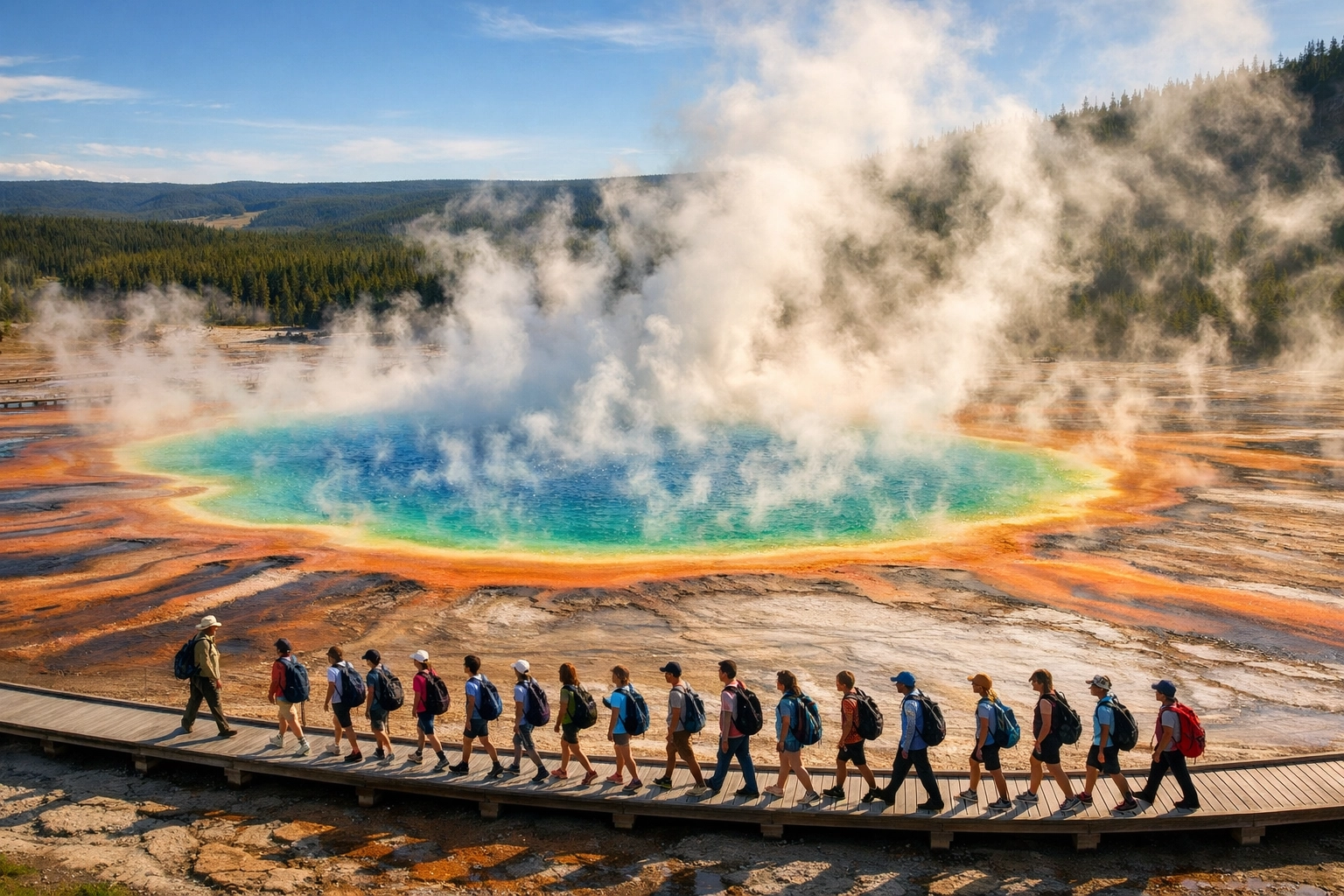
Stay on Boardwalks: Instruct students that the ground in thermal areas can be a thin crust over scalding water. Leaving the designated path is strictly prohibited.
Supervision: High levels of supervision are required in areas like the Upper Geyser Basin to ensure students do not touch or throw objects into thermal features.
Step-By-Step Guide to Planning Your Conservation Trip
Organizing an expedition of this magnitude requires a structured approach. Follow these steps to ensure a well-prepared and educational experience.
Step 1: Define Educational Objectives
Determine whether your focus is on earth science, biology, or service learning. Establishing clear goals will help you choose the right partner and program. For comparison, you might review service learning opportunities for high school students in other iconic locations like the Grand Canyon.
Step 2: Secure Permits and Logistics
If you are planning an independent study, you must apply for the necessary permits through the National Park Service (NPS) well in advance. For the 2026 season, applications should be submitted at least 6-12 months prior to the travel dates.
Step 3: Develop a Rigorous Itinerary
Balance field work with instructional time. A sample daily schedule might include:
Morning: Wildlife observation and data collection in the Lamar Valley.
Afternoon: Service project (e.g., trail maintenance or invasive species removal).
Evening: Ranger-led talk on park management or student-led reflection on conservation ethics.
Step 4: Conduct Pre-Trip Training
Prepare your students academically and physically. Discuss the history of the park, the importance of the Greater Yellowstone Ecosystem, and the specific conservation challenges it faces. Ensure students are physically prepared for high-altitude hiking.
Integrating STEM and Conservation
Yellowstone conservation student travel is a powerful tool for STEM education. By involving students in real-world data collection, educators can teach complex concepts such as:
Geology and Thermophiles: Studying how life thrives in extreme environments and the volcanic history of the Yellowstone Caldera.
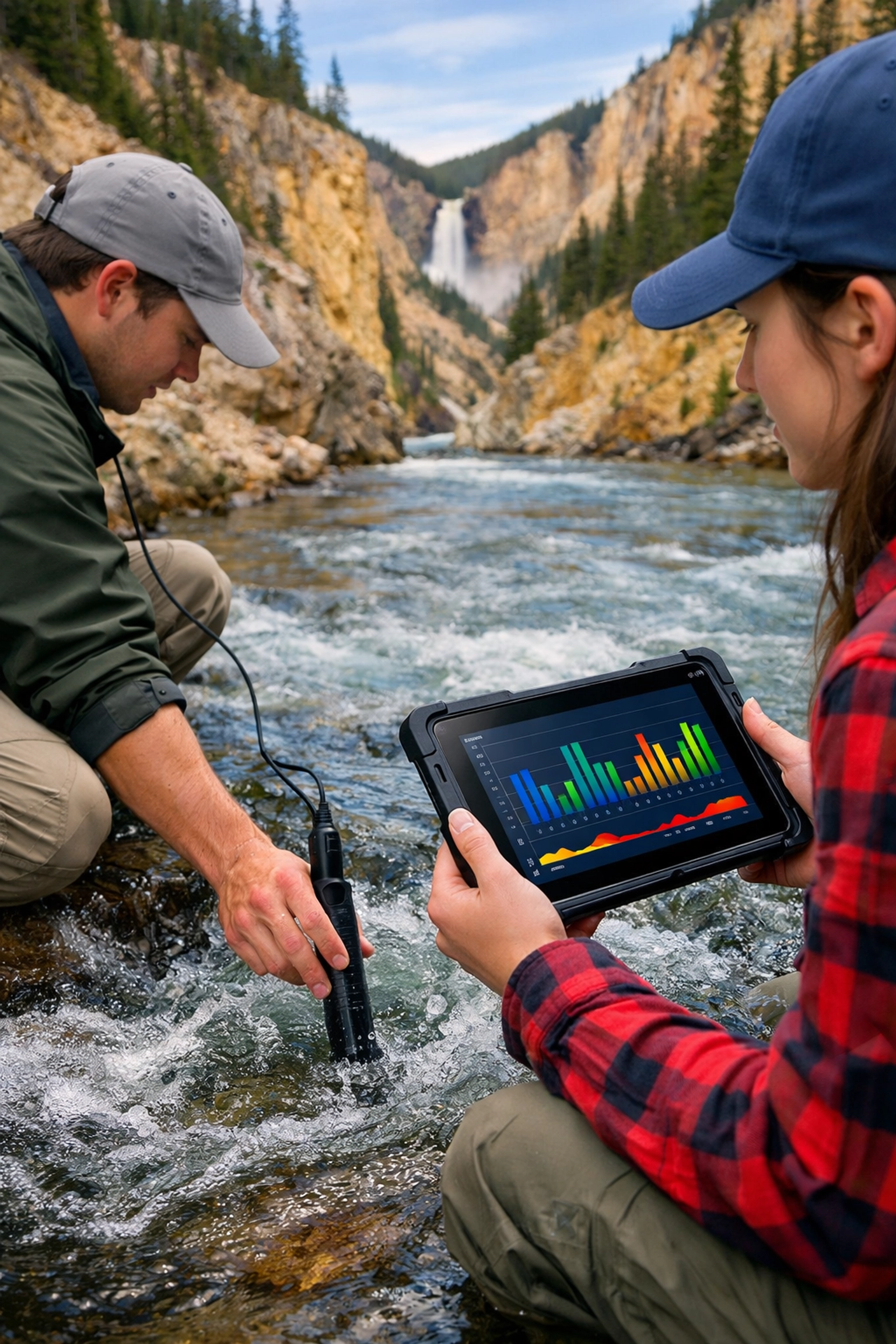
Hydrology: Analyzing the watershed and the role of the Yellowstone River in the regional ecosystem.
Data Analysis: Using the data collected in the field to create graphs and reports back in the classroom, mirroring the work of professional scientists.
For groups interested in exploring how STEM and conservation intersect in different environments, consider researching student field studies in Costa Rica or Peru STEM adventures, which offer alternative perspectives on global ecology.
The Impact of Service Learning
Service learning is a core component of effective educational travel. It transforms a trip from a sightseeing tour into a transformative experience. In Yellowstone, service learning often involves assisting the park’s resource management team. This work instills a sense of ownership and responsibility in students. When they help restore a trail or clear an invasive field, they are literally leaving the park better than they found it.
Educators should encourage students to keep journals of their experiences. Reflection is a critical part of the learning process, helping students process the ethical and scientific complexities of conservation.
Partnering with Appleseed Expeditions
Navigating the logistics of a national park expedition can be daunting for even the most experienced educator. Safety requirements, permitting, and curriculum alignment require a meticulous and risk-averse approach.
Appleseed Expeditions provides specialized Yellowstone science trips that handle the heavy lifting of logistics while ensuring the highest standards of safety and educational rigor. By partnering with experts, educators can focus on what they do best: teaching. Our programs are designed to immerse students in the wonders of the GYE while fostering a deep, lasting commitment to conservation. Whether you are interested in wildlife ecology, earth science, or service learning, we provide the framework for an unforgettable educational journey.
Conclusion: A Commitment to the Future
Preparing your students for a Yellowstone conservation student travel experience involves careful planning, a dedication to safety, and an inspiring curriculum. By participating in these programs, students gain more than just academic knowledge; they develop the character and resilience needed to face the environmental challenges of the 21st century.
Ensuring the safety of students and the integrity of the park is of paramount importance. As you begin planning your 2026 expedition, remember that your role as an educator is to facilitate a respectful and impactful relationship between your students and the natural world. Through proactive thinking and meticulous preparation, you can provide an experience that empowers the next generation of conservationists.
For more resources on planning educational travel or to see other service-oriented destinations, visit our blog or explore our weekend getaway options for shorter, local service opportunities.

Comments