


Grand Canyon Conservation School Trips: Protecting a Natural Wonder

When a student stands on the edge of the South Rim for the first time, the reaction is almost always the same: a stunned, respectful silence. The sheer scale of the Grand Canyon is enough to shift anyone’s perspective, but for a student on a service-learning mission, that perspective shift is just the beginning. At Appleseed Expeditions, we believe that Grand Canyon conservation school trips are about more than just sightseeing; they are about the intersection of rigorous field science and deep, personal purpose.
In this environment, "real science equals real impact." We aren't just looking at rocks; we are analyzing the geological history of our planet to understand how to protect its future. By engaging students in active conservation and leadership development, we are planting seeds of stewardship that will grow for generations.
Real Science Equals Real Impact: The Canyon as a Laboratory
The Grand Canyon is arguably the world’s greatest classroom for geology and ecology. However, the goal of our expeditions is to move beyond passive observation. We want students to engage in "real science": the kind that leads to tangible conservation outcomes.
Understanding Geological Foundations
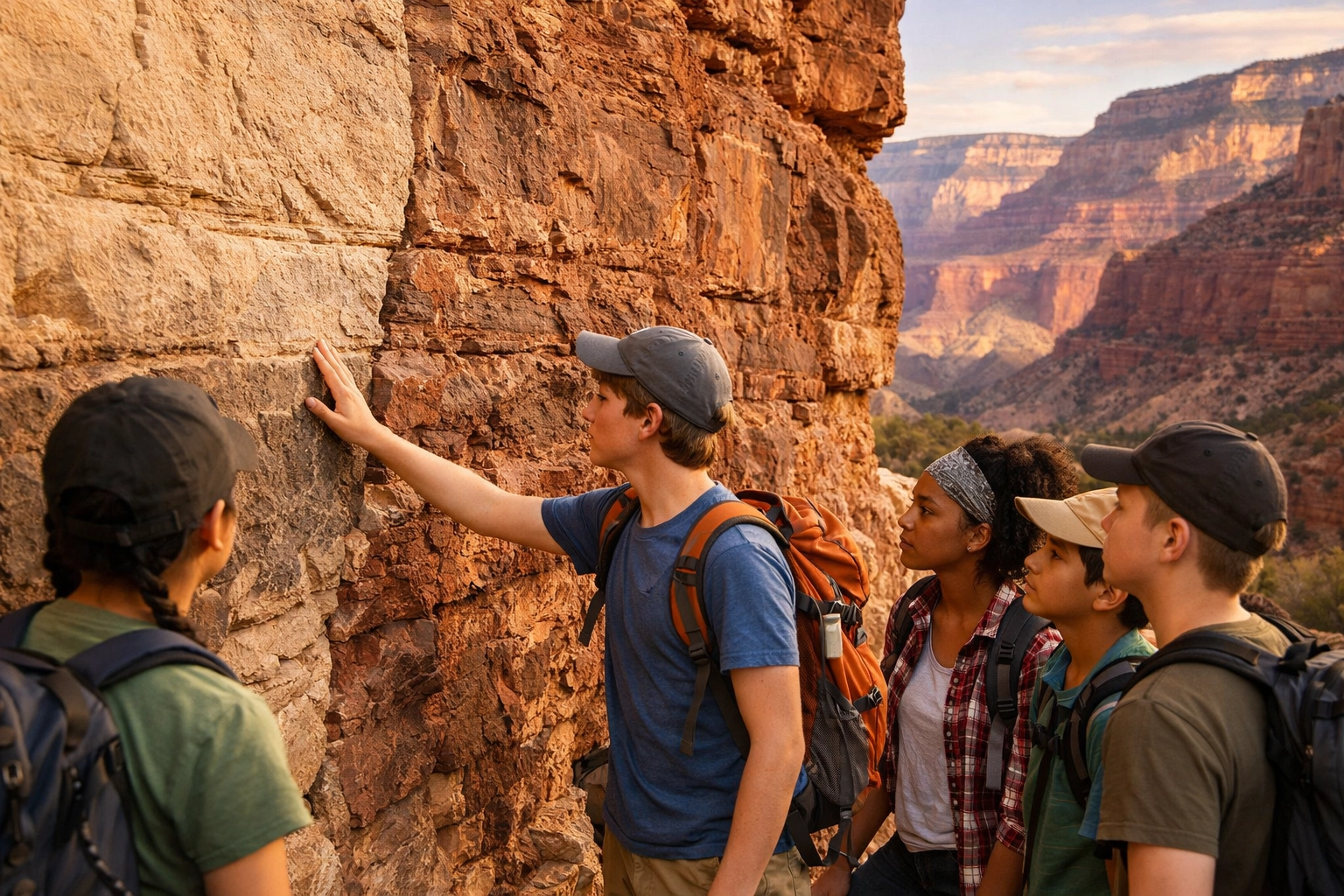
Students begin by examining the Proterozoic and Paleozoic rock layers. This isn't just about memorizing names like Kaibab Limestone or Vishnu Basement Rocks. It’s about understanding the "conservation gift" of time. When students realize that the rock beneath their boots is nearly two billion years old, their sense of responsibility toward the land changes.
Ecological Field Studies
The canyon is home to diverse life zones, from the desert scrub at the river level to the ponderosa pine forests on the rim. On our Grand Canyon school trips, students can participate in:
Water Quality Testing: Monitoring the springs and tributaries that feed into the Colorado River.
Wildlife Observation: Identifying threatened species and understanding the delicate balance of the canyon’s ecosystem.
Vegetation Mapping: Learning about invasive species and the importance of native plant restoration.
By gathering data, students see that science is a tool for protection. They learn that they aren't just visitors; they are junior scientists contributing to a larger body of knowledge aimed at preserving this natural wonder.
Developing a Sense of Purpose through Service
A core tenet of our mission is that service learning transforms the soul. When students participate in Grand Canyon conservation school trips, they are invited to find their purpose by serving something much larger than themselves. This sense of purpose is developed through hands-on work and cultural immersion.
Cultural Stewardship and Indigenous Wisdom
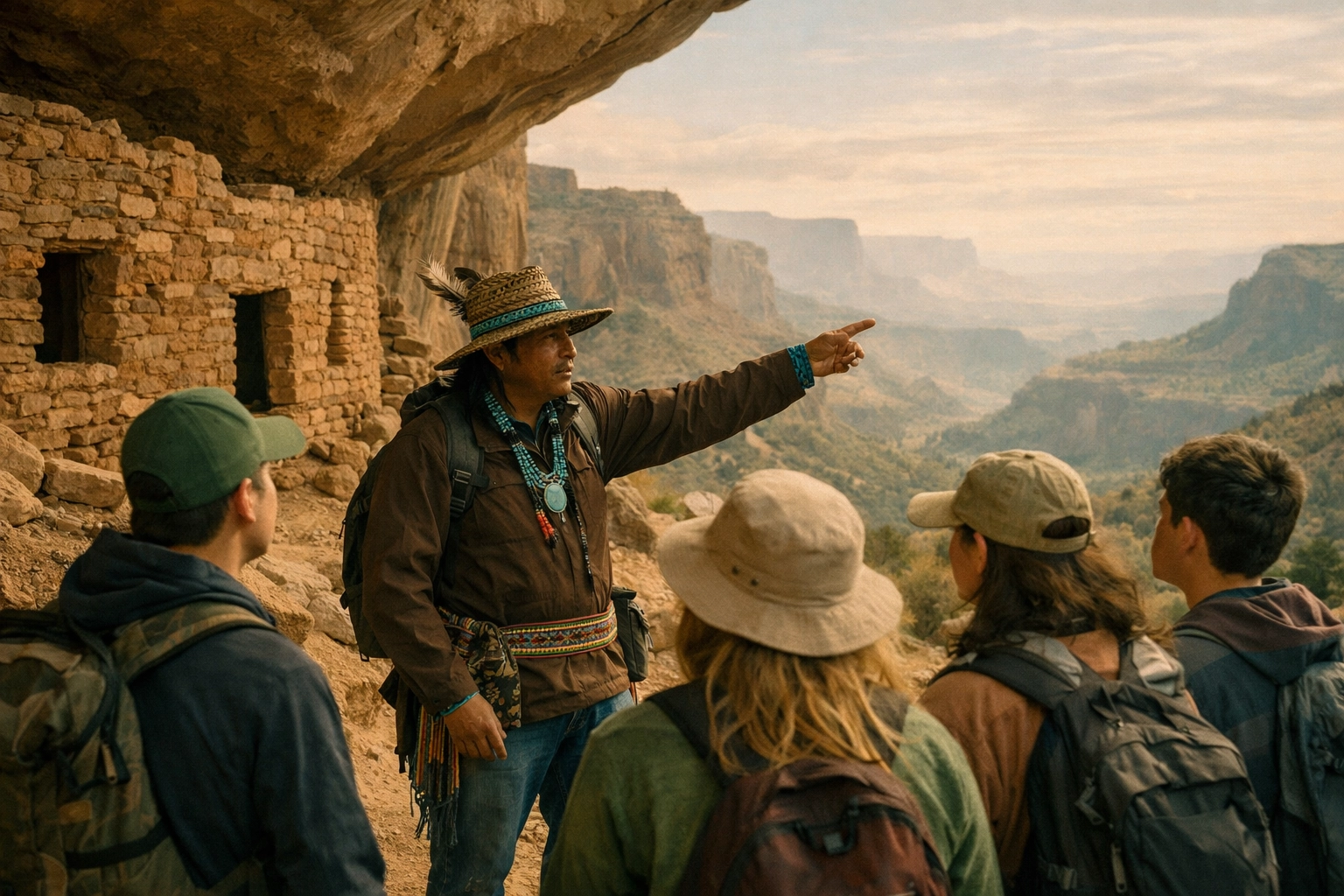
Conservation is not just about the land; it is about the people who have called it home for millennia. We emphasize Native American history, including the stories and traditions of the Navajo, Havasupai, and Hopi tribes.
By visiting Ancestral Puebloan sites and engaging with local guides, students learn that conservation is an ancient practice. This cultural context gives their service work a deeper meaning. They aren't just "cleaning up a park"; they are honoring a sacred landscape. Understanding this connection is vital for developing leaders who value both environmental and cultural preservation.
Hands-On Conservation Projects
Service projects in the Grand Canyon region often focus on trail maintenance or habitat restoration. These tasks are physically demanding and require students to work as a cohesive unit. Whether they are clearing drainage paths to prevent erosion or removing non-native plants, the "real impact" is visible. They can look back at a trail and know it is safer and more sustainable because of their efforts.
Leadership in the Wild: Cultivating the Next Generation
Leadership isn't taught in a lecture hall; it’s forged on the trail. Grand Canyon conservation school trips provide the perfect environment for students to step into leadership roles.
The Challenge of the Trail
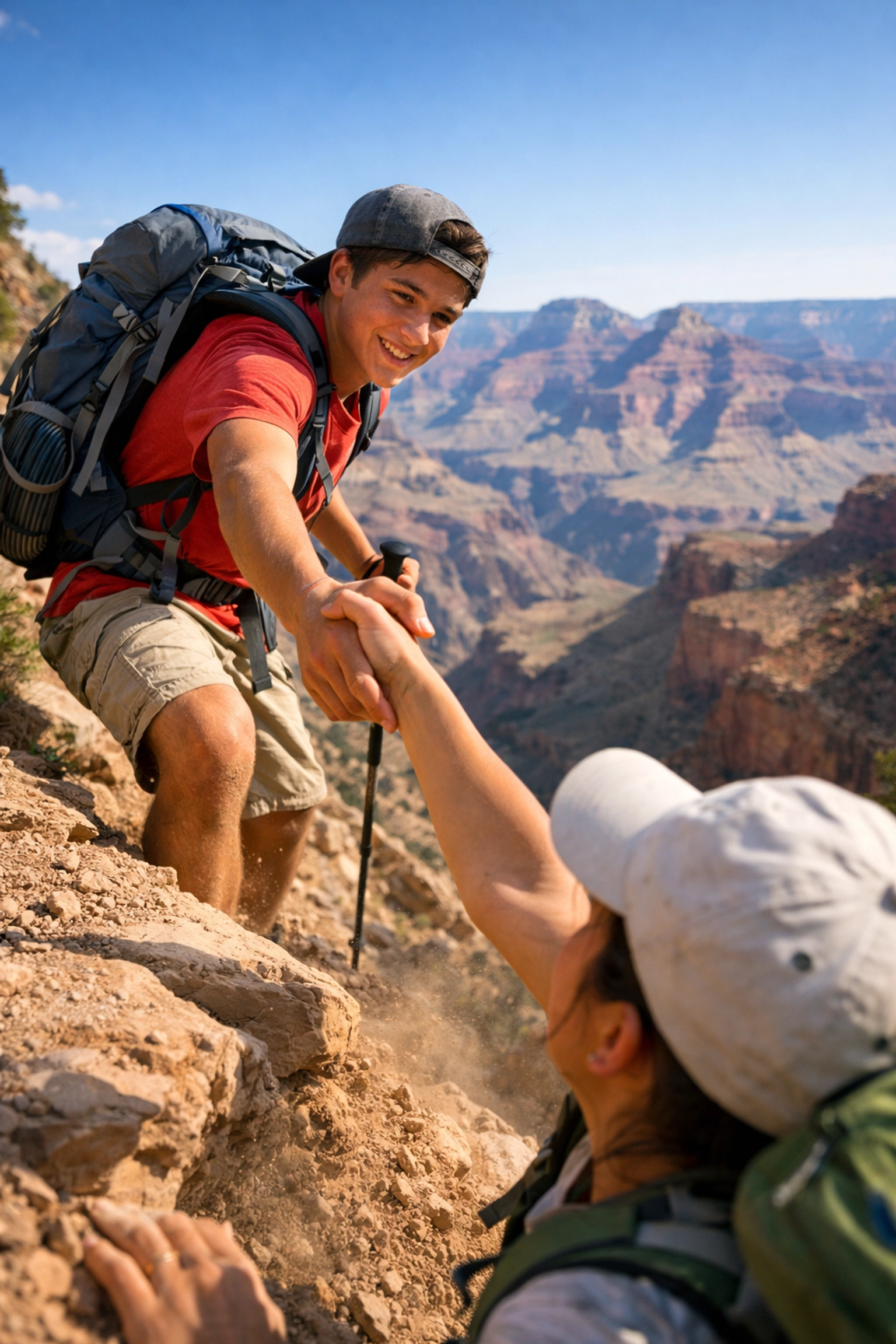
The Grand Canyon is a demanding environment. Navigating the terrain requires resilience, communication, and mutual support. We encourage students to take turns leading their groups, making decisions about pace, hydration, and safety. This "leadership in the wild" teaches them to:
Anticipate Needs: Recognizing when a teammate is struggling and offering support before it’s asked for.
Communicate Clearly: Using direct, effective language to ensure everyone is informed and safe.
Solve Problems: Adapting to changing weather conditions or unexpected trail obstacles.
Planting Seeds for Future Generations
The ultimate goal is to plant seeds in the lives of these young people. We want them to return home not just with memories, but with a toolkit for service. By seeing the impact of their work in the canyon, they realize they have the power to affect change in their own communities. This is how we conserve our oceans, our forests, and our canyons: by raising leaders who view stewardship as a lifelong calling.
Preparing for the Expedition: A Guide for Educators
Ensuring the safety and educational success of your students is of paramount importance. Preparing for Grand Canyon conservation school trips involves careful planning and a meticulous mindset. As an educator, your role is to model the leadership and preparation you wish to see in your students.
Step 1: Establish Educational Goals
Before you even pack a bag, define what "real science" looks like for your group. Are you focusing on geology, biology, or human history? Use the Appleseed blog to find inspiration and curriculum ideas that align with your school's standards.
Step 2: Emphasize Physical Preparation
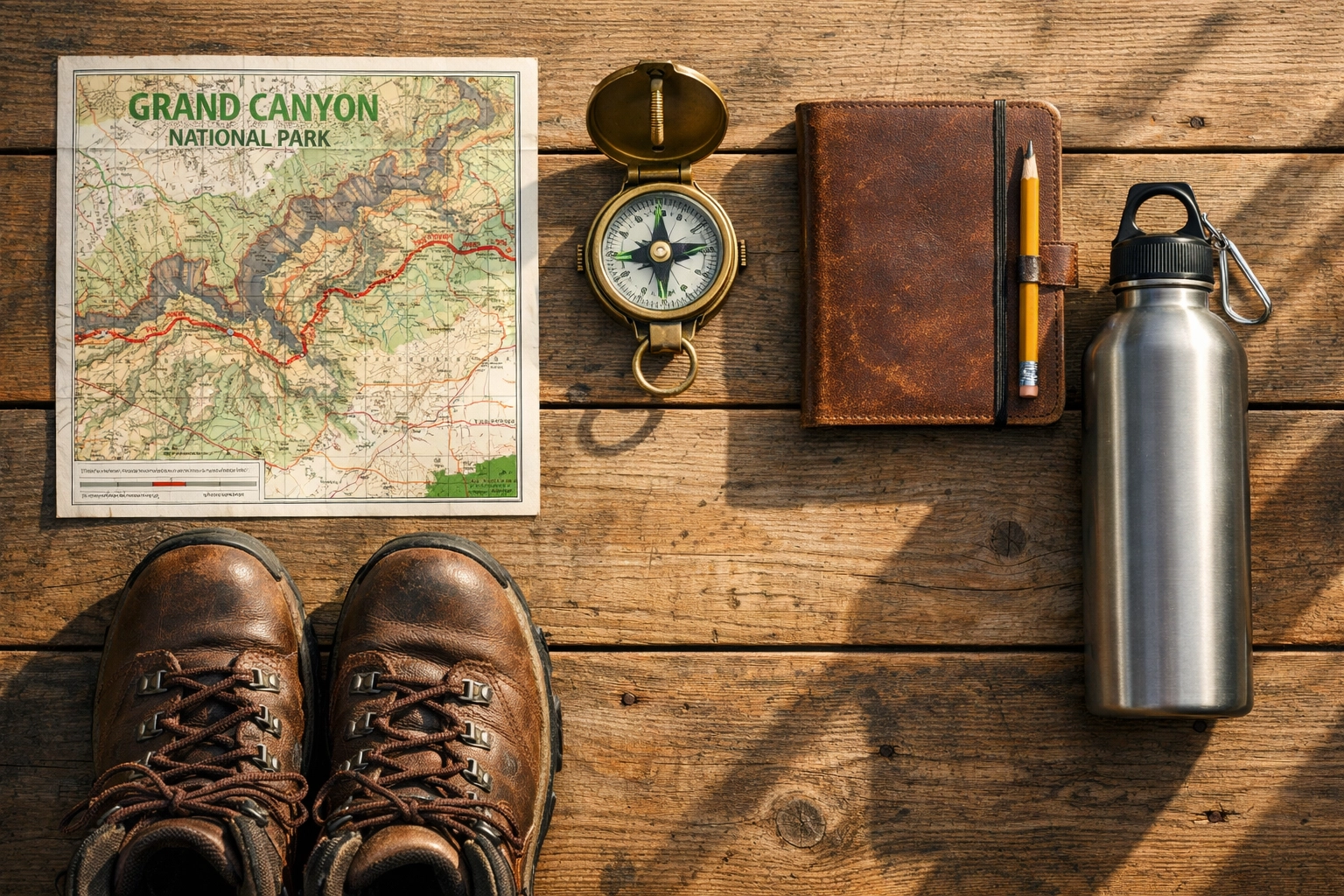
The Grand Canyon is not a walk in the park. Advise students and parents early about the physical demands of the trip. Encourage a training regimen that includes hiking with a weighted pack. Stress the importance of proper footwear and hydration. A well-prepared student is a safe student.
Step 3: Foster a Meticulous Safety Mindset
Create a detailed itinerary and share it with all relevant parties, including parents and school administration. Discuss emergency procedures and contingency plans openly with your students. This proactive thinking minimizes risk and allows the group to focus on learning and service.
Step 4: Focus on Inclusivity
Ensure that every student feels they have a role to play. Whether they are the group's "science lead," "navigation lead," or "journaling lead," giving each student a specific responsibility fosters a sense of ownership and involvement.
The Conservation Gift: A Lasting Legacy
The impact of a Grand Canyon conservation school trip extends far beyond the final hike out of the canyon. We call this the "conservation gift." It is the lasting awareness that our natural wonders are fragile and require our active protection.
When students return from the canyon, they carry with them the realization that they are part of a global effort to conserve our planet. Whether they eventually focus on marine science or forest conservation, the lessons learned in the desert: lessons of hard work, scientific inquiry, and purposeful leadership: will stay with them.
At Appleseed Expeditions, we are proud to facilitate these transformative experiences. We believe that by immersing students in the "real science" of the Grand Canyon, we are preparing them to be the guardians of our natural world for generations to come.
Conclusion: Ready to Lead?
Ensuring the safety of students while enriching their lives through service and science is a high calling. By choosing Grand Canyon conservation school trips, you are providing your students with a rare opportunity to develop their sense of purpose in one of the most magnificent settings on Earth.
Be prepared, be vigilant, and most importantly, be ready to watch your students grow into the leaders our world needs. If you are ready to start planning your next expedition, we invite you to explore our about page to learn more about our philosophy and our commitment to educational excellence. Together, we can plant the seeds that will protect our natural wonders for the next two billion years.

Comments