


Why Service Learning in the Grand Canyon Matters for Future Scientists

Providing students with a robust foundation in the sciences requires more than theoretical instruction within the confines of a classroom. To cultivate the next generation of researchers, ecologists, and geologists, educators must bridge the gap between academic concepts and real-world application. Integrating service learning into the curriculum, particularly through Grand Canyon student service trips, offers an unparalleled opportunity to achieve this. By engaging in "real science" that yields "real impact," students develop a profound sense of purpose, leadership, and a lifelong commitment to conservation.
The Importance of Place-Based Scientific Inquiry
The Grand Canyon serves as one of the most significant geological and ecological classrooms on the planet. For a future scientist, the ability to observe nearly two billion years of Earth's history in a single vista is transformative. However, the true value of an expedition to this region lies in the transition from passive observer to active participant.
Service learning is a pedagogical approach that intentionally integrates meaningful community service with instruction and reflection. In the context of the Grand Canyon, this means students are not merely trekking through the landscape; they are actively contributing to its preservation through data collection, habitat restoration, and conservation projects. This hands-on involvement reinforces classroom learning and establishes the groundwork for a professional scientific career.
Developing Career Clarity through Fieldwork
One of the most significant advantages of Grand Canyon student service trips is the exposure to professional scientific roles. Students gain direct insight into the daily responsibilities of park rangers, conservation specialists, and research biologists. This "career clarity" is essential for high school and university students who are navigating their future academic paths.
Professional Mentorship: Working alongside experts in the field allows students to ask technical questions and observe professional methodologies firsthand.
Application of Theory: Students see how chemistry, biology, and earth science are used to solve complex environmental challenges, such as managing invasive species or protecting endangered fauna.
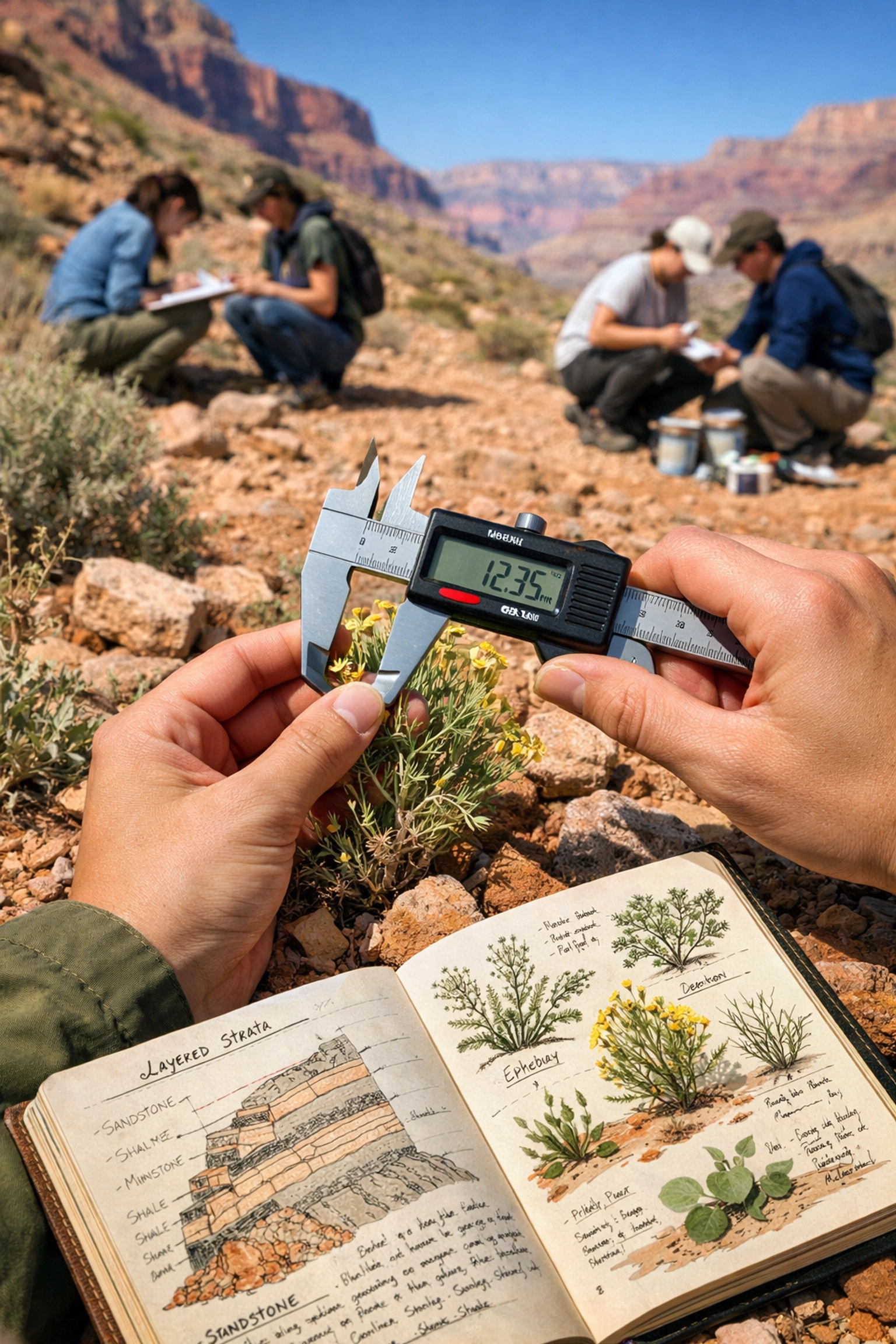
Skill Acquisition: Participants learn to use field equipment, record precise data, and follow rigorous scientific protocols, all of which are transferable skills in any STEM field.
Real Science Equals Real Impact: The Philosophy of Service
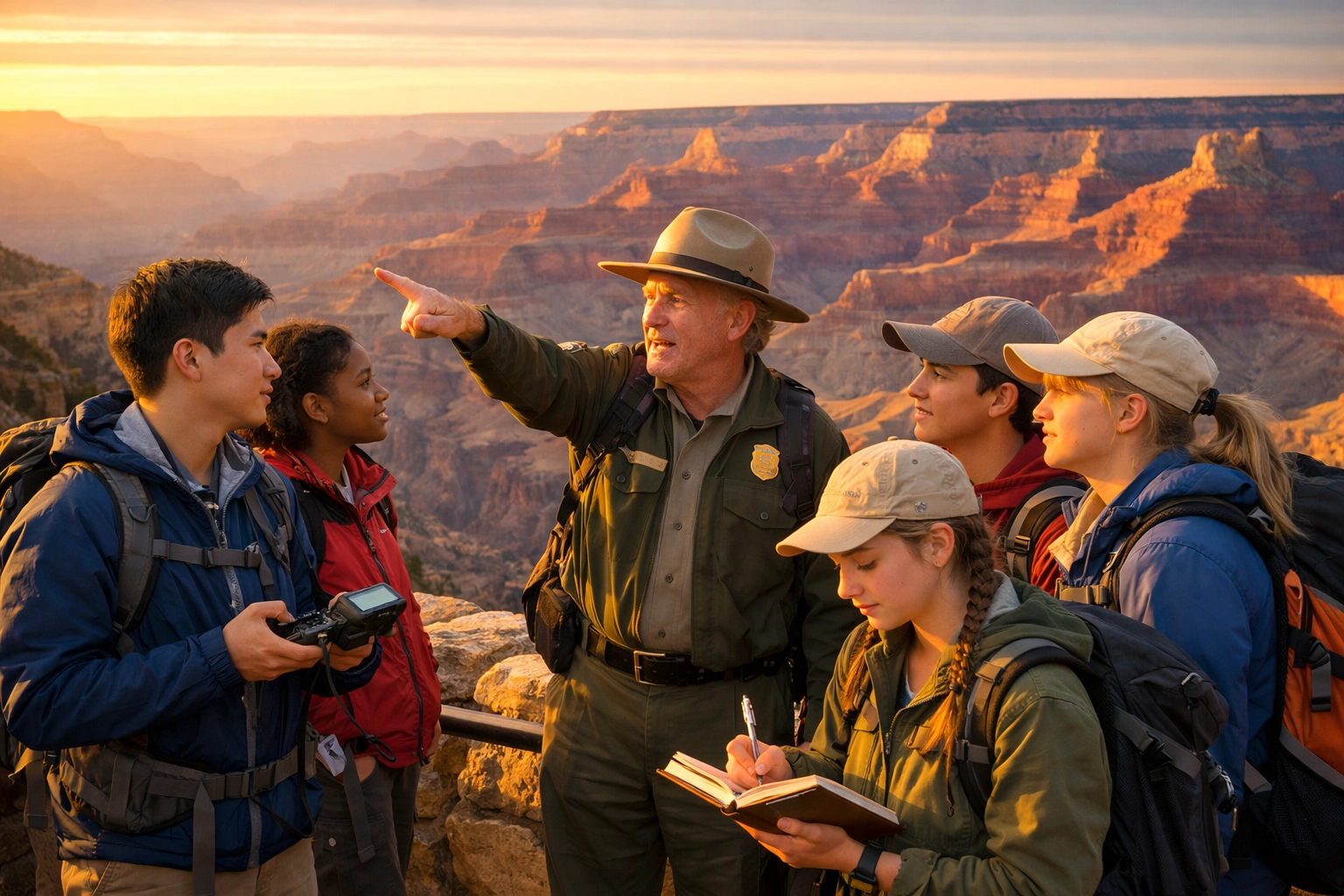
At Appleseed Expeditions, we believe that when students realize their work has tangible consequences for the environment, their engagement levels soar. This is the core of the "real science equals real impact" philosophy. When a student helps restore a trail or monitors a water source, they are not performing a simulation; they are performing a service that benefits the National Park Service and future generations of visitors.
The "conservation gift" is the idea that we have a responsibility to leave an ecosystem better than we found it. By participating in service projects, students learn that science is not just an academic pursuit but a tool for stewardship. This realization often leads to a shift in perspective, where students begin to view themselves as leaders in the global effort to conserve our natural resources.
Foundational Competencies for Future Researchers
Scientific success relies heavily on competencies that are often difficult to teach in a traditional setting. Service learning at the Grand Canyon specifically targets these areas:
Research and Analytical Abilities: Students must analyze environmental conditions to determine the best course of action for a service project.
Critical Thinking: When faced with unexpected variables in the field: such as weather changes or terrain difficulties: students must employ problem-solving skills to complete their objectives safely and effectively.
Structured Reflection: A key component of service learning is reflection. By documenting their experiences in journals and participating in group discussions, students synthesize their scientific observations with their personal growth, a practice that mirrors the peer-review and reporting processes of professional science.
Leadership and Social Competence in the Field
Modern science is rarely a solitary endeavor. It requires collaboration, communication, and leadership. Grand Canyon student service trips place students in team-oriented environments where they must coordinate efforts to achieve a common goal.
To maximize the leadership potential of these trips, educators should:
Assign Rotating Roles: Give different students the responsibility of leading daily briefings or overseeing specific project tasks.
Encourage Clear Communication: Emphasize the importance of precise language when reporting scientific data or safety concerns.
Foster Responsibility: Ensure that students understand that the success of the project: and the safety of the group: depends on their individual contributions.
Developing these social competencies ensures that future scientists are not only technically proficient but also capable of leading research teams and communicating findings to the public effectively. You can read more about our approach to leadership and education on our blog.
Prioritizing Safety and Meticulous Preparation
Field expeditions, while educationally rewarding, involve inherent risks that must be managed with absolute vigilance. Ensuring the safety of students is of paramount importance and requires a risk-averse mindset from both educators and expedition leaders.
Safety Protocols for Grand Canyon Expeditions:
Comprehensive Itineraries: Educators must provide detailed itineraries to parents and administrators, outlining every phase of the trip.
Hydration and Nutrition: In the arid climate of the Grand Canyon, maintaining proper hydration and caloric intake is a critical safety requirement. Students must be instructed on the physiological signs of heat exhaustion and dehydration.
Emergency Contingency Plans: Every group must have established procedures for medical emergencies, including communication protocols with park authorities.
Supervision: Maintaining strict supervision ratios ensures that students are monitored during service projects and while traversing difficult terrain.
Preparing your students for the rigors of the Grand Canyon involves careful planning. For more information on how we structure our safety-first expeditions, visit our Grand Canyon trip page.
The Role of Indigenous Knowledge
An essential part of science in the Grand Canyon is recognizing that the landscape has been inhabited and managed by Indigenous peoples for millennia. Modern conservation efforts increasingly integrate traditional ecological knowledge with Western scientific methods.
Service learning programs that include interactions with local communities or study the history of the Navajo and other tribes provide students with a more holistic understanding of environmental science. This cultural context enriches the educational experience and teaches students that science does not exist in a vacuum; it is deeply connected to human history and social responsibility.
Planting Seeds for Future Generations
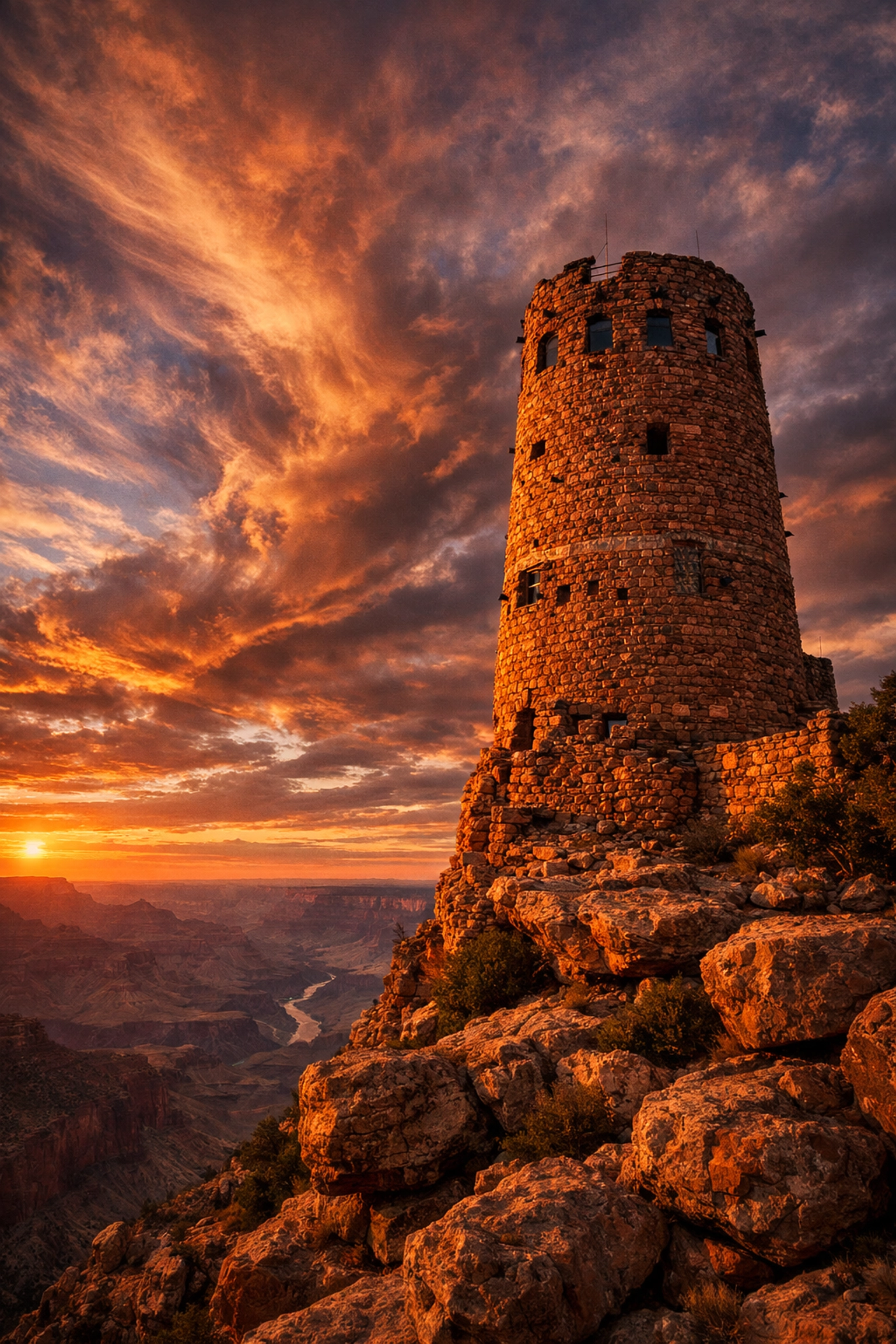
The ultimate goal of any educational expedition is to plant seeds of curiosity and responsibility that will grow throughout a student’s life. By engaging in service learning, students are not just "doing a project": they are developing a sense of purpose. They begin to see themselves as part of a lineage of scientists and explorers who have worked to understand and protect the natural world.
This sense of purpose is what drives a student to pursue a PhD in geology, to volunteer for ocean conservation efforts, or to advocate for sustainable environmental policies. The Grand Canyon is the catalyst for this transformation.
Conclusion: A Strategic Investment in Scientific Education
Integrating service learning into Grand Canyon student service trips is a strategic investment in a student's professional and personal development. It moves beyond the textbook to provide high-impact, real-world experiences that define careers and shape character.
By focusing on leadership, meticulous preparation, and the "real science" of conservation, we prepare students to meet the challenges of the future with confidence and competence. For educators looking to provide their students with a truly transformative experience, the Grand Canyon offers a unique opportunity to blend rigorous academic study with meaningful service.
We encourage all educators to explore the possibilities of educational travel and consider how a service-based expedition can enrich their science curriculum. Visit our service learning trips page to learn more about our upcoming programs and how you can get involved in our mission of education and conservation.

Comments