


Connecting with Heritage: Cultural Impact of the Navajo Service Trip
- Caleb Mullenix
- Apr 9
- 5 min read

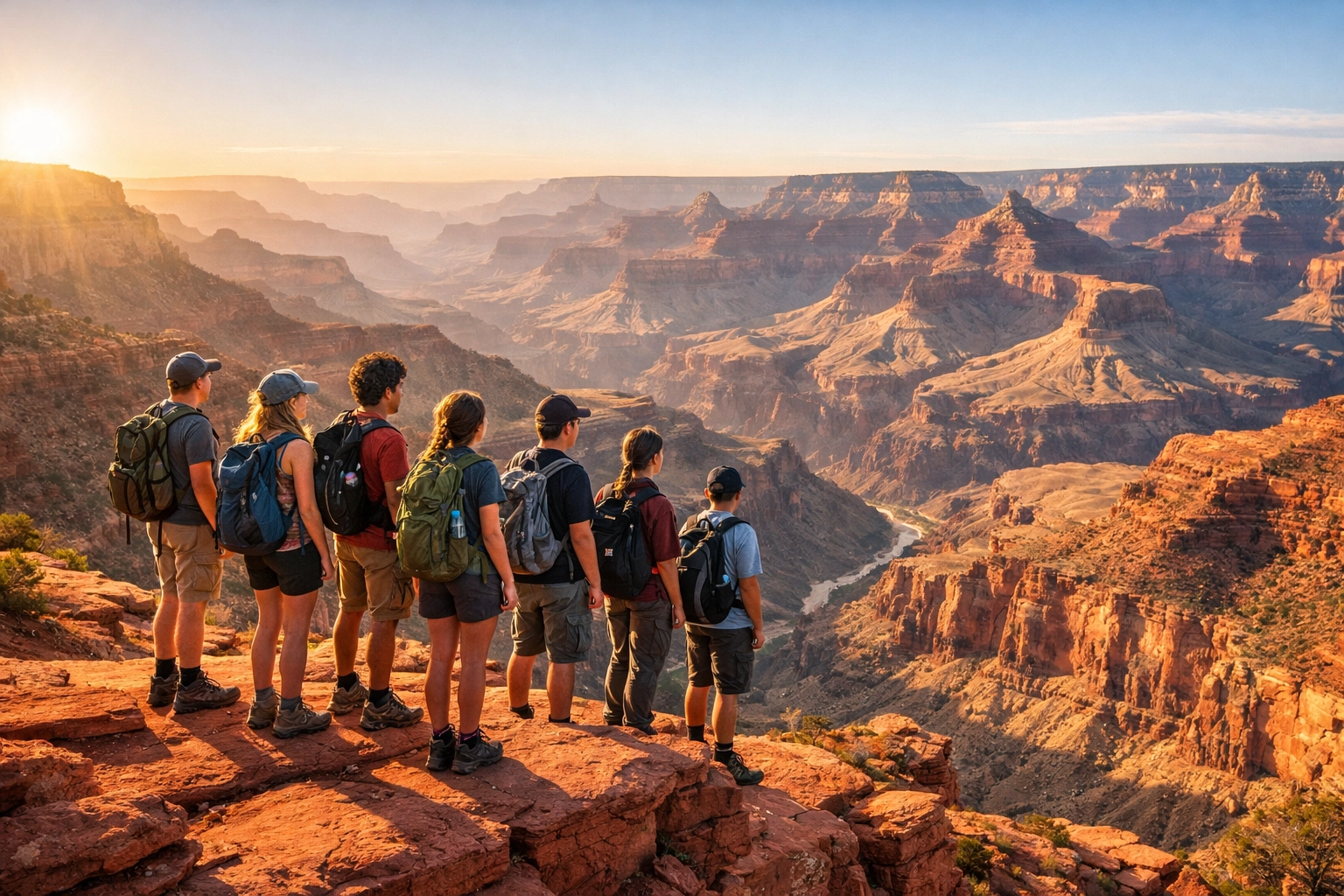
Developing a deep sense of purpose in students requires moving beyond the classroom and into environments that challenge their worldviews. At Appleseed Expeditions, we believe that "real science equals real impact." Nowhere is this more evident than on a Grand Canyon Navajo service trip. When students engage with the heritage of the Diné (Navajo) people, they are not just tourists observing a landscape; they are active participants in a cultural exchange that emphasizes conservation, leadership, and the preservation of sacred traditions.
The Grand Canyon is more than a geological marvel: it is a spiritual and ancestral home. By integrating service-learning with cultural immersion, educators can plant seeds of stewardship and global citizenship that will flourish for generations to come.
The Importance of Purpose-Driven Travel
Education is most effective when it is tied to a tangible objective. Preparing your students for a service trip to the Navajo Nation involves more than logistics; it requires a mental shift toward humility and a willingness to learn. The primary goal of these expeditions is to foster a sense of leadership through service. By working alongside community members, students realize that conservation is not just about protecting nature: it is about protecting the heritage and the people who rely on that nature.
Key Objectives for the Navajo Service Trip:
Cultural Competency: Gaining an authentic understanding of Navajo traditions and history.
Environmental Stewardship: Applying scientific principles to help maintain and restore the high-desert ecosystem.
Leadership Development: Encouraging students to take initiative in service projects that benefit the local community.
Perspective Shifting: Moving from a consumer-based mindset to a community-focused worldview.
Deep Cultural Immersion: A Way of Life
A Grand Canyon Navajo service trip provides students with a unique window into a culture that has thrived in the Southwest for centuries. This immersion is not superficial. Students participate in the rhythms of daily life, learning that every action: from cooking to ceremony: has a deep spiritual meaning.
Hands-on Engagement with Tradition
One of the most transformative aspects of the trip is participating in a traditional sweat lodge ceremony. This experience is often described as a journey of birth and rebirth, where each round of the ceremony holds specific significance passed down through generations. For students, this provides an opportunity for introspection and a lesson in the weight of tradition.
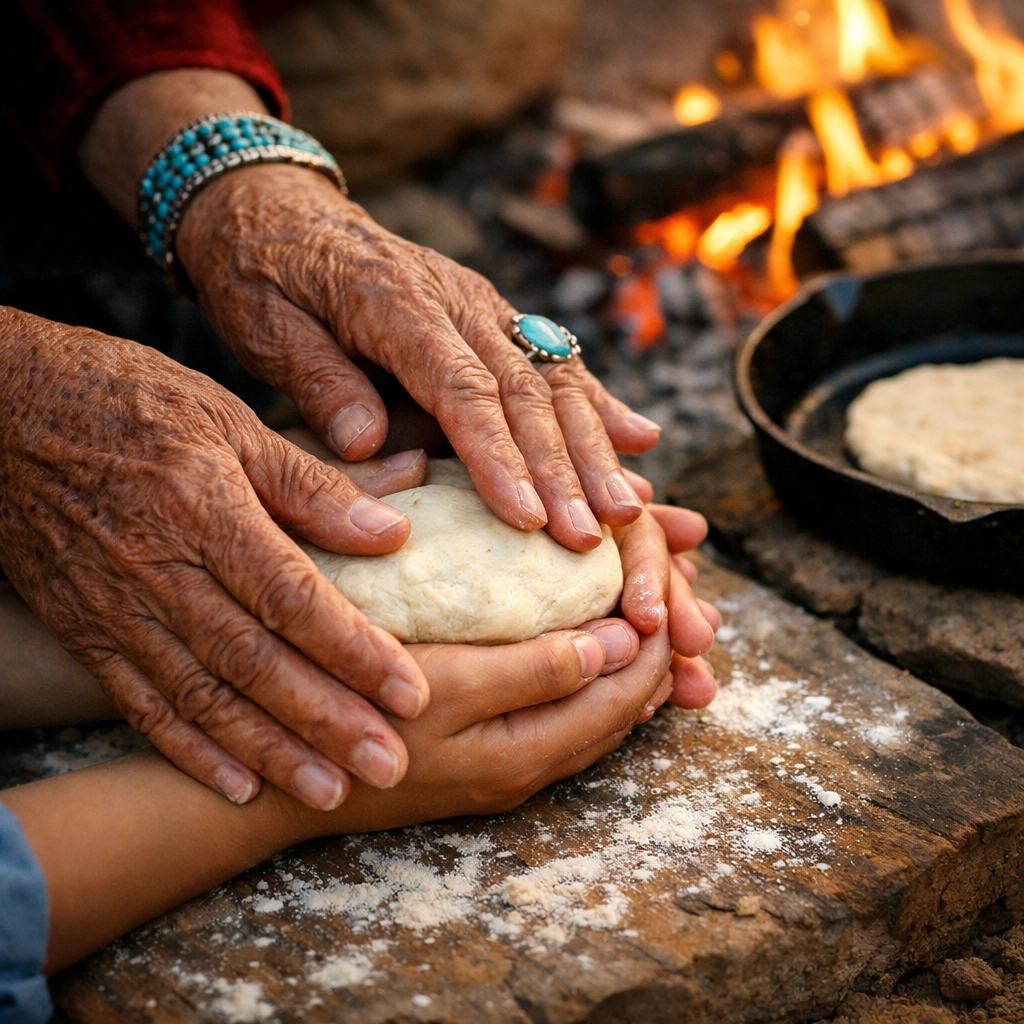
Furthermore, students engage in traditional culinary practices. Cooking over an open fire, preparing mutton stew, and learning the intricate techniques of making Navajo tortillas allows students to connect with the community on a personal level. As community members share the origins of these practices, students learn that Navajo culture is not a "fad" or a static history lesson; it is a vibrant, living way of life.
Real Science Equals Real Impact
At Appleseed Expeditions, we bridge the gap between academic theory and practical application. In the arid environment of the Navajo Nation, science is a tool for survival and sustainability. When students participate in environmental service, they are seeing "real science" in action.
Conservation and Land Management
The high-desert ecosystem surrounding the Grand Canyon is fragile. Students may assist with projects such as:
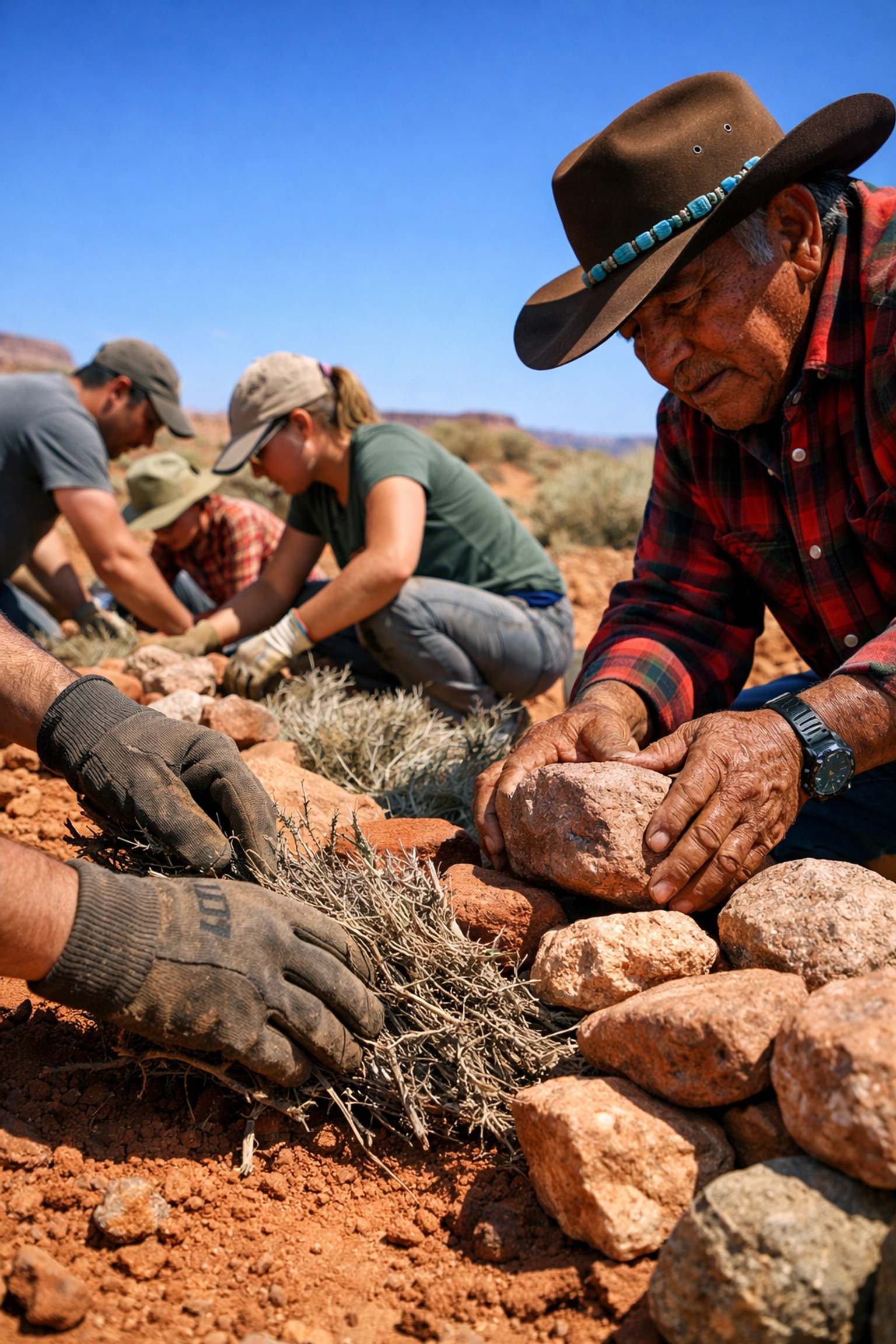
Soil Conservation: Implementing techniques to prevent erosion on ancestral lands.
Water Management: Learning how traditional and modern methods are used to preserve water in one of the driest regions of North America.
Livestock Support: Assisting families with the care of sheep and horses, which are central to Navajo heritage and the local economy.
By participating in these tasks, students provide "conservation gifts" to the community. These are not just temporary fixes; they are contributions to the long-term health of the land. This hands-on work reinforces the idea that environmental science has a human face and a cultural heart.
Developing Leadership and Global Perspective
One of the most profound impacts of the Grand Canyon Navajo service trip is the shift in perspective regarding material wealth and happiness. Students often arrive from environments characterized by constant connectivity and consumerism. On the reservation, they witness a lifestyle that values relationships and heritage over material possessions.
The Lens of Simplicity
Witnessing families thrive without the modern utilities many students take for granted: such as constant high-speed internet or complex house payments: challenges their definitions of success. This "new lens on the world" is a critical component of leadership development. A leader who understands different ways of living is better equipped to navigate an increasingly interconnected world.
Steps to Foster Student Leadership on the Trip:
Assign Daily Leaders: Rotate the "Lead Student" role to manage group logistics and communication with community elders.
Facilitate Nightly Reflections: Encourage students to discuss how their daily service tasks impacted the community and their own perspectives.
Encourage Inquiry: Advise students to ask respectful questions about Navajo history and the science of the land to deepen their understanding.
For teachers comparing different destinations, the Yellowstone vs. Grand Canyon school trip offers distinct scientific opportunities, but the Navajo service trip is unique for its deep cultural integration.
Heritage Preservation Through Relationship
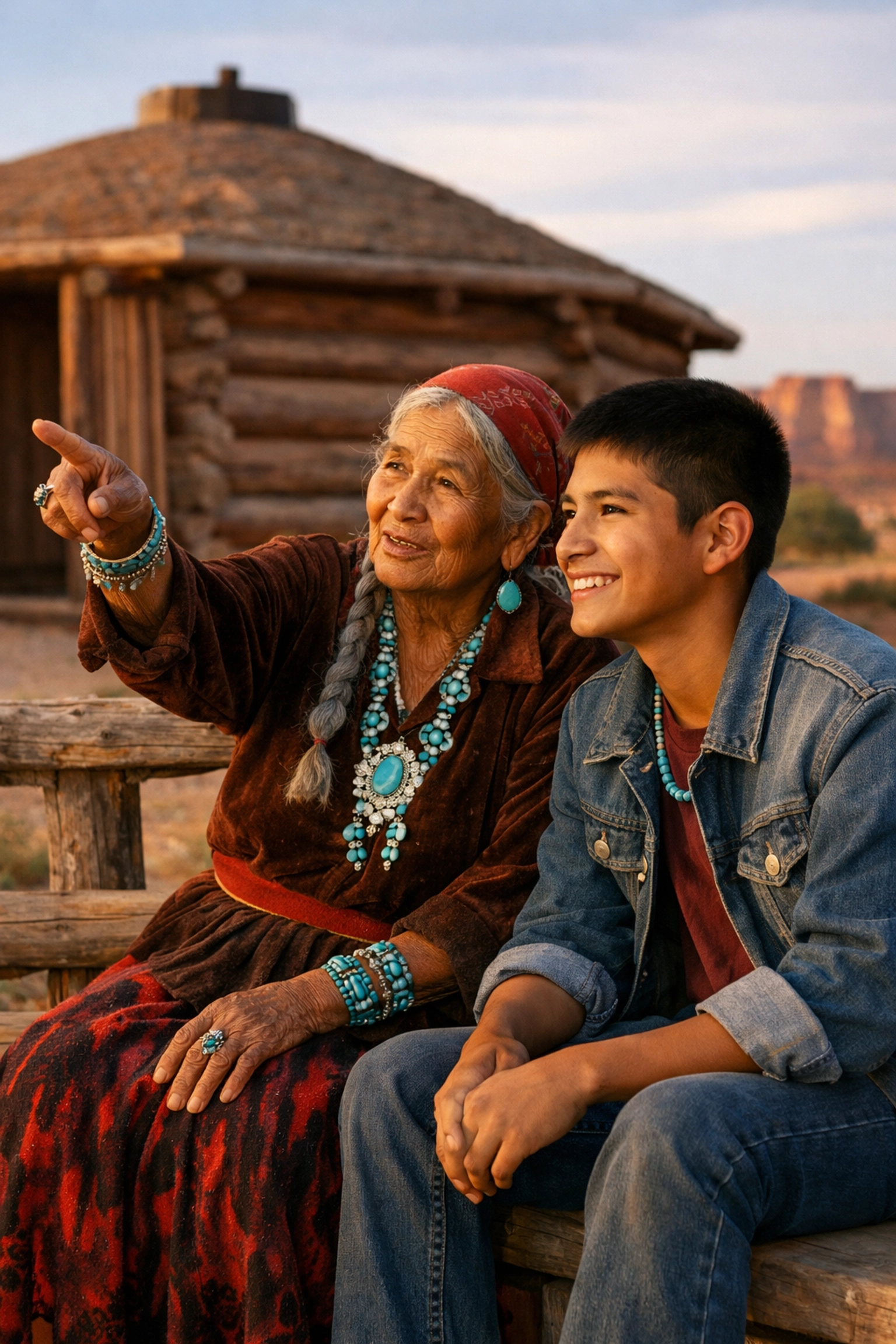
The Navajo people host these service trips with a specific purpose: to ensure the world continues to care about their people and their land. This is a form of heritage preservation through relationship. By building bonds with students, the Diné are planting seeds in the minds of the next generation.
Planting Seeds for Future Generations
The service work performed by students is a vital part of keeping traditions alive. When a student helps repair a traditional Hogan or assists an elder with daily chores, they are facilitating the continuity of a culture. This mutual respect creates a "real impact" that outlasts the duration of the trip. Students return home as ambassadors for the Navajo Nation, sharing stories and ensuring that the heritage of the West is not forgotten.
Preparing Your Students for the Journey
Ensuring the success of a service-learning trip requires meticulous planning and a focus on respect. Educators must emphasize that they are entering a sovereign nation with its own laws, customs, and protocols.
Practical Tips for Educators:
Emphasize Respect: Instruct students on the importance of asking for permission before taking photographs or entering sacred spaces.
Anticipate Challenges: Prepare students for the physical demands of high-desert service work and the potential for limited cell service.
Review Emergency Procedures: Always have a detailed itinerary and emergency plan in place, as the remote nature of the Grand Canyon region requires vigilance.
Incorporate Pre-Trip Learning: Before departure, engage students with lessons on Navajo history, the geology of the Grand Canyon, and the principles of citizen science. You can find excellent resources on integrating science into travel through our Q&A on citizen science opportunities.
Conclusion: A Lasting Impact
The Grand Canyon Navajo service trip is more than just an educational tour; it is a transformative experience that combines real science with real human impact. By serving the Navajo community, students develop a sense of purpose and leadership that will serve them: and the world: for future generations.
At Appleseed Expeditions, we are dedicated to creating these life-changing opportunities. Whether it is exploring the marine science of the Florida Keys or the cultural heritage of the Navajo Nation, our goal is to plant the seeds of conservation and service.
Preparing your students for this journey involves careful planning and a commitment to excellence. By choosing a path of service, you are giving your students a gift that will enrich their lives and help conserve the cultural and natural treasures of our planet.
For more information on how to organize your next educational expedition, visit our blog or explore our service-learning options. Together, we can empower the next generation of leaders through the power of place-based learning and intentional service.
Comments