


Q&A: Citizen Science Opportunities in Yellowstone

Ensuring that students engage with the natural world through a lens of academic rigor and ecological stewardship is of paramount importance for modern educators. Yellowstone National Park serves as one of the world's premier outdoor laboratories, offering more than just sightseeing. Through a Yellowstone Science Program for Schools, students transition from passive observers to active contributors in the field of conservation biology.
The following Q&A guide is designed to provide educators and group organizers with the necessary information to facilitate a high-impact, research-driven expedition.
Understanding Citizen Science in the Greater Yellowstone Ecosystem
What exactly is citizen science, and how does it function within Yellowstone National Park?
Citizen science is a collaborative process where members of the public: in this case, students and educators: partner with professional scientists to collect and analyze data. In Yellowstone, these initiatives are often a partnership between the National Park Service and organizations like Yellowstone Forever.
By participating in a Yellowstone Conservation Student Trip, students help fill critical data gaps that park researchers may not have the resources to cover alone. This data informs management decisions regarding wildlife health, invasive species control, and the park's response to climate change.
Why is hands-on research superior to traditional classroom learning for science students?
Preparing your students for a future in STEM (Science, Technology, Engineering, and Math) involves careful planning and exposure to real-world variables. Unlike a controlled laboratory setting, Yellowstone provides a dynamic environment where students must account for weather, terrain, and animal behavior. This reinforces the importance of precision, patience, and the scientific method in a way a textbook cannot replicate.
Core Projects: Where Students Make an Impact
What are the primary research projects available for student participation?
The park currently hosts several ongoing initiatives that are well-suited for educational groups. When planning your itinerary, consider focusing on one or more of the following:
The Yellowstone Phenology Project: This study tracks the timing of life-cycle events in plants and animals. Students record when specific flowers bloom or when migratory birds return. This data is vital for understanding how the ecosystem responds to shifting environmental conditions and climate change.
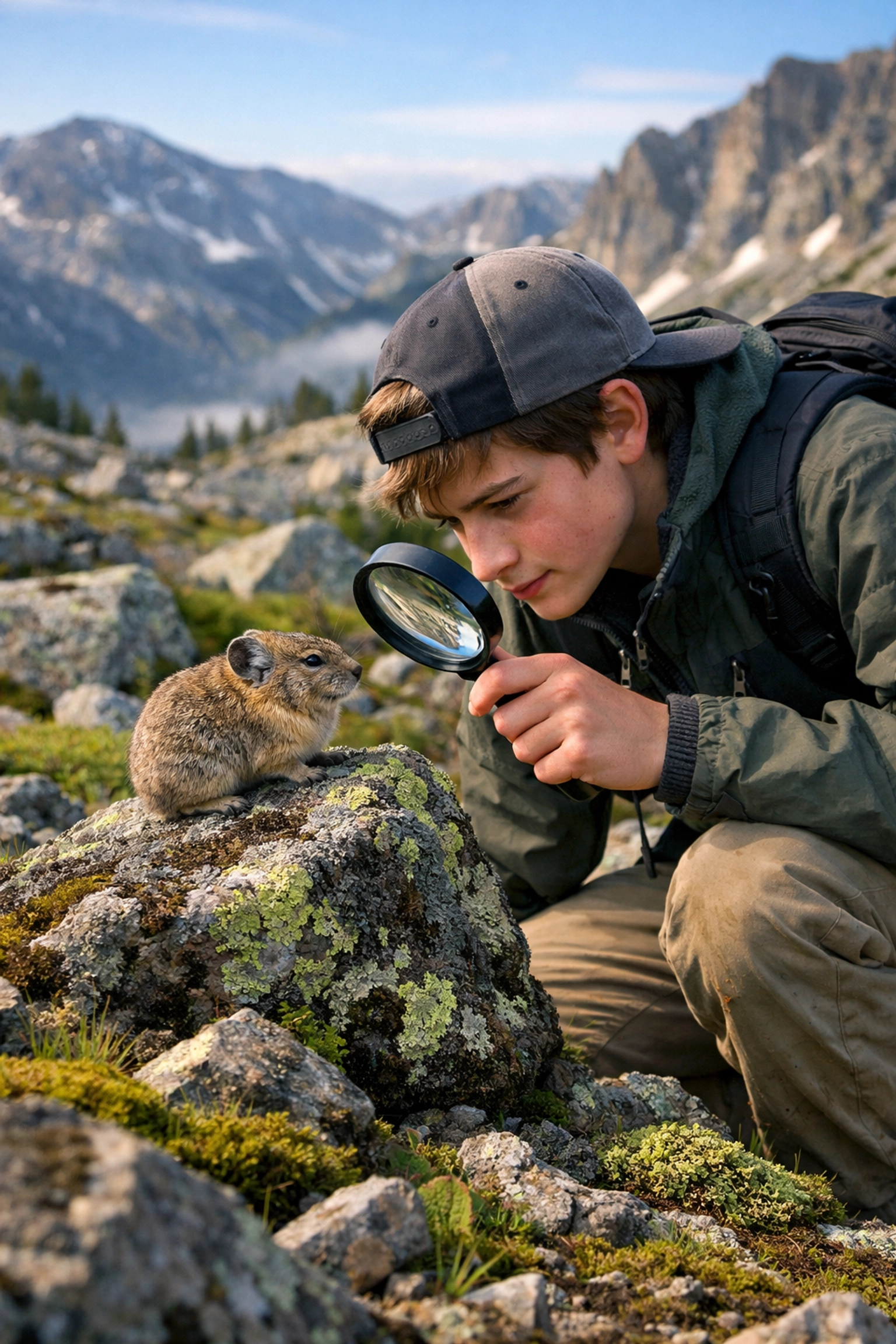
Yellowstone Pika Project: The American Pika is a temperature-sensitive species that serves as an "indicator species" for climate change. Students assist in monitoring historic pika sites to determine if populations are migrating to higher altitudes or disappearing.
Red-tailed Hawk Nest Monitoring: This project contributes to continent-wide baseline data. Students learn to identify nesting success and habitat preferences, helping scientists understand the health of raptor populations in the Northern Range.
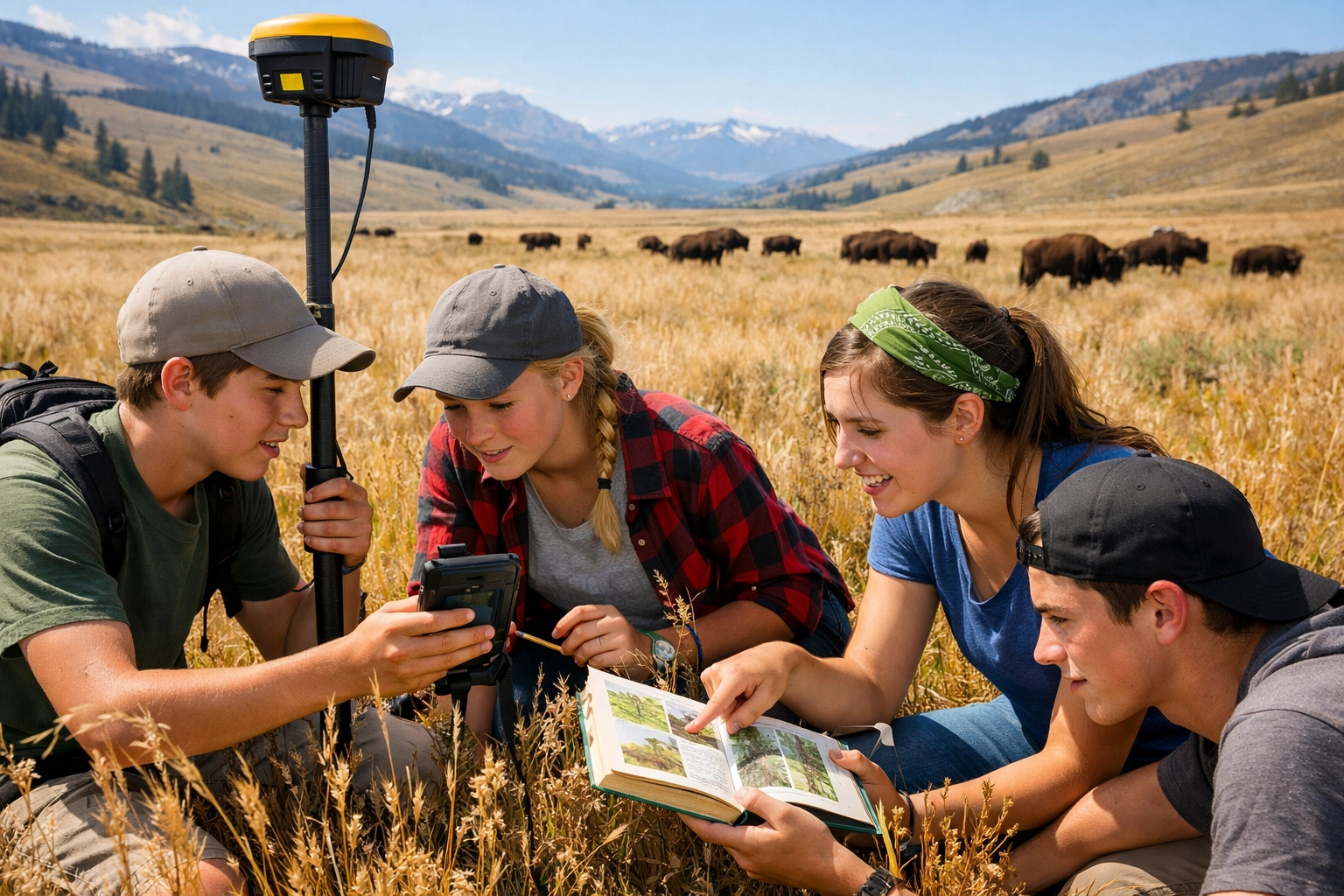
Invasive Weed Mapping: Non-native species can devastate local biodiversity. Students work to identify and map the spread of invasive plants, providing park managers with the coordinates needed for mitigation efforts.
How do students use technology to record their findings?
Modern field research relies heavily on mobile technology. Participants are often instructed to use the ROaDS Smartphone Application or the "Survey 123" app. These tools allow students to input wildlife observations and road safety data in real-time.
Instructional Tip: Before arriving at the park, ensure all student devices are equipped with the necessary software and that students have been briefed on how to enter data accurately. Maintaining data integrity is a core responsibility of any citizen scientist.
Planning the Expedition: A Step-by-Step Approach
What steps should educators take to prepare for a Yellowstone Science Program for Schools?
Successful field studies require a meticulous and risk-averse mindset. Follow these steps to ensure a productive and safe trip:
Establish Academic Goals: Determine which National Science Standards (NGSS) your trip will address. Whether it is biodiversity, ecosystem dynamics, or human impact, having a clear focus will maximize learning opportunities.
Coordinate with Experts: Reach out to Appleseed Expeditions to facilitate connections with field biologists and park rangers. Professional guidance is essential for ensuring that student data meets research-grade standards.
Conduct Pre-Trip Training: Teach students the basics of species identification and the specific protocols of their assigned project. Preparation at home reduces errors in the field.
Implement a Safety Protocol: Yellowstone is a wild environment with geothermal hazards and unpredictable wildlife. Create a detailed safety plan that includes bear spray training, hydration schedules, and emergency communication procedures.
What gear is essential for a Yellowstone Conservation Student Trip?
Ensuring the safety and comfort of students is vital for maintaining focus on research. Advise students to bring the following:
High-Quality Binoculars: Essential for bird and wolf observations.
Field Notebooks: Encourage the habit of manual data backup and sketching observations.
Weather-Appropriate Layers: Yellowstone weather can shift from sun to snow in a single afternoon.
Sturdy Hiking Boots: Research often requires moving off-trail into uneven terrain.
The Role of Appleseed Expeditions
While independent planning is possible, the complexity of coordinating with park researchers and managing logistics in a wilderness area can be daunting. Appleseed Expeditions provides specialized opportunities for students and educators to experience Yellowstone science trips firsthand. By leveraging established relationships within the park, Appleseed ensures that your group is not just "touring" the park, but actively serving the land and the scientific community.
For educators looking to bridge the gap between service learning and STEM, our programs offer a structured, safe, and academically rigorous framework. You can find more information on our various offerings, such as our Service Learning Opportunities for High School Students, which demonstrate our commitment to impactful travel.
Safety and Ethics in the Field
How can we ensure student safety while conducting research?
Safety is of paramount importance. When students are focused on a data sheet or a smartphone app, they may lose situational awareness.
Maintain Distance: Always emphasize the 100-yard rule for bears and wolves, and the 25-yard rule for all other wildlife, including bison and elk.
Supervision: Assign small student groups to a specific chaperone or lead educator to ensure constant vigilance.
Emergency Plans: Discuss emergency procedures daily. Every student and chaperone should know the location of the nearest first-aid kit and the protocol for a wildlife encounter.
What ethical considerations should be taught to student researchers?
Respect for the resource is a core value of the National Park Service. Emphasize the "Leave No Trace" principles. Students must understand that their presence should not disrupt the natural behavior of the animals they are studying. If an animal changes its behavior because of the group's presence, the group is too close.
Long-Term Impact and Student Outcomes
What are the long-term benefits for students participating in these programs?
Participating in a Yellowstone Science Program for Schools often serves as a "capstone" experience for high school students. It provides:
Resume and College Application Enhancements: Real-world research experience is highly valued by university admissions boards.
Career Path Clarity: Exposure to field biology, geology, and environmental science can inspire students to pursue careers in these fields.
Ecological Literacy: Students gain a profound understanding of the interconnectedness of apex predators, vegetation, and climate.
How does this data contribute to the global scientific community?
The data collected during a Yellowstone Conservation Student Trip is often uploaded to global databases like iNaturalist or eBird. This means the work done by your students contributes to a global understanding of biodiversity. Highlighting this can be immensely helpful in motivating students, as they see their individual efforts contributing to a much larger, meaningful goal.
Final Preparations for Educators
Preparing your students for a Yellowstone expedition involves careful planning, but the rewards are unparalleled. By focusing on citizen science, you transform a standard school trip into a professional-grade research expedition.
Ensure that you:
Share a detailed itinerary with all parents and school administrators.
Encourage students to take ownership of their research projects.
Reaffirm the core objectives of safety, preparation, and respect for the environment.
By following these guidelines and partnering with experts like Appleseed Expeditions, you ensure an enriching, safe, and scientifically significant experience for every student.
Call to Action: Are you ready to lead your students into the heart of the Greater Yellowstone Ecosystem? Contact Appleseed Expeditions today to begin planning your Yellowstone Science Program for Schools. Our team handles the logistics so you can focus on the science. Explore our blog for more insights on educational travel and conservation.

Comments