


Q&A: Integrating Art and Photography into Yellowstone Trips
- Caleb Mullenix
- Apr 3
- 6 min read

Integrating visual arts and photography into an outdoor science curriculum is a powerful strategy to deepen student engagement, sharpen observation skills, and foster a multi-disciplinary understanding of the natural world. In the context of the world's first national park, these creative disciplines serve as more than just hobbies; they are essential tools for scientific inquiry.
Providing students with the opportunity to document their journey through a lens or a sketchbook transforms them from passive tourists into active observers. This Q&A guide is designed for educators looking to elevate their Yellowstone Science Program for Schools by bridging the gap between empirical data and creative expression.
Q1: Why should an educator prioritize art and photography on a science-focused trip?
The integration of art into STEM (creating STEAM) is essential for developing well-rounded critical thinkers. When students are tasked with photographing a geological feature or sketching a biological specimen, they are forced to slow down and notice details that a casual observer would miss.
Enhanced Observation: Photography requires an understanding of light, shadow, and scale. These are the same variables a geologist uses to identify rock formations or thermal activity.
Detailed Documentation: A photograph serves as a permanent record of a specific moment in time: an eruption of a geyser, the movement of a wolf pack, or the specific mineral deposits at Mammoth Hot Springs.
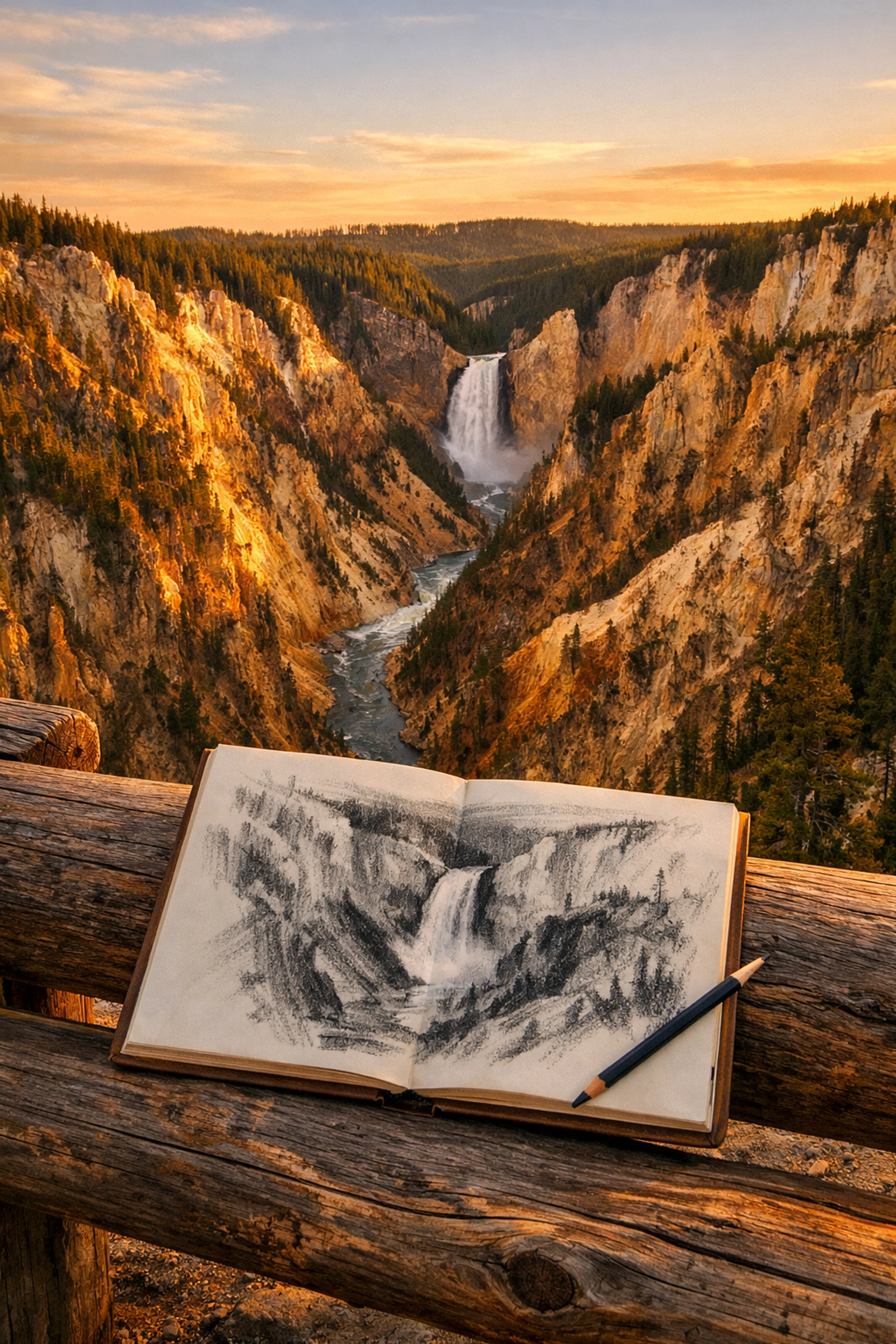
Scientific Illustration: Sketching requires students to understand the anatomy of a landscape or an organism. By drawing the layers of the Grand Canyon of the Yellowstone, students internalize the concepts learned during Yellowstone geology trips for students.
Q2: How does photography specifically support a Yellowstone Science Program for Schools?
Photography acts as a bridge between field observation and classroom analysis. In a formal Yellowstone Science Program for Schools, photography is used as a data collection method.
Macro Photography for Biology: Students can use macro settings to capture the intricate patterns of thermophiles (heat-loving bacteria) in the runoff of hot springs.
Landscape Composition for Geology: Using wide-angle shots to document the V-shaped vs. U-shaped valleys helps students differentiate between river erosion and glacial carving.
Sequence Photography: Capturing a series of photos during a geyser eruption allows students to analyze the physics of the water column and the duration of the event.
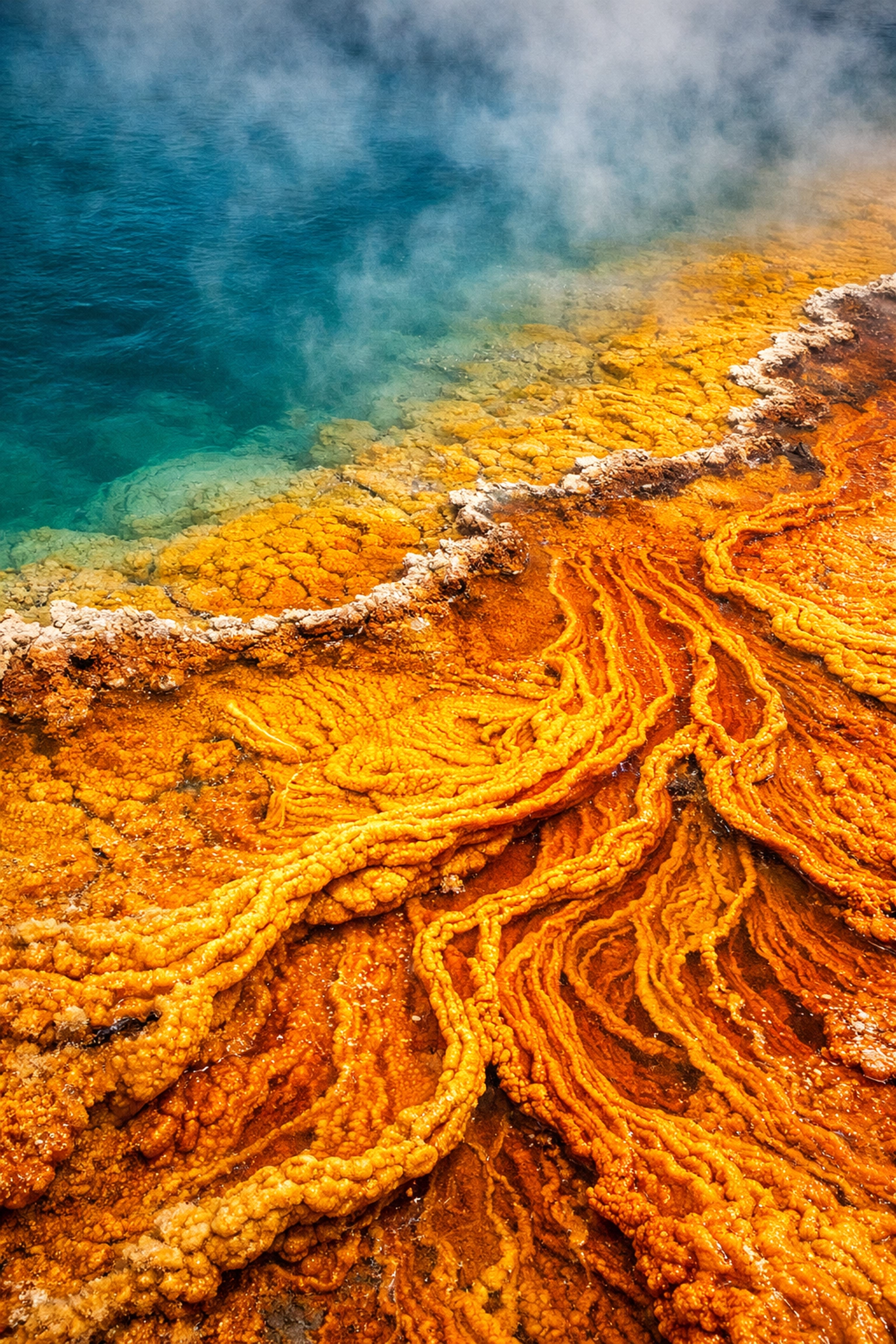
Q3: What are the best locations for "Field Art" during Yellowstone geology trips for students?
Yellowstone offers a diverse range of "living classrooms" where art and science collide. For teachers planning Yellowstone geology trips for students, the following locations are paramount:
Artist Point (Grand Canyon of the Yellowstone): This is perhaps the most iconic location for student artists. The yellow, red, and orange hues of the canyon walls are the result of hydrothermally altered rhyolite. Students can sketch the "V" shape of the canyon, which provides a visual lesson in river erosion.
Grand Prismatic Spring: The vivid rings of color are not just beautiful; they are a visual map of temperature gradients and the specific microbial mats that thrive in them. Photography here is excellent for teaching students about the visible light spectrum and heat-tolerant organisms.
Mammoth Hot Springs: The travertine terraces offer complex geometric shapes. The rapidly changing landscape: where springs dry up and new ones form: is a perfect subject for documenting geological change in real-time.
Q4: What equipment is essential for a student art and photography program?
While professional gear is not a requirement, ensuring students have the right tools is critical for safety and educational success. Educators should advise students to bring the following:
Digital Camera or High-Quality Smartphone: Most modern smartphones are sufficient for capturing high-resolution images, provided they are used with care.
Field Sketchbook and Waterproof Pens: Weather in Yellowstone can be unpredictable. Waterproof materials ensure that data and art are not lost to a sudden afternoon rain shower.
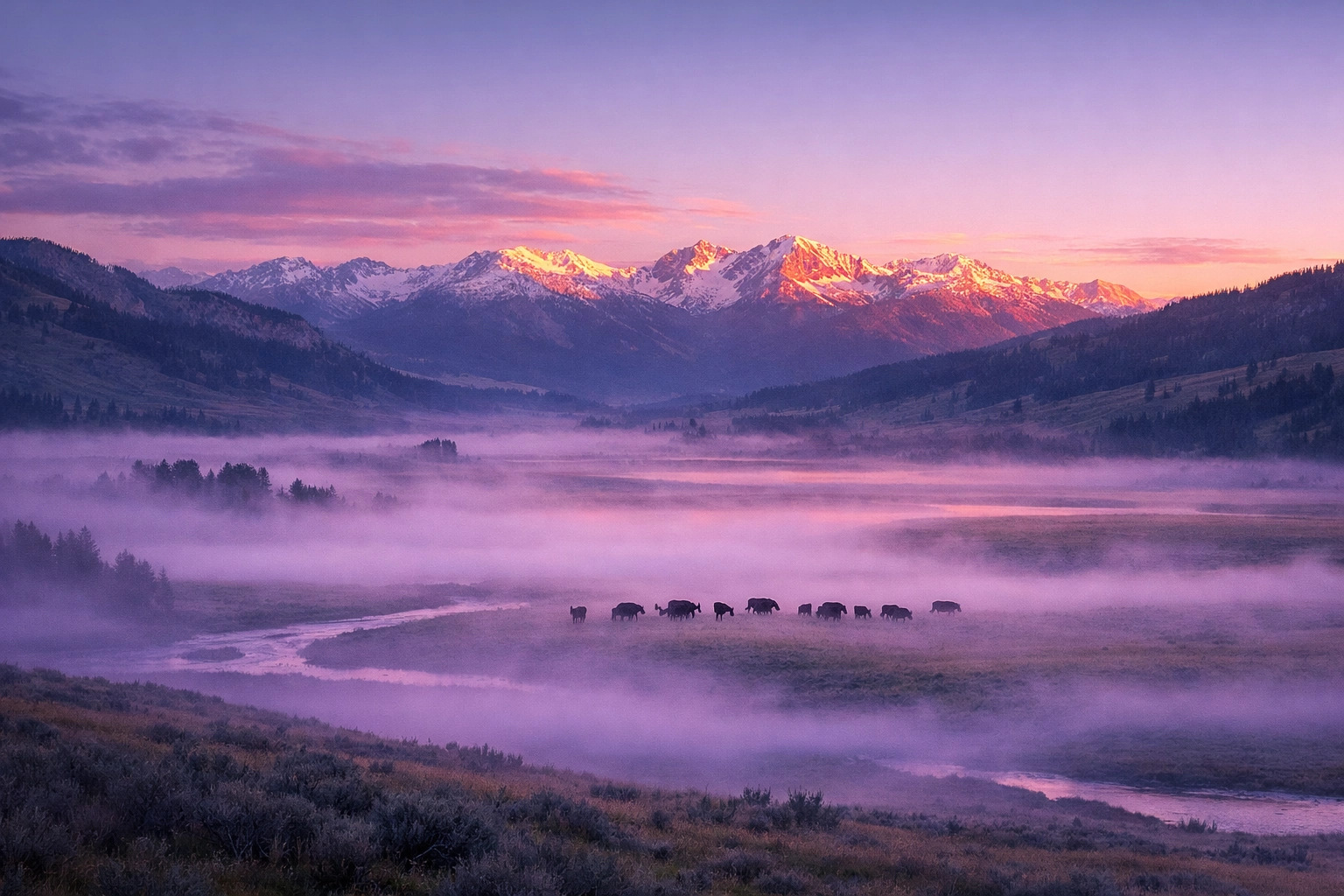
A Sturdy Tripod or Monopod: For wildlife photography, especially in the Lamar Valley, stability is key for clear shots at a distance.
Reference Guides: Encourage students to carry small field guides for birds, wildflowers, and geology to label their photos and sketches accurately.
Pro-tip: Always remind students that selfie-sticks are often prohibited near thermal features for safety reasons and to protect the delicate environment.
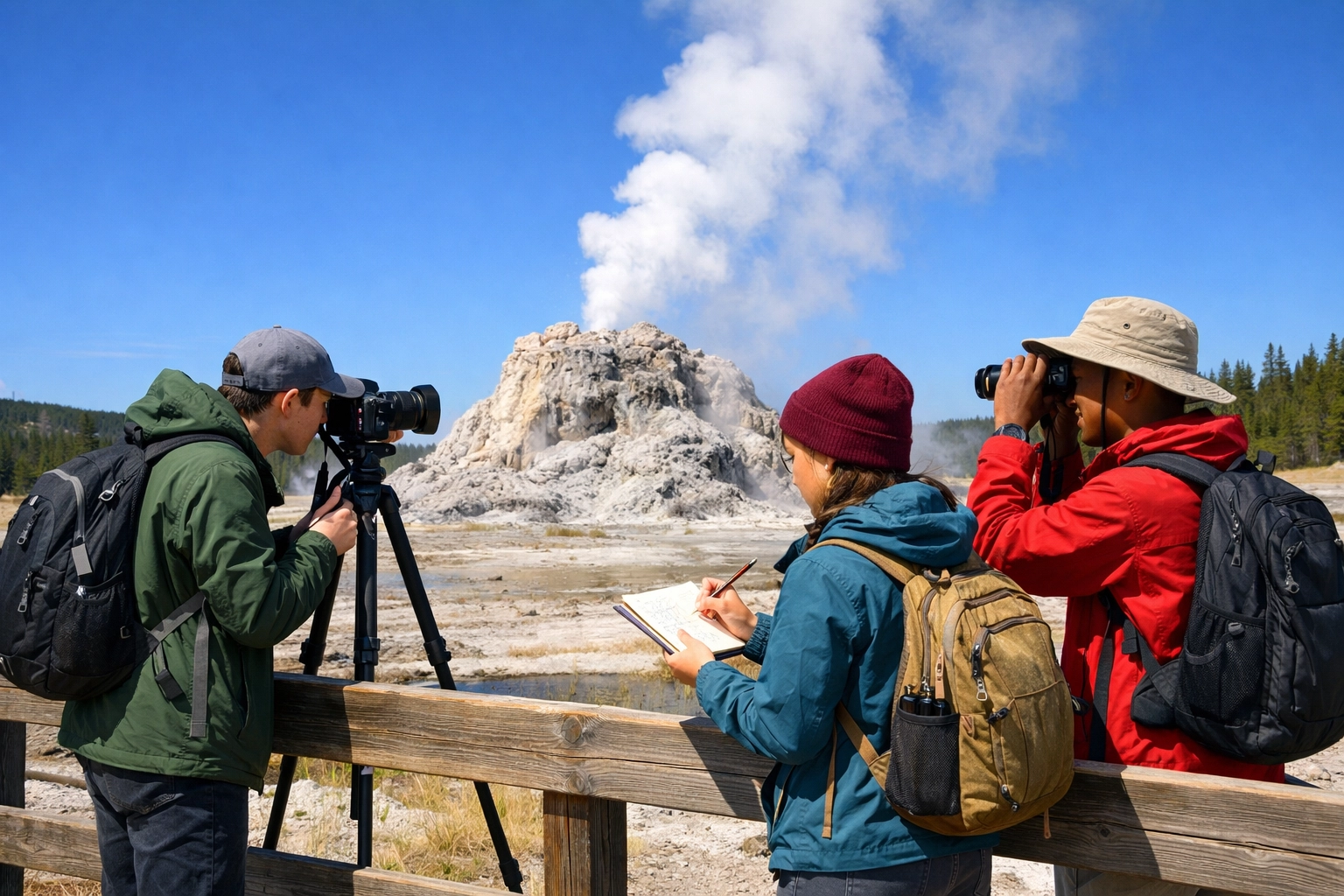
Q5: How can we ensure student safety while they are focused on capturing the "perfect shot"?
Ensuring the safety of students during an expedition is of paramount importance. When students are looking through a viewfinder, they often lose "situational awareness."
Maintain Distance: All students must adhere to the 100-yard rule for bears and wolves, and the 25-yard rule for all other wildlife, including bison and elk. No photograph is worth a dangerous encounter.
Stay on Boardwalks: In thermal areas, students must never leave the designated paths. The ground is often a thin crust over boiling water.
The "Buddy System": Assign every "photographer" a "spotter." The spotter’s job is to watch the student’s surroundings and ensure they do not trip or wander off-path while focused on their camera.
Establish Boundaries: Before allowing students to begin an art session, clearly mark the geographic boundaries of the "outdoor classroom."
Q6: How can teachers integrate these creative outputs into the curriculum after the trip?
The learning does not end when the students board the plane home. To maximize the impact of your Yellowstone Science Program for Schools, consider the following post-trip activities:
Digital Portfolios: Have students curate their best 10 photos and write a scientific caption for each, explaining the geological or biological process depicted.
Science Fair Presentation: Use student photography as the visual centerpiece for research projects on Yellowstone’s ecosystem.
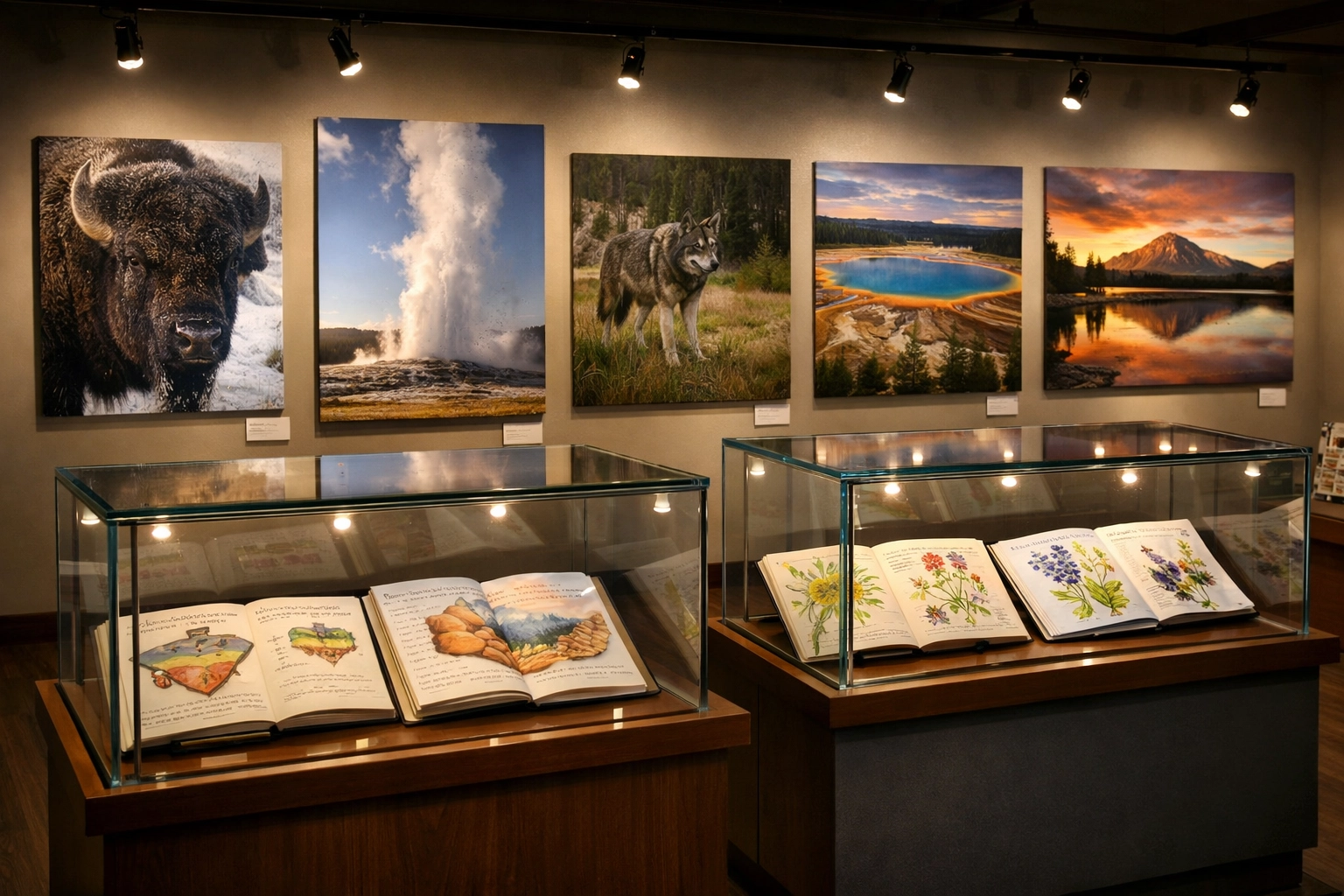
Community Art Gallery: Host an evening for parents and the community where student sketches and photos are displayed alongside scientific explanations of the park's features.
Comparative Analysis: If students take photos of the same geyser or spring that was photographed 50 years ago, they can write a paper on the environmental changes observed over time.
Integrating Service and Science
At Appleseed Expeditions, we believe that education is most impactful when it involves both the head and the heart. Many of our programs include a service component where students help with conservation efforts. Photographing these service moments provides students with a visual narrative of their contribution to the environment.
Whether you are focusing on Yellowstone birding or deep-diving into the volcanic history of the plateau, adding an artistic layer ensures that every student finds a way to connect with the landscape.
A Practical Checklist for Teachers
Before departing for your Yellowstone expedition, review this checklist to ensure your art and photography integration is seamless:
Review Park Regulations: Ensure all students understand the rules regarding photography, drones (which are strictly prohibited), and wildlife interaction.
Distribute "Photo Prompts": Give students a list of specific things to find and photograph (e.g., "a sign of glacial erratic," "a thermophile mat," "an example of mechanical weathering").
Prepare for Weather: Remind students that cameras and sketchbooks need protection from dust, heat, and moisture.
Plan for Battery Life: Yellowstone is remote. Ensure students have portable power banks or extra batteries, as cold weather can drain battery life quickly.
Emphasize Responsibility: Remind students that they are ambassadors for their school and for conservation. The "Leave No Trace" principle applies to art just as much as it does to hiking.
Conclusion: Reaffirming the Educational Mission
The ultimate goal of any Yellowstone geology trip for students is to inspire a lifelong passion for discovery and a deep respect for our natural resources. By integrating art and photography, we provide students with the language to express what they learn and the tools to document what they discover.
Preparing your students for this journey involves careful planning and a commitment to safety. By following these structured guidelines, you can ensure that your students return home not just with a camera full of pictures, but with a mind full of scientific knowledge and an appreciation for the beauty of the wild.
Experience the Wonders of Yellowstone Firsthand Are you ready to take your students on an unforgettable journey through the heart of the American West? Appleseed Expeditions specializes in creating custom-tailored Yellowstone Science Programs for Schools that combine rigorous academic standards with hands-on field experience. From geology and biology to art and service, we handle the logistics so you can focus on the learning. Visit our About Page to learn more about our mission and how we can help you plan your next educational adventure.
Comments