


Q&A: Physical Logistics for a Yellowstone Student Expedition
- Caleb Mullenix
- 3 hours ago
- 5 min read

Ensuring the safety and physical preparedness of students during a wilderness-based educational program is of paramount importance. A trip to Yellowstone National Park is not a standard sightseeing tour; it is a rigorous field study that requires careful planning and a clear understanding of the environmental demands. When participating in a Yellowstone Science Program for Schools, students transition from the classroom to a dynamic outdoor laboratory where the logistics of daily life: what they wear, how they move, and what they carry: directly impact their learning outcomes.
The following guide and Q&A session are designed to provide educators, parents, and students with a structured, step-by-step approach to the physical logistics of a Yellowstone expedition. By prioritizing preparation and vigilance, we ensure that the focus remains on the incredible earth science and ecology of the region.
Understanding the Yellowstone Environment
Yellowstone is a high-altitude plateau, with most of the park sitting between 7,000 and 8,000 feet above sea level. This elevation introduces specific physical challenges, including thinner air, lower oxygen levels, and intense UV radiation. Furthermore, the terrain is characterized by thermal basins, dense forests, and steep mountain trails.
For those participating in Yellowstone geology trips for students, the physical demands involve traversing uneven volcanic terrain and hiking to remote geothermal features. Establishing a baseline of physical fitness and understanding the gear requirements is the first step in a successful expedition.
1. Physical Preparation and Conditioning
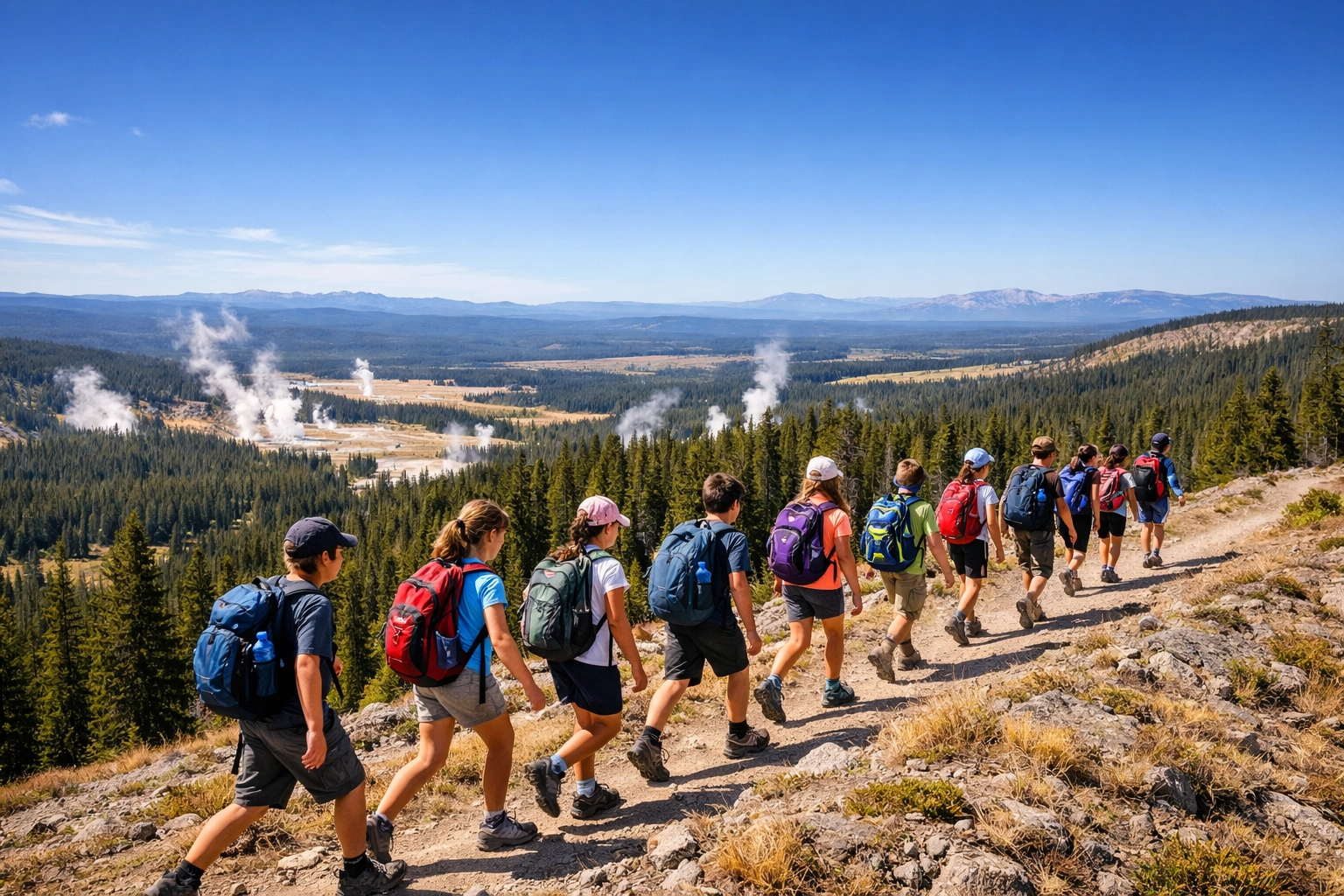
Begin by advising students to increase their physical activity levels at least four to six weeks prior to departure. A Yellowstone expedition is physically taxing, often involving several miles of hiking each day while carrying a daypack.
Implement a Walking Regimen: Encourage students to walk or hike in the footwear they plan to wear on the trip to prevent blisters.
Stair Climbing: This mimics the elevation changes found on many park trails.
Core Strength: Carrying a pack requires stability. Simple exercises like planks can help students prepare for the weight of their gear.
2. Essential Gear and Layering Systems
The weather in Yellowstone is notoriously unpredictable. Temperatures can drop below freezing at night, even in the middle of summer, and sudden thunderstorms are common. A structured layering system is the only way to maintain thermal regulation.
Base Layer: Moisture-wicking synthetic or wool fabrics. Avoid cotton at all costs, as it retains moisture and can lead to hypothermia.
Mid-Layer: An insulating fleece or "puffy" jacket to trap body heat.
Outer Layer: A high-quality, waterproof, and windproof rain shell.
Footwear: Sturdy, broken-in hiking boots with ankle support are mandatory.
Socks: Wool-blend socks help with moisture management and cushioning.
Logistics Q&A: What to Expect on the Ground
To help clarify the specific logistics of our programs, we have compiled the most frequently asked questions regarding the physical aspects of the trip.
What does a typical day look like physically?
A typical day begins early, often at sunrise, to maximize wildlife viewing opportunities. Students will spend the majority of their time outdoors. Logistics involve traveling via van to various field sites, followed by hikes ranging from two to six miles. The pace is educational, meaning we stop frequently to discuss geological formations or ecological observations, but students should be prepared to be on their feet for six to eight hours a day.
How do we handle altitude and hydration?
Altitude sickness is a significant risk. The most effective way to mitigate this is through proactive hydration.
The Rule of Two: Every student must carry at least two liters of water at all times.
Electrolytes: We recommend bringing electrolyte tabs to add to water bottles to maintain salt balance.
Monitoring: Chaperones and instructors will monitor students for signs of altitude sickness, such as headaches, nausea, or extreme fatigue. If symptoms persist, the protocol is to rest and, if necessary, move to a lower elevation.
What are the lodging and facility logistics?
Depending on the specific program, students may stay in various types of accommodations. Some programs utilize the Lamar Buffalo Ranch or the Youth Conservation Corps facility. These locations are designed for educational groups and offer bunk-style housing.
Sanitation: Facilities are clean but basic. Students should be prepared for shared bathrooms and communal living.
Power: Charging stations are often limited. Students should be encouraged to bring portable power banks for their cameras or essential devices, though we emphasize "unplugging" to focus on the science.
How is safety managed in the field?
Safety is our core value. Every instructor carries a first-aid kit and emergency communication devices, such as satellite messengers, especially when moving into areas with no cellular service.
Wildlife Distance: We strictly enforce the 100-yard rule for bears and wolves and the 25-yard rule for all other wildlife, including bison and elk.
Bear Spray: Lead instructors carry bear spray and are trained in its deployment. Students are taught how to behave in "bear country" through rigorous safety briefings.
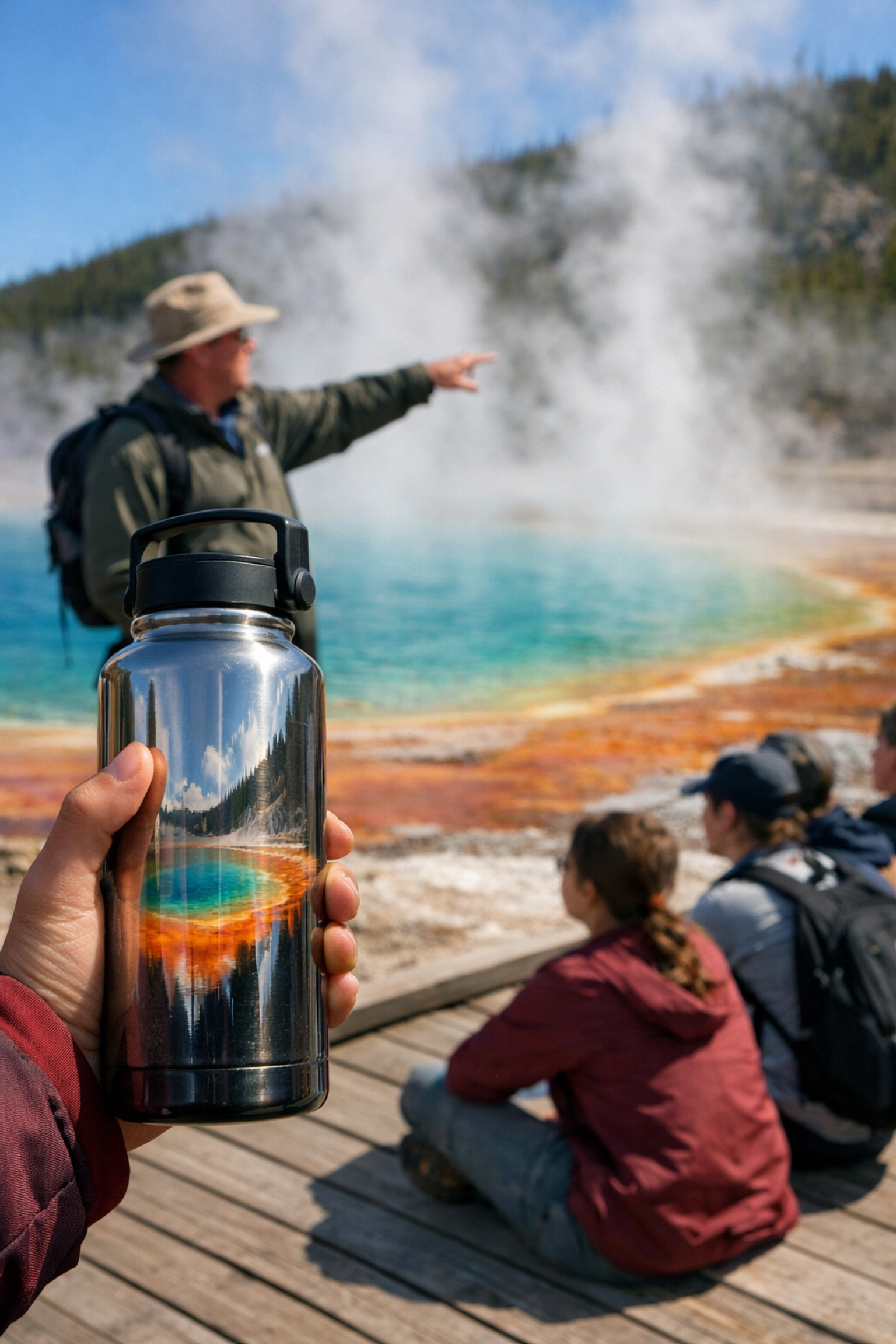
Stay on Boardwalks: In thermal areas, staying on marked boardwalks is a non-negotiable safety rule to prevent life-threatening burns from boiling geothermal water and fragile crusts.
What should be in a student’s daypack?
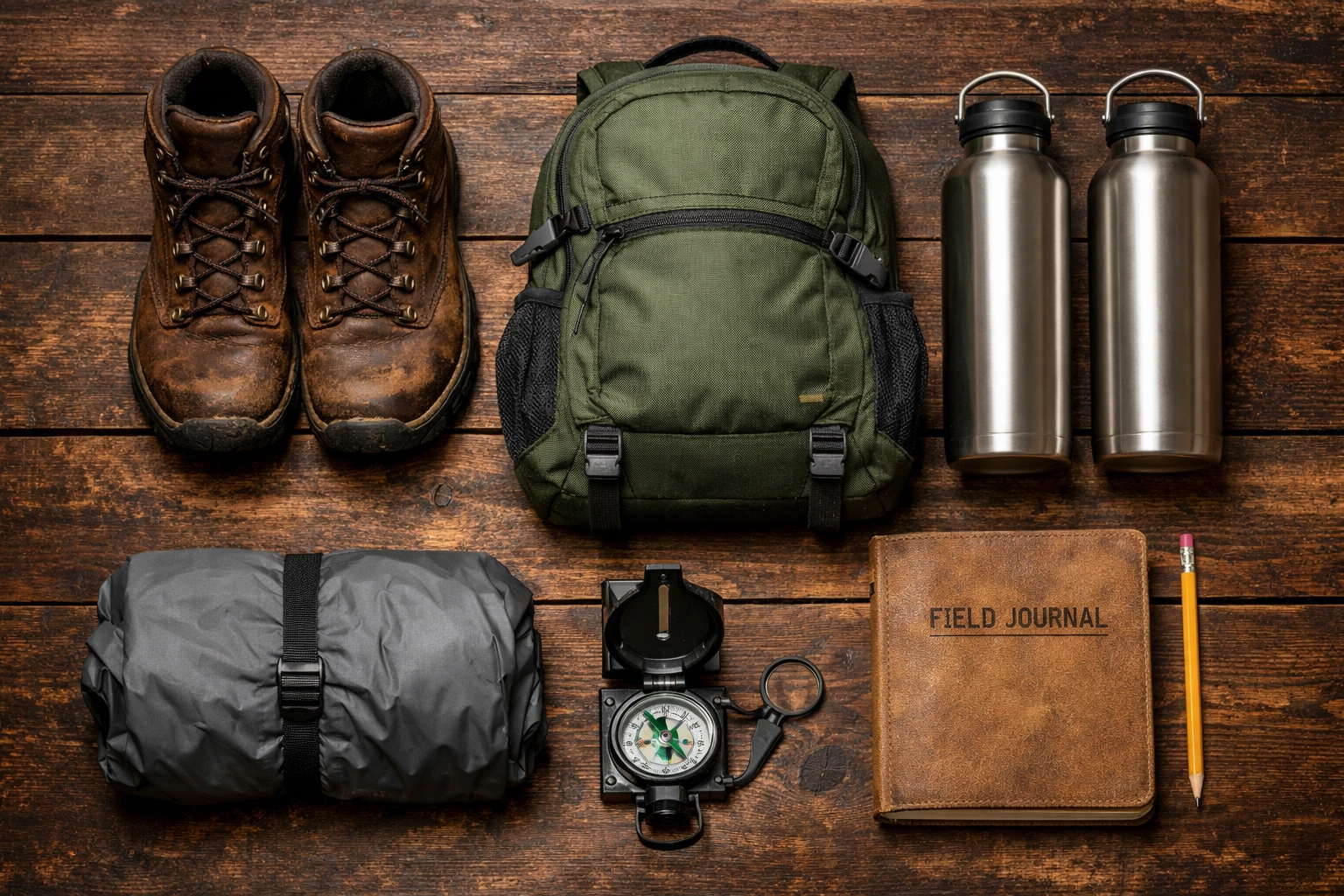
The daypack is a student's mobile survival kit. Ensure that it fits well and has a waist strap to distribute weight.
Water: 2 liters minimum.
Rain Gear: Always packed, regardless of the morning forecast.
Sun Protection: Sunscreen, lip balm with SPF, and a wide-brimmed hat.
Field Journal: For taking notes during Yellowstone geology trips for students.
Extra Layers: A fleece or light jacket.
Personal First Aid: Small items like Band-Aids or personal medications.
Detailed Packing Checklist for Educators
Share this detailed list with parents and students to ensure no critical items are missed.
Strategic Importance of the Yellowstone Science Program for Schools
Participating in a Yellowstone Science Program for Schools provides a unique opportunity for students to engage with environmental science in a real-world context. By managing the physical logistics effectively, we create a safe environment where students can focus on:
Geothermal Dynamics: Understanding how heat from the Earth's mantle creates the geysers and hot springs of the Yellowstone Caldera.
Wildlife Biology: Observing the complex interactions between apex predators like wolves and their prey.
Conservation Management: Learning how the National Park Service balances visitor access with ecosystem preservation.
The success of these academic goals is built on the foundation of physical preparation. A student who is cold, wet, or dehydrated cannot effectively study the mineral composition of a travertine terrace.
Experience Yellowstone with Appleseed Expeditions
At Appleseed Expeditions, we specialize in bridging the gap between classroom theory and field-based reality. Our Yellowstone Science Program for Schools is meticulously designed to handle all logistics, from transportation and lodging to expert-led scientific instruction. We emphasize safety and preparation, ensuring that every student and educator can immerse themselves in the wonders of the park without the stress of logistical uncertainty.
Whether your students are interested in a Yellowstone Birding Expedition or a deep dive into the park’s volcanic history, we provide the framework for a life-changing experience. Our instructors are experts in the field, trained to manage groups in wild environments while delivering a high-caliber educational curriculum.
Final Reaffirmation of Objectives
Preparing your students for a Yellowstone expedition involves careful planning and a commitment to detail. By following these logistical guidelines: emphasizing hydration, proper layering, and physical conditioning: you ensure the safety and enrichment of every participant.
Our goal is to foster a deep respect for the natural world while providing a rigorous academic experience. With the right preparation, the physical challenges of Yellowstone become the catalyst for personal growth and scientific discovery.
For more information on our various programs, including our Grand Canyon or Iceland School Tours, visit our About Us page to learn more about our mission and our commitment to educational excellence. Stay vigilant, stay prepared, and get ready for an unforgettable journey into the heart of the American West.
Comments