


How to Choose the Best Marine Science Trip for Middle School Students (Florida Keys vs Other Destinations Compared)

Selecting the optimal marine science expedition for your middle school students requires careful evaluation of curriculum alignment, learning opportunities, safety considerations, and budget constraints. The decision you make will directly impact your students' scientific understanding, conservation awareness, and long-term interest in marine biology careers.
Begin by establishing your primary educational objectives. Determine whether your curriculum emphasizes hands-on laboratory experiences, field research participation, or observational studies. Assess your students' swimming abilities and comfort levels with water-based activities, as these factors will significantly influence destination suitability.
Florida Keys: The Premier Marine Science Destination
Unparalleled Ecosystem Diversity
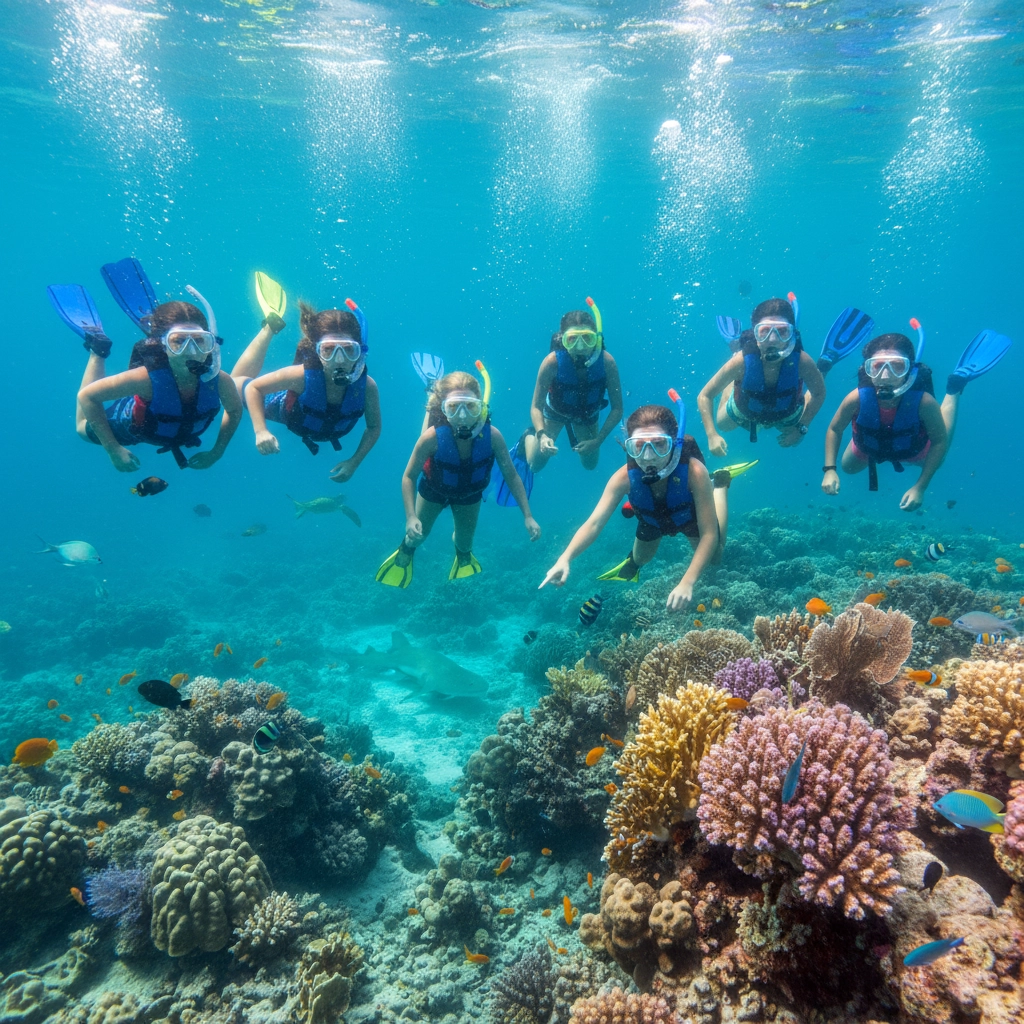
The Florida Keys provides access to the world's third-largest barrier coral reef system, encompassing three distinct marine ecosystems within a single location: coral reefs, seagrass beds, and mangrove forests. This ecosystem diversity enables comprehensive study of marine habitat connectivity and species migration patterns that cannot be replicated in classroom settings.
Ensure your students understand the significance of this biodiversity before departure. The Keys ecosystem supports over 6,000 marine species, providing unmatched opportunities for species identification, behavioral observation, and ecological relationship studies.
World-Class Educational Infrastructure
Research the established marine science organizations operating throughout the Keys. Mote Marine Laboratory, Pigeon Key Marine Science Center, MarineLab, and Dolphins Plus offer customized programs specifically designed for middle school curricula. These facilities maintain dedicated education staff with advanced degrees in marine science and extensive experience working with adolescent learners.
Prioritize programs that incorporate authentic scientific research rather than passive observation experiences. Effective programs engage students in:
Snorkeling expeditions to observe living coral ecosystems
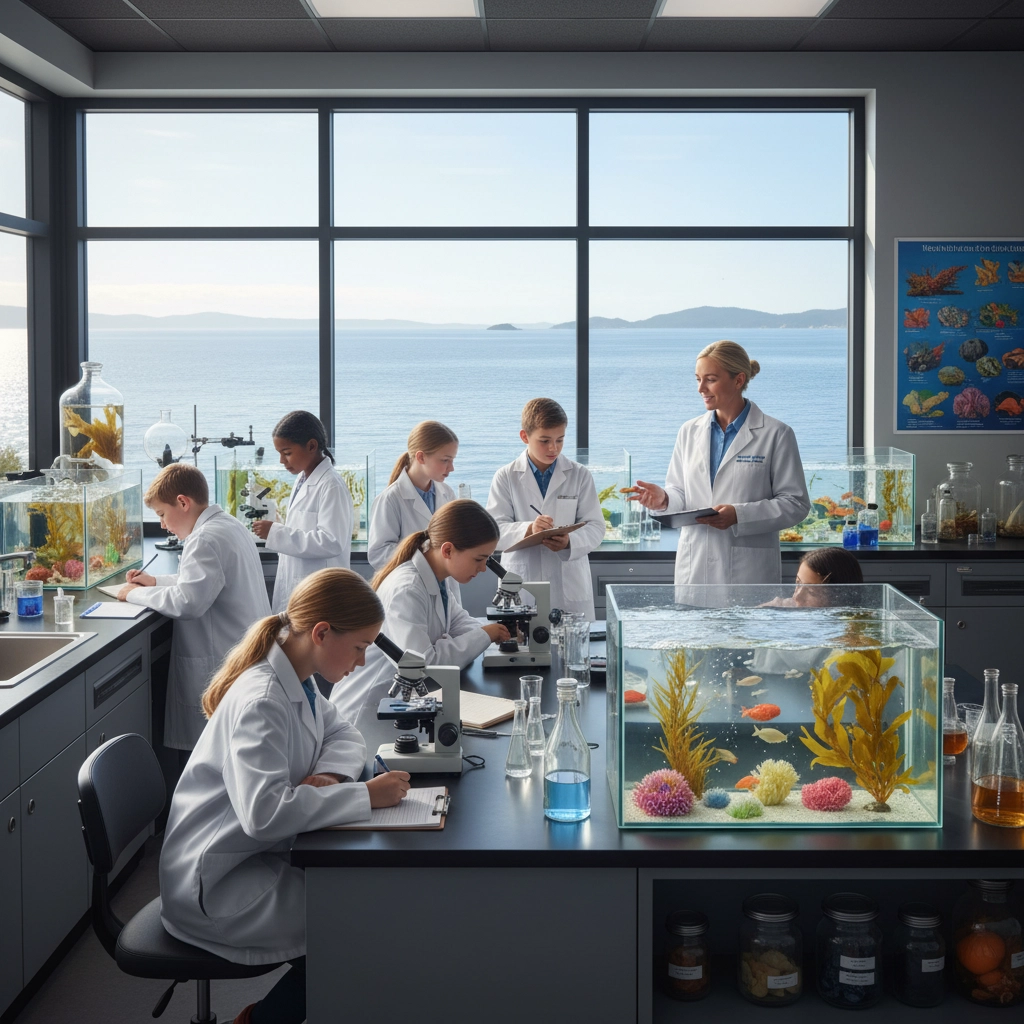
Hands-on laboratory analysis of marine organisms and water samples
Kayaking through mangrove forests to study nursery habitat functions
Sea turtle rehabilitation program participation
Direct involvement in coral restoration projects
Water quality monitoring and data collection
Practical Advantages for Educators
Plan your expedition knowing that the Florida Keys offers year-round programming availability, accommodating flexible scheduling unlike seasonal destinations. Day trip options range from $40-125 per student, while comprehensive multi-day experiences begin at $540 per person with complimentary teacher accommodations.
Consider facilities like Pigeon Key that host one student group at a time, enabling individualized experiences tailored to your specific curriculum requirements. Small class sizes and personalized attention from marine science educators characterize most programs, ensuring meaningful learning experiences for every participant.
Safety and Logistical Considerations
Assess your students' swimming abilities thoroughly before booking water-based activities. Reputable programs maintain strict 4:1 student-to-instructor ratios and require comprehensive safety briefings before all snorkeling activities. Transportation to remote island locations requires advance planning and coordination with experienced boat operators.
Ensure all participants understand and can demonstrate basic swimming competency. Establish clear behavioral expectations for water activities and review emergency procedures with both students and chaperones.
Alternative Marine Science Destinations
California Coast Marine Sanctuaries
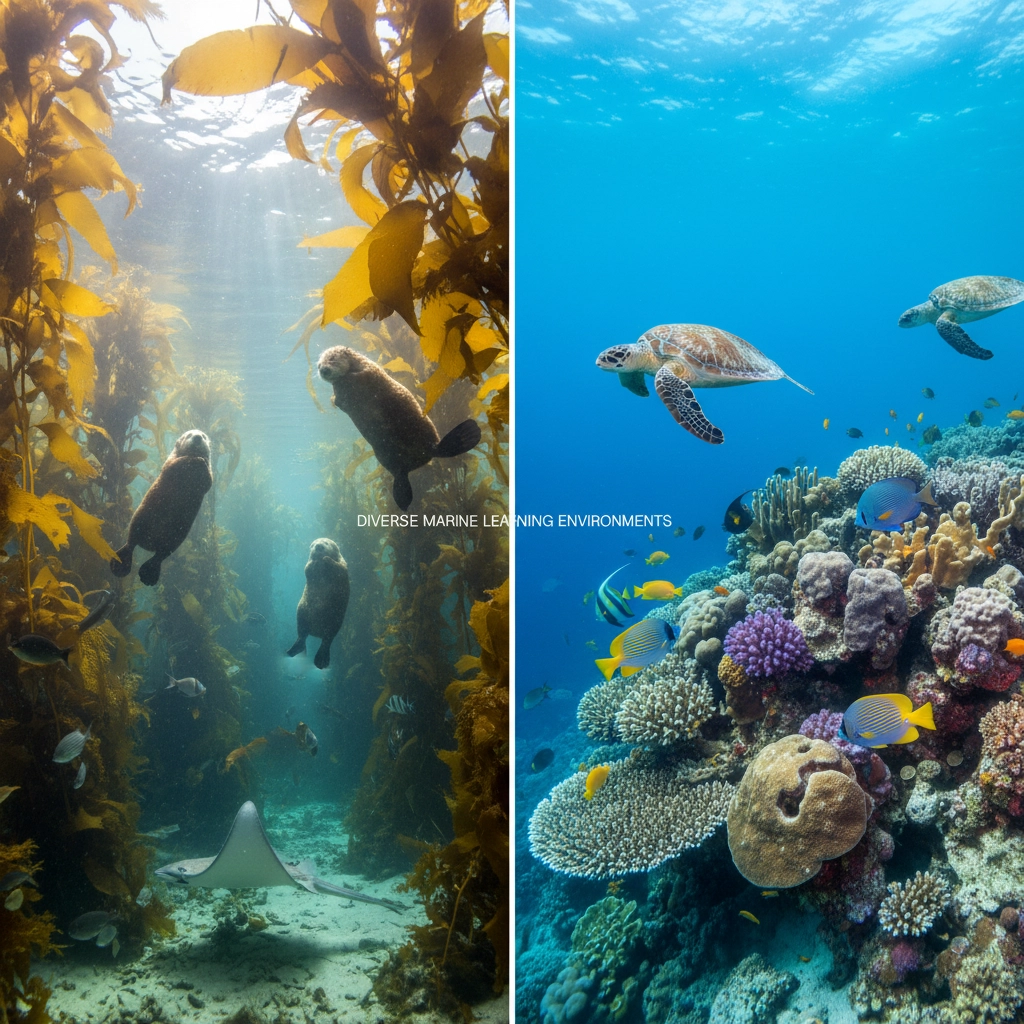
Explore programs along California's Monterey Bay and Channel Islands for students studying Pacific marine ecosystems. These destinations excel in whale watching opportunities, kelp forest exploration, and marine mammal research programs. Consider the seasonal nature of many activities and increased travel costs for schools outside the western United States.
Pacific Northwest Marine Programs
Research opportunities in Washington State's Puget Sound region for students studying temperate marine ecosystems. Programs emphasize salmon lifecycle studies, orca whale research, and marine conservation efforts. Prepare for cooler water temperatures and seasonal weather limitations that may restrict outdoor activities.
Gulf Coast Alternatives
Investigate programs along Texas and Louisiana coastlines for students studying marsh ecology and marine restoration efforts. These destinations provide excellent opportunities for studying human impacts on marine environments and restoration science principles. Consider hurricane season timing when scheduling expeditions.
Comprehensive Destination Comparison
Factor | Florida Keys | California Coast | Pacific Northwest | Gulf Coast |
Ecosystem Focus | Coral reefs, tropical marine | Kelp forests, marine mammals | Temperate waters, salmon | Marsh ecology, restoration |
Year-Round Availability | Yes | Limited seasonal | Limited seasonal | Hurricane season concerns |
Swimming Requirements | Moderate to high | Moderate | Low to moderate | Low to moderate |
Cost Range | $40-540+ | $60-700+ | $50-600+ | $35-450+ |
Travel Distance | Favorable for Eastern US | Favorable for Western US | Favorable for Western US | Favorable for Southern US |
Hands-On Research | Extensive | Moderate | Moderate | Extensive |
Curriculum Alignment | Marine biology, conservation | Marine mammals, ecology | Ecosystem dynamics | Environmental restoration |
Selecting the Optimal Destination
Choose Florida Keys When:
Your curriculum emphasizes marine biology, environmental science, or conservation biology. Select this destination if you require students to develop laboratory analysis skills, perform hands-on data collection, and participate in meaningful conservation action. The year-round accessibility accommodates budget constraints through flexible day-trip options while multi-day programs offer immersive experiences.
Prioritize the Keys for schools seeking authentic scientific research participation and direct observation of living coral ecosystems. This destination suits curricula requiring understanding of biodiversity, species interactions, and conservation challenges.
Choose Alternative Destinations When:
Your curriculum focuses on specific regional marine ecosystems or when geographic proximity significantly reduces travel costs. Select Pacific Northwest destinations for salmon lifecycle studies or California programs for marine mammal research emphasis.
Consider Gulf Coast programs when studying human environmental impact and restoration science takes priority over coral reef ecology.
Essential Pre-Trip Planning Steps
Curriculum Integration
Begin preparation three months before departure by integrating marine science concepts into regular classroom instruction. Introduce species identification, ecosystem relationships, and conservation principles through preliminary lessons. Provide students with field guides and identification materials for advance study.
Create specific learning objectives aligned with Next Generation Science Standards. Establish assessment criteria for measuring student learning outcomes during and after the expedition.
Student Preparation Requirements
Assess individual swimming abilities through formal evaluation or certified instructor verification. Require completion of basic marine safety awareness training covering topics such as marine animal interactions, sun protection, and emergency procedures.
Distribute detailed packing lists emphasizing appropriate clothing, personal safety equipment, and required documentation. Ensure students understand behavioral expectations for marine environment interactions and wildlife observation protocols.
Parent and Guardian Communication
Share comprehensive itineraries including detailed activity descriptions, safety protocols, and emergency contact procedures. Provide clear information about physical requirements, potential risks, and medical considerations for all planned activities.
Establish communication protocols for regular updates during the expedition. Distribute emergency contact information and detailed contingency plans for various scenarios including weather-related changes or medical emergencies.
Maximizing Educational Value
Documentation and Assessment
Require students to maintain detailed field journals documenting observations, measurements, and research findings. Implement structured reflection activities connecting field experiences to classroom learning objectives.
Plan post-expedition presentations where students share discoveries with peers, parents, and school community members. Create opportunities for students to communicate findings to local conservation organizations or community groups.
Long-Term Impact Strategies
Establish connections with local conservation organizations to provide ongoing engagement opportunities following the expedition. Encourage students to participate in citizen science projects related to marine conservation efforts.
Consider implementing school-based sustainability initiatives inspired by expedition learning experiences. Create mentorship opportunities connecting interested students with marine science professionals for continued learning.
Planning the optimal marine science expedition requires thorough evaluation of educational objectives, student capabilities, and logistical considerations. The Florida Keys provides unparalleled opportunities for authentic marine science research and conservation education, while alternative destinations may better serve specific curriculum focuses or geographic considerations.
Ensure your selection aligns with established learning objectives while providing safe, meaningful experiences that inspire lifelong interest in marine conservation. For schools seeking comprehensive science expedition planning assistance, Appleseed Expeditions specializes in creating customized educational travel experiences that maximize student learning while maintaining the highest safety standards.

Comments