


Learning Wildlife Ecology and Symbiotic Relationships in Costa Rica: Student Conservation at Ecocentro Danaus

Providing students with authentic, hands-on learning experiences in wildlife ecology and conservation is of paramount importance for developing the next generation of environmental stewards. Costa Rica's Ecocentro Danaus, located near La Fortuna in the shadow of the magnificent Arenal Volcano, offers an unparalleled opportunity for middle school and high school students to engage directly with biodiversity conservation while studying complex ecological relationships in one of the world's most biodiverse regions.
The Educational Foundation of Ecocentro Danaus
Ecocentro Danaus serves as both a private nature reserve and an active educational facility dedicated to sustainable tourism, environmental education, and species conservation. Spanning approximately three hectares of carefully restored secondary forest, this eco-center provides students with an immersive learning environment where theoretical ecological concepts transform into observable, measurable phenomena.
The facility's commitment to education travel experiences extends beyond passive observation. Students engage with Costa Rica's rich biodiversity through structured programs designed to connect them with nature while inspiring long-term environmental conservation efforts. Expert guides facilitate wildlife conservation student travel experiences that emphasize scientific observation, data collection, and hands-on conservation work.
Symbiotic Relationships: Living Classroom Opportunities
Understanding symbiotic relationships requires direct observation of species interactions in their natural habitat. Ecocentro Danaus provides multiple opportunities for students to witness and document these critical ecological connections.
Pollinator-Plant Relationships
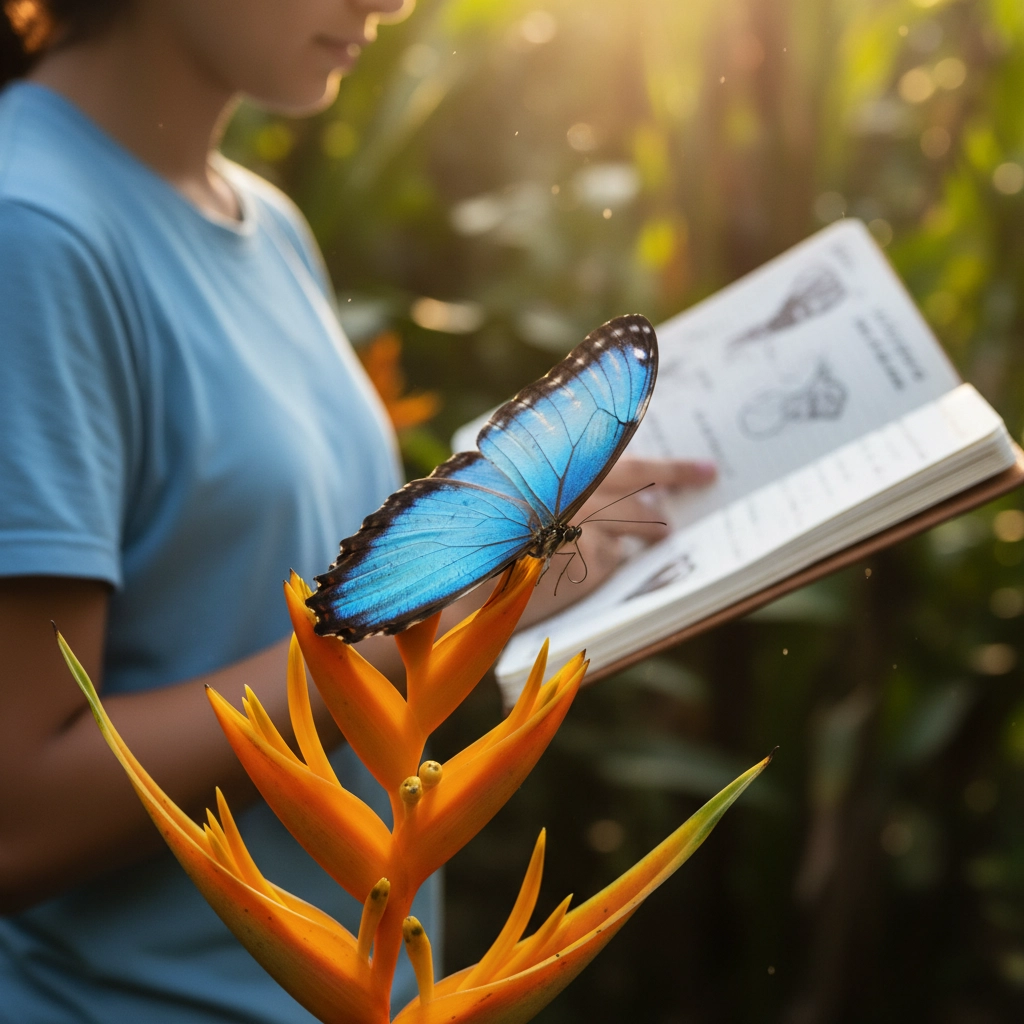
The center's meticulously maintained butterfly gardens house numerous species, including the iconic blue morpho butterfly, offering students direct access to observe pollination symbiosis. Educational signage along designated trails provides scientific context for different butterfly species, their complete lifecycle stages, and their essential role as pollinators within the broader ecosystem.
Encourage students to document butterfly-flower interactions through photography and field journals. Emphasize the importance of recording specific plant species visited, time spent at each flower, and observable pollinator behaviors. This systematic approach reinforces scientific methodology while illustrating the interdependence between flowering plants and their pollinators.
Seed Dispersal Networks
Students observe various bird species, from colorful toucans to the endangered Resplendent Quetzal, actively participating in seed dispersal throughout the forest canopy. Create structured observation sessions where students track fruit consumption, note dispersal distances, and identify germination sites for dispersed seeds.
Advise students to maintain detailed field notebooks documenting these mutualistic relationships. Record specific bird species, fruit types consumed, and estimated dispersal distances. This data collection reinforces the concept that healthy ecosystems depend on these interconnected relationships for forest regeneration and biodiversity maintenance.
Hands-On Conservation Projects
Direct participation in conservation science trips provides students with tangible ways to contribute to ecosystem restoration while developing practical environmental skills. Ecocentro Danaus offers multiple opportunities for meaningful conservation work that directly supports local wildlife populations.
Reforestation and Habitat Restoration
The center's history provides an excellent case study in ecosystem recovery. Twenty years ago, this area was cleared farmland. Through strategic reforestation efforts using native tree species and careful habitat management, the land has transformed into thriving secondary forest habitat.
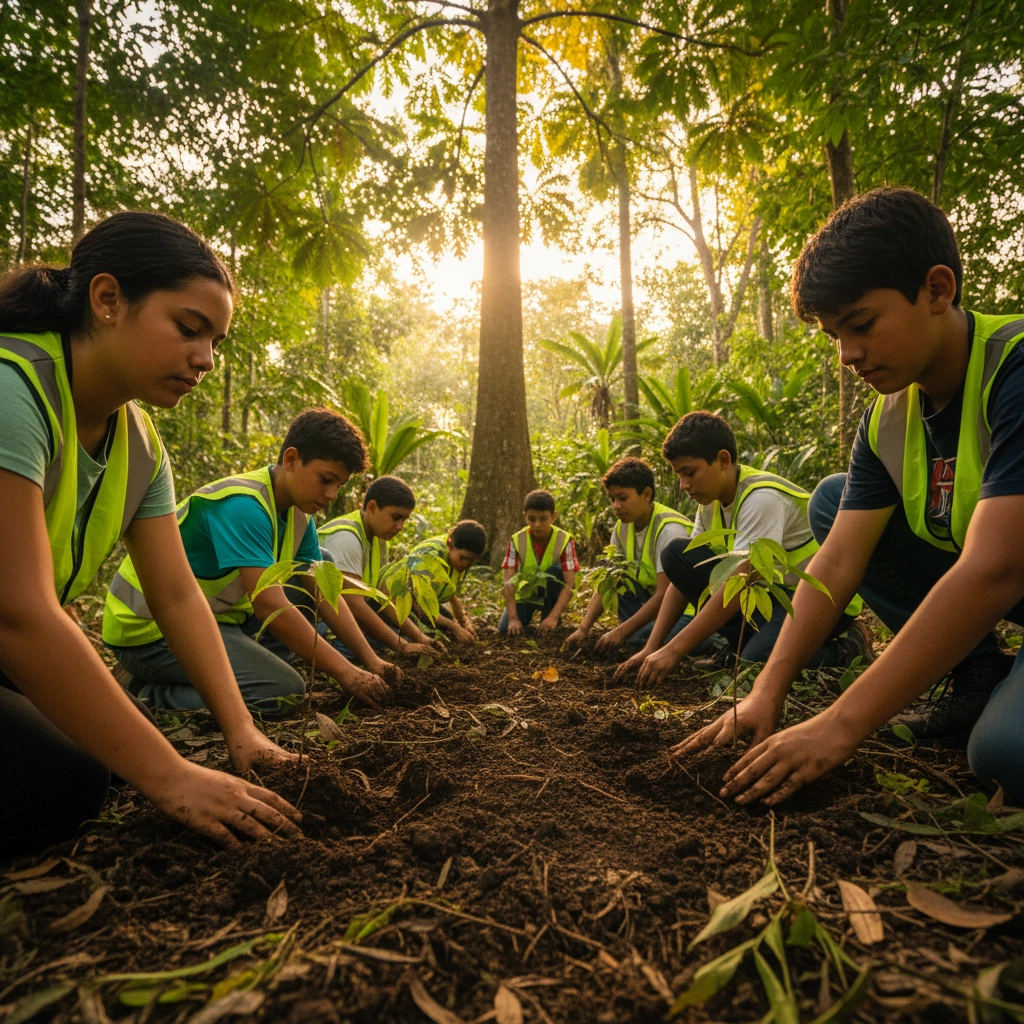
Students participate directly in ongoing tree planting initiatives, learning to identify native species appropriate for different microclimates within the reserve. Emphasize proper planting techniques, soil preparation, and long-term care requirements for newly planted saplings. Document planting locations using GPS coordinates to enable future monitoring of growth rates and survival statistics.
Wildlife Habitat Enhancement
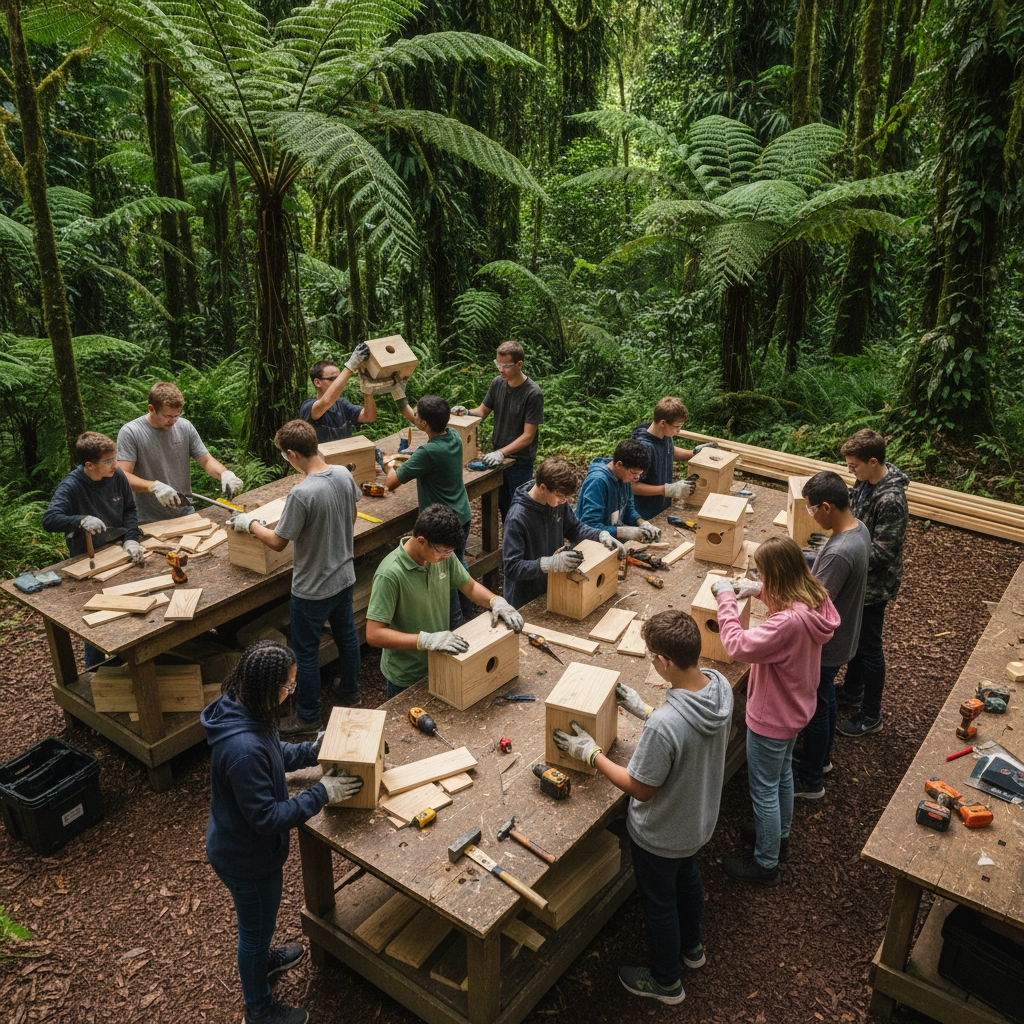
Engage students in constructing wildlife habitat features such as nesting boxes for local bird species, butterfly puddling stations, and pollinator gardens using indigenous plant species. These service learning trips provide hands-on experience while creating lasting benefits for resident wildlife populations.
Share detailed construction plans and maintenance schedules with student groups. Encourage students to research the specific habitat requirements of target species before beginning construction projects. This preparation ensures that habitat enhancement efforts align with evidence-based conservation practices.
Biodiversity Monitoring Programs
Implement systematic biodiversity monitoring protocols that enable students to contribute valuable scientific data while developing field research skills. Students learn proper techniques for bird counting, butterfly identification, and plant species documentation.
Establish standardized monitoring routes throughout the reserve where students conduct regular surveys. Record species observations, population estimates, and behavioral notes using standardized data collection sheets. Emphasize the importance of consistent methodology to ensure data reliability and scientific validity.
Educational Objectives and Learning Outcomes
Middle school field trips and high school conservation programs at Ecocentro Danaus address multiple educational standards while providing authentic learning experiences that extend far beyond traditional classroom instruction.
Scientific Methodology Development
Students develop essential scientific skills through structured observation protocols, hypothesis formation, and data analysis. Encourage systematic data collection using field journals, digital photography, and GPS mapping technology. Emphasize proper scientific notation and evidence-based conclusion drawing throughout all activities.
Environmental Stewardship Awareness
Direct participation in conservation work develops students' understanding of their role as environmental stewards. Discuss emergency procedures for wildlife encounters and proper protocols for minimizing human impact on sensitive ecosystems. Share detailed guidelines for respectful wildlife observation that prioritizes animal welfare while maximizing learning opportunities.
Cultural and Community Connections
Ecocentro Danaus works closely with local communities to promote environmental education and raise awareness about biodiversity preservation. Students gain valuable insights into community-based conservation approaches while learning about Costa Rican environmental policies and sustainable development practices.
Planning Successful Conservation Science Trips
Ensuring the success of hands-on learning trips requires careful preparation and attention to logistical details that maximize educational value while maintaining student safety and engagement.
Pre-Trip Preparation
Begin by researching Costa Rica's unique biodiversity and ecological characteristics. Create comprehensive student orientation materials covering local wildlife species, conservation challenges, and cultural expectations. Advise students to familiarize themselves with basic Spanish phrases for enhanced cultural interaction opportunities.
Discuss emergency procedures and establish clear communication protocols for all participants. Share detailed itineraries with students and parents, including specific conservation activities, educational objectives, and safety guidelines. Emphasize the importance of proper field equipment, including sturdy hiking boots, rain gear, and field notebooks for data collection.
Safety and Risk Management
Prioritize student safety through comprehensive risk assessment and emergency preparedness. Ensure that all participants understand proper procedures for wildlife encounters, including maintaining appropriate distances from animals and following guide instructions at all times. Implement buddy systems for all field activities and establish regular check-in procedures.
Advise students regarding appropriate clothing for tropical field conditions, including long pants for forest hikes, insect repellent application, and sun protection measures. Discuss hydration requirements and provide clear guidelines for food and water consumption during field activities.
Maximizing Educational Impact
Create structured reflection opportunities that help students process their conservation experiences and connect field observations to broader ecological concepts. Encourage students to maintain detailed field journals documenting daily activities, wildlife observations, and personal insights about conservation work.
Implement group discussion sessions that enable students to share observations and develop collaborative understanding of complex ecological relationships. Emphasize the importance of continued environmental engagement upon returning home, providing resources for local conservation opportunities and citizen science projects.
Assessment and Documentation
Develop comprehensive assessment strategies that evaluate student learning while documenting the educational impact of conservation science experiences. Create rubrics that assess scientific observation skills, conservation knowledge development, and environmental stewardship attitudes.
Encourage students to create detailed project portfolios including field journal entries, photographic documentation, and reflective essays about their conservation experiences. These portfolios serve as valuable assessment tools while providing lasting reminders of their meaningful contributions to wildlife conservation efforts.
Establishing partnerships with facilities like Ecocentro Danaus provides educators with exceptional opportunities to deliver transformative education travel experiences that combine rigorous scientific learning with meaningful conservation action. Through careful planning, comprehensive preparation, and commitment to safety and educational excellence, these programs develop environmentally conscious students equipped to address complex conservation challenges throughout their lives.

Comments