


Pacific Northwest Marine Science Expeditions Secrets Revealed: What Students Learn From Kayaking with Orcas

The Pacific Northwest offers one of the most extraordinary outdoor classrooms on Earth. For educators seeking to transform marine biology from textbook concepts into lived experience, kayaking expeditions in the San Juan Islands provide unparalleled opportunities for student engagement and scientific discovery. This guide reveals what makes these expeditions so impactful and how to maximize learning outcomes for your students.
Why the San Juan Islands Represent the Ultimate Marine Science Classroom
The San Juan Islands archipelago sits at the convergence of rich marine ecosystems, making it a premier destination for wildlife observation. Over 95% of orca sightings in Washington State occur within a small area forming the western edge of the San Juan Islands. This remarkable concentration of marine life transforms every kayaking excursion into a potential encounter with some of the ocean's most intelligent and charismatic creatures.
Educators should recognize that this location advantage is not merely about entertainment value. The high encounter rates maximize learning opportunities, allowing students to apply observation skills, practice scientific documentation, and witness ecological principles in action. When students paddle through these protected waters, they enter an environment where theoretical knowledge meets tangible reality.
Behavioral and Biological Learning Through Direct Observation
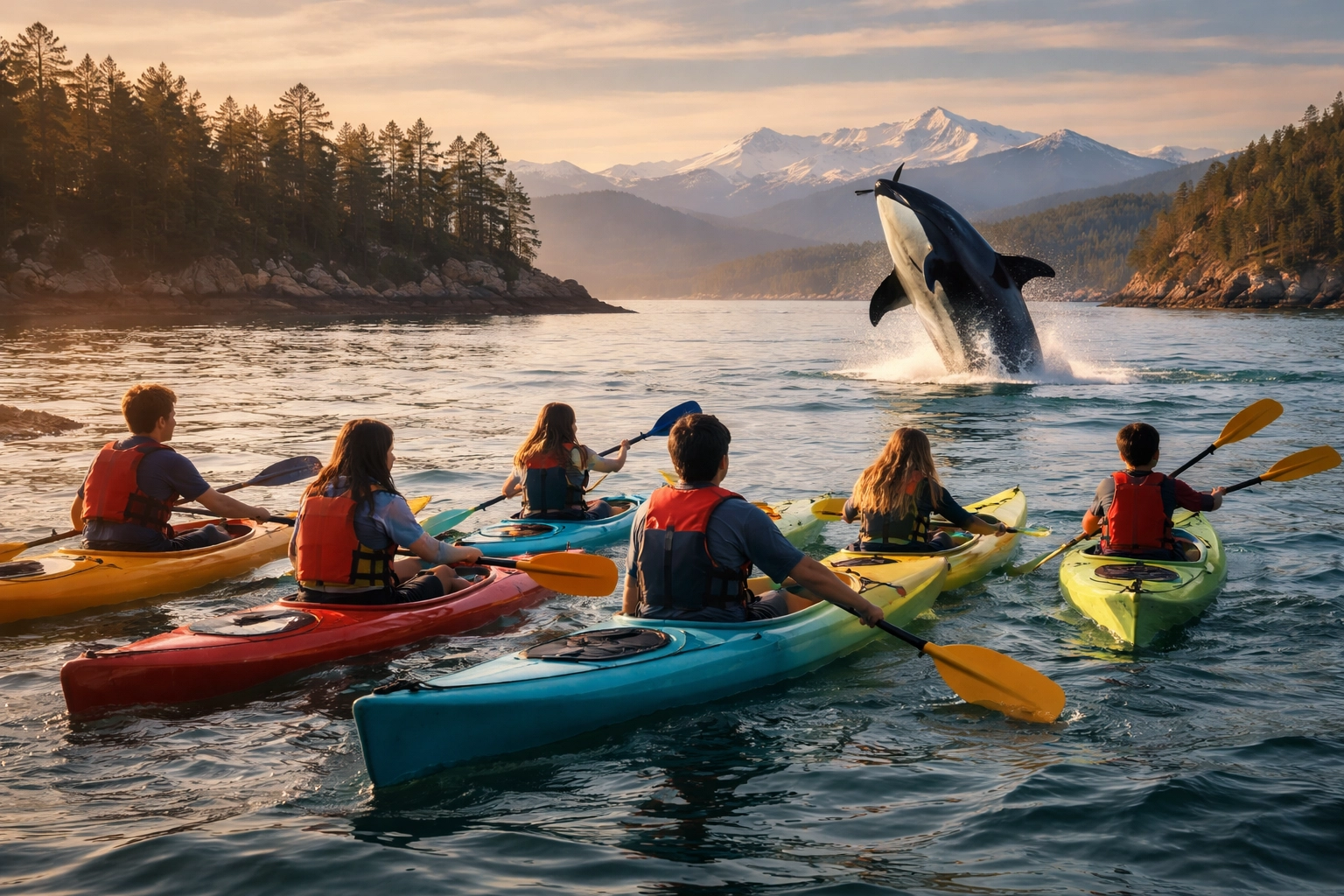
One of the most significant educational benefits of kayaking with orcas involves the opportunity for students to witness authentic animal behavior. From the water-level perspective of a kayak, students can observe and document:
Spy-hopping: When orcas rise vertically to scan their surroundings above the waterline
Breaching: Dramatic full-body leaps that demonstrate the power of these marine mammals
Lobtailing: Tail slapping behaviors used for communication and hunting
Hunting techniques: Coordinated group strategies that reveal intelligence and cooperation
Resting patterns: Synchronized swimming behaviors during sleep cycles
These observations provide students with direct evidence of orca intelligence and adaptability. The sensory experience extends beyond visual learning: students hear orca breathing sounds and, with underwater listening equipment, can experience the complex vocalizations these animals use for communication.
Encourage students to maintain detailed field journals during expeditions. Documenting observations in real-time develops critical scientific skills while creating lasting records of their experiences. Instruct students to note time, weather conditions, animal behaviors, and their own hypotheses about what they observe.
Understanding Orca Social Structure and Family Dynamics
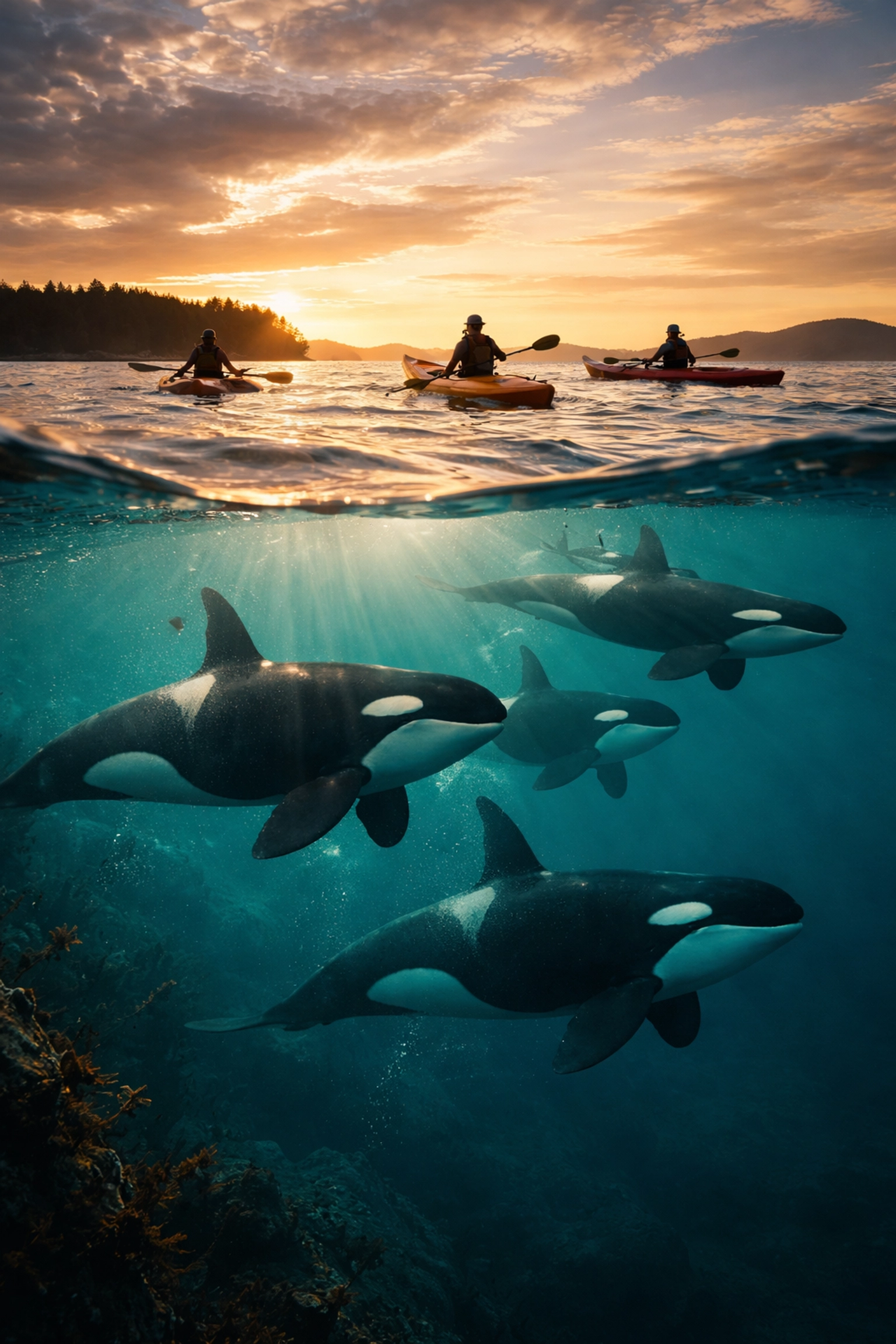
Marine science expeditions reveal the sophisticated social organization of orca communities. Students learn that these animals live in family-based groups of three to 25 or more individuals, with adults weighing 5-9 tons and measuring 25-30 feet in length. However, the most profound lessons involve orca family dynamics.
Orca pods include closely-related mothers alongside their sisters, daughters, cousins, and children. Students discover the concepts of matriarchs and matrilines: family groups defined by maternal descent that can persist for generations. In the northern resident orca community alone, there are currently 34 matrilines totaling over 200 members.
This social structure provides excellent opportunities for cross-curricular learning. Biology students examine genetic relationships and inherited behaviors. Social science students can compare orca family structures to human social organizations. Psychology students explore concepts of social learning and cultural transmission among non-human species.
Prepare students before the expedition by introducing these concepts in the classroom. Create comparison charts between orca social structures and other marine mammals. This preparation ensures students arrive ready to observe with informed eyes and ask meaningful questions.
Conservation Education: Understanding Threats and Taking Action
Responsible marine science education must address conservation challenges. Students learn that northern resident orcas are listed as "threatened" while southern resident orcas carry the more severe designation of "endangered." Understanding these classifications helps students grasp the urgency of marine conservation efforts.
Expedition guides typically include environmental scientists who provide education about:
Population pressures: Declining salmon populations that threaten orca food sources
Pollution impacts: How toxins accumulate in marine food chains
Vessel traffic: The effects of boat noise on orca communication and hunting
Climate change: Shifting ocean conditions affecting entire ecosystems
Conservation initiatives: Current efforts to protect and restore orca populations
Emphasize to students that learning about these challenges comes with responsibility. Discuss how they can become advocates for marine protection in their own communities. Encourage students to identify specific actions they can take following the expedition, from reducing plastic use to supporting marine conservation organizations.
Immersive Cultural Experiences with Coast Salish Traditions
Pacific Northwest expeditions offer more than marine science education. The region's Indigenous peoples, including the Coast Salish nations, maintain deep cultural connections to orcas and the marine environment. Incorporating Native American cultural experiences enriches the educational journey and provides essential context for understanding human relationships with the natural world.
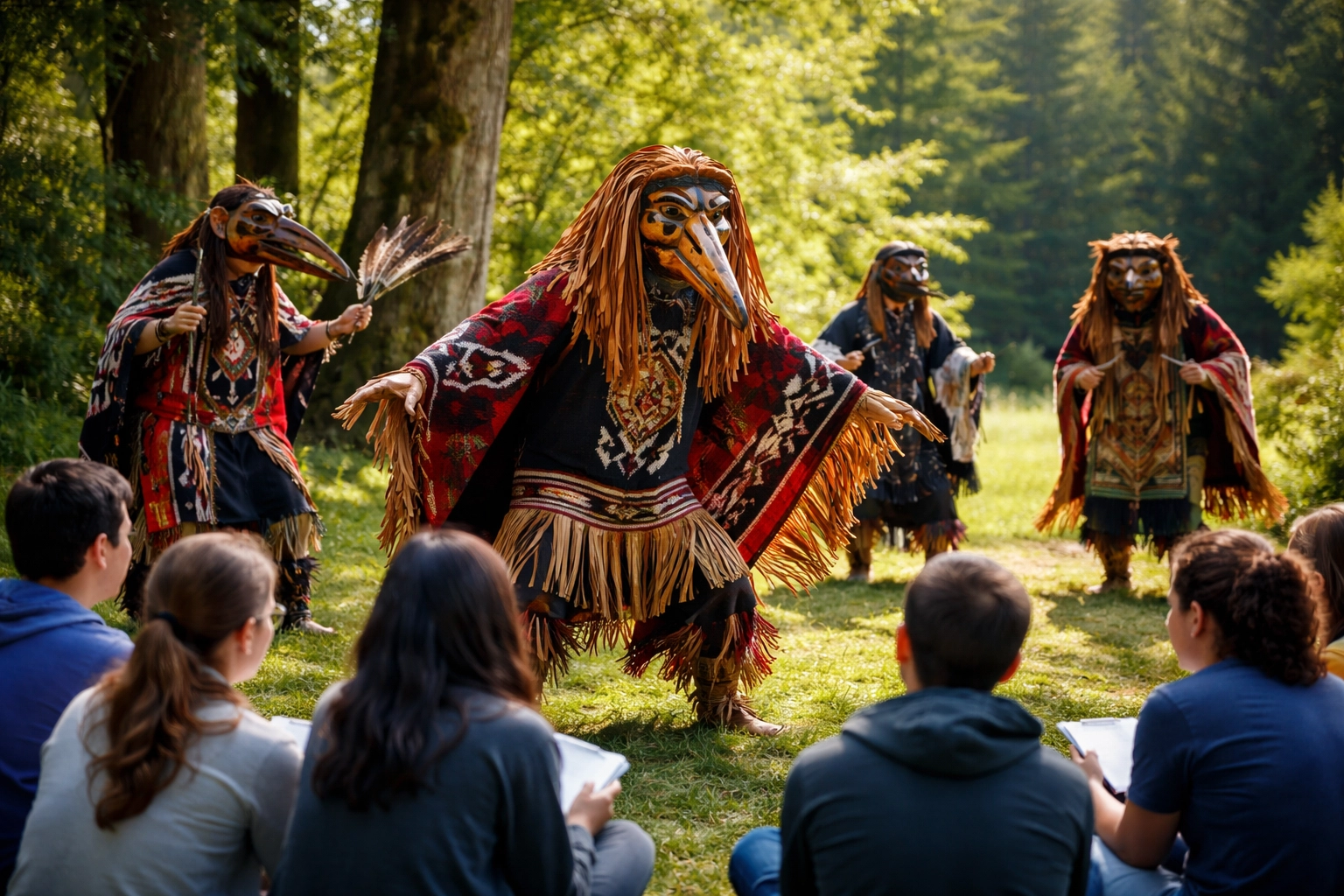
Students participating in these expeditions have opportunities to witness traditional dances and learn about the spiritual significance of orcas in Coast Salish culture. These ceremonies demonstrate how Indigenous communities have lived in relationship with marine ecosystems for thousands of years.
Prepare students to approach these cultural experiences with respect and openness. Discuss appropriate behavior and the importance of listening and learning rather than merely observing. Emphasize that Indigenous knowledge systems offer valuable perspectives on environmental stewardship that complement Western scientific approaches.
Cultural programming may include:
Traditional dance performances explaining the relationship between people and orcas
Storytelling sessions sharing Indigenous ecological knowledge
Art demonstrations featuring traditional Coast Salish designs
Discussions of contemporary Indigenous perspectives on marine conservation
Practical Preparation for Educators
Ensuring the safety and educational value of kayaking expeditions requires thorough preparation. Begin by assessing student swimming abilities and comfort levels with water activities. Communicate clearly with parents about physical requirements and safety protocols.
Before the Expedition:
Conduct classroom sessions introducing orca biology and behavior
Review kayaking safety procedures and practice basic paddle strokes if possible
Discuss appropriate behavior around wildlife, emphasizing the importance of maintaining safe distances
Prepare observation journals and data collection sheets
Brief students on cultural protocols for Indigenous programming
During the Expedition:
Ensure all students wear properly fitted personal flotation devices at all times
Establish clear communication signals between kayaks
Designate experienced paddlers to assist less confident students
Maintain group cohesion and follow guide instructions precisely
Monitor weather conditions and be prepared for schedule adjustments
Safety Considerations:
The Pacific Northwest's marine environment demands respect. Water temperatures remain cold year-round, making proper gear essential. Ensure students dress in layers and bring waterproof clothing. Discuss hypothermia prevention and recognition. Verify that expedition operators carry appropriate safety equipment and maintain emergency communication capabilities.
Maximizing Learning Outcomes
The educational impact of marine science expeditions extends far beyond the days spent on the water. Create assignments that help students process and share their experiences:
Scientific reports analyzing observed orca behaviors
Presentations comparing expedition observations to published research
Reflective essays exploring the intersection of science and Indigenous knowledge
Conservation action plans students can implement in their communities
Multimedia projects documenting the expedition for future students
These follow-up activities reinforce learning while developing communication skills and encouraging continued engagement with marine conservation.
Experience the Pacific Northwest with Appleseed Expeditions
Appleseed Expeditions offers comprehensive Pacific Northwest science expeditions that combine kayaking adventures in the San Juan Islands with Mount Rainier exploration, Olympic National Forest rainforest ecology studies, and conservation service opportunities. Our expert guides ensure safe, educational experiences that transform how students understand marine science and environmental stewardship.
Contact Appleseed Expeditions today to begin planning an expedition that will inspire your students to become lifelong advocates for marine conservation while developing critical scientific observation skills in one of North America's most spectacular natural environments.

Comments