


Planning a School Trip to Grand Canyon? Here Are 10 Things Every Teacher Should Know
- Caleb Mullenix
- Nov 18, 2025
- 5 min read

Planning a school trip to the Grand Canyon represents one of the most impactful educational experiences you can provide your students. However, ensuring the safety of students and maximizing learning opportunities requires meticulous preparation and comprehensive understanding of the unique challenges this destination presents. The following ten essential guidelines will equip you with the knowledge necessary to execute a successful Grand Canyon educational expedition.
1. Begin Planning 6-12 Months in Advance
Commence your planning process at least six to twelve months before your intended travel date. This extended timeline ensures availability of specialized educational programs and accommodations while allowing adequate preparation for all logistical requirements. Early planning provides sufficient time to secure administrative approval, obtain necessary funding, and establish clear communication protocols with parents and school officials.
Create a master timeline that identifies key milestones throughout your planning process. Document deadlines for program reservations, transportation bookings, and administrative approvals. This proactive approach prevents last-minute complications that could compromise your educational objectives or student safety.
2. Establish Clear Educational Objectives and Curriculum Alignment
Document your educational priorities in writing and share them with administrators, parents, and chaperones to ensure everyone understands the trip's academic purpose. Research state and national curriculum standards that align with Grand Canyon experiences, particularly in earth science, environmental studies, and geography disciplines.
Develop specific learning outcomes that students will achieve through field experiences. Consider how these objectives support standardized testing preparation and broader academic achievement goals. Beyond academics, emphasize the personal growth opportunities that outdoor education provides, including independence development, problem-solving skills, and collaborative teamwork enhancement.
3. Understand and Reserve Educational Programming
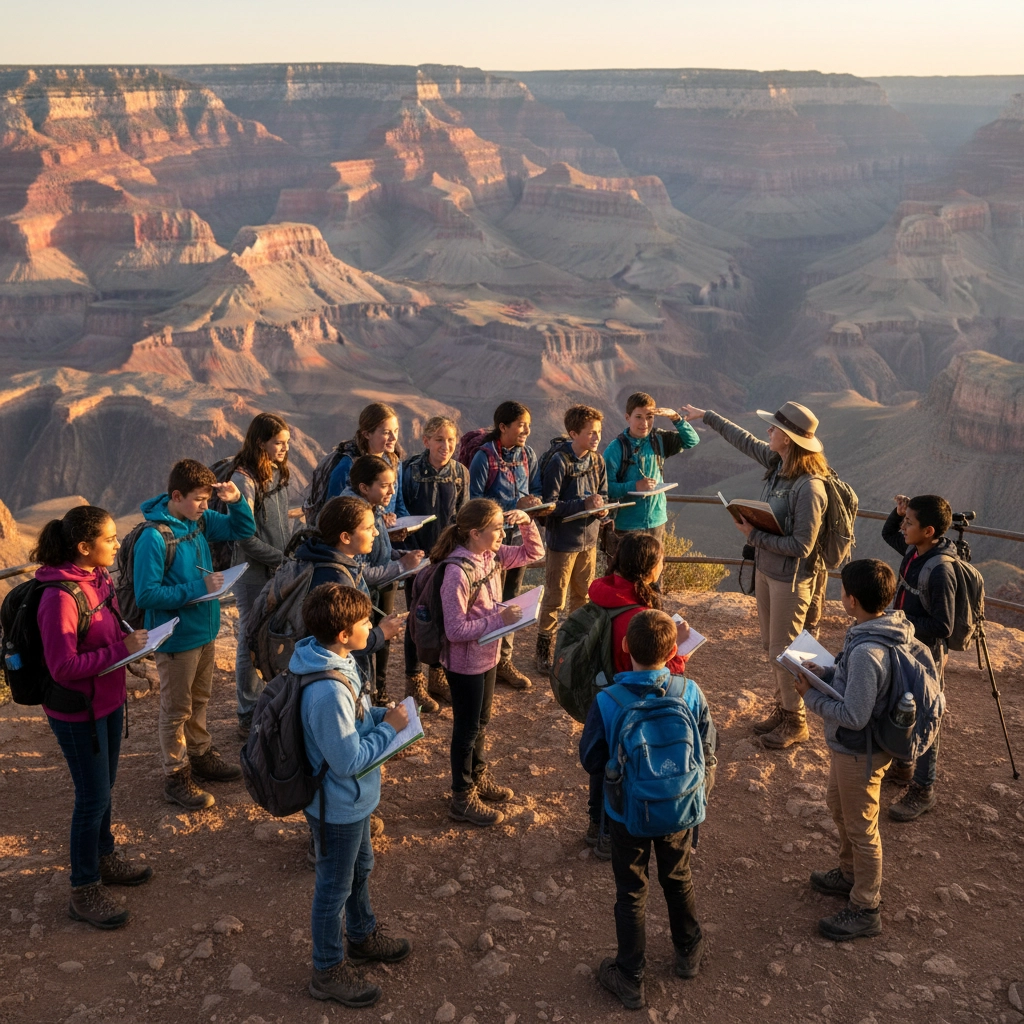
The Grand Canyon offers specialized ranger-led programs designed specifically for student groups at no additional cost. Contact the National Park Service Education Team immediately after establishing your travel dates to secure priority access to these valuable resources.
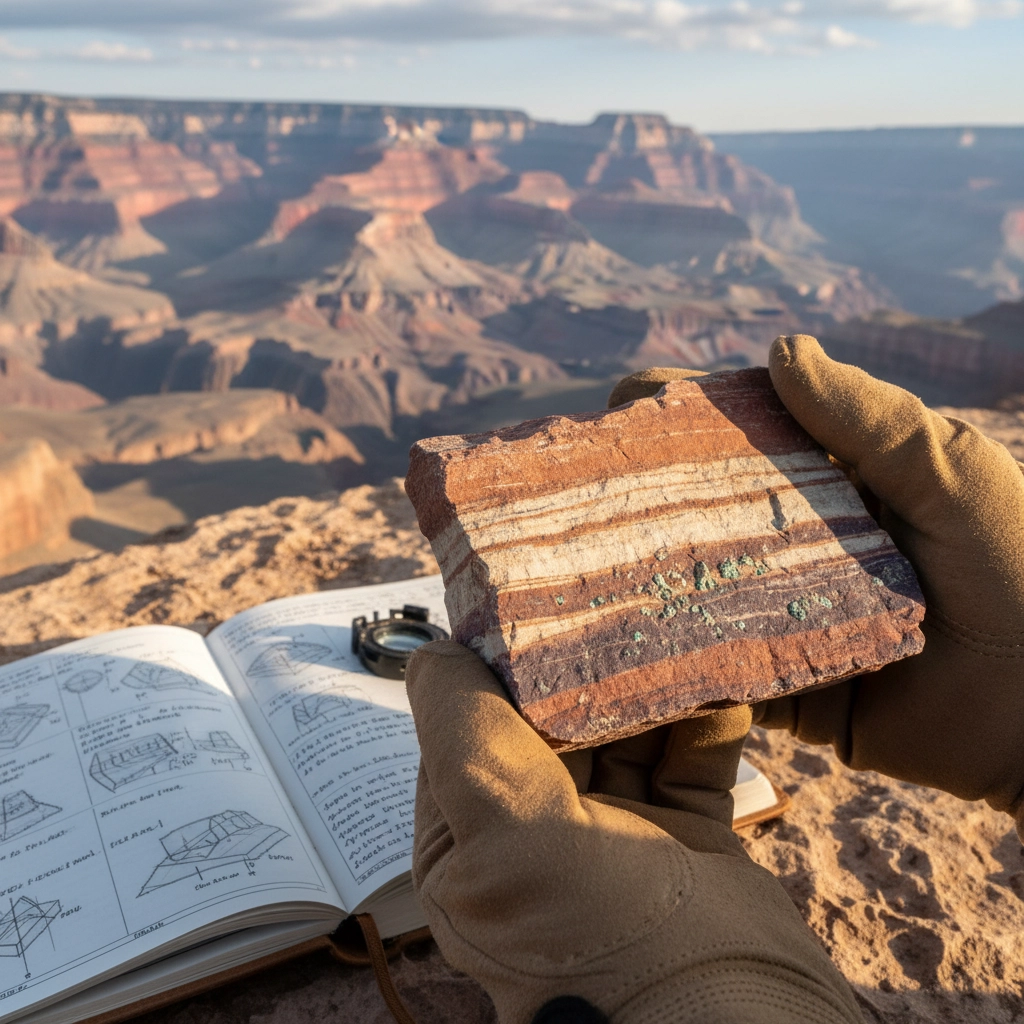
Priority programs include the Geo-Glimpse Program at the Yavapai Geology Museum, which features interactive demonstrations and hands-on rock sample examinations that directly support earth science curriculum requirements. Ranger-led field trips accommodate grades 3-8, limit participation to 50 students, and require advance registration through official park channels.
4. Assess Physical Demands and Age Appropriateness
Evaluate your students' age and fitness levels against planned activities before finalizing your itinerary. The Grand Canyon's elevation and terrain present unique physical challenges that require careful consideration for student safety and engagement.
Winter conditions at higher elevations may include snow and ice, particularly affecting North Rim access from mid-October through mid-May. These seasonal factors may require itinerary adjustments based on student capabilities and weather-related accessibility limitations. Consider implementing pre-trip fitness preparation activities to ensure all students can participate safely and comfortably.
5. Create a Comprehensive Timeline with Logistical Coordination
Organize your planning into three distinct phases to ensure comprehensive preparation and minimize oversight of critical details.
Phase 1 (6-12 Months Before Travel): Contact the National Park Service for program reservations, establish a preliminary budget including transportation, accommodation, meals, and program fees. Secure school administrative approval through formal proposal submission that demonstrates educational value and safety protocols.
Phase 2 (3-6 Months Before Travel): Finalize ranger program confirmations and create detailed day-by-day itineraries. Coordinate with school transportation departments for vehicle reservations, establish emergency communication protocols, and organize chaperone recruitment with clear role definitions.
Phase 3 (1-3 Months Before Travel): Distribute comprehensive packing lists with weather-specific recommendations, conduct parent information meetings, prepare detailed student safety briefings, and confirm all transportation arrangements with established contingency plans.
6. Obtain Required Parent Consent and Medical Documentation
Secure written consent from parents well in advance of your departure date. Permission slips constitute essential legal documentation that should include comprehensive emergency contact information, medical history details, and specific activity acknowledgments.
Distribute consent forms at least two months before travel to allow adequate time for parent questions and medical clearances. Require students with specific medical conditions to provide detailed management plans and necessary medications with clear administration instructions for supervising adults.
7. Implement Comprehensive Safety Protocols and Emergency Procedures
Develop detailed emergency protocols that address weather-related risks, medical emergencies, and student supervision challenges. Share these procedures with all students, parents, and chaperones before departure to ensure everyone understands their responsibilities and expected responses.
Emergency weather protocols must include lightning safety procedures and severe weather shelter locations. Verify that adult supervision ratios meet school policy requirements and ensure all chaperones complete required background checks and emergency training. Maintain current emergency contact information for park medical facilities and ranger services throughout your visit.
8. Enhance Learning Through Active Student Engagement Strategies
Assign students specific observation roles during the trip to ensure active participation and deeper learning during field experiences. Designate roles such as geology recorder, wildlife observer, weather monitor, and photography coordinator to maintain engagement and distribute learning responsibilities.
Provide students with field journals and customized observation worksheets designed for Grand Canyon activities. Encourage detailed field notes, scientific sketches, and photographic documentation of discoveries. Implement structured reflection activities each evening to reinforce daily learning experiences through peer presentations and guided discussions.
9. Leverage Professional Guided Tours and Educational Resources
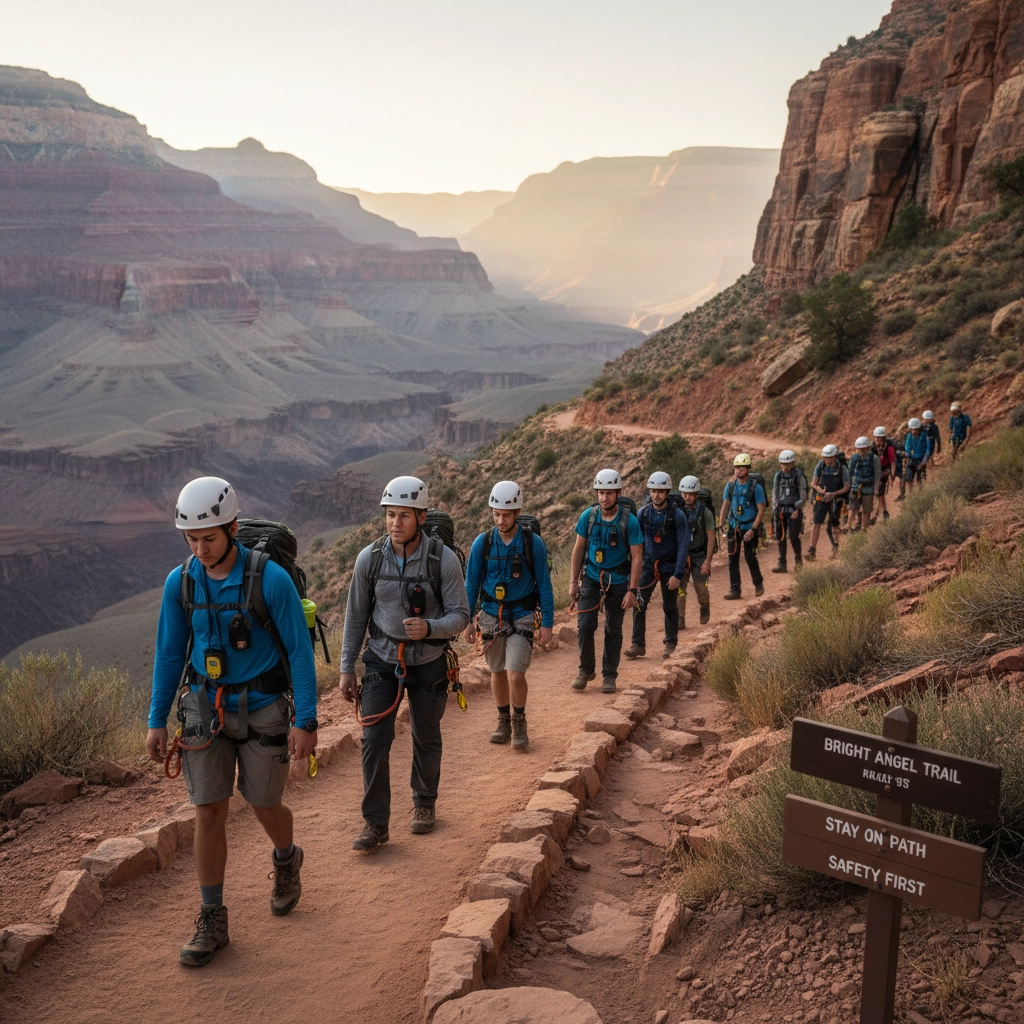
Invest in professional guided tours that provide expert knowledge while ensuring student safety and comprehensive learning experiences. Experienced guides handle complex logistics including permits, route planning, and safety equipment while allowing educators to focus on facilitating student learning and observation.
Professional guides share fascinating insights about geological formations, wildlife behavior, and cultural history that transform your visit into a comprehensive educational experience. Access additional resources including interactive story maps, educational films, and specialized geology materials to enhance both preparation and learning outcomes throughout your trip.
10. Develop Integrated Pre-Visit and Post-Visit Curriculum Activities
Create comprehensive pre-visit curriculum activities that prepare students for field experiences and establish foundational knowledge before arrival. Design activities that introduce geological concepts, ecosystem relationships, and cultural significance to maximize on-site learning opportunities.
Develop post-visit activities that reinforce and extend field learning through research projects, presentations, and community sharing opportunities. Encourage students to create multimedia presentations, scientific reports, or artistic interpretations that demonstrate their understanding and share experiences with the broader school community.
Experience Grand Canyon Education with Professional Support
Planning a successful Grand Canyon educational expedition requires expertise, attention to detail, and comprehensive understanding of both educational objectives and safety requirements. At Appleseed Expeditions, we specialize in creating transformative educational experiences that combine rigorous academic content with unforgettable outdoor adventures.
Our professional team manages all logistical complexities while ensuring your students receive maximum educational benefit from this remarkable natural classroom. From initial planning through post-trip curriculum support, we provide the expertise and resources necessary to create lasting educational impact for your students.
Ensuring student safety, maximizing educational opportunities, and creating meaningful learning experiences requires careful preparation, professional expertise, and unwavering attention to detail. By implementing these ten essential guidelines, you establish the foundation for a successful Grand Canyon educational expedition that will inspire and educate your students for years to come.
Comments