


Pura Vida, Pure Purpose: How Service Learning in Costa Rica Changes Everything

When you step off the plane in San José, the first thing you’ll notice isn't just the humidity or the lush greenery: it’s the atmosphere. There is a specific energy in the air that the locals call Pura Vida. Literally translated, it means "pure life," but as any student who has ever embarked on our school trips to Costa Rica will tell you, it’s much more than a greeting. It’s a philosophy that prioritizes community, gratitude, and a deep connection to the natural world.
At Appleseed Expeditions, we believe that travel shouldn't just be about sightseeing; it should be about "sight-doing." When students engage in service learning trips to Costa Rica, they aren't just tourists. They become active participants in a global community. By trading the classroom for the rainforest, they begin to uncover their "why": that core sense of purpose that often gets lost in the shuffle of GPA requirements and extracurricular checklists.
In this post, we’re diving into how hands-on service in the heart of Central America transforms students from passive learners into purposeful leaders.
The Philosophy of Pura Vida
Before we get into the dirt and the trees, we have to understand the mindset. In the United States, we are often driven by the "grind": the next test, the next practice, the next achievement. Costa Rican culture offers a radical alternative. Pura Vida encourages people to slow down and focus on what truly matters: health, family, and peace of mind.
For a student, this shift is revolutionary. When they participate in a volunteering school trip to Costa Rica, they are immersed in a culture that values "being" as much as "doing." This cultural immersion is the foundation upon which all service work is built. It teaches students that the work they are about to do isn't just a box to check for a college application; it’s a contribution to a way of life that respects the earth and its inhabitants.
Reforestation: Planting the Future of the Rainforest
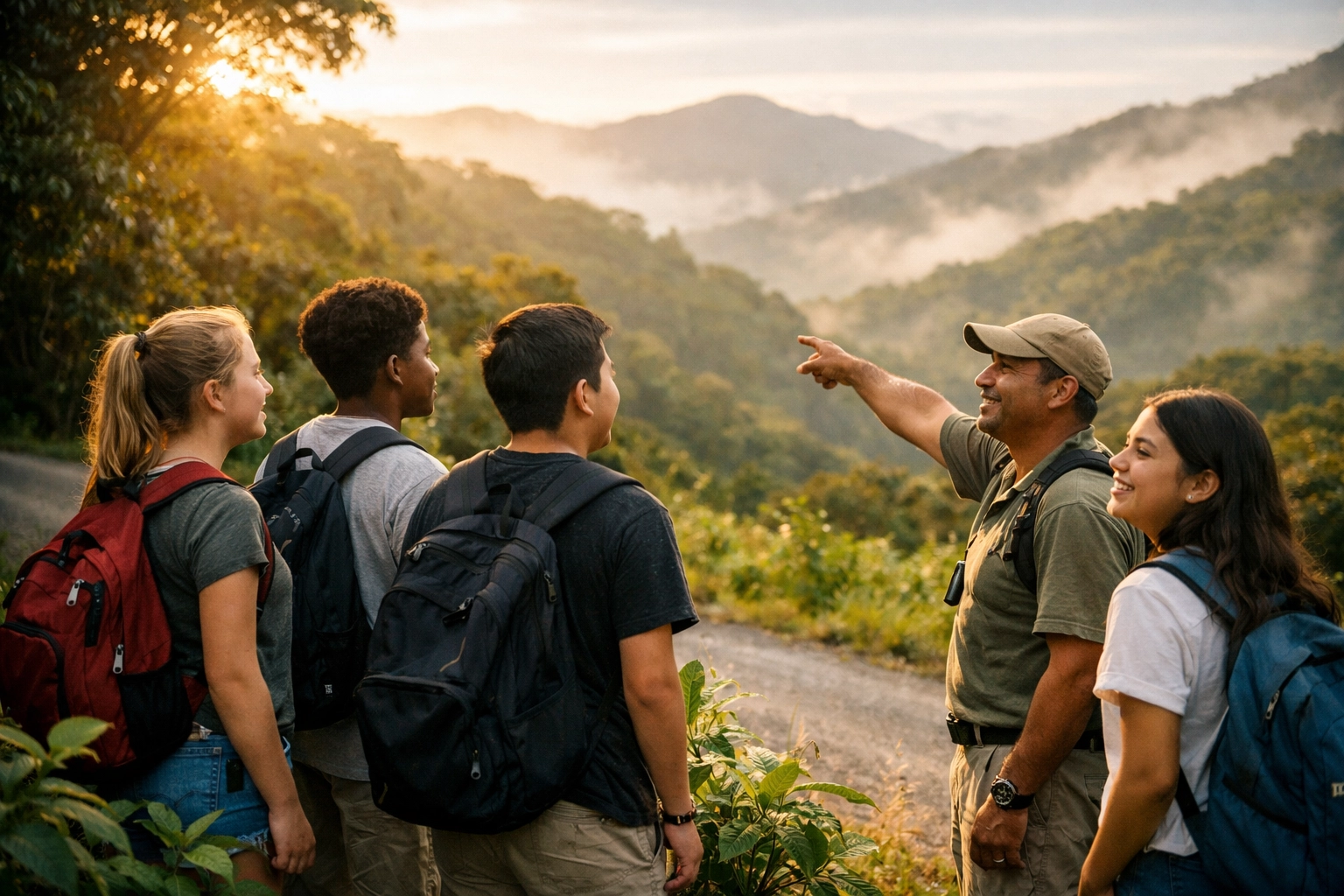
One of the most impactful ways we engage with the land is through reforestation projects. Costa Rica is a world leader in conservation, but the battle to preserve its incredible biodiversity is ongoing. Students get their hands dirty, literally: by planting native trees in critical biological corridors.
Why Reforestation Matters
Carbon Sequestration: Students learn firsthand how tropical forests act as the lungs of our planet.
Habitat Restoration: Planting trees provides food and shelter for endangered species, including the Resplendent Quetzal and various monkey species.
Soil Protection: In a country with high rainfall, trees are essential for preventing erosion and maintaining the health of the local watershed.
When a student places a sapling into the ground, they aren't just performing a manual task. They are engaging in an act of hope. They learn about the delicate balance of the ecosystem and realize that their individual actions have a measurable, positive impact on the environment. This realization is often the first step in developing a lifelong commitment to sustainability.
To learn more about our commitment to environmental education, check out our Central America programs.
Wildlife Conservation: Lessons from the Sloth Preserve
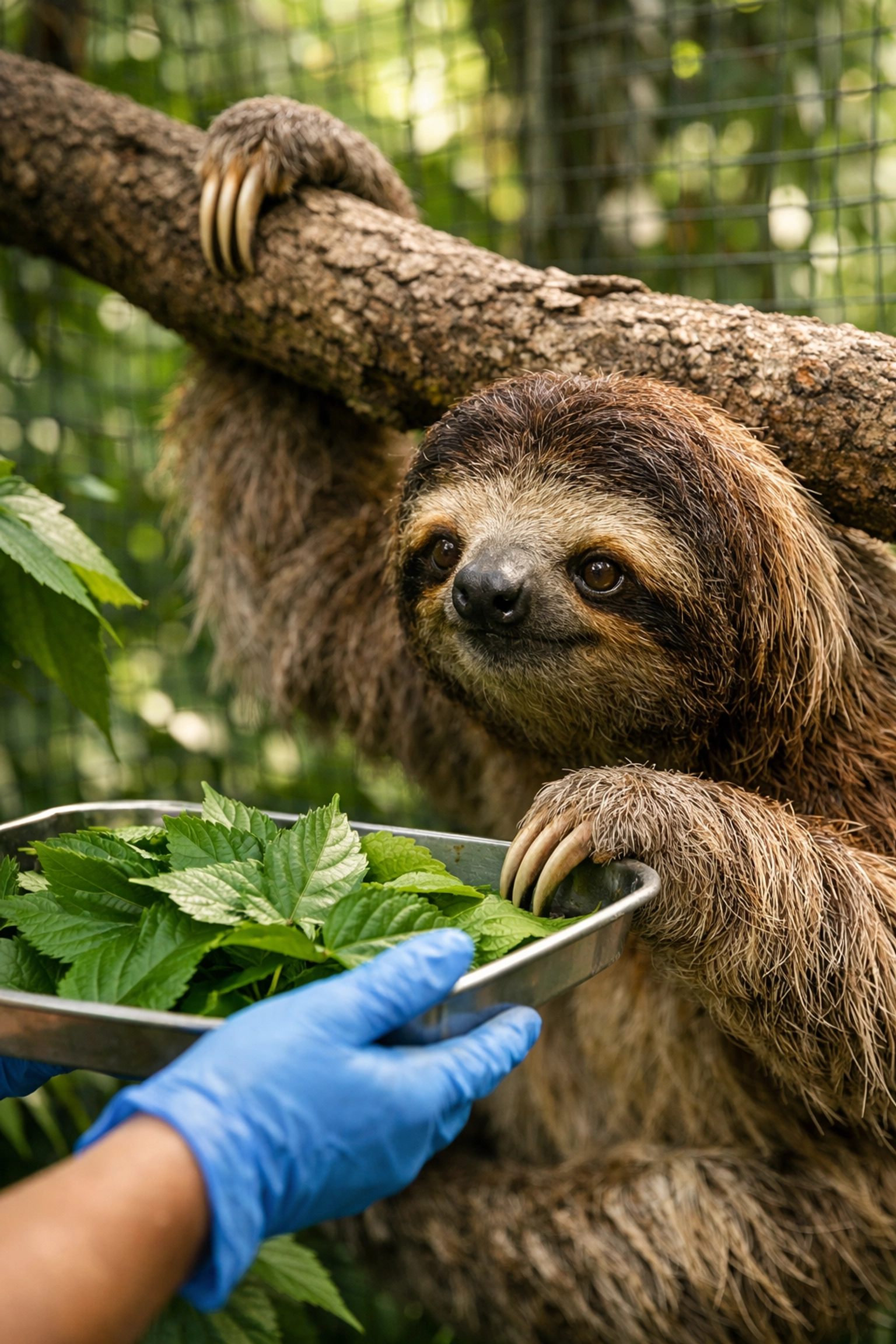
If reforestation is about the "macro" view of the environment, volunteering at a sloth preserve is about the "micro" connection. Costa Rica is home to two-toed and three-toed sloths, and these iconic creatures face many threats, from habitat loss to power line accidents.
During our service learning trips to Costa Rica, students often spend time at rescue and rehabilitation centers. Their tasks might include:
Enclosure Maintenance: Ensuring the animals have a clean, safe, and stimulating environment.
Food Preparation: Learning about the specific dietary needs of rehabilitated wildlife.
Observational Research: Assisting biologists in monitoring the behavior of animals slated for release.
Working with sloths teaches students the value of patience: a core tenet of Pura Vida. You can't rush a sloth, and you can't rush the process of conservation. This experience fosters a sense of empathy and stewardship for creatures that cannot advocate for themselves. It turns abstract biological concepts into living, breathing realities.
Community Service: Connecting in Local Schools
While the environment is a major focus, the heart of our trips is the people. We believe that true service is a two-way street. When our groups visit local schools, the goal isn't just to "help"; it’s to exchange.
The Impact of School-Based Service
Cultural Exchange: Students share stories, games, and music, breaking down cultural barriers and fostering global empathy.
Infrastructure Support: We often assist with painting projects, building community gardens, or improving playground facilities.
Language Practice: There is no better way to learn Spanish than by playing a game of soccer (fútbol) or helping a younger student with a lesson.
By working alongside Costa Rican students and teachers, our travelers see that they have more in common with their peers in Central America than they realize. This connection is vital for developing a global perspective. It helps students understand that "service" is simply being a good neighbor on a global scale.
If you are a teacher looking to see how these interactions work firsthand, we highly recommend checking out our Teacher Preview opportunities.
Developing Purpose Through Service
So, how does all of this change "everything"?
Research shows that students who engage in service learning report profound personal transformation. They aren't just gaining skills; they are gaining clarity. We often see students return from Costa Rica with a renewed interest in their studies. A student who was "bored" with biology suddenly wants to study ecology because they saw a sloth in the wild. A student who struggled in Spanish class is suddenly motivated to become fluent so they can talk to the friends they made in a remote village.
The "Why" Factor
Career Clarity: Exposure to field biology, international development, and education helps students narrow down their future career paths.
Confidence: Navigating a new culture and contributing to significant projects builds a level of self-assurance that can't be taught in a classroom.
Gratitude: Living the Pura Vida lifestyle helps students appreciate the resources they have at home while recognizing that happiness isn't tied to material wealth.
A Guide for Educators: Planning Your Service Trip
Organizing a volunteering school trip to Costa Rica is a significant responsibility, but the rewards for your students are immeasurable. To ensure a successful and safe expedition, we recommend following these core steps:
1. Establish Clear Educational Goals
Determine what you want your students to take away. Is the focus environmental science, language immersion, or social studies? Having a clear "why" for the trip will help tailor the service projects to your curriculum.
2. Prioritize Safety and Logistics
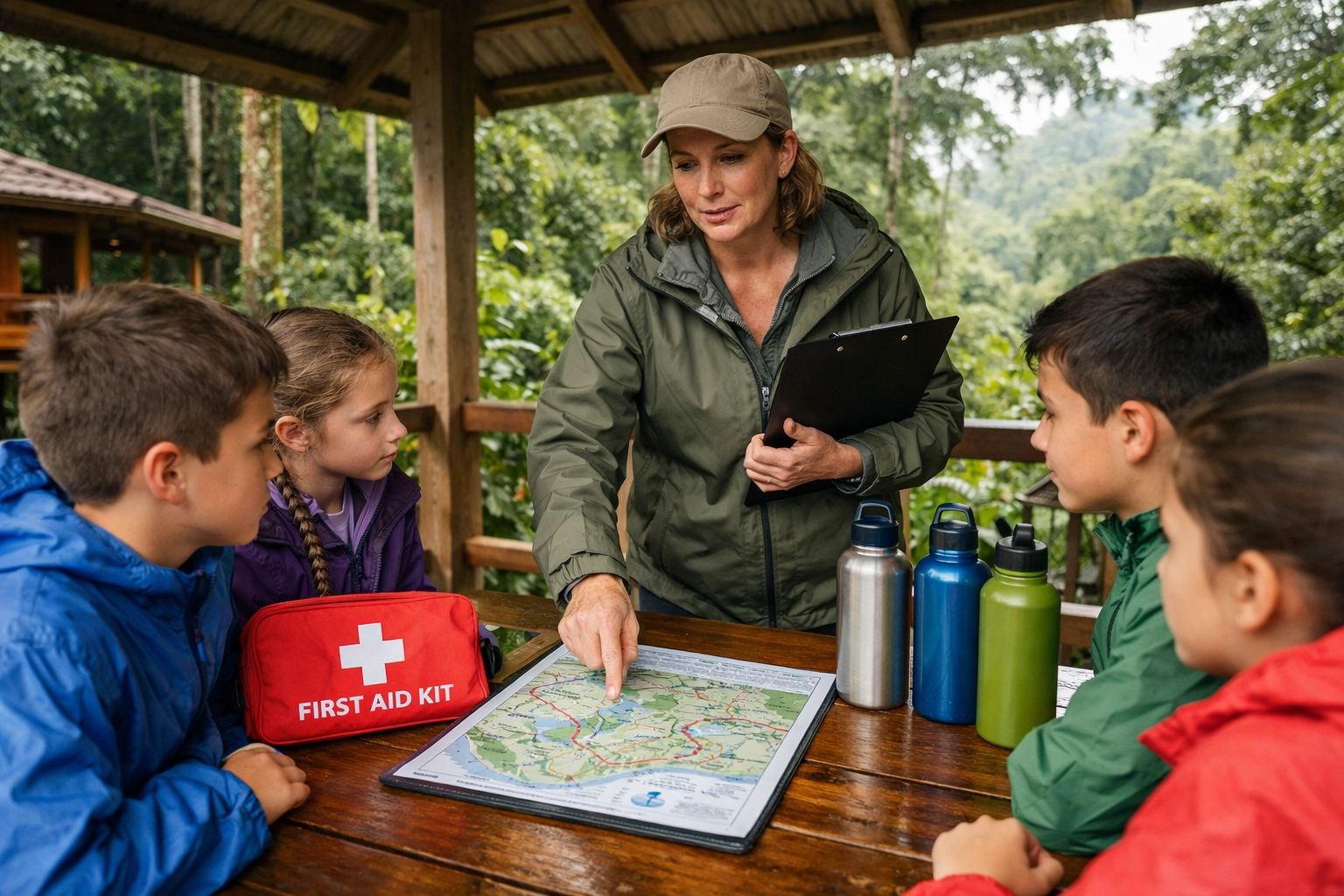
Safety is our paramount concern at Appleseed Expeditions. Ensure your travel partner has:
Vetted local partners and transport.
Comprehensive emergency procedures.
Experienced guides who are trained in first aid and crisis management.
3. Prepare Students Culturally
Before you leave, discuss the Pura Vida philosophy. Encourage students to research Costa Rican history and current events. The more they know before they go, the deeper their engagement will be. You might even consider a coffee tour to understand the local economy.
4. Plan for Reflection
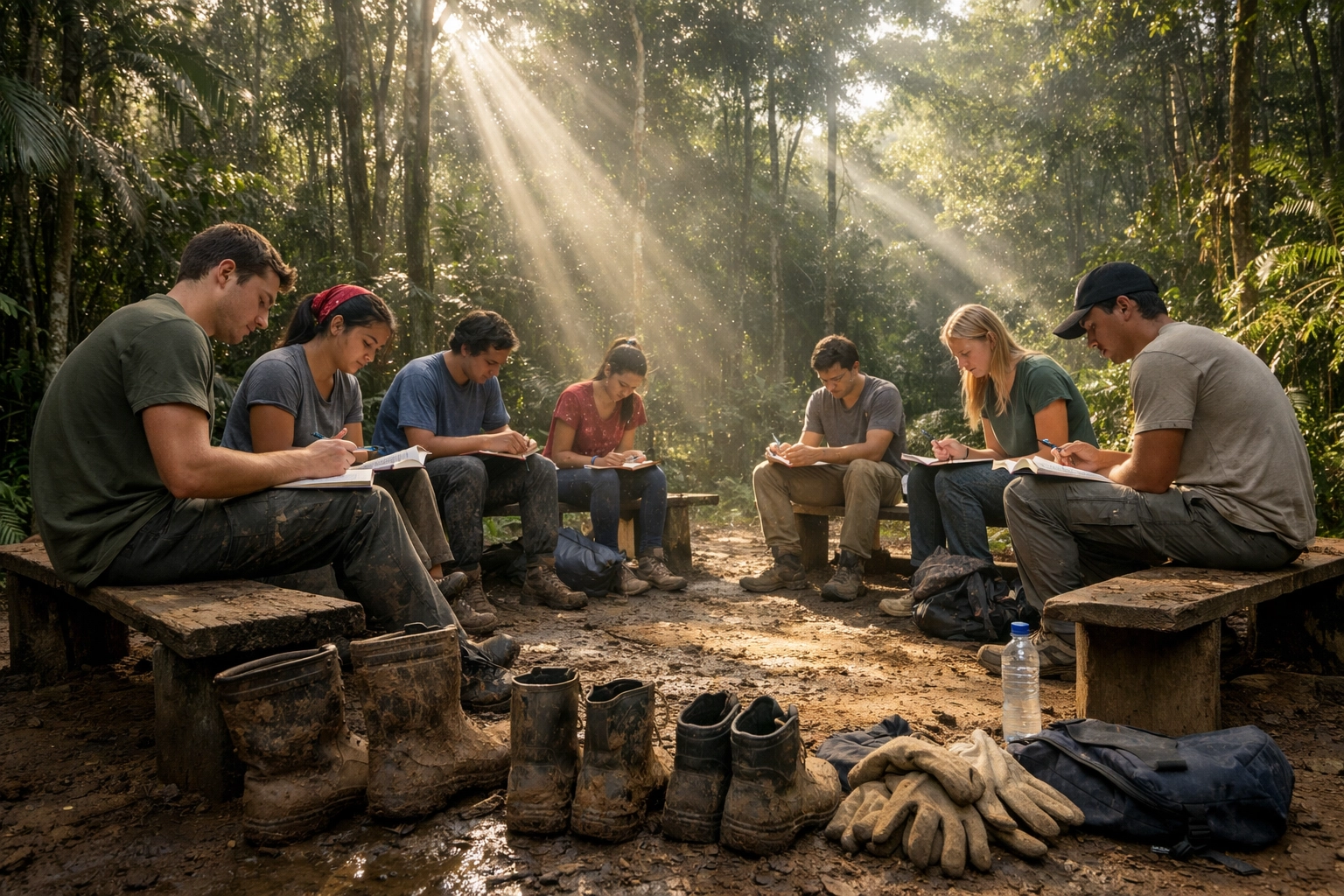
Service learning isn't complete without reflection. Schedule time each evening for students to journal or participate in group discussions about what they saw and felt during the day. This is where the real learning sticks.
Final Thoughts: The Appleseed Difference
At Appleseed Expeditions, we don't just lead trips; we facilitate life-changing experiences. Our mission is to bridge the gap between academic learning and real-world application. Whether we are planting trees in a cloud forest or sharing a meal with a local family, every moment is an opportunity to grow.
If you’re ready to help your students find their "why" and embrace the Pura Vida spirit, we are here to help you every step of the way. From initial planning to the final flight home, we ensure that every detail is managed with care and expertise.
Ready to start planning? Visit our About Page to learn more about our mission, or browse our blog for more inspiration on educational travel.
Ensure the safety of your students and the success of your mission by choosing a partner who values purpose as much as you do. Let's head to Costa Rica and change everything together.

Comments