


Real Science, Real Impact: Bridging Geology and Service at the Grand Canyon

Ensuring the educational depth and physical safety of students during a Grand Canyon expedition is of paramount importance. A truly transformative student journey transcends mere sightseeing; it requires a rigorous integration of academic inquiry and tangible community service. At Appleseed Expeditions, we believe that when students engage in real science, they generate a real impact. This philosophy serves as the foundation for our Grand Canyon student service trips, where geological study and conservation efforts work in tandem to develop the next generation of environmental stewards.
Preparing your students for such a journey involves careful planning and a commitment to high-level learning. The Grand Canyon is not simply a landscape; it is a complex, vertical laboratory that offers unparalleled opportunities for a hands-on Grand Canyon science trip. By combining the study of deep time with active participation in modern conservation, students begin to understand their role in the ongoing story of the natural world.
The Geological Foundation: Hands-on Science at the Rim
The first pillar of a successful expedition is a structured approach to earth science. The Grand Canyon provides a chronological record of Earth's history, spanning nearly two billion years. For students, the transition from reading about stratigraphy in a textbook to physically observing the "Great Unconformity" is a profound educational upgrade.
To maximize learning opportunities, instructors should focus on several key geological concepts:
Stratigraphy and Sedimentary Processes: Students must identify the distinct layers, from the Vishnu Basement Rocks at the canyon floor to the Kaibab Limestone at the rim.
Erosion and Deposition: Observe the power of the Colorado River and the secondary role of wind and ice in shaping the plateau.
Tectonic Uplift: Understand how the Colorado Plateau was raised while the river cut downward, a process essential to understanding the canyon’s unique formation.
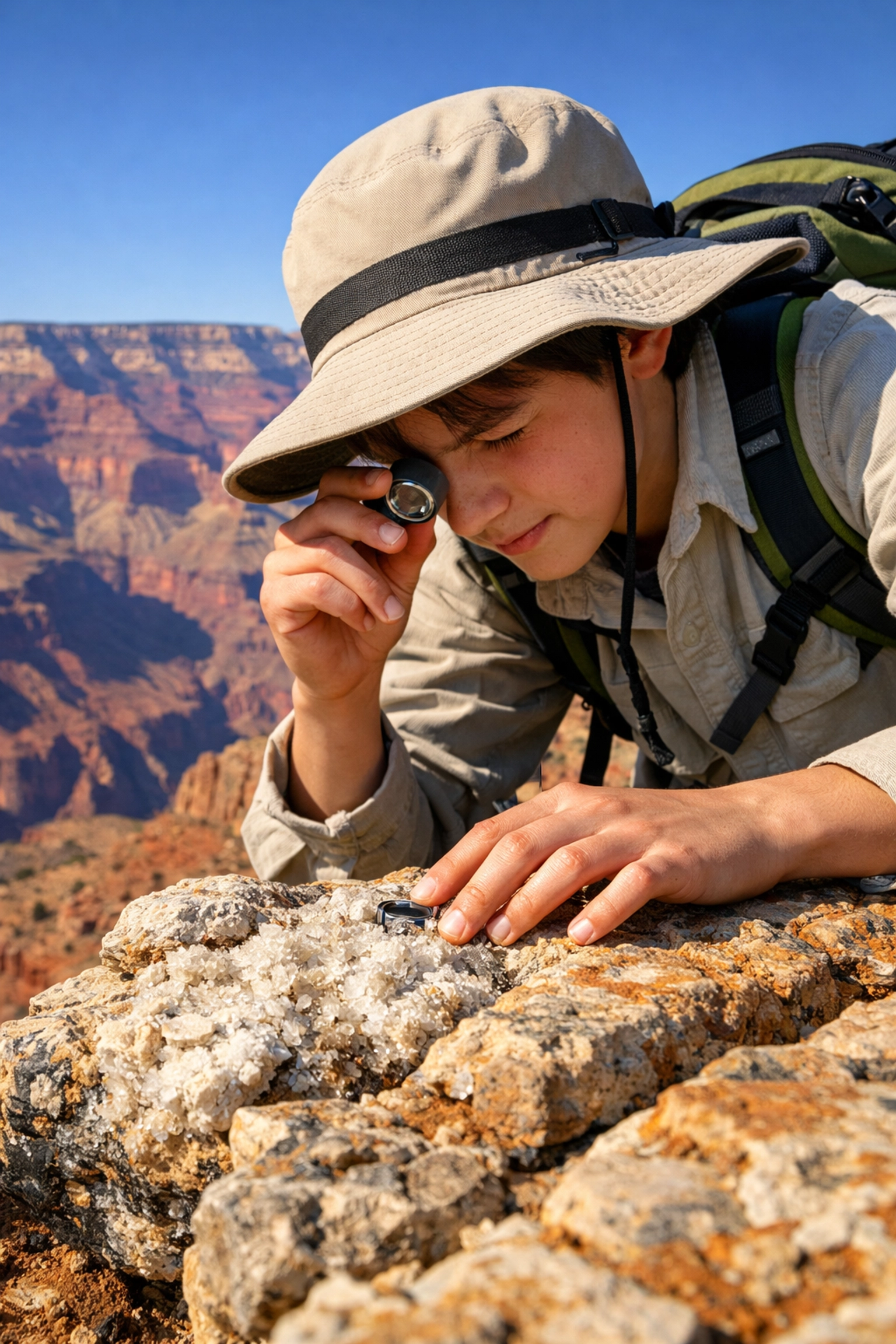
Recent scientific breakthroughs have added new layers of complexity to the canyon’s history. For instance, a 2025 study has linked a massive Grand Canyon landslide to the Meteor Crater impact approximately 56,000 years ago. Research indicates that the shockwaves from the impact: equivalent to a 4.1 magnitude earthquake: triggered a catastrophic landslide 160 miles away, which subsequently dammed the Colorado River. Integrating this "real-time" science into the curriculum allows students to see that geology is a dynamic, evolving field of study.
Bridging Science with Indigenous Knowledge
A comprehensive understanding of the Grand Canyon requires more than Western scientific methods. It demands a respectful integration of Indigenous knowledge systems. The region’s water systems, for example, are governed by complex groundwater pathways including meteoric recharge and geothermal waters. Scientists now recognize that preserving these resources requires a partnership between traditional tribal knowledge and Western science.
When participating in Grand Canyon conservation school trips, students should be encouraged to:
Research the 11 traditionally associated tribes of the Grand Canyon, including the Havasupai, Hopi, and Navajo.
Discuss the concept of "Indigenizing geoscience," which centers on listening to Native communities to understand land management from a holistic perspective.
Evaluate how administrative boundaries often ignore the natural flow of water and wildlife, necessitating collaborative conservation efforts.
For more information on how different parks offer unique geological insights, you may explore the comparison in our article on Yellowstone vs Grand Canyon school trip.
Conservation Service: Turning Knowledge into Impact
The "Real Impact" component of the trip is achieved through conservation service projects. These projects are not peripheral activities; they are essential applications of the science students have learned. When students understand the geological vulnerability of the canyon, they are more motivated to protect it.
Practical service projects often include:
Trail Maintenance and Restoration: High foot traffic leads to soil compaction and accelerated erosion. Students work under the guidance of park experts to repair trail segments and install drainage features.
Invasive Species Mitigation: Protecting the delicate balance of the canyon’s ecosystem involves identifying and removing non-native plants that threaten indigenous flora.
Water Resource Protection: Given the complex karst systems of the region, projects often focus on protecting springs and riparian zones that are vital to both wildlife and local communities.
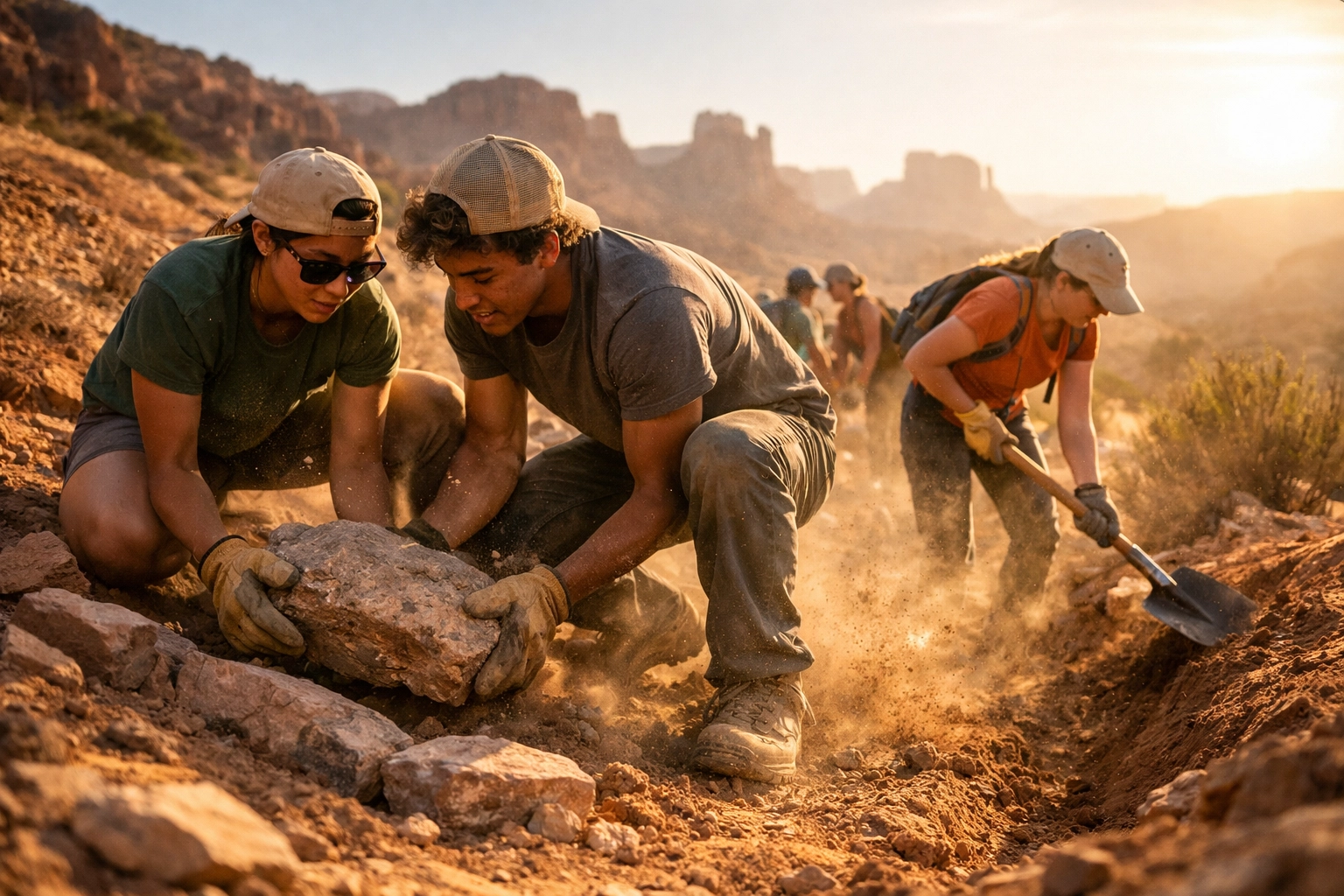
By engaging in these tasks, students move from being passive observers to active participants in the preservation of a World Heritage site. This level of engagement is what makes educational tours for teachers to the Grand Canyon the ultimate classroom upgrade.
Developing Purpose and Gifts for Conservation
A primary objective of every Appleseed Expedition is to help students identify their unique "gifts" and apply them toward a greater purpose. Conservation is not a one-size-fits-all field; it requires scientists, communicators, organizers, and laborers.
During the expedition, instructors should facilitate reflection sessions that prompt students to consider the following:
Which aspect of the science resonated most? (e.g., the precision of dating rocks, the complexity of water systems, or the history of Indigenous land use).
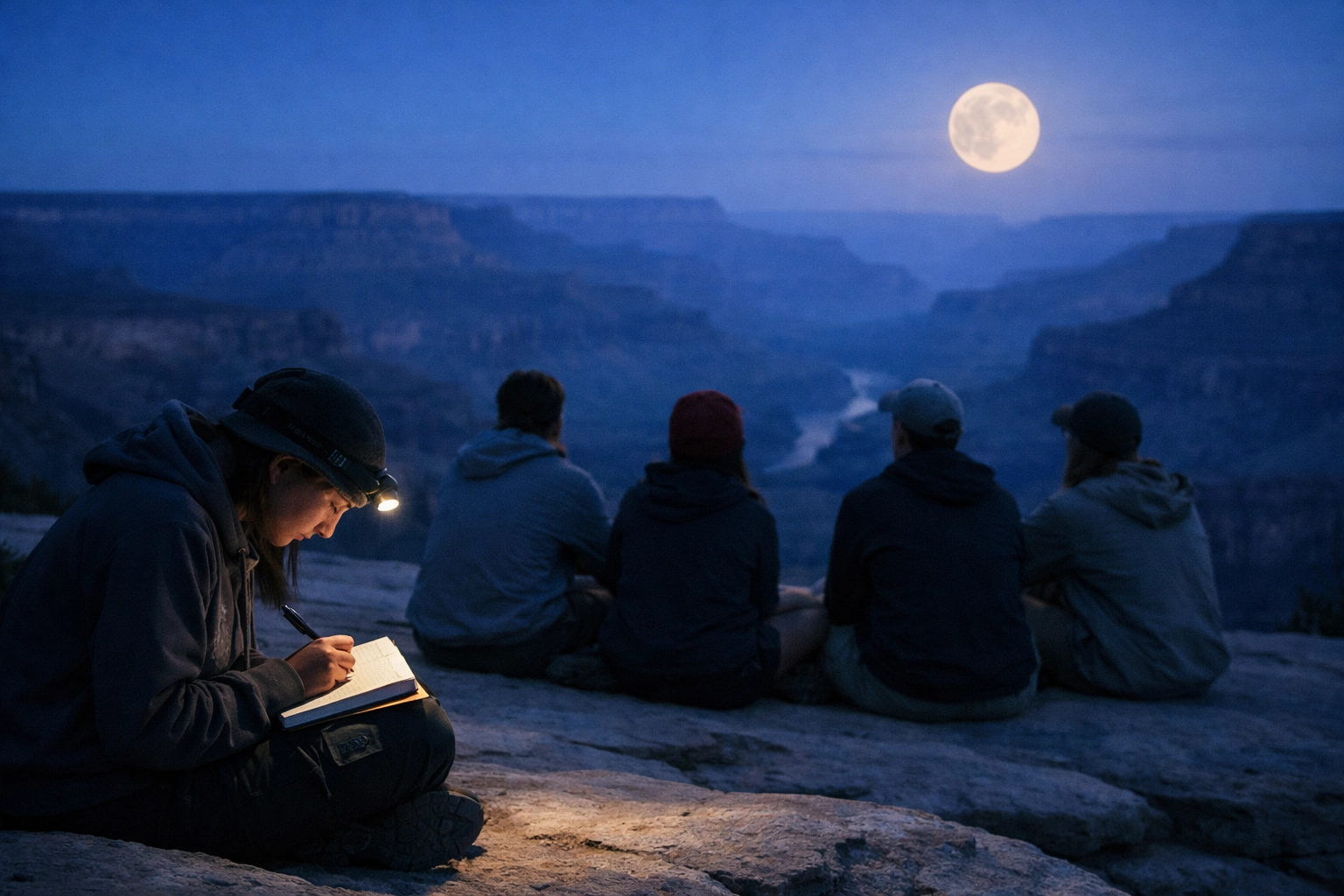
Where was their contribution most effective during service? (e.g., leading a team in trail work, documenting the project through photography, or meticulous data collection during a citizen science task).
How can these experiences translate to their home communities?
Developing a sense of purpose ensures that the impact of the trip lasts far beyond the flight home. It transforms a school trip into a life-defining experience that shapes future career paths and civic responsibilities.
The Teacher’s Guide: Meticulous Preparation and Safety
Ensuring the success of a hands-on Grand Canyon science trip requires a meticulous mindset and proactive planning. Teachers must anticipate potential challenges and implement rigorous safety protocols. The Grand Canyon is a high-altitude, desert environment where conditions can change rapidly.
Step-by-Step Preparation Checklist:
Physical Conditioning: Advise students and chaperones to begin a walking or hiking regimen at least two months prior to the trip. The elevation and steep terrain demand physical readiness.
Hydration and Nutrition Protocols: Establish a mandatory hydration schedule. Dehydration is the most common cause of medical incidents in the canyon. Students should carry a minimum of two liters of water at all times.
Emergency Contingency Plans: Create a detailed emergency plan that includes contact information for the nearest medical facilities and search-and-rescue protocols. Ensure all chaperones have a physical copy of this plan.
Risk Assessment: Conduct a thorough risk assessment of all planned service sites and hiking trails. Pay close attention to weather forecasts, specifically heat advisories and flash flood risks in canyons.
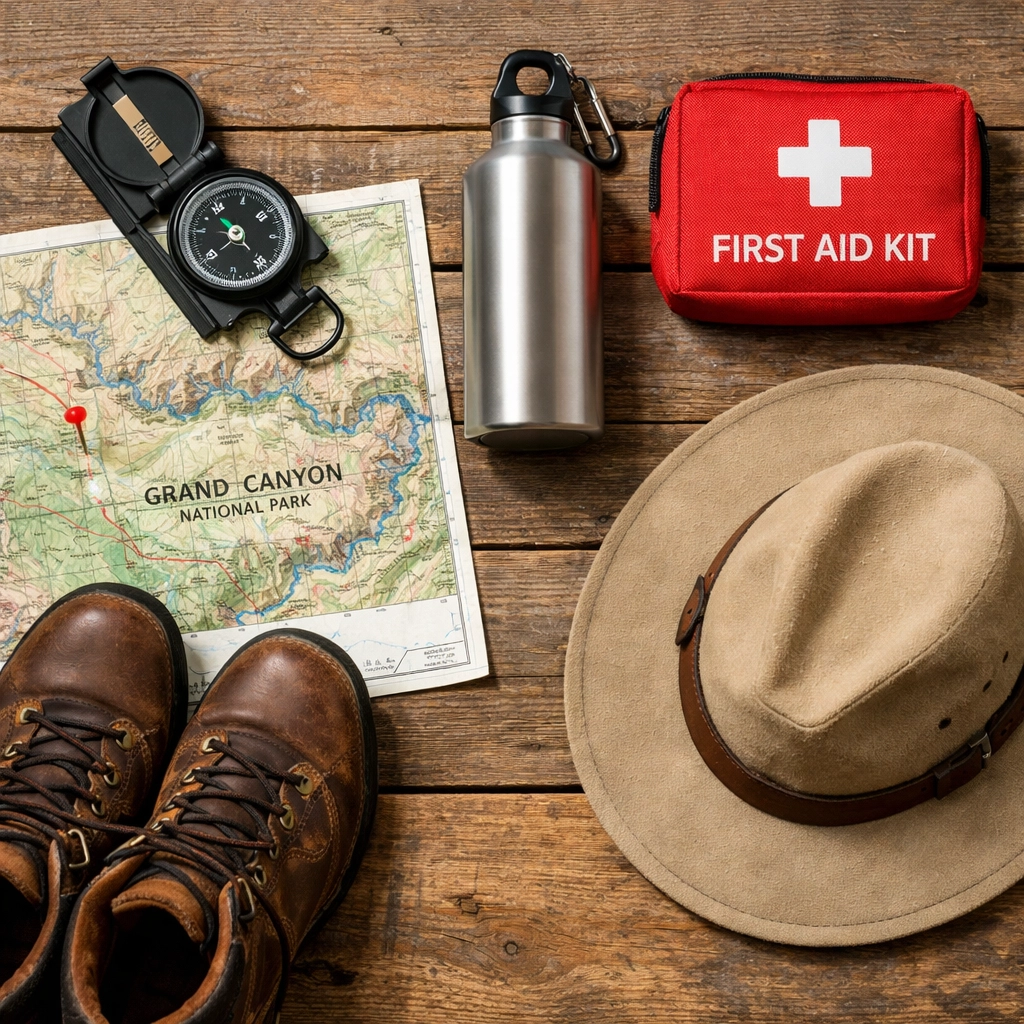
Gear Inspection: Ensure every participant has broken-in hiking boots, moisture-wicking clothing, and sun protection. Improper footwear is a significant risk factor for injuries.
Maintaining Supervision and Vigilance
Supervision must be constant and active. Chaperones should be assigned specific student groups and must maintain a strict "buddy system." When working on conservation projects near the rim or on steep trails, emphasize the importance of staying within designated areas. Respect for the environment and the safety of the group are non-negotiable.
Conclusion: Reaffirming Our Objectives
The integration of rigorous science and meaningful service at the Grand Canyon provides a model for educational travel. By focusing on "Real Science, Real Impact," we empower students to see the world through a lens of both curiosity and responsibility.
Preparing students for this journey involves more than just packing bags; it involves preparing their minds to grasp the vastness of geological time and preparing their hearts to serve a cause greater than themselves. Through careful planning, meticulous safety standards, and a commitment to excellence, educators can provide an experience that enriches the academic curriculum while fostering a lifelong commitment to conservation.
At Appleseed Expeditions, we remain dedicated to providing these high-impact opportunities, ensuring that every student who stands on the rim of the Grand Canyon leaves with a deeper understanding of our planet and a clearer sense of their own purpose. To explore similar opportunities in other iconic landscapes, consider the citizen science opportunities available in Yellowstone or our dedicated Yellowstone conservation student travel programs. Your role as an educator is to bridge the gap between the classroom and the world; we are here to provide the path.

Comments