


The Canyon’s Deepest Lesson: Finding Purpose Through Navajo Service

Preparing students for a journey to the American Southwest involves more than packing gear and reviewing geology. It requires a fundamental shift in perspective: from being a tourist to becoming a servant-leader. At the Grand Canyon, the immense geological scale often dwarfs the human experience, yet it is through serving the Navajo (Diné) and Hopi communities that students find their true stature.
Developing a sense of purpose is a cornerstone of the educational travel experience. By engaging in a Grand Canyon Navajo service trip, students move beyond the role of passive observers and become active participants in a legacy of resilience and cultural stewardship.
The Intersection of Landscape and Legacy
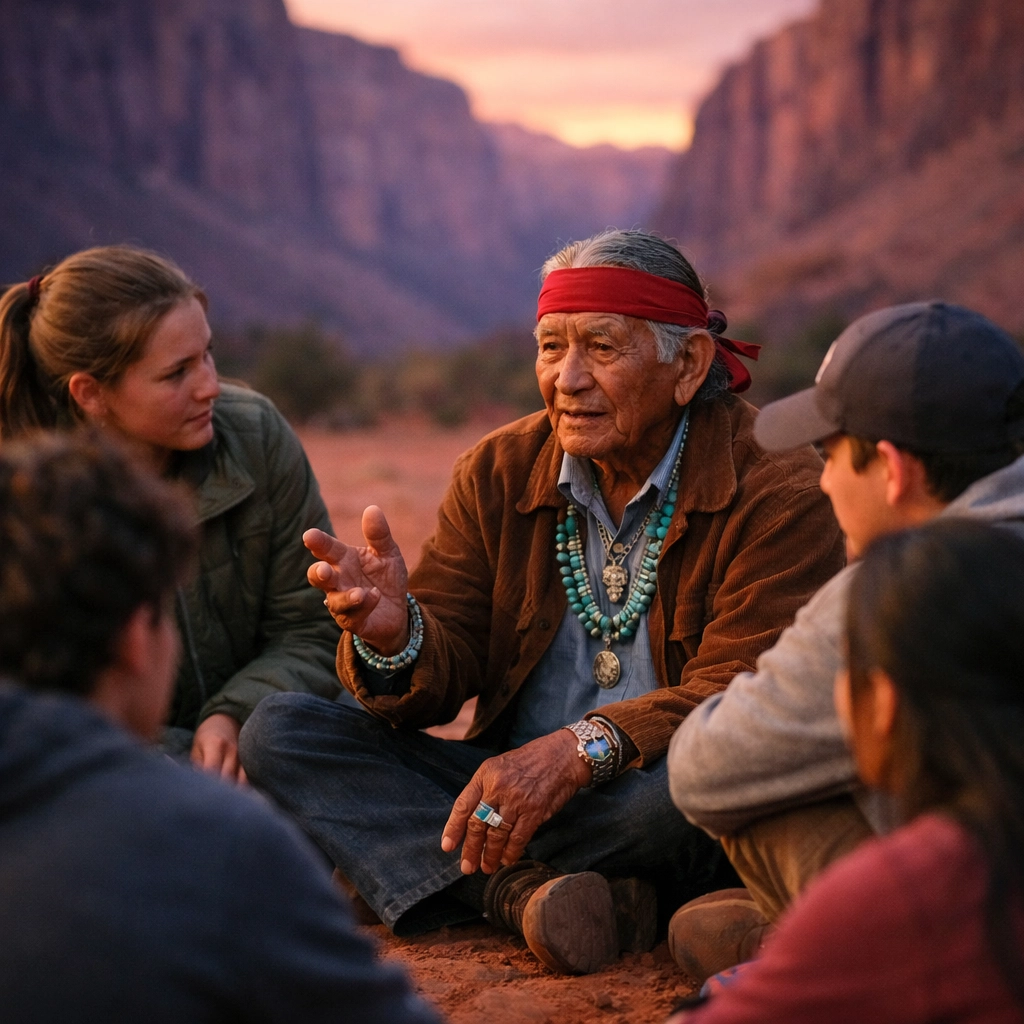
The Grand Canyon is not merely a National Park; it is a sacred landscape for the indigenous peoples who have called this region home for millennia. For the Navajo and Hopi, the canyon and its surrounding plateaus are woven into their origin stories and daily lives. When students arrive to serve, they are entering a classroom without walls, where the curriculum is written in the red dust and the stories of the elders.
Finding purpose in this context begins with understanding that service is an act of reciprocity. Students are not just "helping"; they are participating in a cultural exchange that honors the history and sovereignty of the Navajo Nation. This realization often serves as the catalyst for a student's personal growth, shifting their focus from individual achievement to community contribution.
Educational Objectives: History, Culture, and Stewardship
To maximize the impact of a service trip, educators must establish clear learning objectives that bridge the gap between classroom knowledge and real-world application.
Historical Contextualization: Students must study the history of the Navajo people, including the "Long Walk" of 1864. Understanding the forced removal and subsequent return of the Diné people provides a necessary foundation for respecting their resilience.
Cultural Immersion and Exchange: Purpose is found in connection. Facilitating dialogues between students and local Navajo guides or community members allows for a deeper understanding of indigenous philosophies, such as Hózhó (living in harmony and balance).
Environmental Stewardship: Service projects often involve land restoration or agricultural support. These actions teach students that protecting the environment is inseparable from honoring the culture that relies on it.
By integrating these objectives, educators ensure that the service performed is meaningful and that students walk away with a redefined sense of their place in the world. For those interested in expanding these concepts to other regions, exploring our alternative breaks can provide additional frameworks for service-based learning.
Identifying Purpose Through Service Projects
Purpose is rarely found in a vacuum; it is forged through action. On a Grand Canyon Navajo service trip, the specific tasks assigned to students serve as the vehicle for internal discovery.
Community Infrastructure and Support
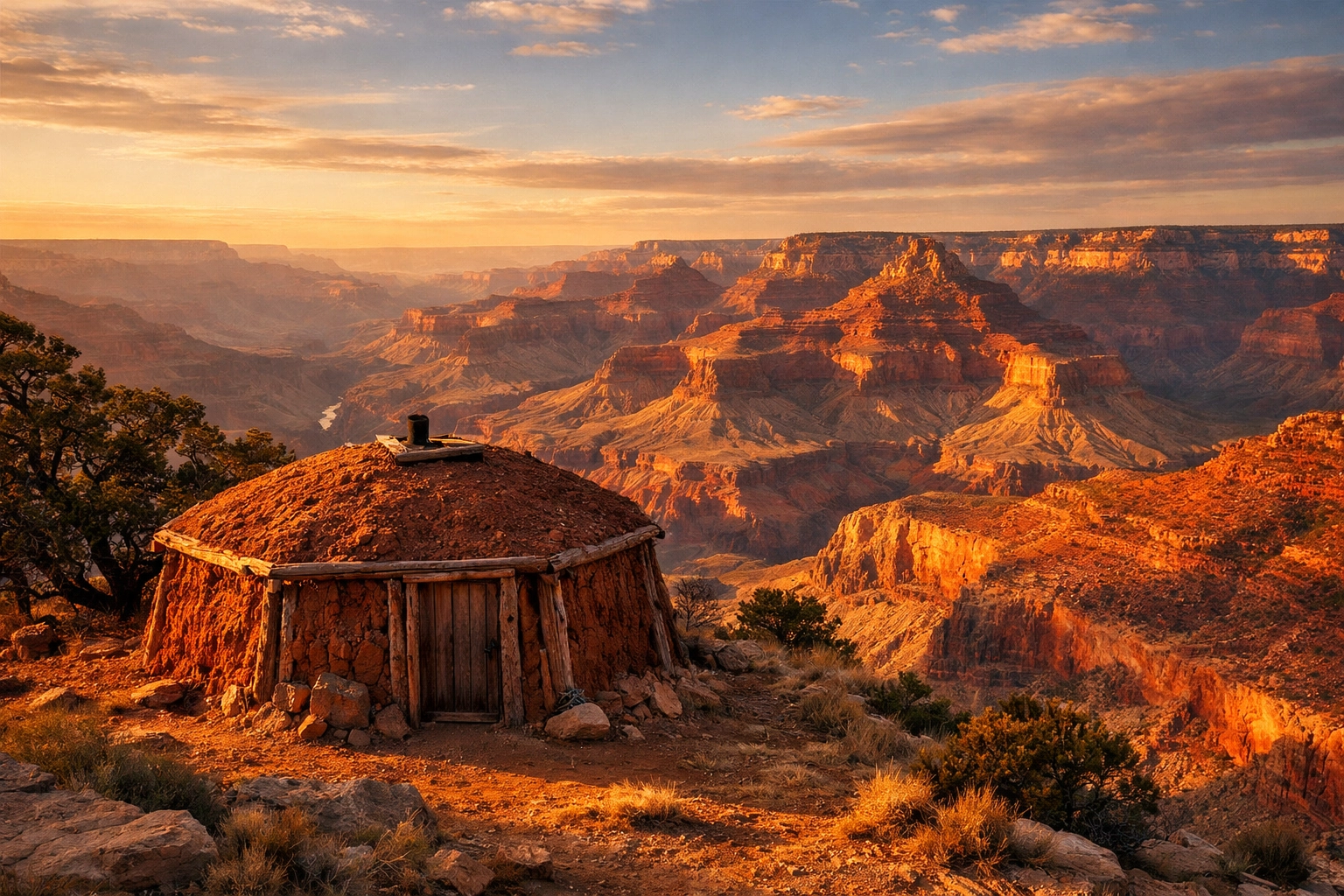
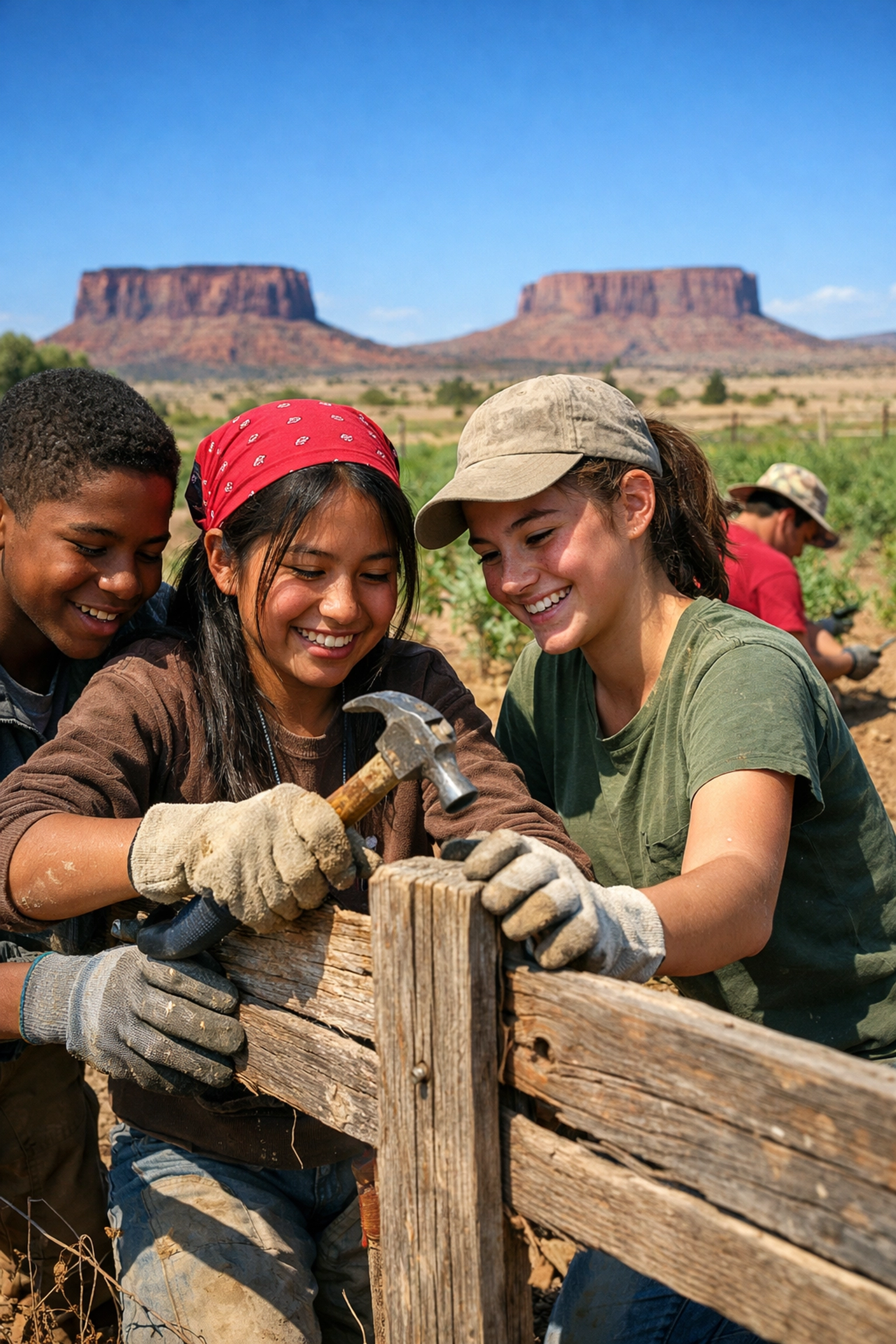
Students may participate in projects such as repairing traditional hogans, painting community centers, or assisting with seasonal harvests. These tasks require physical effort and teamwork, forcing students to rely on one another. As they work, they see the immediate impact of their labor on the lives of others, fostering a sense of efficacy and worth.
Educational Mentorship
In some programs, students have the opportunity to interact with local youth. Whether through sports, shared art projects, or reading sessions, these interactions break down cultural barriers. Students often discover a passion for teaching or advocacy during these moments, identifying a professional or personal "why" that they may not have recognized in a traditional school setting.
Conservation and Trail Work
Working alongside Navajo guides in areas like Canyon de Chelly or the boundaries of the Grand Canyon allows students to participate in cultural preservation. These guides view their work not just as a job, but as a sacred responsibility to the land. Witnessing this level of dedication inspires students to seek similar meaning in their own future careers.
A Step-by-Step Guide for Program Leaders
Ensuring the success of a service-learning expedition requires meticulous planning and a risk-averse mindset. Educators should follow these steps to prepare their students for the profound experience of serving the Navajo and Hopi communities.
1. Pre-Trip Orientation and Research
Begin by researching the specific needs of the community you will be visiting. Avoid entering with a "savior complex." Instead, emphasize that the students are guests.
Action: Assign readings on Navajo and Hopi traditions.
Goal: Cultivate humility and cultural sensitivity before arrival.
2. Establish a Formal Code of Conduct
Respecting sacred lands and traditions is of paramount importance. Create a detailed list of behaviors that are expected of students, focusing on:
Photography: Explain that many ceremonies and areas are sacred and should not be photographed.
Communication: Encourage active listening and discourage the use of electronic devices to ensure students remain present.
3. Implement Daily Reflection Sessions
To help students find their purpose, they must have the space to process their experiences.
Action: Lead nightly "circles" where students discuss what they learned, how they felt during service, and where they saw growth in themselves.
Instruction: Use prompts like, "How did today's work change your perspective on your own community?"
4. Prioritize Safety and Vigilance
The Southwest environment can be unforgiving. High altitudes, intense sun, and rugged terrain require constant supervision.
Action: Maintain a strict hydration schedule and ensure all students have appropriate sun protection and footwear.
Preparation: Have a formal emergency plan in place, including knowledge of the nearest medical facilities on the reservation.
For more information on planning rigorous and safe educational travels, teachers can view our pages-sitemap.xml for a comprehensive look at our program structures.
The Lasting Impact: From the Canyon to the Classroom
The transformation that occurs during a Grand Canyon Navajo service trip does not end when the students board the plane home. The sense of purpose developed in the dust of the desert follows them back to their schools and communities.
When a student realizes that they have the power to contribute to something larger than themselves, their academic drive often increases. They begin to see their education as a tool for future service. This is the "Deepest Lesson" of the canyon: that the most significant landscapes are the ones we build within ourselves through the act of giving.
While the Grand Canyon offers a unique backdrop for this growth, the principles of service-learning are universal. Whether it is through science expeditions in Yellowstone or environmental work in the Florida Keys, the goal remains the same: developing purpose by serving others.
Final Preparations for Educators
Preparing your students for a service trip involves careful planning and a commitment to their holistic development. By focusing on the Navajo and Hopi communities, you are providing them with a rare opportunity to engage with the living history of America.
Be proactive: Anticipate cultural misunderstandings and address them immediately.
Model behavior: Demonstrate the respect and work ethic you expect from your students.
Stay focused on the "Why": Constantly remind students that their service is part of a larger mission of connection and purpose.
As you plan your next move, consider the long-term benefits of these experiences. Whether you are looking toward the Grand Canyon or considering a different path like educational trips to Peru, the focus must always be on safety, preparation, and the development of student purpose.
Reaffirming the Mission
At Appleseed Expeditions, we believe that travel should be more than a vacation; it should be a vocation. By serving the Navajo and Hopi, students learn that their lives have meaning when they are lived in service to others. We encourage all educators to take this step: to move beyond the textbooks and into the heart of the wild, where the most important lessons are waiting to be learned.
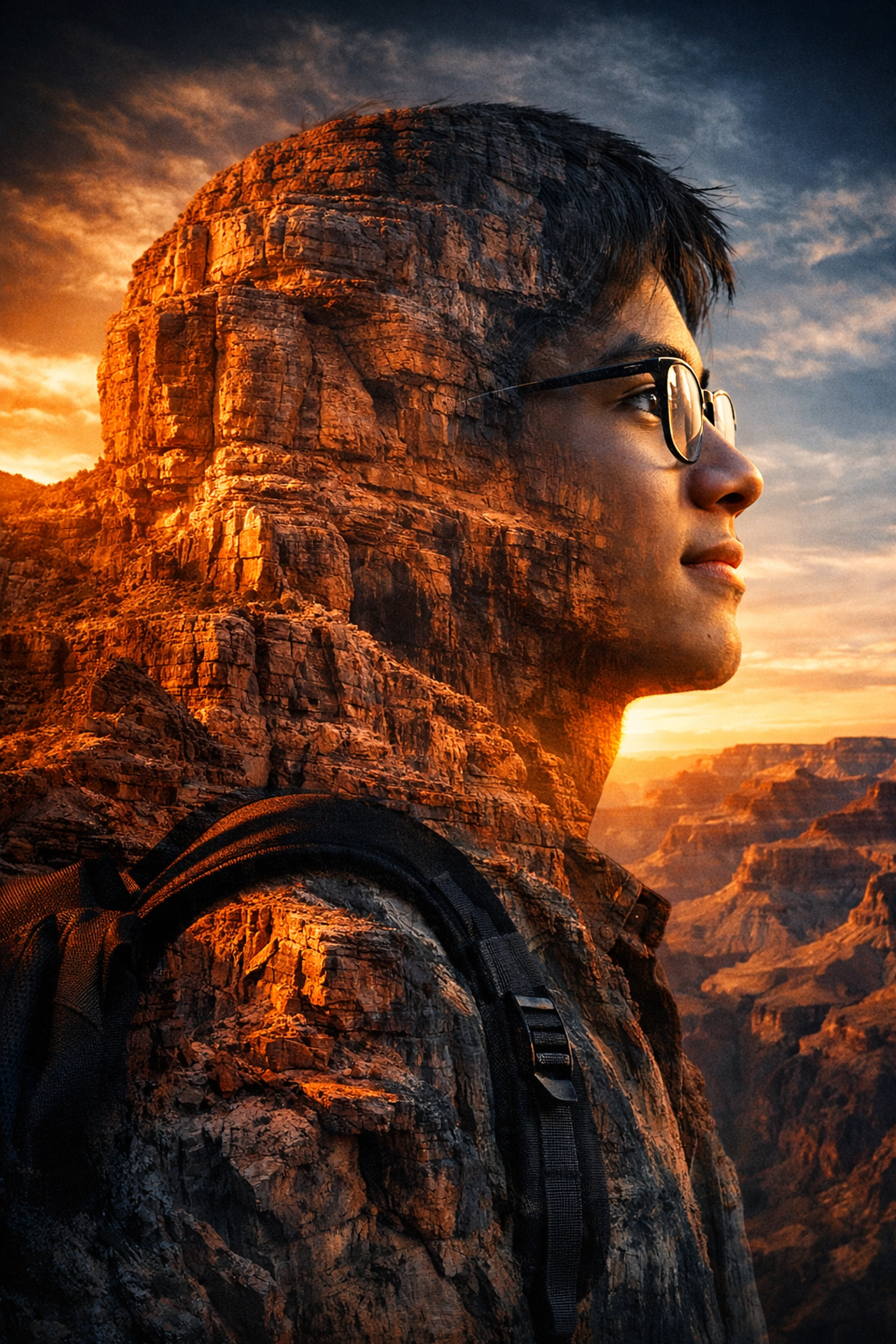
Ensuring the safety of students and the integrity of the communities we visit is our highest priority. Through careful preparation and a dedicated focus on service, we can help the next generation find their "why" in the shadows of the canyon walls.

Comments