


The Middle School Science Trip Dilemma: 7 Mistakes You are Making (and How to Fix Them)

Updated: Nov 6, 2025
Planning a successful middle school science field trip requires meticulous preparation and strategic thinking. Ensuring the safety of students while maximizing educational impact is of paramount importance. Unfortunately, many educators fall into common pitfalls that can transform an enriching learning experience into a missed opportunity or, worse, a management nightmare.
The following seven mistakes represent the most frequent errors encountered in middle school science trip planning. By understanding these pitfalls and implementing the corresponding solutions, you can create meaningful educational experiences that reinforce classroom learning while maintaining the highest standards of student safety and engagement.
Mistake #1: Disconnecting the Trip From Your Curriculum
The Problem: Planning a field trip that lacks meaningful connection to classroom content represents one of the most fundamental errors in educational travel. Teachers often select destinations based on availability, convenience, or budget constraints rather than curricular alignment, resulting in experiences that fail to reinforce academic learning objectives.
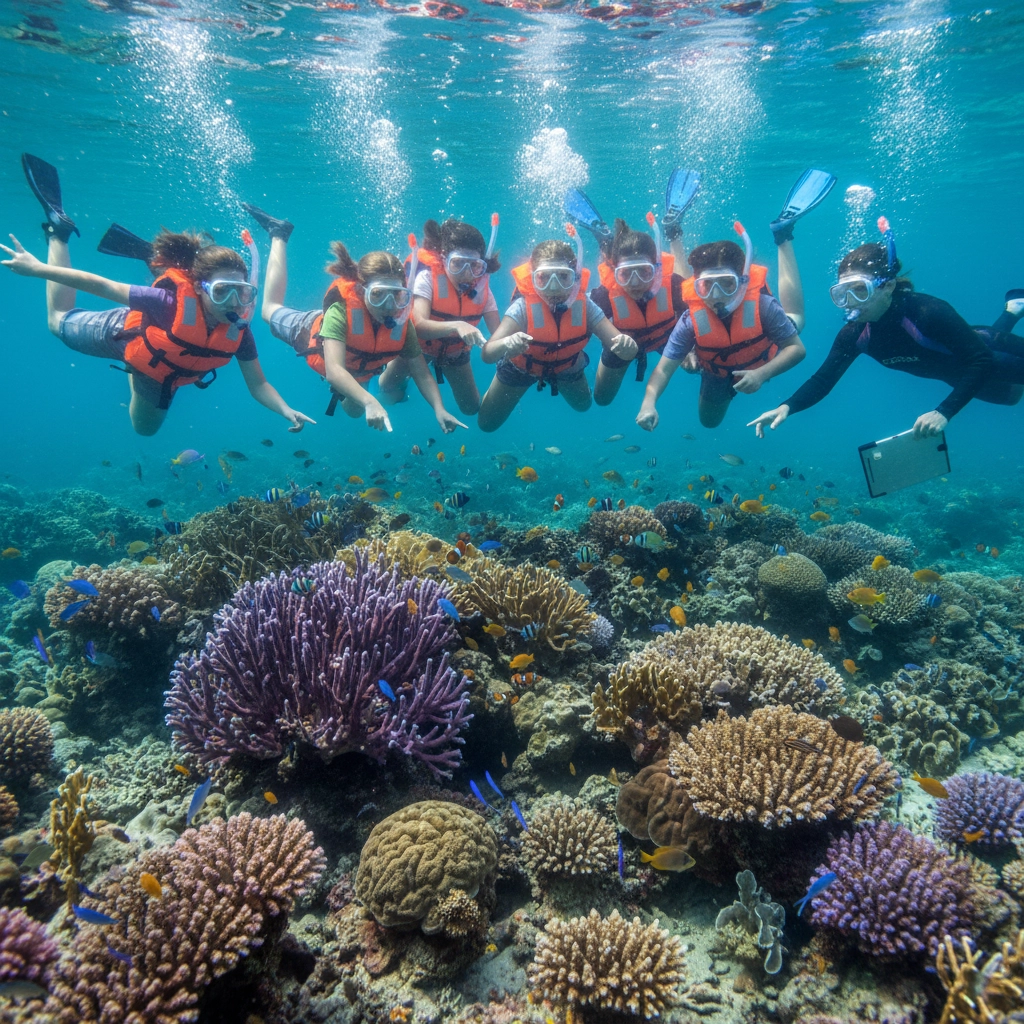
The Solution: Begin by researching destinations that directly connect to your current units of study. Create an itinerary that explicitly ties field observations to classroom concepts. For example, if your students are studying marine ecosystems, consider destinations like the Virgin Islands where students can observe coral reef systems firsthand and engage in conservation research.
Ensure that every activity during the trip serves a specific educational purpose. Document these connections in your trip proposal and share them with administrators, parents, and students. This alignment transforms the experience from a recreational outing into a powerful educational tool that extends classroom learning into real-world applications.
Mistake #2: Ignoring Age-Appropriate Learning Objectives
The Problem: Selecting field trip activities without considering the specific developmental needs, attention spans, and cognitive abilities of middle school students leads to experiences that are either too simplistic or overwhelmingly complex. This mismatch results in disengaged students and frustrated educators.
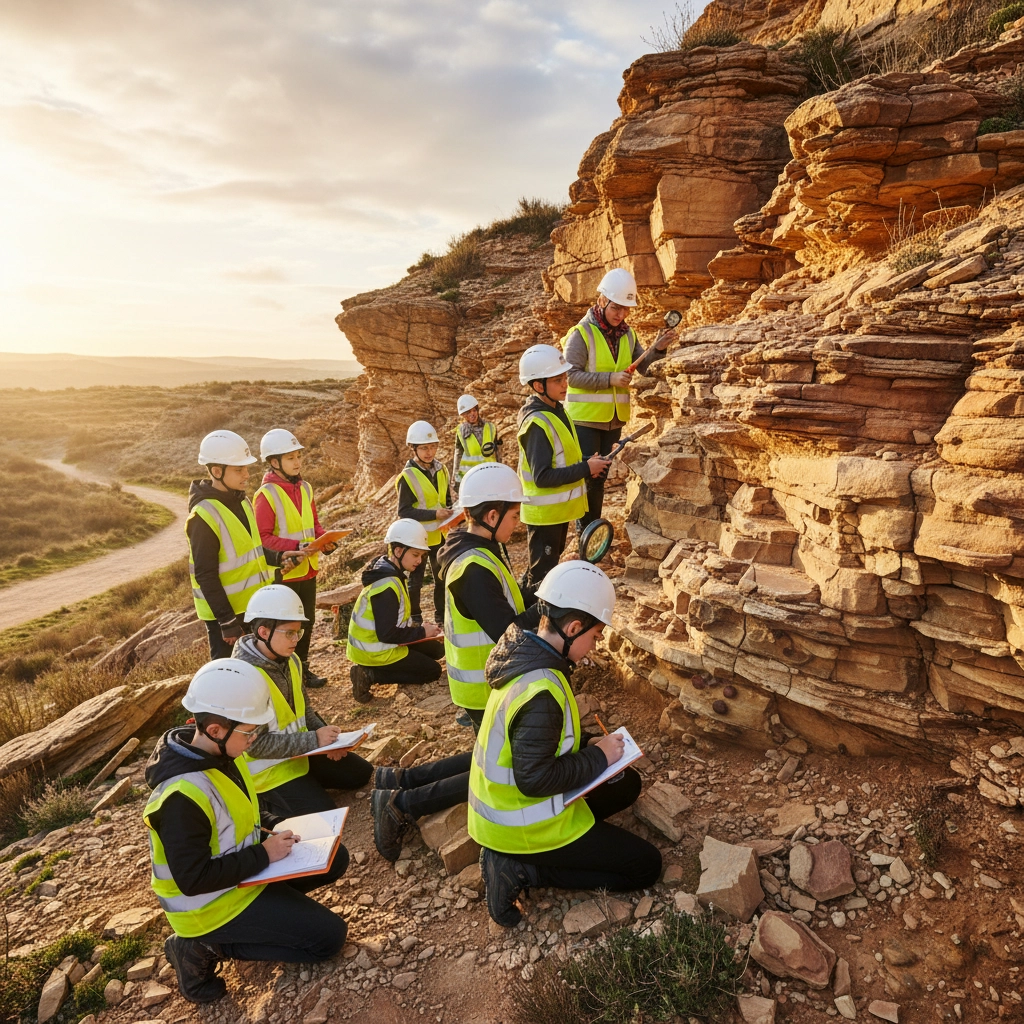
The Solution: Research the venue thoroughly to ensure activities match your students' developmental stage. Middle school learners require hands-on, interactive experiences that challenge them intellectually while accommodating varying attention spans. Consider destinations that offer structured programs designed specifically for this age group.
Communicate with venue coordinators about your students' specific needs and learning objectives. Request modifications to standard programs when necessary to ensure age-appropriate content delivery. Prepare backup activities for students who complete tasks quickly or need additional support to fully engage with the material.
Mistake #3: Inadequate Pre-Trip Preparation and Planning
The Problem: Rushing through the planning process without conducting thorough reconnaissance leads to preventable complications, missed educational opportunities, and potential safety hazards. Insufficient preparation creates stress for educators and diminishes the learning experience for students.
The Solution: Begin planning your science field trip at least three months in advance. Conduct a pre-visit to scout the location personally. During this reconnaissance, identify restroom locations, water fountains, eating areas, emergency exits, and accessibility accommodations for students with mobility challenges.
Create detailed maps highlighting specific observation points that connect to your lesson objectives. Identify potential hazards and develop contingency plans for weather-related changes or unexpected circumstances. Complete all required paperwork well before deadlines and secure necessary parent volunteers and administrative approvals early in the planning process.
Establish clear communication protocols with venue staff and confirm all arrangements one week prior to your departure date. This meticulous preparation ensures smooth execution and maximizes educational impact while maintaining student safety.
Mistake #4: Failing to Prepare Students Before the Experience
The Problem: Sending students to a field trip location without adequate background knowledge preparation means they lack the conceptual framework necessary to understand and appreciate what they observe. Unprepared students miss critical learning opportunities and struggle to make meaningful connections between field observations and classroom content.
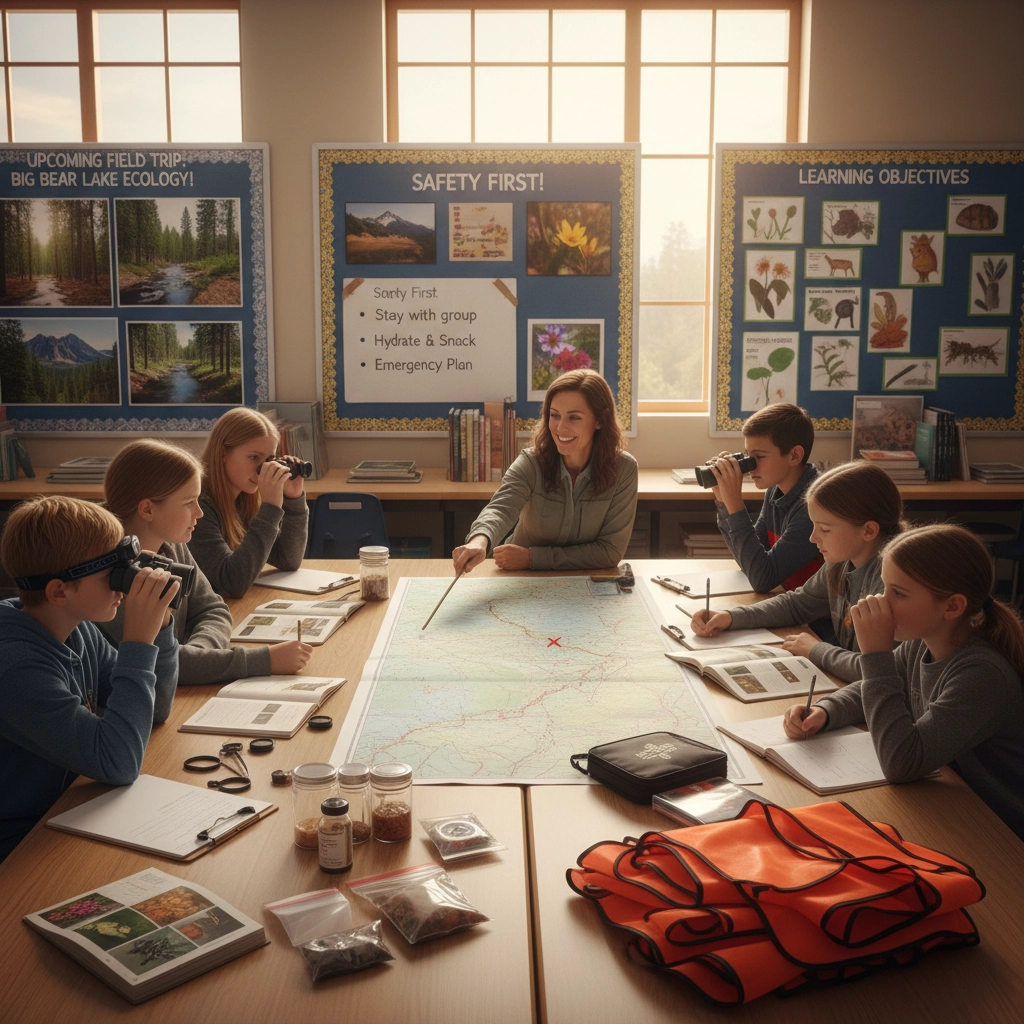
The Solution: Implement comprehensive pre-trip preparation activities beginning two weeks before departure. Share detailed maps of the destination and encourage students to explore the venue's website to familiarize themselves with the location and available programs.
Review relevant scientific concepts, vocabulary, and safety procedures in class. Provide students with specific learning objectives and content questions they should be prepared to answer after the experience. However, avoid distributing worksheets or assessment materials at the beginning of the field trip itself.
Discuss expected behaviors, safety protocols, and emergency procedures thoroughly. Ensure every student understands their responsibilities as scientific observers and ambassadors of your school. This preparation transforms passive tourists into engaged scientific investigators.
Mistake #5: Overwhelming Students with Immediate Assessment Tasks
The Problem: Distributing worksheets, comprehension questions, or assessment materials immediately upon arrival transforms an exploratory learning experience into a checklist exercise. This approach stifles natural curiosity and prevents students from engaging authentically with their environment.
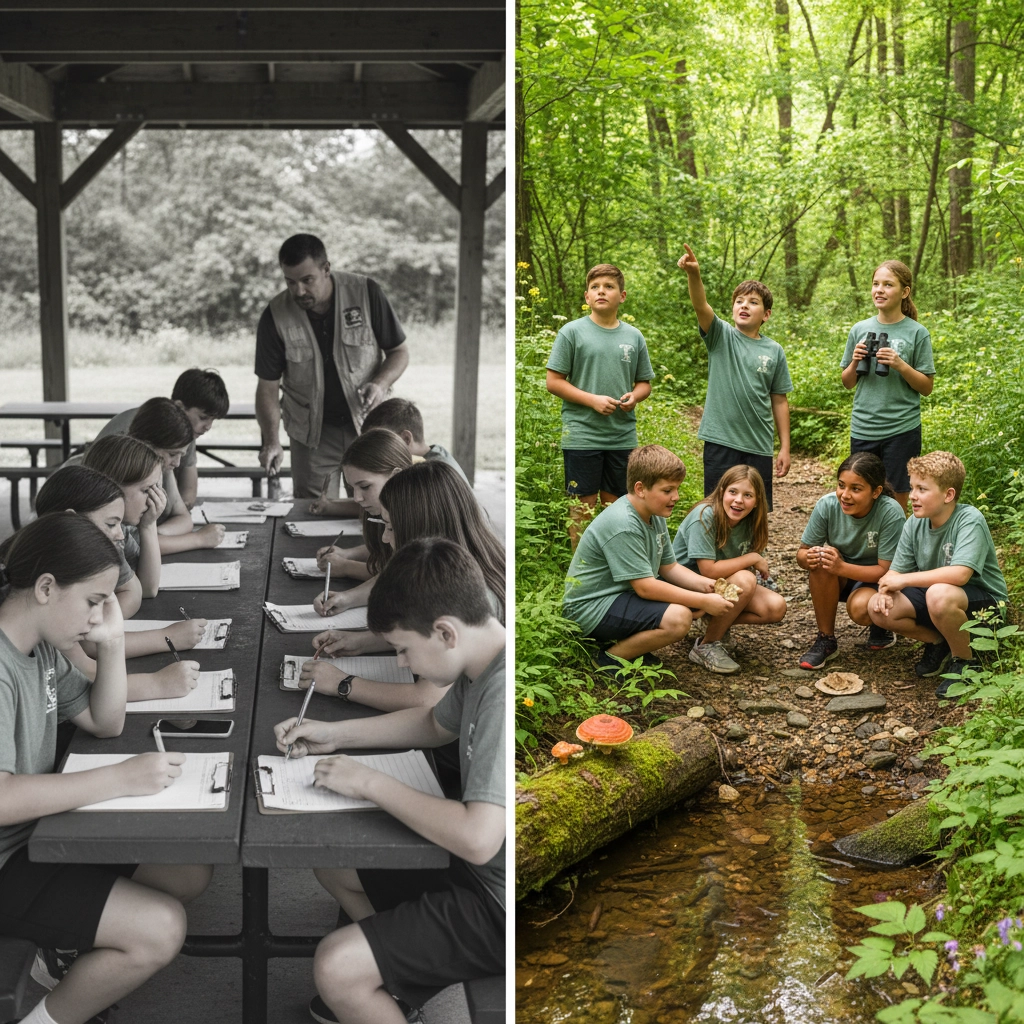
The Solution: Allow students time for unstructured observation and exploration before introducing formal assessment activities. This initial period of discovery encourages genuine scientific inquiry and increases student engagement with the learning environment.
Structure the experience to begin with open-ended exploration, followed by guided observation activities, and conclude with specific assessment tasks. This progression maintains student interest while ensuring educational objectives are met. Use the assessment questions you prepared during pre-trip planning to evaluate learning after students have had adequate time to explore and discover.
Encourage students to ask questions, make predictions, and form hypotheses during their initial observations. This approach transforms them from passive recipients of information into active scientific investigators engaged in authentic inquiry-based learning.
Mistake #6: Neglecting Post-Trip Learning Reinforcement
The Problem: Treating the field trip as an isolated event rather than an integral component of a broader learning sequence means students fail to consolidate their observations and experiences with classroom content. Without proper follow-up, the educational impact of the field experience diminishes rapidly.
The Solution: Plan comprehensive follow-up activities that reinforce and extend field trip learning before you depart for the experience. These activities should help students synthesize their observations with classroom concepts and demonstrate their understanding through various assessment methods.
Immediately following your return, engage students in reflection discussions about their observations and discoveries. Use the content questions you prepared during pre-trip planning to assess learning outcomes and identify areas requiring additional reinforcement.
Create opportunities for students to share their experiences with other classes, parents, or community members. Consider organizing presentations, creating displays, or developing multimedia projects that showcase student learning. These activities reinforce the educational value of the experience while building communication skills and scientific confidence.
Maintain connections to the field trip throughout subsequent classroom lessons by referencing specific observations and experiences when introducing related concepts. This ongoing integration helps students recognize the relevance of field experiences to their broader scientific education.
Mistake #7: Lacking Management Strategies for Diverse Learning Paces
The Problem: Failing to plan for students who complete activities at different rates creates classroom management challenges and behavior problems during field trips. Fast finishers become restless and disruptive, while students requiring additional time feel rushed and frustrated.
The Solution: Develop comprehensive management strategies that accommodate diverse learning paces and individual student needs. Prepare extension activities and enrichment opportunities for students who complete tasks quickly, ensuring these additional challenges deepen rather than distract from primary learning objectives.
Create differentiated activity options that allow students to engage with content at appropriate challenge levels. Consider implementing buddy systems that pair students with complementary strengths and learning preferences. This approach provides peer support while maintaining engagement for all participants.
Establish clear expectations for behavior and movement throughout the field trip location. Designate specific gathering points and implement consistent signals for group management. Train parent volunteers and chaperones in your management strategies to ensure consistent implementation throughout the experience.
Prepare alternative activities for unexpected delays, weather changes, or scheduling modifications. This flexibility ensures that learning continues regardless of circumstances while maintaining student engagement and safety.
Creating Meaningful Science Experiences
Successful middle school science field trips require careful attention to educational alignment, developmental appropriateness, thorough preparation, and strategic management. By avoiding these seven common mistakes and implementing the corresponding solutions, you create powerful learning experiences that extend classroom concepts into real-world applications.
Remember that effective field trip planning prioritizes student safety, maximizes educational impact, and creates lasting connections between classroom learning and scientific observation. Whether exploring geological formations, studying marine ecosystems, or investigating renewable energy systems, the key to success lies in meticulous preparation, clear educational objectives, and comprehensive follow-up activities.
The investment in proper planning and execution transforms routine field trips into transformative educational experiences that inspire scientific curiosity, reinforce academic concepts, and create lasting memories that motivate continued learning. Your students deserve nothing less than expertly planned expeditions that honor their intellectual capabilities while ensuring their safety and engagement throughout the experience.

Comments