


The Ultimate Guide to Emerald Coast Sea Turtle Expeditions: Everything Your Student Group Needs to Succeed

Planning a successful sea turtle expedition along Florida's Emerald Coast requires meticulous preparation, comprehensive risk assessment, and strategic educational planning. Ensuring the safety of students while maximizing learning opportunities involves careful coordination of multiple factors that extend far beyond simple trip logistics.
Understanding the Emerald Coast Marine Environment
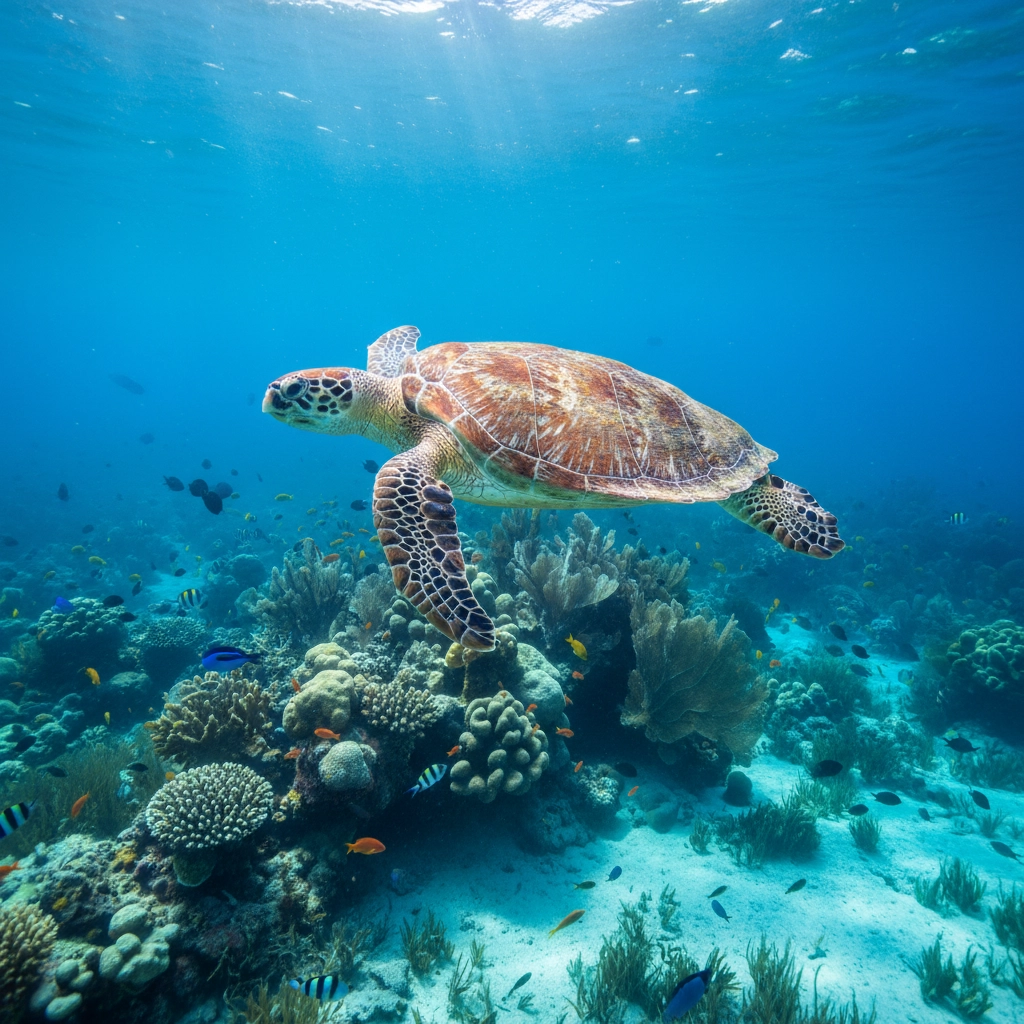
The Emerald Coast provides exceptional opportunities for marine science education, particularly regarding sea turtle conservation and coastal ecosystem studies. Begin by researching the specific environmental conditions, seasonal patterns, and conservation initiatives active in your target region.
Familiarize yourself with local organizations such as Emerald Forgotten Coast Adventures, which offers hands-on marine ecosystem exploration including snorkeling, kayaking, and biodiversity studies specifically designed for student groups. Their programs accommodate both middle school (6-8th grade) and high school (9-11th grade) students with age-appropriate learning components.
Essential Pre-Trip Planning Requirements
1. Establish Clear Learning Objectives
Define specific, measurable learning outcomes before finalizing any expedition details. Focus on concrete educational goals such as:
Understanding sea turtle lifecycle and reproductive behaviors
Identifying coastal ecosystem interdependencies
Analyzing human impact on marine conservation efforts
Developing field research and data collection skills
Practicing environmental stewardship principles
2. Conduct Comprehensive Risk Assessment
Evaluate all potential safety concerns associated with coastal and marine activities. Create detailed safety protocols addressing:
Water safety procedures and swimming ability requirements
Sun exposure protection and hydration schedules
Wildlife encounter protocols and safe observation distances
Emergency evacuation procedures from beach and water locations
Communication systems for maintaining student supervision
Weather contingency plans and alternative indoor activities
3. Secure Appropriate Permits and Insurance
Ensure all necessary documentation is completed well in advance of your departure date. Verify that your educational institution's insurance coverage extends to marine activities and coastal excursions. Research any special permits required for group access to protected areas or research sites.
Selecting Educational Partners and Programs
Regional Program Options
Gulfarium Marine Adventure Park offers structured educational programs including the "Turtle Island Getaway" specifically designed for grades 6-8. This program teaches students about endangered Gulf Coast sea turtles, their anatomy, feeding behaviors, and conservation efforts through interactive mock stranding activities. Programs accommodate up to 30 students and operate November through February, providing optimal conditions for learning.
Navarre Beach Sea Turtle Conservation Center provides 1 to 1.5-hour field trips featuring private tours, animal encounters, education center visits, and optional pier walks. Costs range from $9-10 per person, making this an accessible option for most school budgets.
Evaluating Program Quality
When selecting educational partners, prioritize organizations that demonstrate:
Certified marine biology educators and trained naturalist guides
Established safety protocols for student group management
Age-appropriate curriculum aligned with educational standards
Hands-on learning components that engage multiple learning styles
Clear communication regarding program expectations and limitations
Maximizing Student Learning Outcomes
Pre-Expedition Preparation
Prepare students thoroughly before departure to maximize their field experience engagement. Implement comprehensive pre-trip education including:
Marine biology vocabulary development and species identification training
Sea turtle conservation history and current research methodologies
Coastal ecosystem principles and food web relationships
Data collection techniques and scientific observation skills
Environmental ethics and Leave No Trace principles
Field Experience Structure
Design your expedition schedule to balance structured learning with authentic discovery opportunities. Incorporate diverse learning modalities such as:
Guided naturalist tours focusing on habitat identification
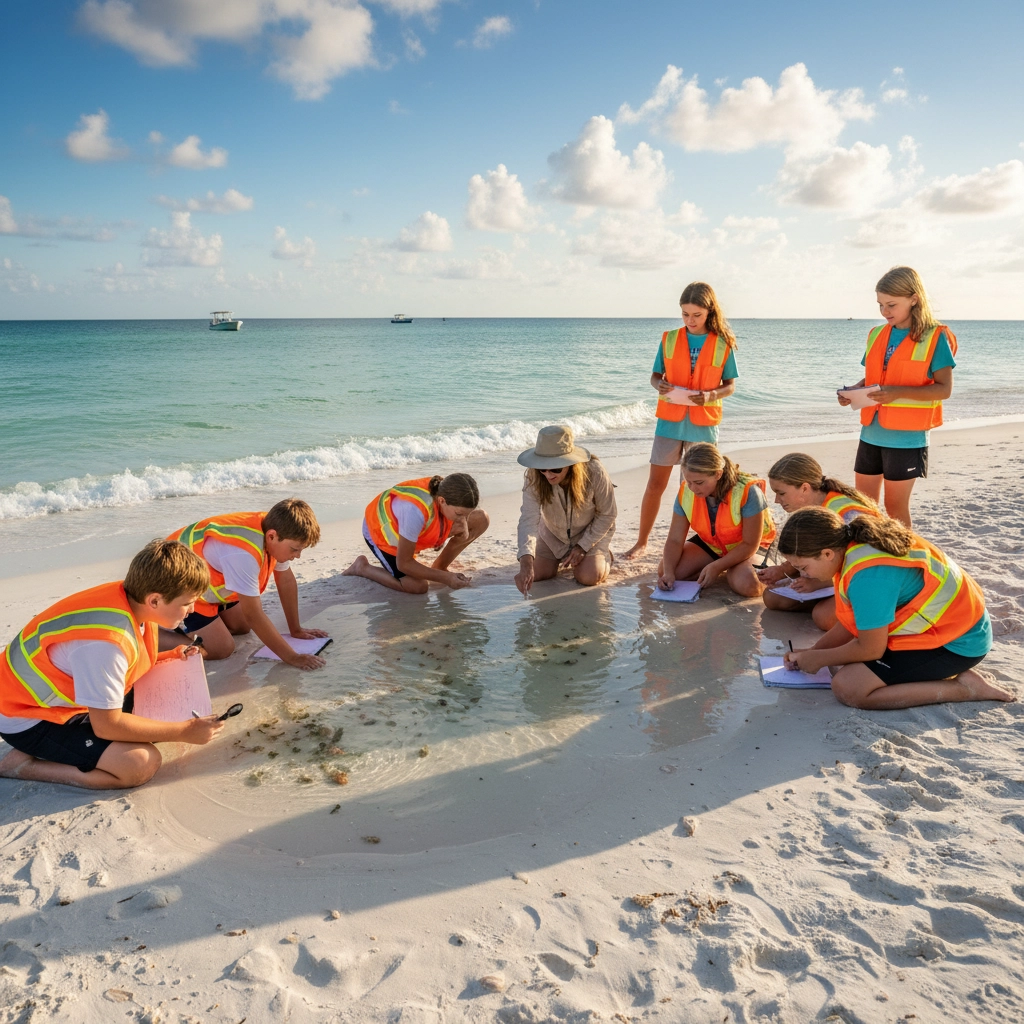
Hands-on research activities including water quality testing
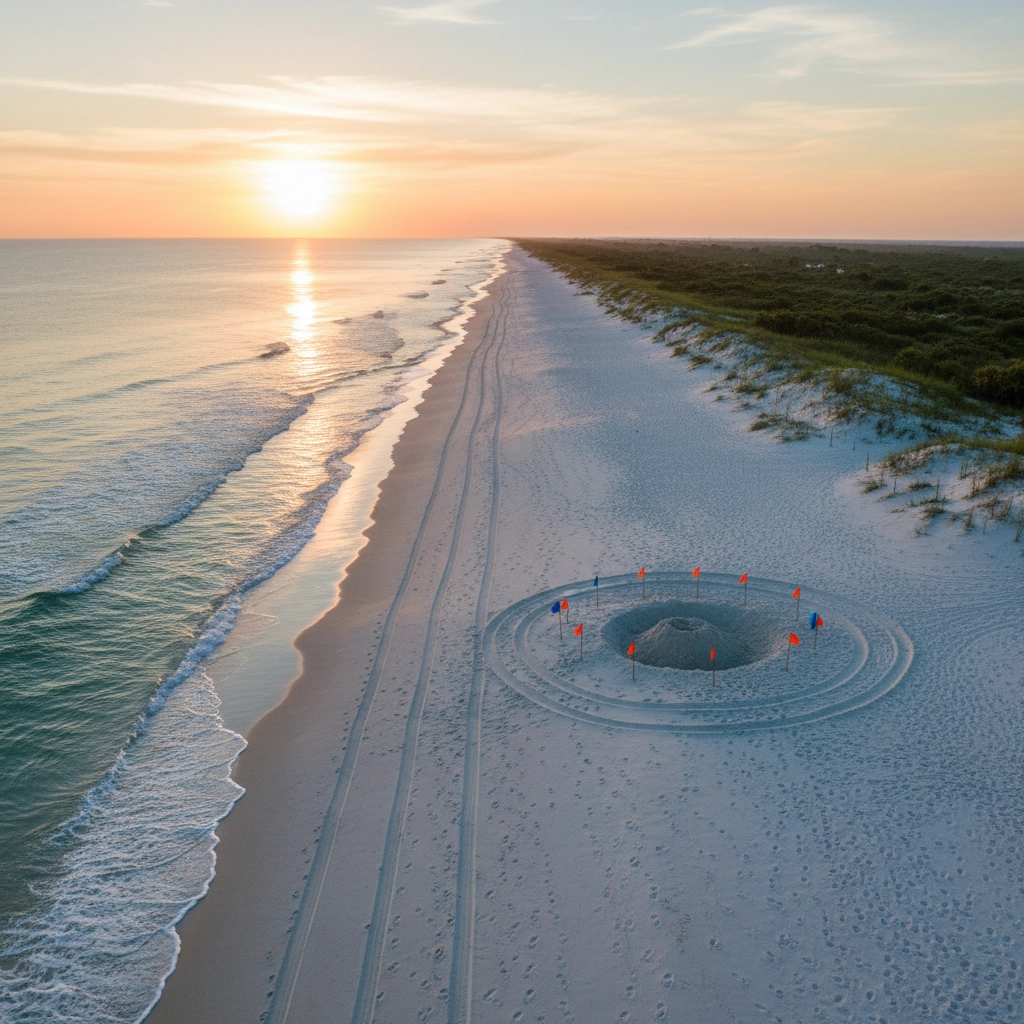
Beach monitoring and nesting site assessment protocols
Data recording and analysis using scientific methodologies
Reflection sessions connecting field observations to classroom learning
Logistical Considerations for Success
Group Size and Supervision Requirements
Maintain appropriate student-to-adult ratios for all marine activities. Recommend maximum group sizes of 15-20 students per certified guide, with additional chaperones for comprehensive supervision. Ensure all adult supervisors understand emergency procedures and communication protocols.
Equipment and Supply Management
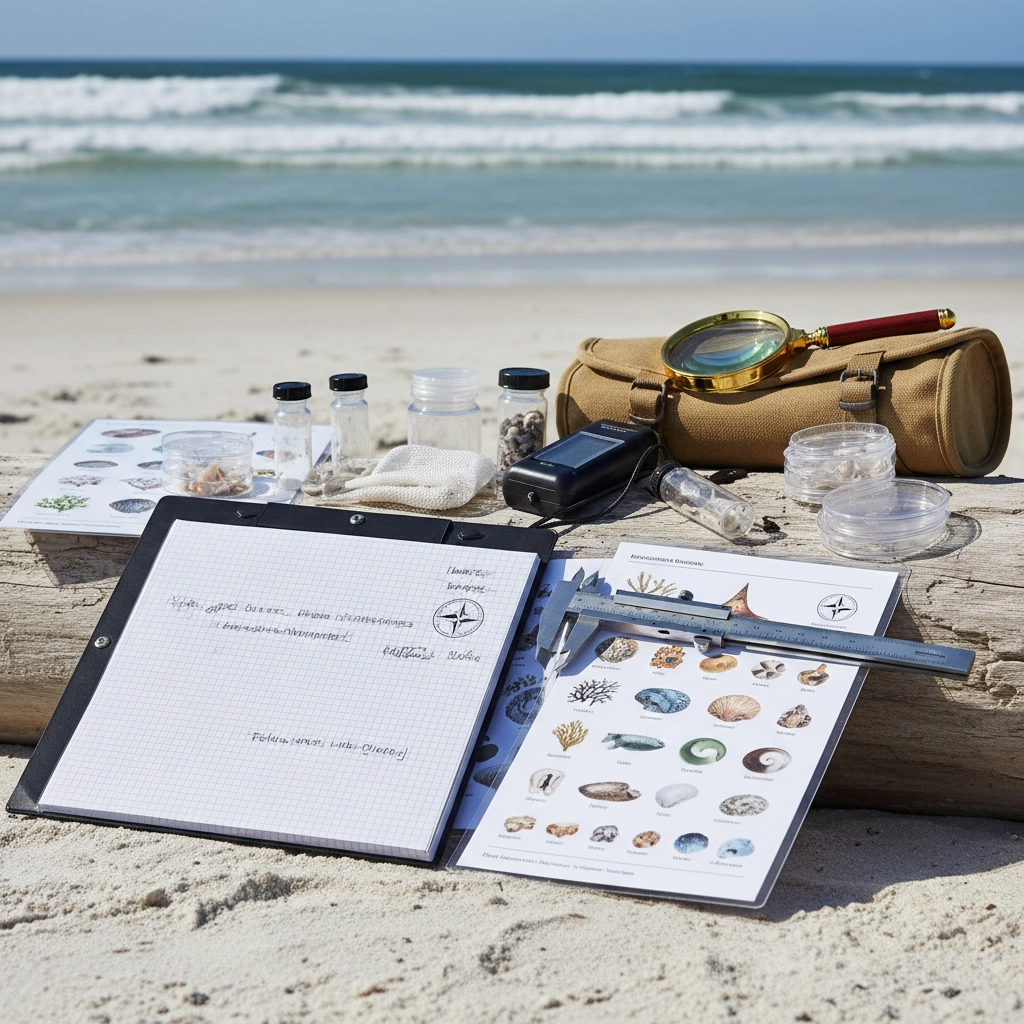
Create comprehensive equipment checklists addressing both educational and safety requirements:
Educational Materials:
Waterproof field notebooks and pencils
Species identification guides and measurement tools
Digital cameras for documentation (with appropriate protective cases)
Sample collection containers and labeling materials
Magnifying glasses and basic field research equipment
Safety Equipment:
First aid supplies appropriate for coastal environments
Sun protection including hats, sunscreen, and protective clothing
Emergency communication devices and backup power sources
Hydration supplies and electrolyte replacement options
Emergency shelter and weather protection materials
Transportation and Accommodation Planning
Coordinate transportation logistics with particular attention to equipment transport and accessibility requirements. Research accommodation options that provide appropriate facilities for equipment storage, meal preparation, and evening program activities.
Assessment and Documentation Strategies
Student Portfolio Development
Encourage students to maintain comprehensive expedition portfolios documenting their learning progression and field observations. Structure portfolio requirements to include:
Daily reflection journals with scientific observations
Photographic documentation of species and habitats encountered
Data collection sheets and analysis summaries
Conservation action plans based on field experience insights
Peer collaboration documentation and team project contributions
Program Evaluation and Improvement
Implement systematic evaluation procedures to assess program effectiveness and identify improvement opportunities. Collect feedback from students, chaperones, and educational partners to refine future expedition planning.
Appleseed Expeditions: Your Educational Travel Partner
Appleseed Expeditions specializes in creating transformative educational experiences that combine rigorous academic content with hands-on field research opportunities. Our comprehensive approach to educational travel ensures that every aspect of your sea turtle expedition supports your learning objectives while maintaining the highest safety standards.
Our experienced team manages all logistical details, from permit acquisition to equipment coordination, allowing educators to focus entirely on student engagement and learning facilitation. We work directly with certified marine biology educators and established conservation organizations to provide authentic research experiences that connect students with real-world scientific work.
Safety Protocols and Emergency Preparedness
Weather Monitoring and Response Procedures
Establish clear procedures for monitoring weather conditions and implementing appropriate response protocols. Create contingency plans for various scenarios including thunderstorms, high winds, and extreme heat conditions. Ensure all participants understand evacuation procedures and emergency shelter locations.
Medical Considerations and Emergency Response
Maintain current medical information for all participants and establish clear communication protocols with parents and emergency contacts. Identify local medical facilities and emergency services, ensuring rapid access if needed. Train all adult supervisors in basic first aid procedures specific to coastal and marine environments.
Post-Expedition Follow-Up and Extension Activities
Classroom Integration Strategies
Design follow-up activities that extend learning beyond the expedition experience. Connect field observations to ongoing classroom curriculum through research projects, presentation opportunities, and community engagement initiatives.
Conservation Action Projects
Encourage students to translate their expedition experiences into meaningful conservation action within their local communities. Support student-led initiatives such as beach cleanup organizations, awareness campaigns, and fundraising efforts for sea turtle conservation programs.
Planning a successful Emerald Coast sea turtle expedition requires comprehensive preparation, strategic educational planning, and unwavering commitment to student safety and learning outcomes. By implementing systematic planning procedures, selecting appropriate educational partners, and maintaining focus on clear learning objectives, you create transformative experiences that inspire lifelong environmental stewardship and scientific curiosity.
Ready to provide your students with an unforgettable sea turtle conservation experience? Contact Appleseed Expeditions today to begin planning your customized Emerald Coast marine science expedition.

Comments