


The Ultimate Guide to Marine Biology Fieldwork in Belize for School Groups

Planning a marine biology fieldwork experience in Belize represents one of the most impactful educational opportunities available to your students. The Mesoamerican Barrier Reef System, stretching along Belize's coastline as the second-largest reef system globally, provides an unparalleled living laboratory where students engage in authentic scientific research while developing critical thinking skills and environmental stewardship.
Why Belize Excels as a Marine Biology Classroom
Belize offers three distinct marine ecosystems within accessible proximity, creating comprehensive learning opportunities that align directly with national science standards. The coral reef system serves as the primary research site, where students conduct species identification, monitor coral health, and document biodiversity patterns. Seagrass meadows function as critical nursery habitats, allowing students to observe juvenile marine life and understand ecological succession. Mangrove forests provide opportunities to study coastal protection systems and participate in active conservation work.
The country's commitment to marine conservation enhances educational value significantly. Establish clear learning objectives before departure by reviewing Belize's marine protected area network, which encompasses approximately 40% of territorial waters. This conservation framework provides students with real-world context for understanding policy implementation and scientific research applications.
Curriculum Connections and Academic Standards Alignment
Design your fieldwork experience to address multiple academic standards simultaneously. Marine biology fieldwork in Belize directly supports Next Generation Science Standards (NGSS) across multiple grade levels, particularly in ecology, biodiversity, and environmental science domains.
Life Science Standards: Students observe ecosystem interactions, predator-prey relationships, and adaptation mechanisms through direct field observation. Document species diversity using standardized scientific sampling methods, enabling students to understand population dynamics and community structure.
Earth Science Integration: Incorporate geological studies of reef formation, ocean chemistry analysis, and climate change impacts on marine ecosystems. Students examine coral bleaching events, ocean acidification effects, and sea level rise implications through hands-on data collection.
Environmental Science Applications: Engage students in conservation project participation, sustainable tourism impact assessment, and marine protected area effectiveness evaluation. These activities develop critical thinking skills while addressing real environmental challenges.
Create pre-trip curriculum modules covering marine ecosystem fundamentals, research methodology instruction, and data collection protocol training. Establish post-trip reflection assignments requiring students to analyze collected data, compare findings to published research, and propose conservation recommendations.
Essential Field Activities and Learning Experiences
Structure your itinerary around authentic research experiences that build scientific skills progressively. Begin with orientation sessions conducted by marine biologists who explain local ecosystem characteristics, research protocols, and safety procedures.
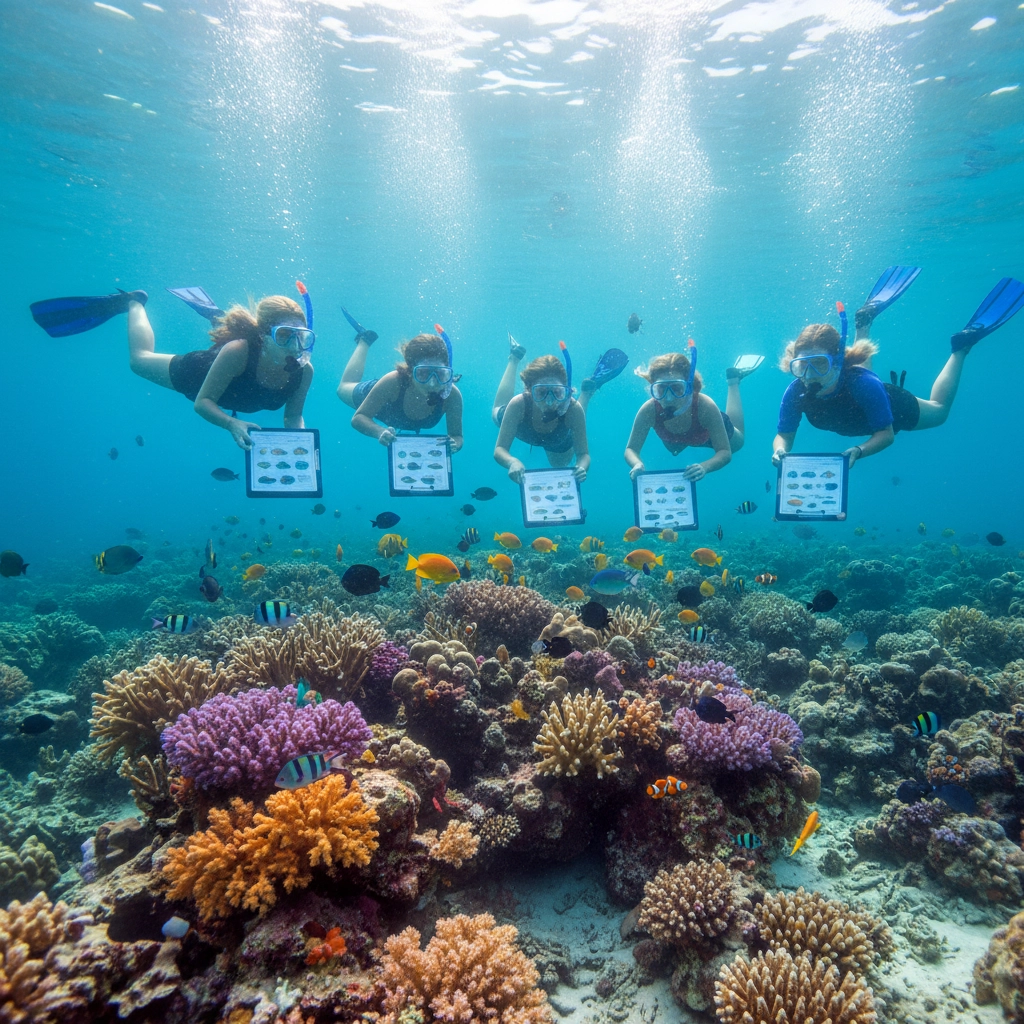
Snorkeling Research Expeditions: Conduct systematic reef surveys using standardized transect methods. Students record species observations, estimate coral coverage percentages, and document environmental conditions. Provide underwater writing materials and species identification guides to ensure accurate data collection.
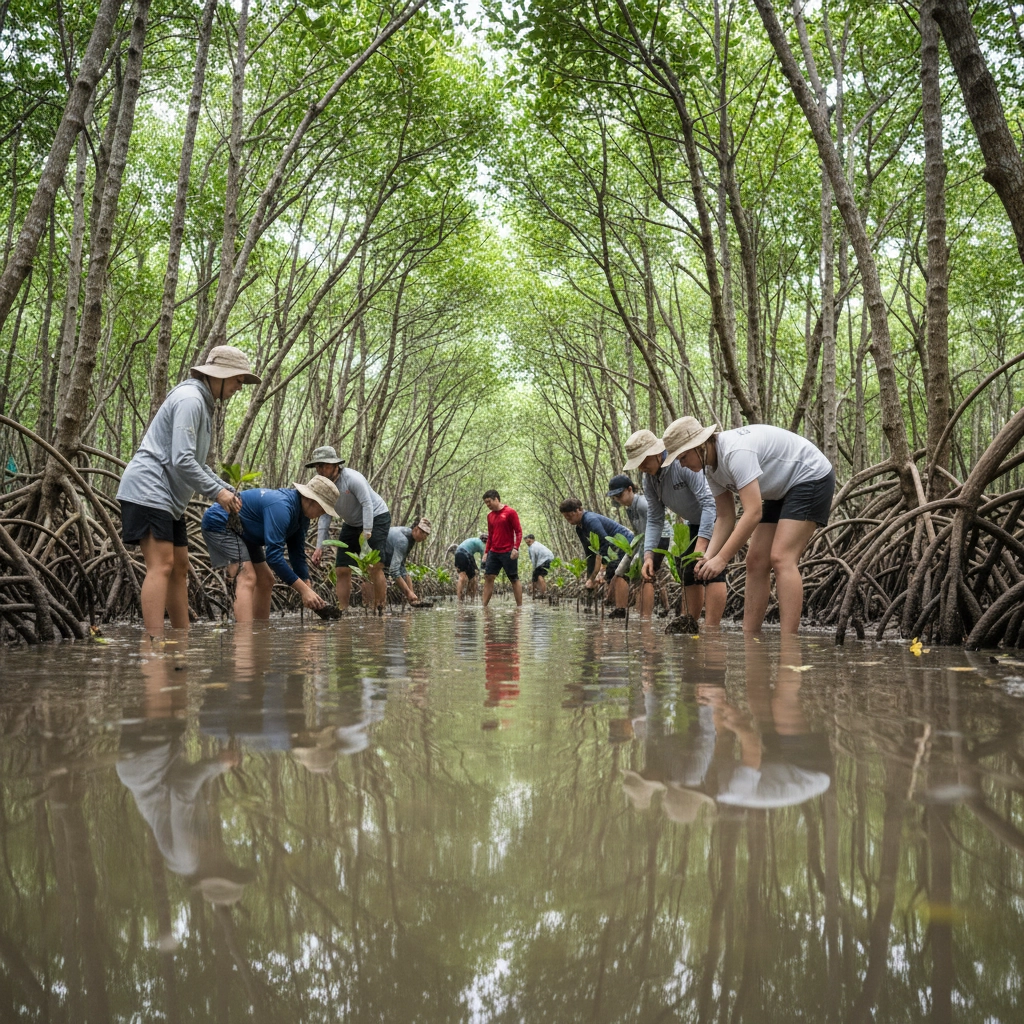
Mangrove Ecosystem Studies: Examine root system architecture, measure water quality parameters, and identify invertebrate species inhabiting mangrove environments. Students participate in restoration activities by planting mangrove saplings and monitoring existing restoration site progress.
Seagrass Meadow Analysis: Implement quadrat sampling techniques to assess seagrass density and species composition. Students observe grazing patterns, identify associated fauna, and understand the ecological importance of these often-overlooked habitats.
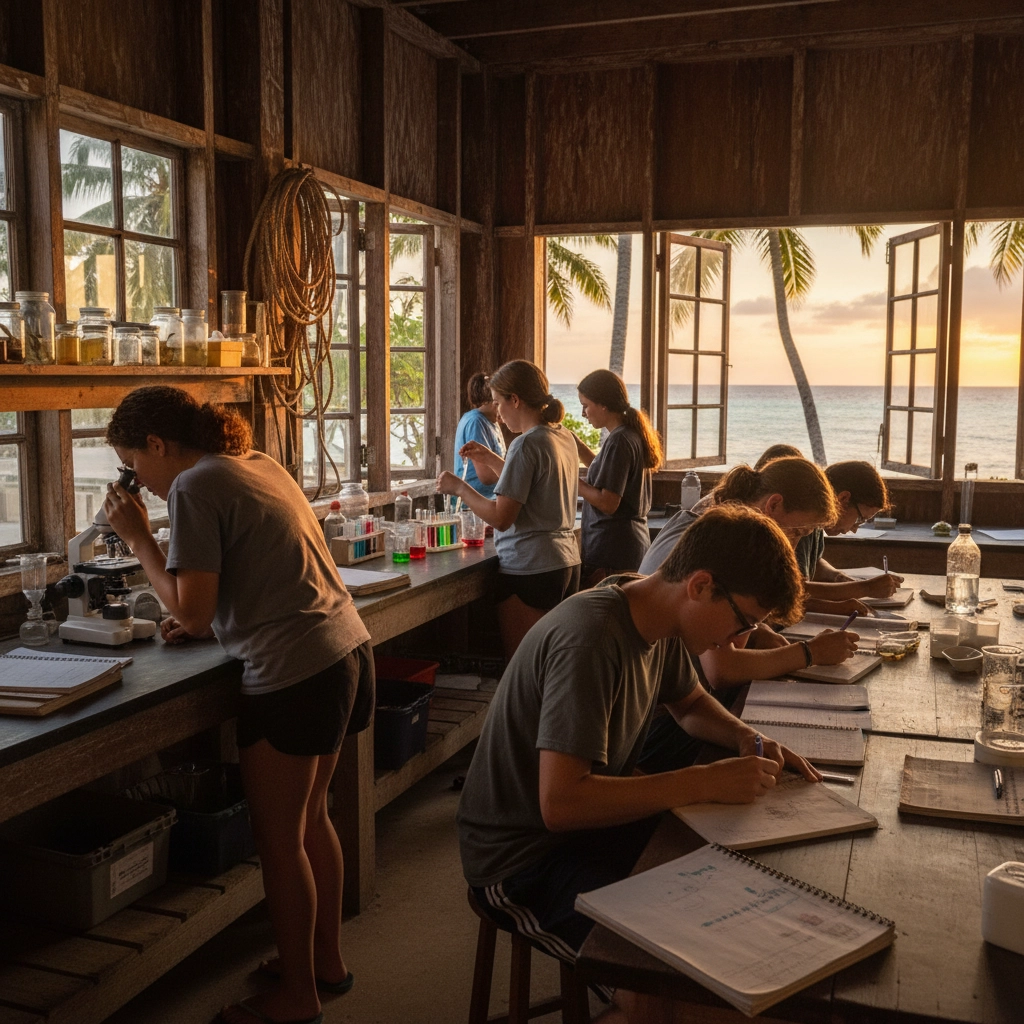
Laboratory Analysis Sessions: Process collected samples using microscopic examination, water quality testing equipment, and digital photography for species documentation. Students learn proper specimen handling, data recording protocols, and research presentation methods.
Community Conservation Projects: Collaborate with local conservation organizations on beach cleanup initiatives, coral restoration activities, and environmental education program development. These experiences demonstrate practical conservation applications while fostering cultural exchange.
Practical Planning Considerations for Educators
Ensure comprehensive preparation by addressing logistical, educational, and safety requirements well in advance of departure. Begin planning twelve months before your intended travel date to secure optimal accommodations and research permits.
Group Size and Supervision Requirements: Maintain student-to-chaperone ratios of 8:1 for water-based activities and 10:1 for land-based excursions. Recruit chaperones with relevant experience in outdoor education, first aid certification, or marine science backgrounds when possible.
Medical and Safety Preparations: Require comprehensive medical examinations, swimming proficiency verification, and emergency contact documentation for all participants. Establish clear protocols for medical emergencies, severe weather events, and student behavioral management.
Equipment and Materials: Coordinate with your travel provider regarding equipment provision versus personal item requirements. Essential items include snorkeling gear, underwater writing materials, field notebooks, collection containers, and personal protective equipment.
Documentation and Research Permits: Obtain necessary research permits through Belizean authorities well in advance. Prepare data collection sheets, species identification guides, and digital documentation tools for student use.
Accommodation and Research Station Selection
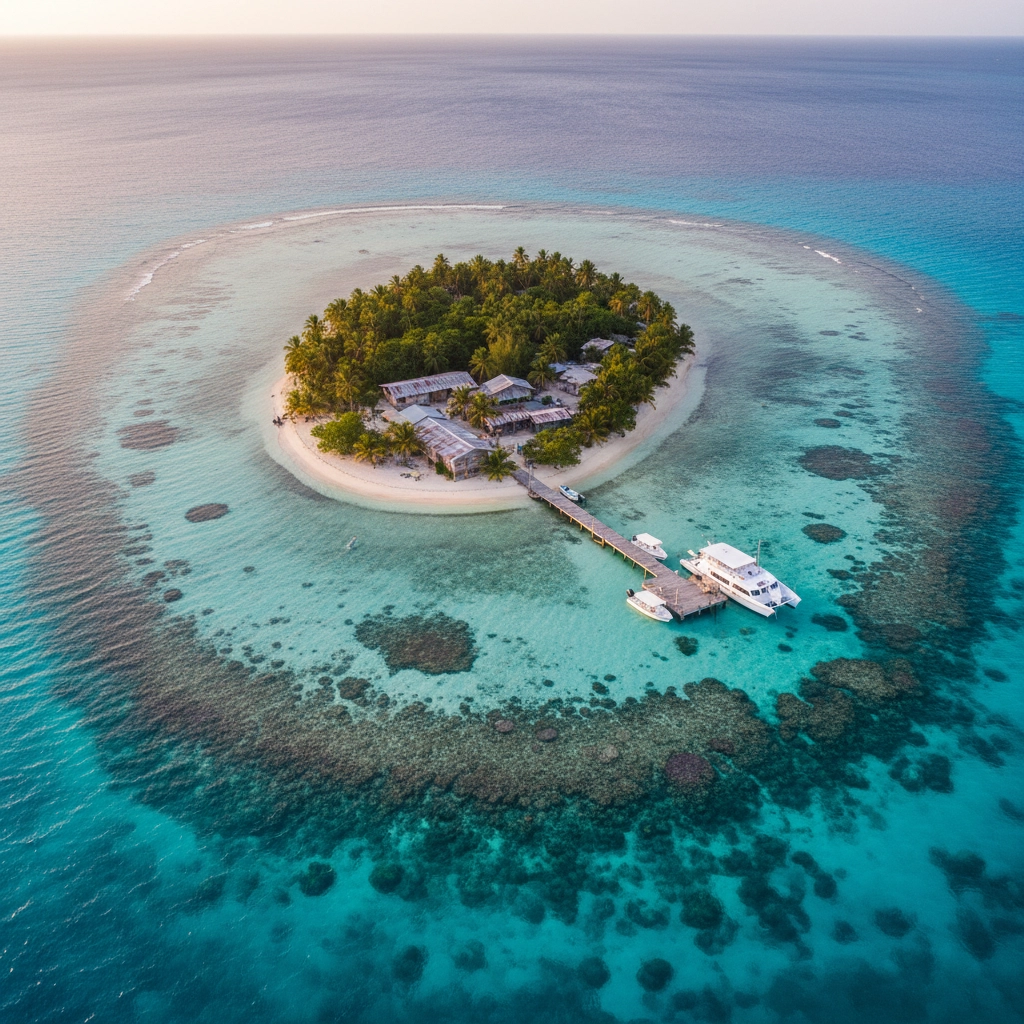
Choose accommodations that maximize educational value while ensuring student safety and comfort. Remote research stations provide direct access to study sites, eliminating transportation delays and extending research time availability.
Research stations typically offer dormitory-style accommodations with basic amenities, communal dining facilities, and laboratory spaces equipped with essential research equipment. These facilities often provide specialized staff including resident marine biologists, boat operators, and safety personnel trained in marine emergency response.
Consider accessibility requirements, communication capabilities, and emergency evacuation procedures when evaluating accommodation options. Ensure selected facilities maintain appropriate safety certifications and insurance coverage for educational group activities.
Maximizing Educational Impact Through Pre and Post-Trip Activities
Develop comprehensive preparation modules covering marine ecosystem fundamentals, research methodology instruction, and cultural awareness training. Students should understand basic marine biology principles, research ethics, and environmental conservation concepts before departure.
Pre-Trip Preparation Requirements:
Complete online marine ecology course modules
Practice species identification using field guides and digital resources
Learn basic snorkeling skills and water safety protocols
Study Belizean cultural history and conservation efforts
Develop individual research questions and hypotheses
Post-Trip Educational Extensions:
Analyze collected data using statistical software and graphing tools
Create research presentations for school and community audiences
Develop conservation action plans for local implementation
Maintain correspondence with Belizean conservation organizations
Pursue advanced coursework in marine science or environmental studies
Safety Protocols and Risk Management
Implement comprehensive safety protocols addressing marine environment hazards, medical emergencies, and student supervision requirements. Develop detailed emergency action plans covering various scenarios including severe weather, medical incidents, and equipment failures.
Ensure all participants demonstrate swimming proficiency and complete water safety orientations before engaging in marine activities. Maintain constant supervision during water-based activities using designated safety personnel and established buddy system protocols.
Provide comprehensive briefings covering marine life safety, including proper procedures for encounters with potentially dangerous species. Establish clear boundaries for independent exploration and maintain communication protocols for group activities.
Working with Appleseed Expeditions
Appleseed Expeditions specializes in creating transformative marine biology experiences that exceed traditional educational travel limitations. Our comprehensive support includes curriculum development assistance, safety protocol implementation, and expert guide coordination to ensure your students receive maximum educational value from their Belize experience.
Our experienced team manages all logistical arrangements while maintaining focus on educational objectives and safety requirements. We provide ongoing support throughout the planning process, from initial concept development through post-trip educational extension activities.
Contact Appleseed Expeditions to begin planning your marine biology fieldwork experience in Belize. Our commitment to educational excellence and safety ensures your students will return with enhanced scientific understanding, increased environmental awareness, and lasting memories of their authentic research experience in one of the world's most remarkable marine ecosystems.
Through careful planning, comprehensive preparation, and expert support, your marine biology fieldwork experience in Belize will provide students with unparalleled opportunities to engage in authentic scientific research while developing critical thinking skills and environmental stewardship that will benefit them throughout their academic and professional careers.

Comments