


The Ultimate Guide to Peru Science & Spanish Immersion: Everything High Schools Need to Plan Student Expeditions That Actually Work
- Caleb Mullenix
- Jan 6
- 5 min read

Updated: Jan 19
Planning educational science trips to Peru for students requires meticulous preparation and a clear understanding of how to integrate both scientific learning and Spanish language immersion effectively. Peru offers unparalleled opportunities for high school educators to combine rigorous academic content with transformative cultural experiences, but success depends on thorough planning and strategic program selection.
Why Peru Represents the Gold Standard for Combined Science and Language Education
Peru's unique geographical diversity creates an ideal laboratory for student learning across multiple disciplines. The country encompasses the Amazon rainforest, the Andes Mountains, coastal deserts, and ancient archaeological sites: providing authentic contexts for studying biology, geology, astronomy, anthropology, and environmental science while simultaneously immersing students in Spanish-speaking communities.
Language immersion programs in Peru for high school students benefit from the country's cultural richness and the patience of local communities who welcome international learners. Unlike classroom Spanish instruction, Peru offers daily opportunities for students to practice conversational skills in markets, homestays, and collaborative research projects with local scientists and community members.
Essential Planning Framework for Peru Educational Expeditions
1. Establish Clear Academic Objectives
Begin by defining specific learning outcomes that integrate both scientific inquiry and language acquisition. Successful student travel packages for science exploration in Peru should address:
Science Standards Alignment: Connect field experiences to your curriculum requirements in earth science, biology, chemistry, or environmental studies
Language Proficiency Goals: Establish measurable Spanish communication objectives, from basic survival phrases to technical vocabulary
Cultural Competency Targets: Define expectations for cross-cultural understanding and respect
2. Select Appropriate Program Duration and Structure
Consider your students' academic calendar, language preparation level, and budget constraints when choosing program length:
Short-term Intensive Programs (7-14 days): Ideal for introducing students to scientific fieldwork and basic Spanish immersion
Extended Immersion Experiences (3-4 weeks): Allow deeper language development and more comprehensive scientific research projects
Semester Programs: Provide transformative experiences but require extensive preparation and coordination
3. Prioritize Safety and Risk Management
Ensuring student safety during Peru educational tours focusing on science and language requires comprehensive planning:
Medical Preparedness: Coordinate with school health services to address altitude considerations, required vaccinations, and emergency medical protocols
Communication Systems: Establish reliable methods for maintaining contact with families and school administration
Local Emergency Contacts: Develop relationships with reputable in-country partners who understand both educational objectives and safety requirements
Science Learning Opportunities Across Peru's Diverse Ecosystems
Amazon Rainforest Research
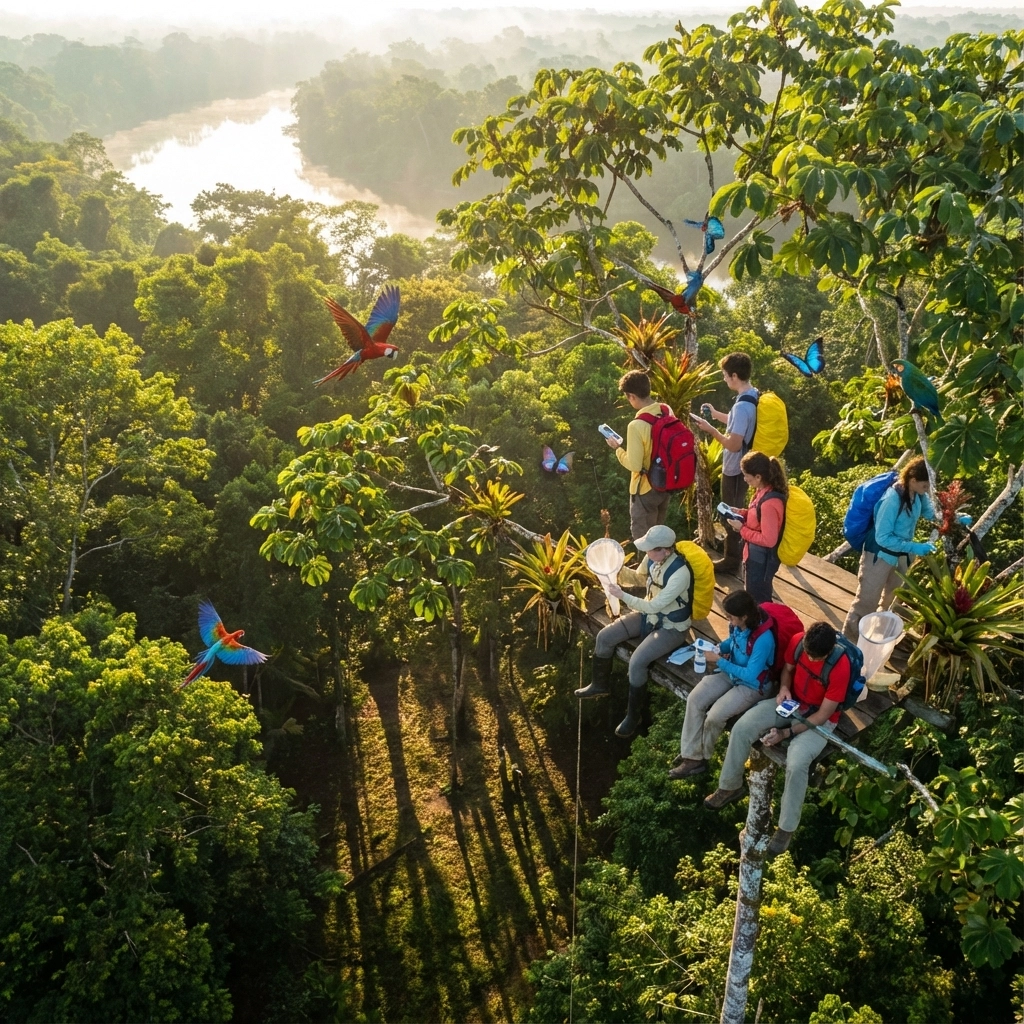
The Peruvian Amazon provides authentic opportunities for students to engage in biodiversity studies, ecological research, and environmental conservation projects. High school science and language trips to Peru can incorporate:
Species identification and cataloging using both English and Spanish scientific nomenclature
Water quality testing in collaboration with local environmental organizations
Sustainable agriculture studies with indigenous communities who maintain traditional farming practices
Andean Geology and Climate Studies
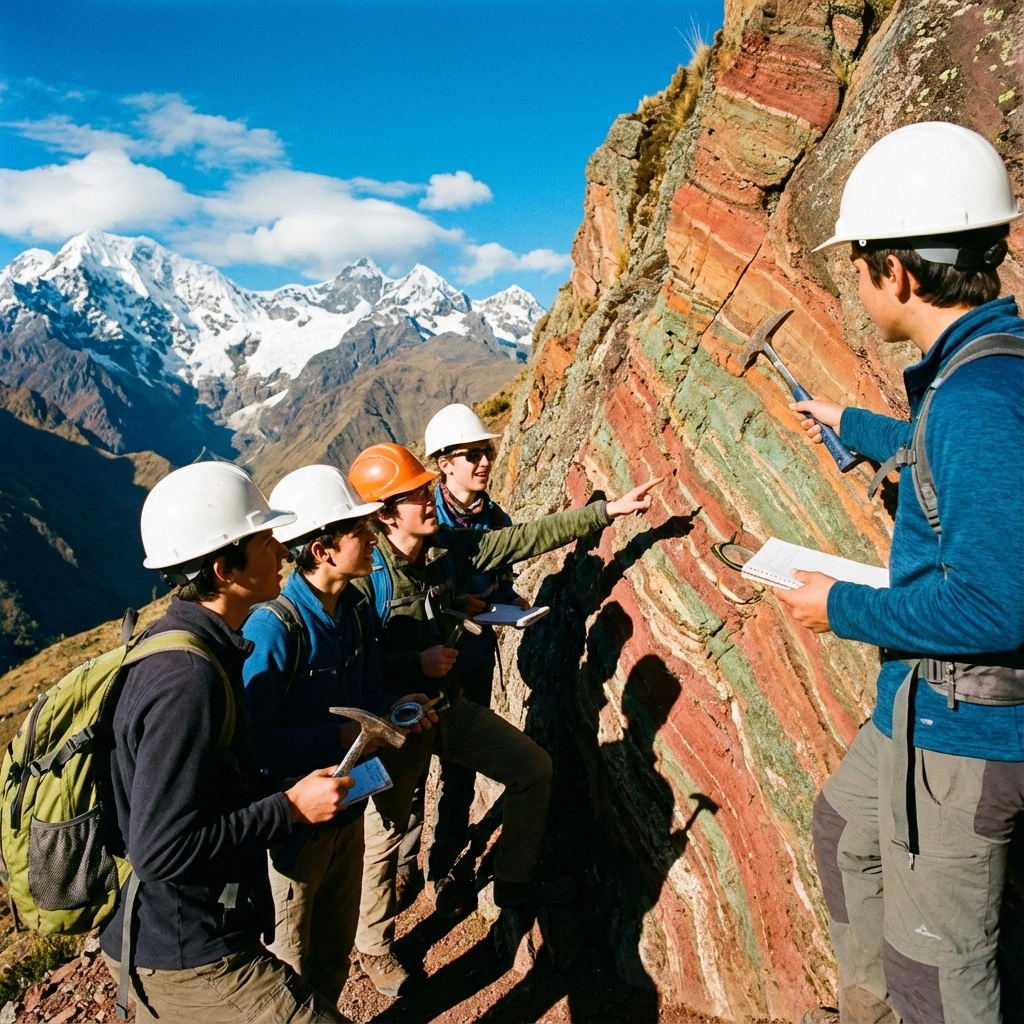
The Andes Mountains offer exceptional contexts for earth science education:
Geological formation analysis through hands-on rock and mineral identification
Climate zone studies as students observe ecosystem changes across different elevations
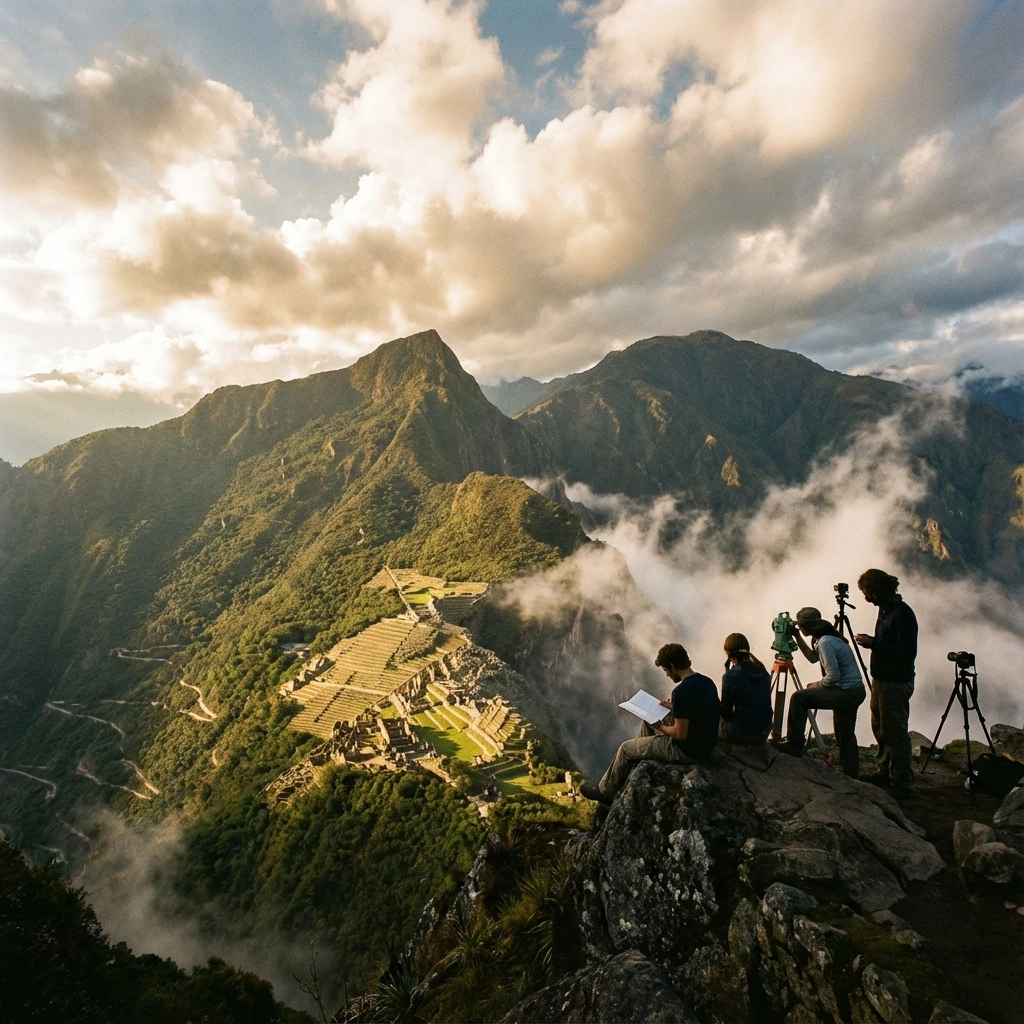
Archaeological integration combining scientific dating methods with historical research
Coastal Desert Ecosystems
Peru's coastal regions provide unique opportunities to study:
Adaptation mechanisms in extreme environments
Ocean current impacts on climate and marine life
Archaeological preservation in arid conditions
Maximizing Spanish Language Immersion Benefits
Homestay Integration Strategies
Cultural and language learning trips to Peru for students achieve maximum impact through carefully structured homestay experiences:
Pre-departure Preparation: Provide students with essential phrases, cultural etiquette guidance, and conversation starters
Structured Interaction Opportunities: Create specific tasks requiring Spanish communication, such as market interviews or community project planning
Reflection and Processing: Schedule regular debriefing sessions where students discuss language challenges and successes
Scientific Vocabulary Development
Integrate Spanish language learning directly into scientific activities:
Bilingual Field Journals: Encourage students to record observations in both languages
Local Expert Interviews: Arrange conversations with Spanish-speaking scientists, park rangers, or community leaders
Technical Translation Projects: Have students translate scientific concepts between English and Spanish

Curriculum Integration Best Practices
Pre-Trip Academic Preparation
Maximize learning outcomes by providing extensive preparation:
Geographic and Cultural Context: Study Peru's history, geography, and contemporary challenges before departure
Scientific Background: Review relevant scientific concepts students will encounter during fieldwork
Language Foundation: Ensure students possess basic Spanish communication skills appropriate for their program level
During-Trip Learning Activities
Structure daily activities to reinforce both science and language objectives:
Guided Inquiry Projects: Design research questions requiring both scientific methodology and Spanish communication
Collaborative Learning: Pair international students with local peers for joint research projects
Documentation Requirements: Establish clear expectations for scientific observation records and language practice logs
Post-Trip Academic Integration
Extend learning impact through comprehensive follow-up activities:
Research Presentations: Require students to present findings to school community using both English and Spanish elements
Community Sharing: Organize events where students share experiences with families and younger students
Ongoing Language Practice: Connect students with continued Spanish learning opportunities
Selecting Reputable Program Providers
Evaluation Criteria for Peru Educational Programs
When choosing custom educational tours to Peru for language learners, assess providers based on:
Academic Credentials: Verify partnerships with legitimate educational institutions and certified instructors
Safety Record and Protocols: Request detailed safety procedures and emergency response capabilities
Local Community Relationships: Ensure programs demonstrate authentic partnerships rather than superficial tourism
Alumni Outcomes: Request references from previous participating schools and evidence of student learning gains

Questions to Ask Potential Providers
What specific science curriculum standards does your program address?
How do you assess and support varying Spanish language proficiency levels?
What emergency medical and communication protocols are in place?
Can you provide detailed itineraries showing the balance between science activities and language immersion?
What ongoing support do you provide for teachers during program implementation?
Budget Considerations and Funding Strategies
Cost Components to Anticipate
Peru trips for students interested in science and Spanish typically include:
International airfare and domestic transportation
Accommodations (homestays, research stations, hotels)
Meals and specialized dietary requirements
Program fees covering instruction, guides, and activities
Equipment and materials for scientific research
Insurance and emergency fund reserves
Fundraising and Financial Support Options
Grant Opportunities: Research education-focused grants from foundations supporting international learning
Community Partnerships: Develop relationships with local businesses interested in supporting global education
Student Fundraising Activities: Organize events that build excitement while generating program funds
Payment Plan Options: Work with providers to create manageable payment schedules for families
Implementation Timeline and Logistics
12-18 Months Before Departure
Begin program planning with administrative approval, initial provider research, and preliminary student interest assessment.
6-12 Months Before Departure
Finalize program selection, begin student applications, coordinate parent information sessions, and initiate fundraising activities.
3-6 Months Before Departure
Complete final enrollment, coordinate medical clearances, conduct pre-trip academic preparation sessions, and finalize logistical details.
1-3 Months Before Departure
Intensify language preparation, conduct final safety briefings, distribute detailed itineraries, and complete emergency contact protocols.
Peru offers exceptional opportunities for science and cultural exchange programs in Peru for students, but successful implementation requires comprehensive planning, careful provider selection, and thorough preparation. By following systematic approaches to program design, safety planning, and curriculum integration, educators can create transformative experiences that advance both scientific understanding and global competency.
The investment in planning Peru educational travel programs for schools pays dividends through enhanced student engagement, improved academic outcomes, and development of global citizenship skills essential for 21st-century success. Begin your planning process by establishing clear objectives, researching reputable providers, and building the administrative and community support necessary for program success.
For educators interested in exploring comprehensive educational travel opportunities that combine rigorous academics with cultural immersion, consider partnering with experienced providers who understand both the complexities of international student travel and the importance of meaningful educational outcomes.
Comments