


Yellowstone Like a Scientist: Real Student Fieldwork with Appleseed Expeditions
- Caleb Mullenix
- Oct 23, 2025
- 5 min read

Transforming students into field scientists requires more than textbook knowledge: it demands hands-on engagement with real ecosystems and authentic research methodologies. Appleseed Expeditions delivers precisely this transformative experience through comprehensive scientific fieldwork opportunities in Yellowstone National Park, where students conduct genuine research while developing critical thinking skills essential for scientific inquiry.
Wildlife Population Surveys: Tracking Yellowstone's Iconic Species
Begin your scientific expedition with systematic wildlife monitoring protocols that mirror professional research methodologies. Students work alongside experienced naturalists to conduct standardized wildlife surveys using established transect methods and data collection protocols.
Structured Survey Methodology
Establish morning wildlife surveys along predetermined routes in Hayden and Lamar Valleys, where students record:
Species identification and population counts
Behavioral observations and habitat preferences
GPS coordinates and environmental conditions
Photographic documentation for verification
Time-stamped data entries using field notebooks
Students utilize professional-grade binoculars and spotting scopes while learning proper wildlife observation techniques that minimize disturbance to natural behaviors. Each survey follows National Park Service protocols, ensuring data quality and scientific validity.

Standards Alignment for Wildlife Studies
These surveys directly support Next Generation Science Standards (NGSS) for middle and high school levels:
MS-LS2-1: Analyze and interpret data on population distributions
HS-LS2-2: Use mathematical models to support ecosystem explanations
MS-ESS3-3: Apply scientific principles to design habitat monitoring methods
Teachers receive comprehensive activity sheets detailing pre-trip preparation, field methodology, and post-expedition data analysis procedures. Students return to classrooms with authentic datasets supporting semester-long research projects.
Thermal Feature Research: Understanding Geothermal Processes
Engage students in systematic investigation of Yellowstone's unique geothermal features through carefully designed experimental protocols that emphasize safety while delivering meaningful scientific learning experiences.
Temperature and pH Monitoring
Conduct supervised thermal feature investigations at designated safe locations, where students:
Measure ambient air temperatures at varying distances from thermal sources
Document pH levels using calibrated testing equipment
Record visual observations of mineral deposits and bacterial mat formations
Correlate temperature variations with geological features
Create detailed field sketches with measurement annotations
Microbial Ecosystem Studies
Examine thermophilic bacterial communities thriving in extreme temperature environments. Students collect water samples from approved locations for microscopic analysis, identifying unique organisms adapted to high-temperature conditions.
Professional-grade microscopes and digital imaging equipment enable students to document discoveries while learning proper sampling techniques and laboratory protocols essential for field biology.

Water Quality Assessment: Monitoring Aquatic Ecosystems
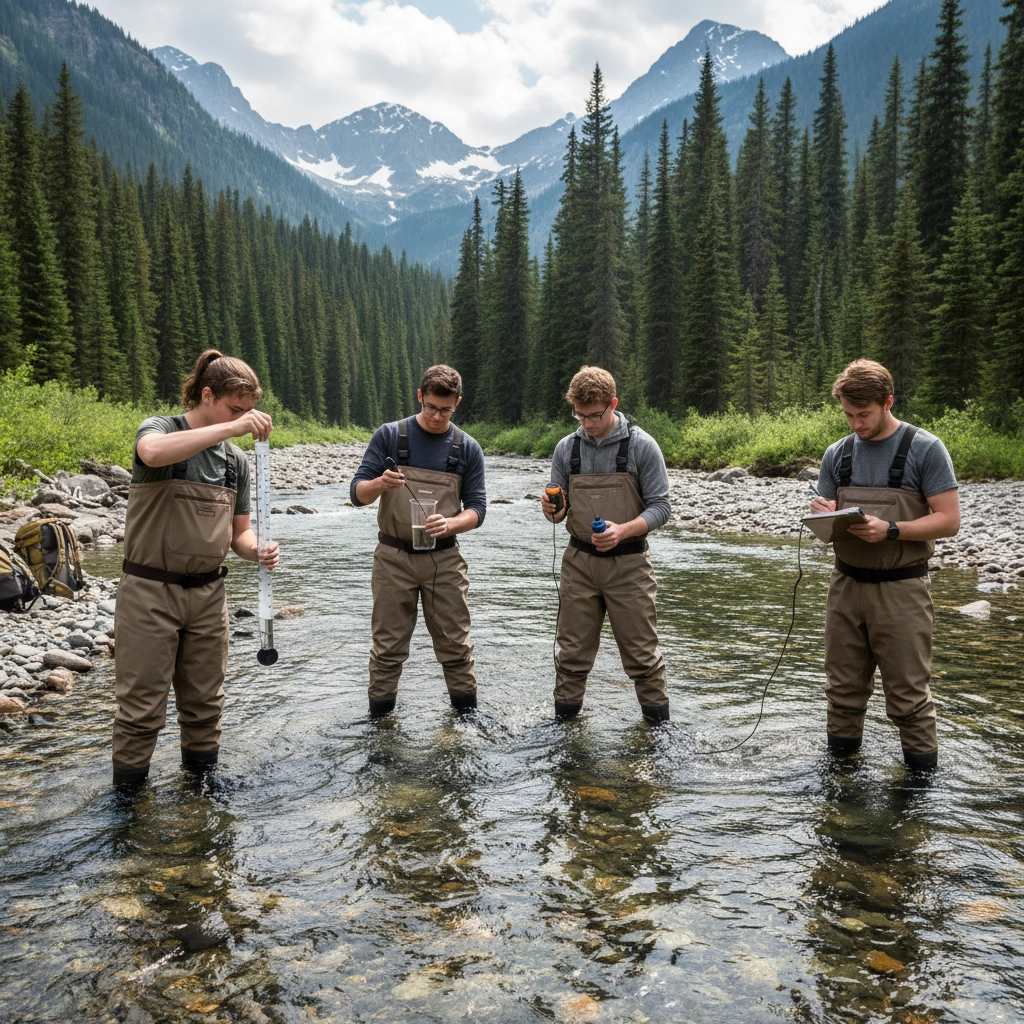
Implement comprehensive water quality testing procedures across diverse aquatic habitats within Yellowstone's ecosystem, from pristine mountain streams to geothermally influenced waterways.
Multi-Parameter Testing Protocol
Students conduct systematic water quality assessments measuring:
Dissolved oxygen levels using digital meters
pH and alkalinity using colorimetric test kits
Temperature variations at different depths
Turbidity measurements for sediment analysis
Macroinvertebrate sampling for biological indicators
Comparative Ecosystem Analysis
Compare water quality parameters between:
Upstream locations - establishing baseline measurements
Thermal influence zones - documenting geothermal impacts
Wildlife congregation areas - assessing biological influences
Downstream locations - measuring cumulative effects
This comparative approach enables students to understand interconnected ecosystem relationships while developing analytical thinking skills essential for environmental science careers.
Forest Health Monitoring: Assessing Ecosystem Recovery
Engage students in long-term ecological monitoring through systematic forest health assessments that document ecosystem recovery following natural disturbances like wildfire and disease outbreaks.
Tree Core Sampling and Analysis
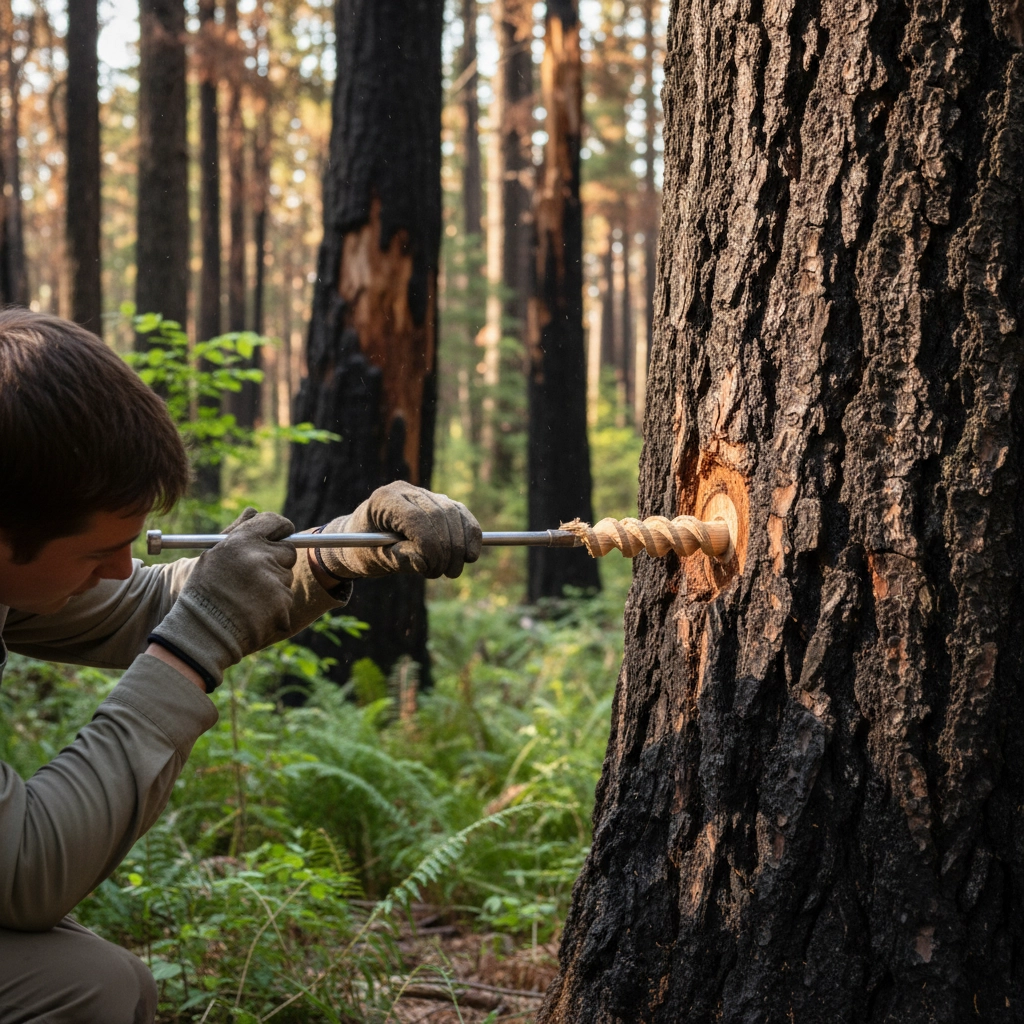
Conduct non-invasive tree core sampling using increment borers, where students:
Select representative sample trees following scientific protocols
Extract core samples for growth ring analysis
Measure ring widths to determine annual growth rates
Correlate growth patterns with historical climate data
Document evidence of fire scars and disease impacts
Vegetation Succession Studies
Establish permanent monitoring plots in areas representing different stages of forest succession. Students document:
Species composition and diversity indices
Canopy coverage measurements using densiometers
Understory vegetation height and density assessments
Soil pH and nutrient availability testing
Photographic documentation for temporal comparisons
Fire Ecology Research
Investigate fire's role in ecosystem maintenance through systematic studies of burned and unburned forest areas. Students measure fuel load accumulation, assess regeneration patterns, and document wildlife habitat recovery following fire disturbance.
Standards Integration and Curriculum Connections
Ensure seamless integration with classroom learning objectives through comprehensive standards alignment spanning multiple disciplines and grade levels.
Science Standards Coverage
Earth Science Connections:
MS-ESS2-2: Analyze geoscience data on continental formations
HS-ESS2-5: Plan investigations of natural hazards and mitigation
MS-ESS3-4: Construct arguments about human impact on the environment
Life Science Applications:
MS-LS2-4: Construct arguments about factors affecting ecosystems
HS-LS2-6: Evaluate claims about environmental solutions
HS-LS2-7: Design solutions for maintaining biodiversity
Physical Science Integration:
Temperature measurement and heat transfer principles
pH testing and chemical indicator analysis
Data collection using digital instruments and sensors
Cross-Curricular Applications
Mathematics integration occurs through statistical analysis of collected data, graphing population trends, and calculating biodiversity indices. English language arts connections develop through scientific writing, field journal maintenance, and research presentation preparation.
Technology Integration and Digital Documentation
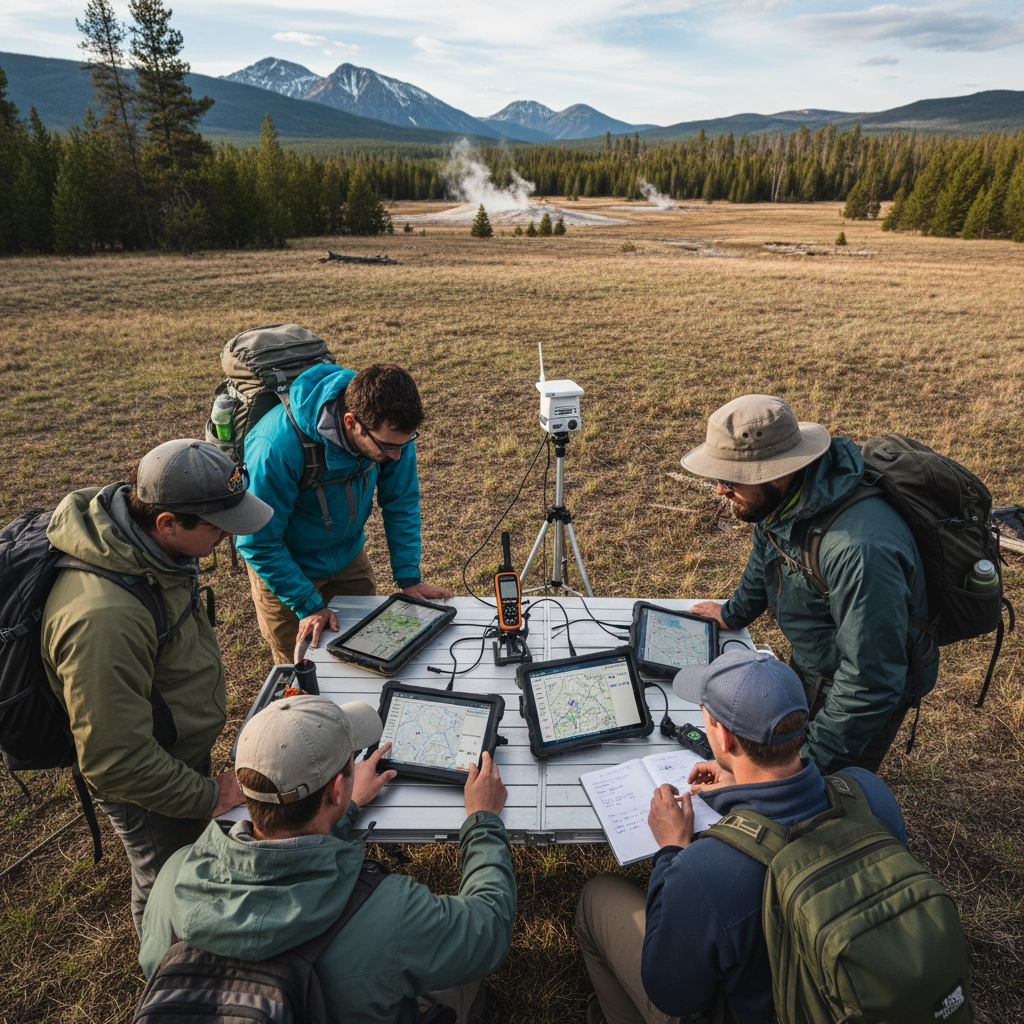
Utilize modern technology to enhance data collection accuracy while preparing students for contemporary scientific research methodologies.
Students employ:
GPS units for precise location documentation
Digital cameras for systematic photographic records
Tablet computers running specialized data collection applications
Weather monitoring instruments for environmental condition documentation
Microscope cameras for cellular imaging and documentation
Post-Expedition Analysis and Presentation
Transform field experiences into meaningful learning outcomes through structured post-expedition activities that reinforce scientific methodology and communication skills.
Data Analysis Procedures
Guide students through systematic analysis of collected data using:
Statistical software for population trend analysis
Graphing applications for visual data representation
Geographic information systems (GIS) for spatial analysis
Comparative analysis techniques for drawing conclusions
Peer review processes for validating findings
Scientific Communication Development
Students prepare formal research presentations incorporating:
Hypothesis development and testing methodology
Results documentation using appropriate scientific formats
Conclusion development based on evidence analysis
Recommendations for future research directions
Professional presentation techniques and scientific communication skills
Safety Protocols and Risk Management
Prioritize student safety through comprehensive risk assessment and mitigation strategies that enable meaningful scientific engagement while maintaining appropriate safety standards.
Wildlife Safety Procedures
Implement strict wildlife observation protocols including:
Minimum safe distances for all species encounters
Bear safety procedures and equipment requirements
Group supervision ratios and communication systems
Emergency response procedures and evacuation protocols
Weather monitoring and activity modification procedures
Laboratory Safety Standards
Maintain laboratory safety standards during field research through:
Proper handling procedures for all testing equipment
Personal protective equipment requirements and usage
Sample collection safety protocols and contamination prevention
Chemical testing safety procedures and disposal methods
First aid preparation and emergency response training
The Appleseed Advantage: Comprehensive Educational Support
Distinguish your educational experience through Appleseed Expeditions' comprehensive support system that extends learning far beyond the field experience itself.
Professional Naturalist Guides
Benefit from expert guidance provided by professional naturalists with advanced degrees in relevant scientific disciplines. These specialists possess extensive Yellowstone ecosystem knowledge and maintain current certifications in wilderness first aid and outdoor education methodologies.
Pre-Expedition Preparation Resources
Receive comprehensive preparation materials including:
Detailed curriculum guides aligned with national standards
Student preparation checklists and required reading materials
Equipment familiarization guides and safety training modules
Background information packets covering ecosystem fundamentals
Assessment rubrics and evaluation criteria for student work
Post-Expedition Curriculum Support
Continue learning momentum through extensive post-expedition resources:
Data analysis tutorials and statistical interpretation guides
Presentation templates and scientific writing frameworks
Extension activity suggestions for continued classroom engagement
Professional development opportunities for participating educators
Access to ongoing research updates and citizen science opportunities
Transform your students' understanding of scientific methodology while fostering genuine appreciation for ecosystem conservation through authentic research experiences. Contact Appleseed Expeditions to develop customized scientific fieldwork programs that align with your specific educational objectives and ensure meaningful, lasting impact on student learning outcomes.
Through systematic implementation of these research methodologies, students develop essential scientific literacy skills while contributing to genuine understanding of one of America's most significant ecosystems. Prepare your students for success in scientific careers while creating unforgettable educational experiences that inspire lifelong commitment to environmental stewardship and scientific inquiry.
Comments