


Conservation in Action: How Student Trips to Iceland Support Local Ecosystems
- Caleb Mullenix
- Nov 11, 2025
- 5 min read

Ensuring that student educational travel experiences contribute meaningfully to conservation efforts while providing authentic learning opportunities is of paramount importance for modern educational programs. Iceland presents an exceptional destination where student groups can actively participate in ecosystem monitoring, renewable energy research, and community conservation initiatives that directly benefit local environmental systems.
Student expeditions to Iceland transcend traditional field trips by transforming participants into active contributors to ongoing conservation research and ecosystem monitoring efforts. Through carefully structured programs that emphasize hands-on scientific participation, students develop critical environmental science skills while generating valuable data that supports Iceland's conservation initiatives.
Active Participation in Scientific Research Programs
Begin by understanding that Iceland's position within the International Network for Terrestrial Research and Monitoring in the Arctic (INTERACT) creates unprecedented opportunities for student involvement in legitimate scientific research. Students participating in these programs work directly with field stations conducting ecosystem monitoring, contributing to datasets that inform conservation strategies across the Arctic region.
Establish clear expectations for student researchers by emphasizing their roles in data collection, analysis, and scientific consultation. Students conduct river velocity measurements near Iceland's dramatic waterfalls, create detailed field sketches at coastal observation points, and perform systematic surveys across varied terrain types. These activities develop essential fieldwork competencies while contributing directly to ongoing environmental monitoring efforts.
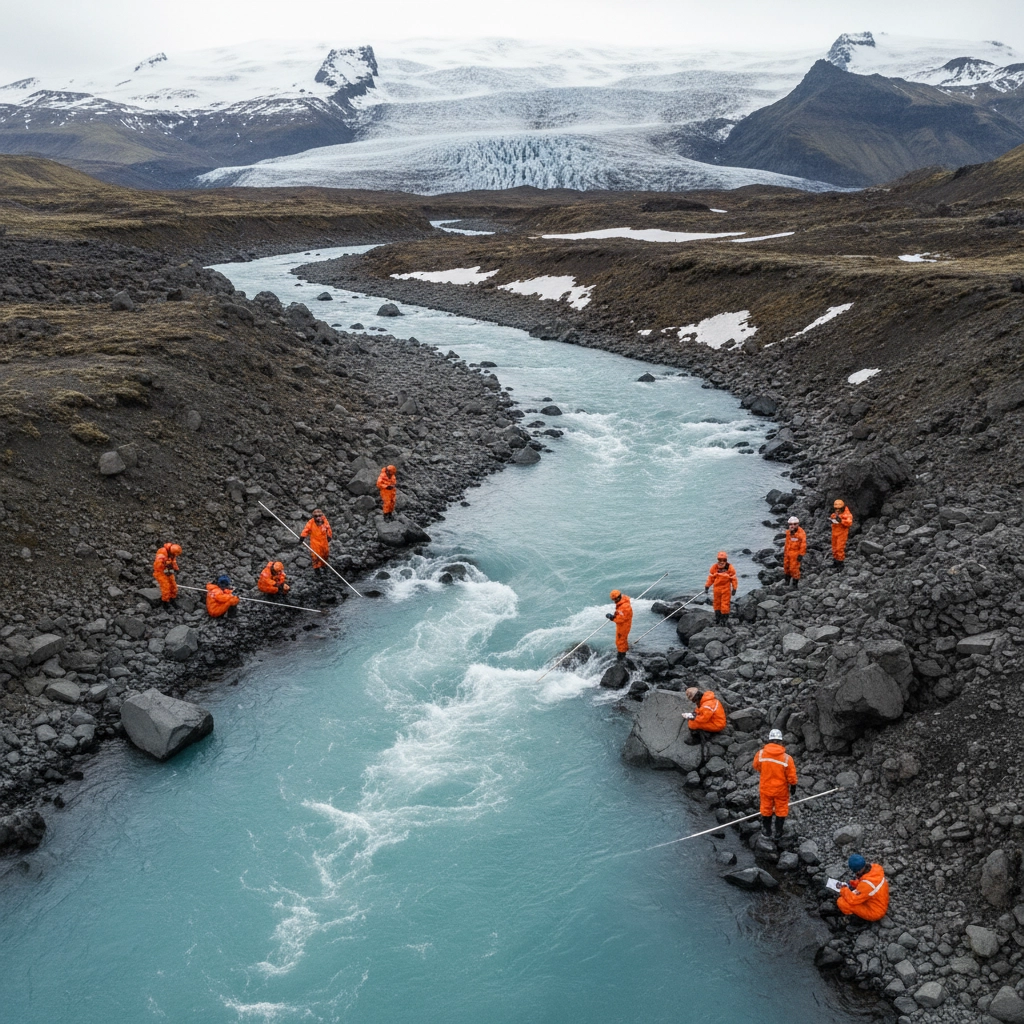
Create structured research protocols that allow students to develop independent projects within established monitoring frameworks. Encourage students to formulate hypotheses, collect data systematically, and analyze results using scientific literature, fostering critical thinking skills that extend far beyond the expedition experience.
Ensure that students understand the significance of their contributions by connecting their fieldwork to broader conservation goals. Emphasize how their data collection supports long-term environmental monitoring that informs policy decisions and conservation strategies throughout the Arctic region.
Renewable Energy and Sustainable Technology Learning
Advance student understanding of conservation through direct engagement with Iceland's world-leading renewable energy infrastructure. Iceland generates 99% of its electricity from renewable sources, providing an exceptional living laboratory for students to examine sustainable technology applications in real-world settings.
Organize visits to the Hellisheiði geothermal power plant to demonstrate how renewable energy systems operate at industrial scales. Students observe turbine operations, study heat exchange systems, and examine the integration of geothermal energy into national power grids. These experiences provide concrete examples of large-scale conservation technology that students can advocate for in their home communities.
Arrange educational sessions at Friðheimar Greenhouse, where students examine sustainable food production systems powered entirely by geothermal energy. This facility demonstrates year-round agricultural production without environmental degradation, illustrating how renewable energy enables food security while maintaining ecosystem integrity.
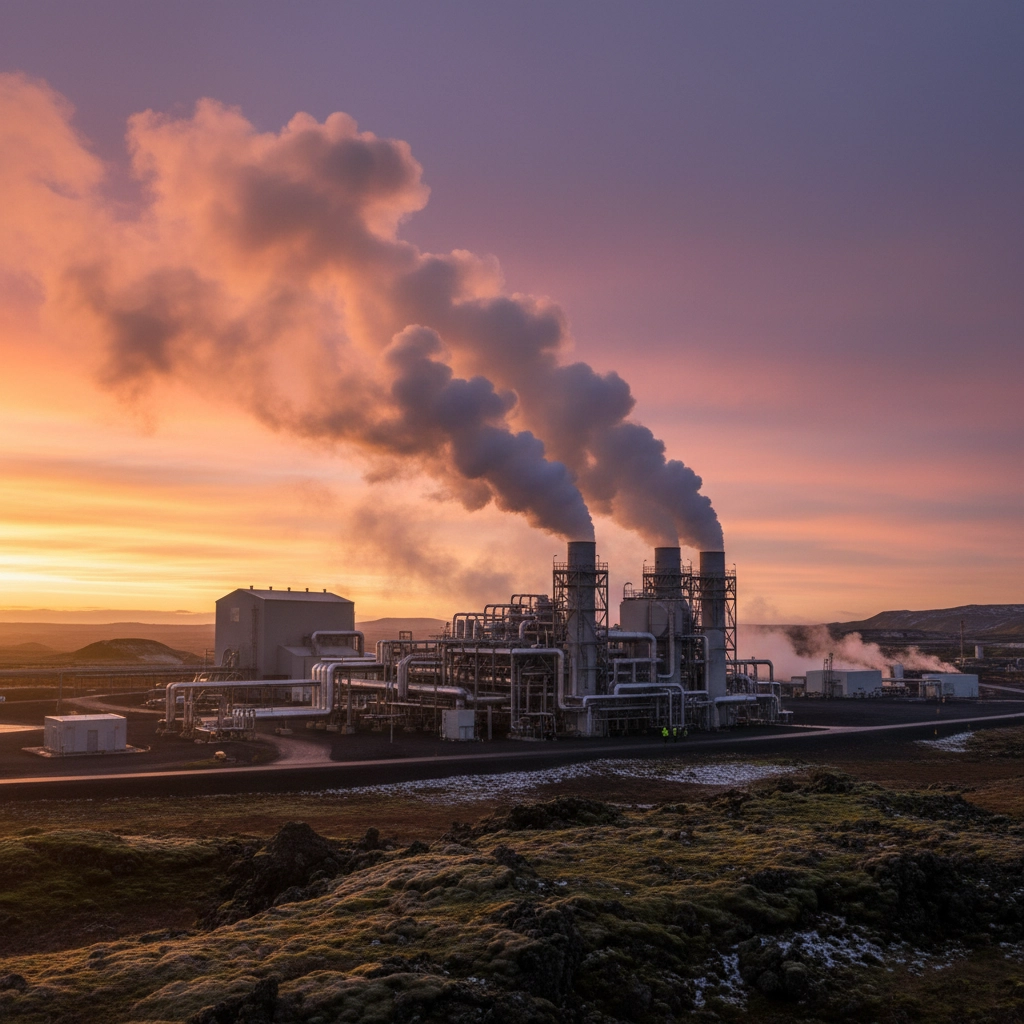
Encourage students to document renewable energy systems through technical drawings, efficiency calculations, and comparative analyses with conventional energy sources. These activities reinforce mathematical and scientific concepts while demonstrating practical applications of sustainable technology.
Connect renewable energy learning to broader conservation principles by discussing how sustainable energy systems reduce environmental impact on local ecosystems. Emphasize the relationship between energy production methods and ecosystem health, helping students understand conservation as an integrated approach to environmental management.
Wildlife and Ecosystem Monitoring Initiatives
Implement systematic wildlife observation and ecosystem monitoring activities that contribute directly to conservation research efforts. Students in East Iceland participate in structured observations of puffin colonies and seal populations, documenting behavior patterns and population dynamics that support wildlife management decisions.
Establish protocols for plant diversity studies that engage students in botanical identification and ecosystem mapping. Students examine alpine vegetation, coastal plant communities, and geothermal area flora, creating detailed species inventories that contribute to ongoing biodiversity monitoring efforts.
Create opportunities for students to engage with sustainable fisheries research by examining criteria for responsible fishing practices and marine ecosystem health indicators. These activities connect terrestrial conservation work with marine ecosystem protection, demonstrating the interconnected nature of environmental systems.
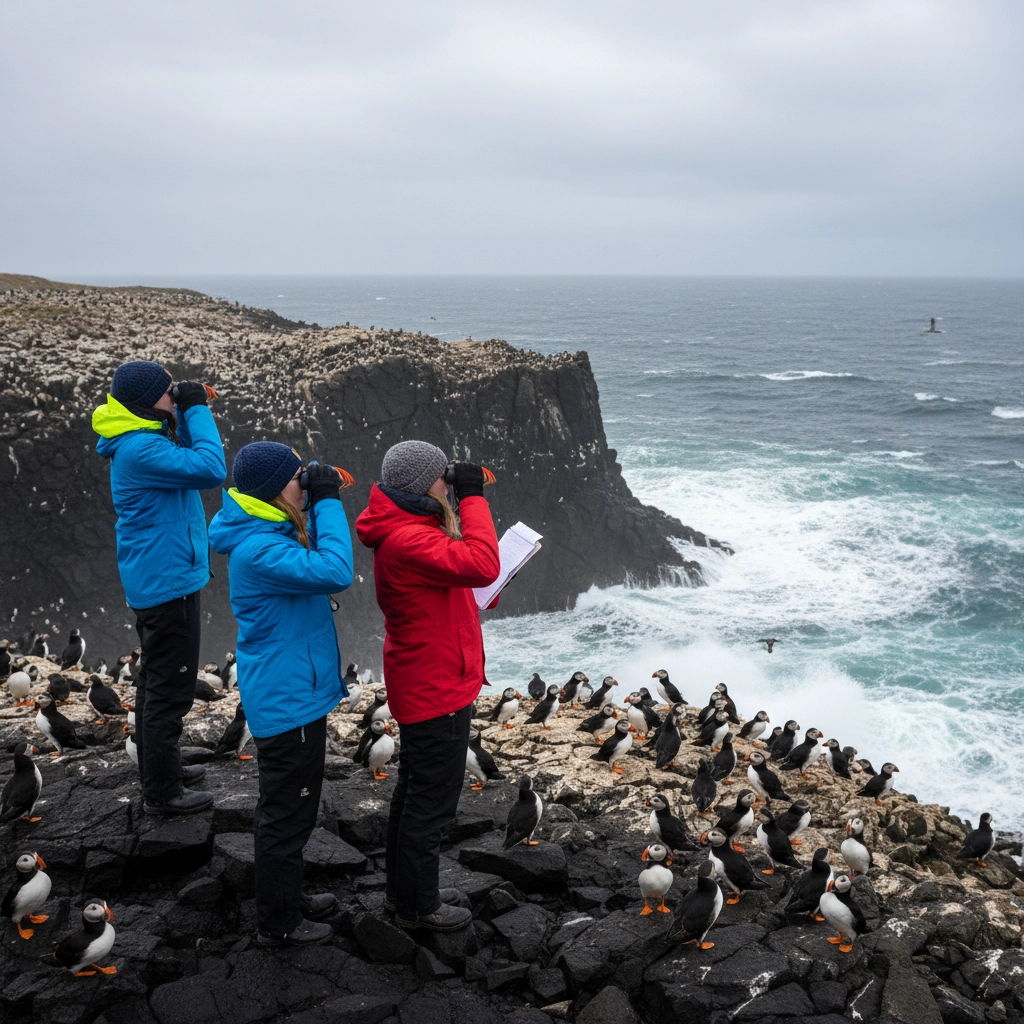
Develop skills in scientific documentation by requiring students to maintain detailed field journals, create accurate species identification records, and produce habitat maps using GPS technology. These competencies prepare students for advanced environmental science coursework and potential careers in conservation biology.
Ensure that wildlife monitoring activities align with established ethical guidelines for wildlife observation, emphasizing minimal impact approaches that prioritize animal welfare and habitat protection.
Community Conservation Partnerships
Foster meaningful connections between student groups and local conservation organizations to demonstrate community-based environmental protection strategies. Students engage with Icelandic communities affected by land degradation and glacial retreat, gaining firsthand understanding of how environmental changes impact local populations.
Structure learning experiences around United Nations Sustainable Development Goals, helping students connect scientific observations to policy frameworks and community development initiatives. This approach demonstrates how conservation science informs governmental and international environmental policy decisions.
Encourage students to participate in community conservation projects such as habitat restoration, invasive species removal, or environmental education programs for local schools. These service-learning opportunities create direct positive impacts on local ecosystems while developing students' leadership and communication skills.
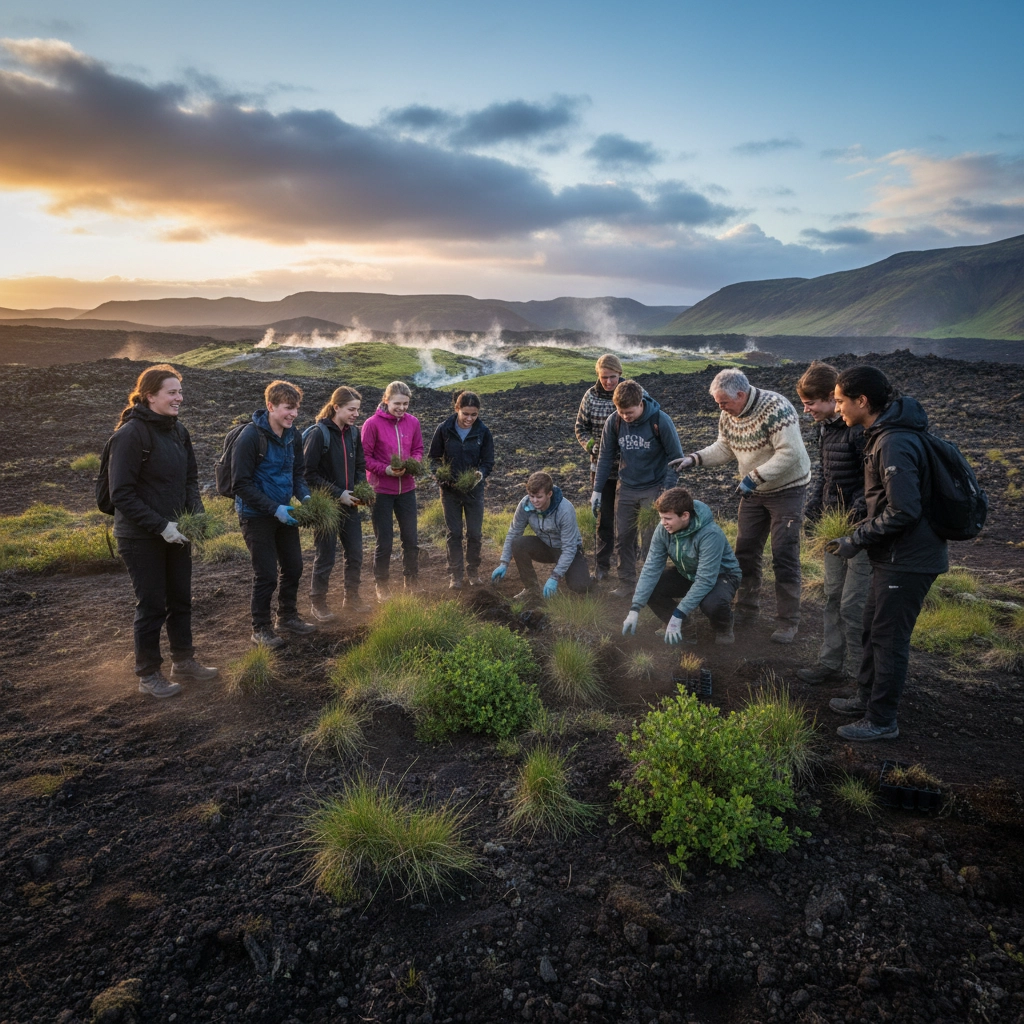
Arrange discussions with local environmental scientists, conservation managers, and community leaders to provide students with diverse perspectives on conservation challenges and solutions. These interactions help students understand the collaborative nature of effective environmental protection efforts.
Emphasize the importance of cultural sensitivity and respectful engagement when working with local communities, ensuring that student participation supports rather than disrupts existing conservation initiatives.
Building Future Environmental Leaders
Develop students' capacity to become effective environmental advocates by providing opportunities to practice scientific communication and policy engagement. Students present their research findings to peers, create educational materials for younger students, and participate in discussions about environmental policy implications.
Create structured reflection activities that help students connect their Iceland experiences to environmental challenges in their home communities. Encourage students to identify specific conservation strategies they observed in Iceland that could be adapted or advocated for in their local contexts.
Establish mentorship opportunities that connect students with environmental professionals, providing guidance for students interested in pursuing conservation careers. These relationships often extend beyond the expedition experience, creating long-term support networks for aspiring environmental scientists.
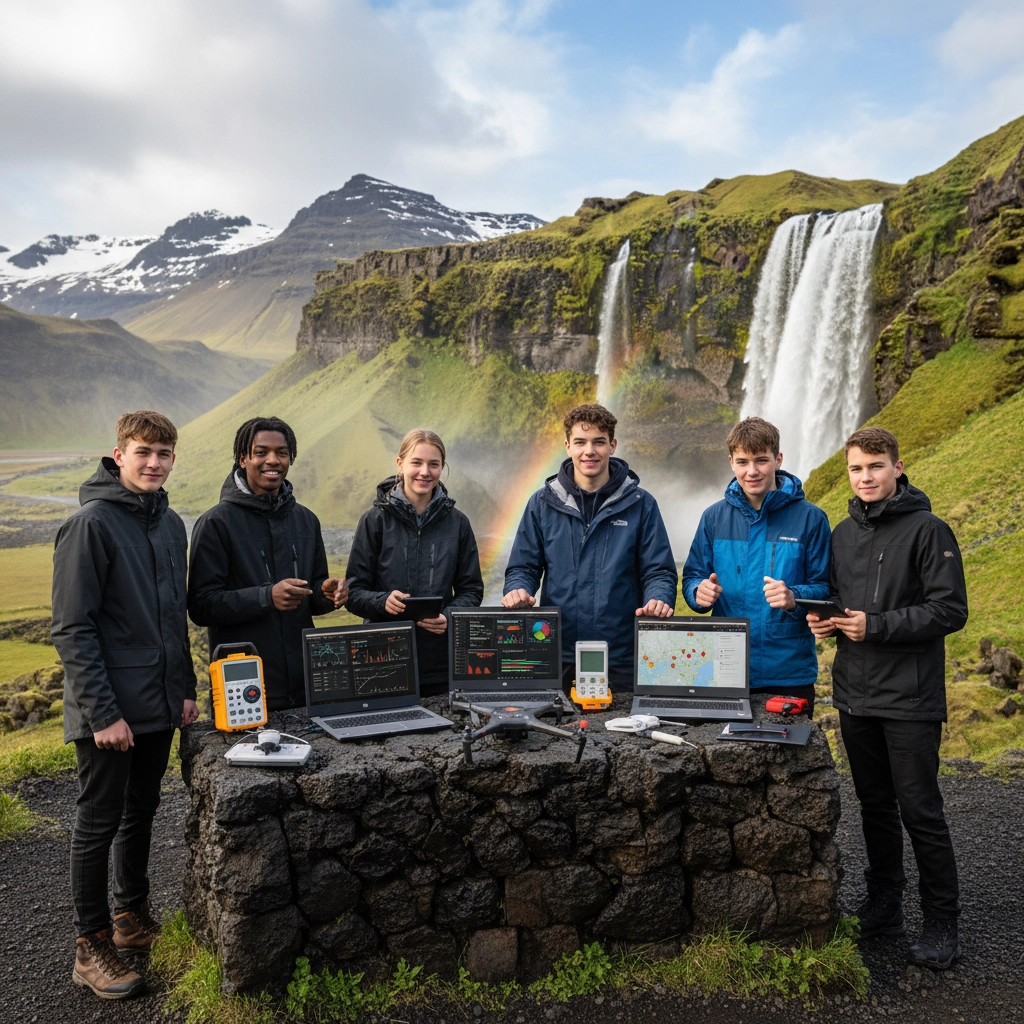
Encourage students to maintain involvement in conservation initiatives after returning home by joining environmental clubs, participating in citizen science projects, or advocating for sustainable practices in their schools and communities.
Practical Planning for Conservation-Focused Expeditions
Ensure successful conservation-focused Iceland expeditions by establishing clear learning objectives that align with curriculum standards and conservation principles. Coordinate with Icelandic research organizations and conservation groups well in advance to secure meaningful participation opportunities for student groups.
Prepare students for active conservation participation by providing pre-expedition training in scientific research methods, data collection techniques, and environmental monitoring protocols. This preparation maximizes learning outcomes and ensures that student contributions meet professional standards.
Develop comprehensive risk management protocols specific to conservation fieldwork, including equipment safety procedures, wildlife interaction guidelines, and emergency response plans for remote research locations.
Create assessment strategies that recognize both scientific learning and conservation contributions, emphasizing the development of environmental stewardship values alongside academic achievement.
Iceland's unique combination of accessible renewable technology, active conservation research, and community-based environmental initiatives provides exceptional opportunities for student groups to contribute meaningfully to ecosystem protection while developing essential scientific and leadership skills. Through carefully structured programs that emphasize authentic participation in conservation efforts, Appleseed Expeditions Iceland school tours transform educational travel into powerful conservation action, creating informed environmental advocates prepared to address critical sustainability challenges throughout their lives.
Comments