


Iceland Conservation Adventure: How Students Tackle Glacial Change and Renewable Energy

Preparing your students for meaningful engagement with climate science and renewable energy solutions requires destinations that offer authentic, hands-on learning experiences. Iceland stands as the premier educational destination where students can directly observe glacial retreat, participate in conservation research, and witness a nation's successful transition to 100% renewable energy. Ensuring your students gain practical understanding of these critical environmental challenges demands careful planning and selection of field experiences that transform abstract concepts into tangible scientific inquiry.
Glacial Change: Transforming Climate Science into Field Research
Iceland's rapidly retreating glaciers provide unparalleled opportunities for students to engage in active climate science research. Begin by incorporating visits to Langjökull, Iceland's second-largest glacier, where students traverse ice surfaces in specialized vehicles to access man-made ice tunnels. These experiences allow students to examine volcanic ash layers preserved within the ice, creating direct connections between geological history and current climate impacts.
Direct students to document glacial retreat patterns at Jökulsárlón glacier lagoon, where the visible effects of climate change create powerful learning moments. Students measure ice thickness, photograph glacier terminus positions, and collect data that contributes to ongoing climate research. Emphasize the importance of understanding how glacial melt contributes to global sea level rise and altered weather patterns that extend far beyond Iceland's borders.
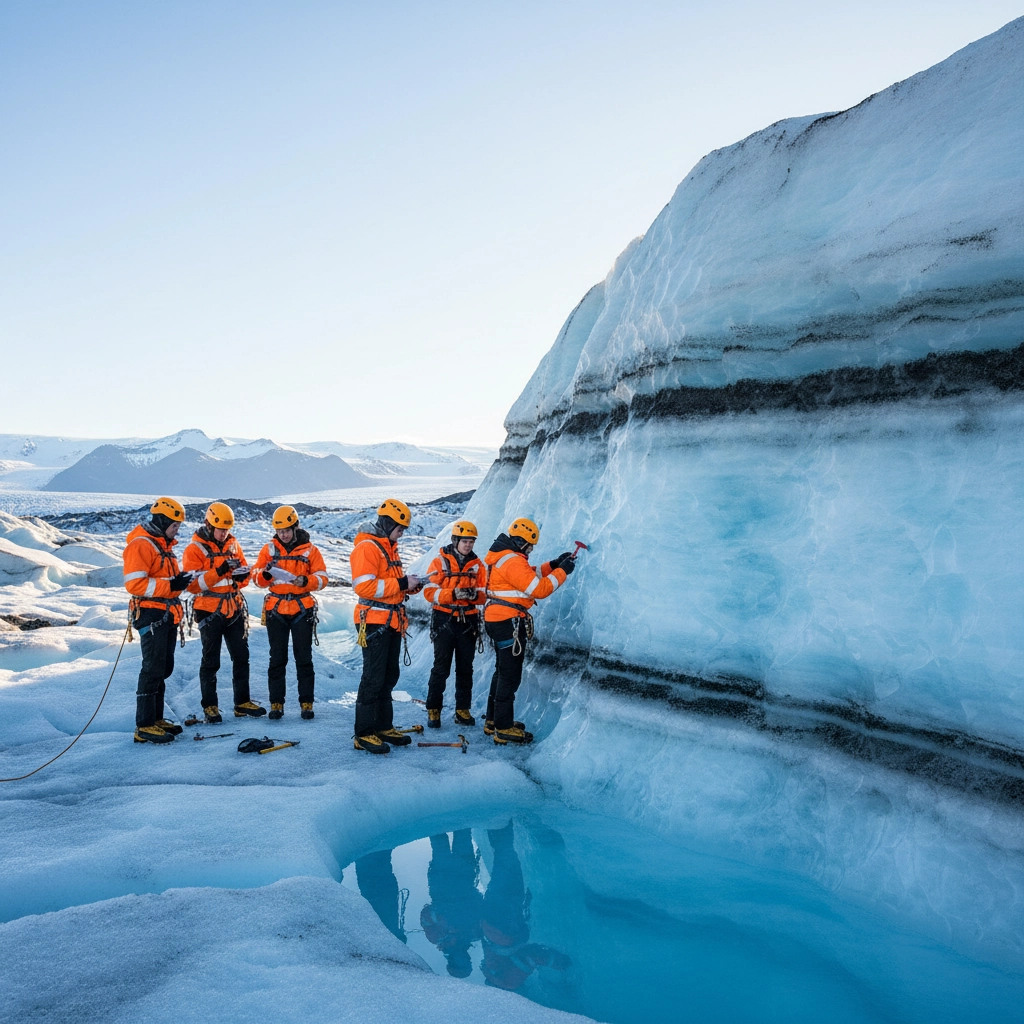
Encourage students to interact with working climate scientists at research stations positioned on active glaciers. These encounters provide students with authentic research methodologies and demonstrate how scientific data collection informs global climate models. Share detailed observation protocols with students before departure, ensuring they can contribute meaningfully to citizen science initiatives during their glacier studies.
Renewable Energy Systems: Witnessing Sustainable Innovation
Iceland's achievement of nearly 100% renewable energy generation offers students concrete examples of sustainable technology implementation. Arrange guided tours of the Hellisheiði geothermal power plant, where students observe how geothermal energy conversion processes function at industrial scale. Create detailed pre-visit materials explaining geothermal energy principles, enabling students to ask informed questions during facility tours.
Focus student attention on hydroelectric installations throughout Iceland's river systems. Students examine how water flow measurements, turbine efficiency calculations, and grid integration work together to provide consistent renewable power. Discuss emergency procedures for facility visits, emphasizing safety protocols required near industrial equipment and fast-moving water systems.
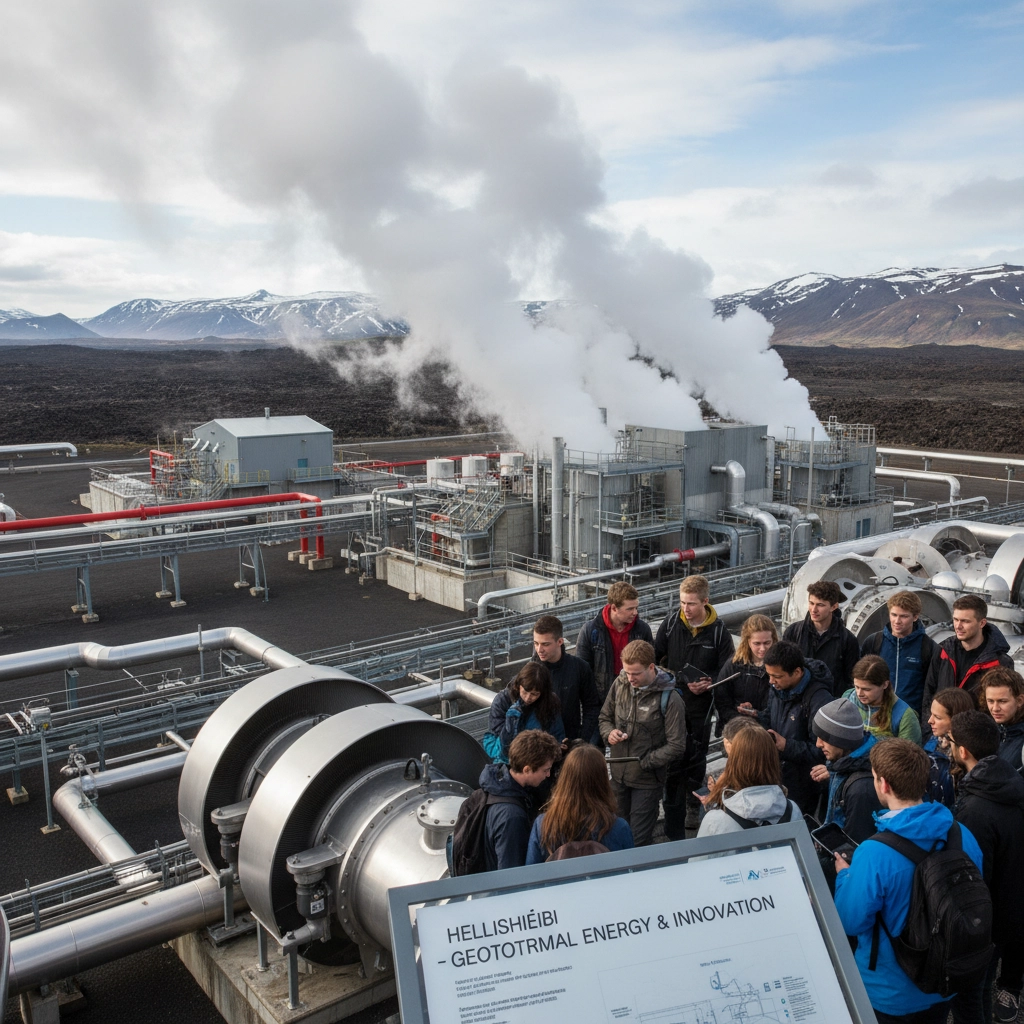
Direct students to calculate energy efficiency ratios and carbon footprint reductions achieved through renewable energy adoption. Provide comparison data from fossil fuel-dependent regions, allowing students to quantify the environmental benefits of Iceland's energy choices. Ensure students understand how geological advantages: including geothermal activity and abundant water resources: create unique opportunities for renewable energy development.
Active Conservation Participation and Marine Research
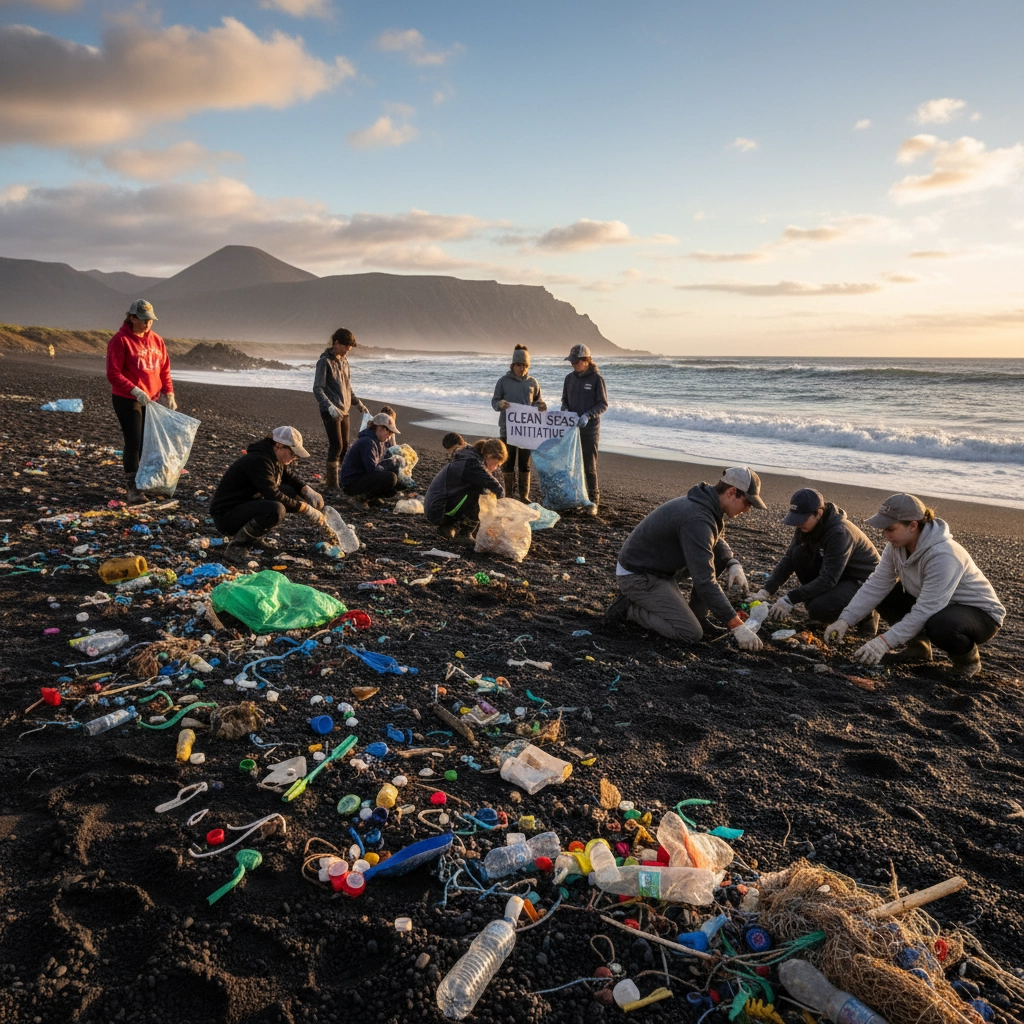
Engage students in hands-on conservation work that extends beyond classroom observation. Coordinate participation in marine debris collection projects at Rauðasandur beach, where students document plastic pollution impacts on Arctic ecosystems. Create data collection sheets that allow students to categorize debris types, measure quantities, and track GPS coordinates for scientific reporting.
Arrange visits to the Beluga Whale and Puffin Rescue Sanctuary at Vestmannæyjar, where students observe wildlife rehabilitation processes and contribute to animal care activities. Discuss safety protocols for wildlife interaction, emphasizing respectful observation practices and appropriate behavior around recovering animals. Share detailed guidelines about wildlife photography ethics, ensuring student activities support rather than disrupt conservation efforts.
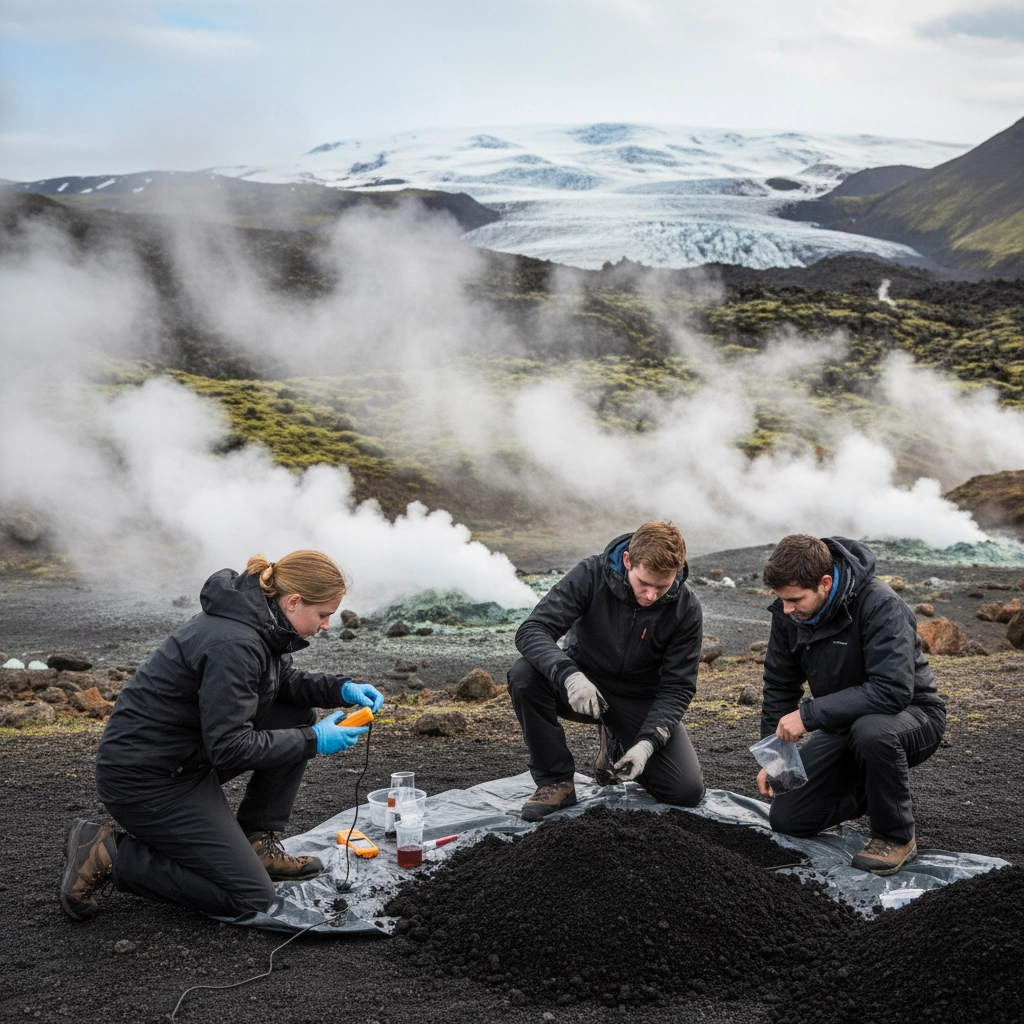
Encourage student participation in reforestation projects at locations like Heiðmörk, where volcanic soil restoration supports ecosystem recovery. Provide students with soil composition testing equipment, enabling them to measure pH levels, nutrient content, and root establishment success rates. Emphasize the importance of long-term environmental monitoring and how student contributions support ongoing restoration research.
STEM Integration Through Arctic Ecosystem Studies
Structure field research experiences that allow students to examine Arctic biodiversity and adaptation strategies. Direct student attention to plant species diversity in tundra environments, where harsh conditions create unique evolutionary pressures. Provide identification guides and data collection protocols, enabling students to document species distribution patterns and survival adaptations.
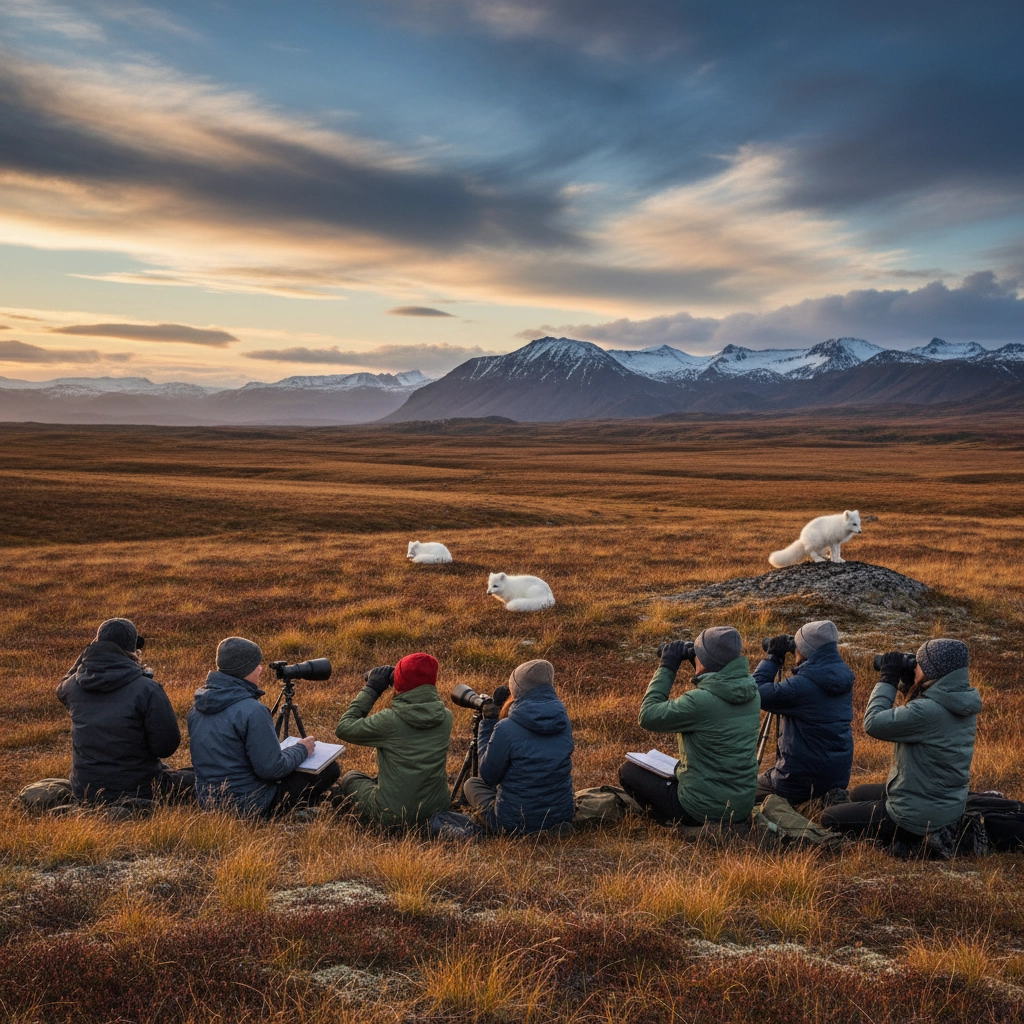
Create opportunities for students to study Arctic fox behavior and puffin nesting patterns through ethical wildlife observation. Establish clear viewing distances and behavioral guidelines that ensure student safety while protecting wildlife populations. Share emergency communication procedures for remote field work, including GPS coordinates and check-in schedules with base camp locations.
Focus student research on soil composition analysis in areas affected by volcanic activity. Students examine how volcanic ash creates nutrient-rich growing conditions while simultaneously challenging plant establishment. Encourage students to collect soil samples for laboratory analysis, connecting field observations with quantitative chemical testing.
Educational Planning and Safety Considerations
Begin planning your Iceland conservation expedition by researching seasonal weather patterns and daylight availability. Iceland's extreme seasonal variations require careful attention to clothing requirements, equipment needs, and activity scheduling. Create detailed packing lists that address layered clothing systems, waterproof gear, and specialized equipment for glacier and marine environments.
Establish communication protocols with parents and school administrators before departure. Share detailed itineraries including emergency contact information, medical facility locations, and evacuation procedures. Discuss travel insurance requirements and ensure all students have appropriate coverage for adventure activities and remote location access.
Coordinate with local research institutions and conservation organizations before arrival. Many Icelandic environmental groups welcome student volunteers, but advance planning ensures meaningful participation opportunities. Create partnerships with organizations like Ocean Missions for marine conservation work, and establish connections with geothermal energy facilities for private educational tours.
Advise students to maintain detailed research journals throughout their Iceland experience. Provide structured templates that guide student observations, data collection, and reflection processes. Encourage students to document connections between their Iceland experiences and environmental challenges in their home communities.
Transforming Student Perspectives Through Authentic Conservation Work
Iceland offers students unmatched opportunities to engage with climate science and renewable energy solutions through direct participation in conservation research. The combination of glacial studies, renewable energy observation, and hands-on conservation work creates transformative educational experiences that inspire long-term environmental stewardship.
Ensure your students gain maximum benefit from Iceland's unique educational opportunities by partnering with experienced educational travel providers who understand both academic objectives and safety requirements. Appleseed Expeditions specializes in creating meaningful conservation adventures that combine rigorous scientific learning with unforgettable field experiences, ensuring your students return home with both knowledge and inspiration to address environmental challenges in their own communities.

Comments