


Lamar Valley wildlife guide for teachers

Establishing a comprehensive understanding of ecosystem dynamics is a primary goal for any secondary science curriculum. In the United States, there is no more profound "outdoor classroom" for this purpose than the Lamar Valley in Yellowstone National Park. Often referred to as the "American Serengeti," this expansive glaciated valley provides an unparalleled opportunity for students to observe megafauna in a self-sustaining habitat.
Preparing your students for an expedition to the Lamar Valley involves meticulous planning, a firm grasp of biological principles, and an unwavering commitment to safety protocols. This guide serves as an instructional framework for educators to maximize the educational output of their visit while ensuring the security and engagement of their student groups.
The Significance of the "American Serengeti"
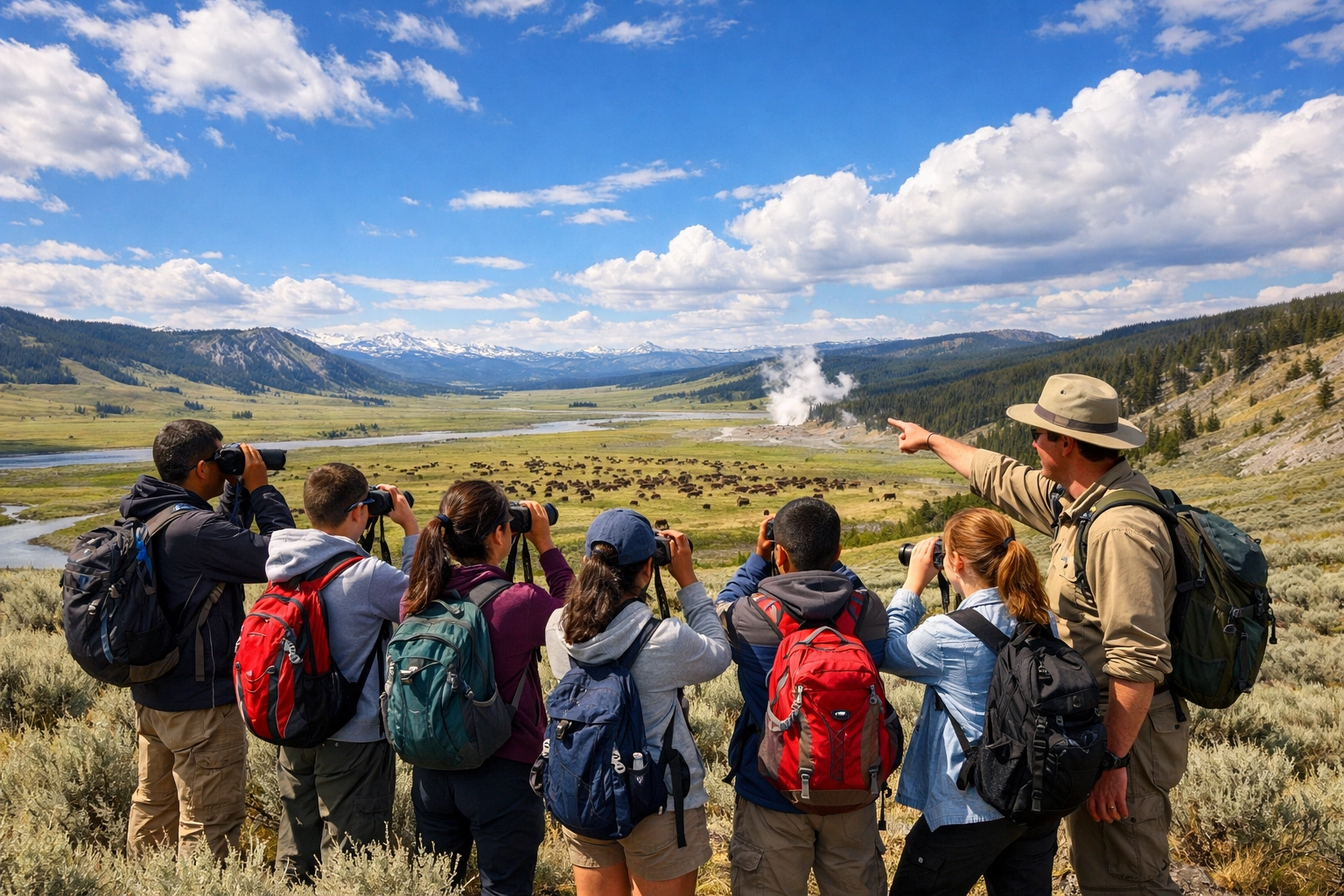
The Lamar Valley, located in the northeastern corner of Yellowstone, is characterized by its wide, open vistas and the meandering Lamar River. This geography is critical for educational purposes because it allows for long-distance visibility, enabling groups to observe natural animal behaviors: such as hunting, grazing, and social interaction: without infringing upon the animals' required flight distances.
The term "American Serengeti" refers to the high concentration and diversity of large mammals. For students, this provides a living laboratory to study:
Trophic Cascades: The impact of apex predators on the entire ecosystem.
Inter-species Competition: How different predators and herbivores occupy various niches.
Geological Influence on Biology: How the valley's glacial history created the nutrient-rich grasslands that support these massive herds.
Identifying Key Species: Educational Tie-ins
To facilitate a successful field study, educators must prepare students to identify and analyze the behavior of the valley’s primary inhabitants. Each species offers a unique lesson in ecology and conservation biology.
1. Gray Wolves (Canis lupus)
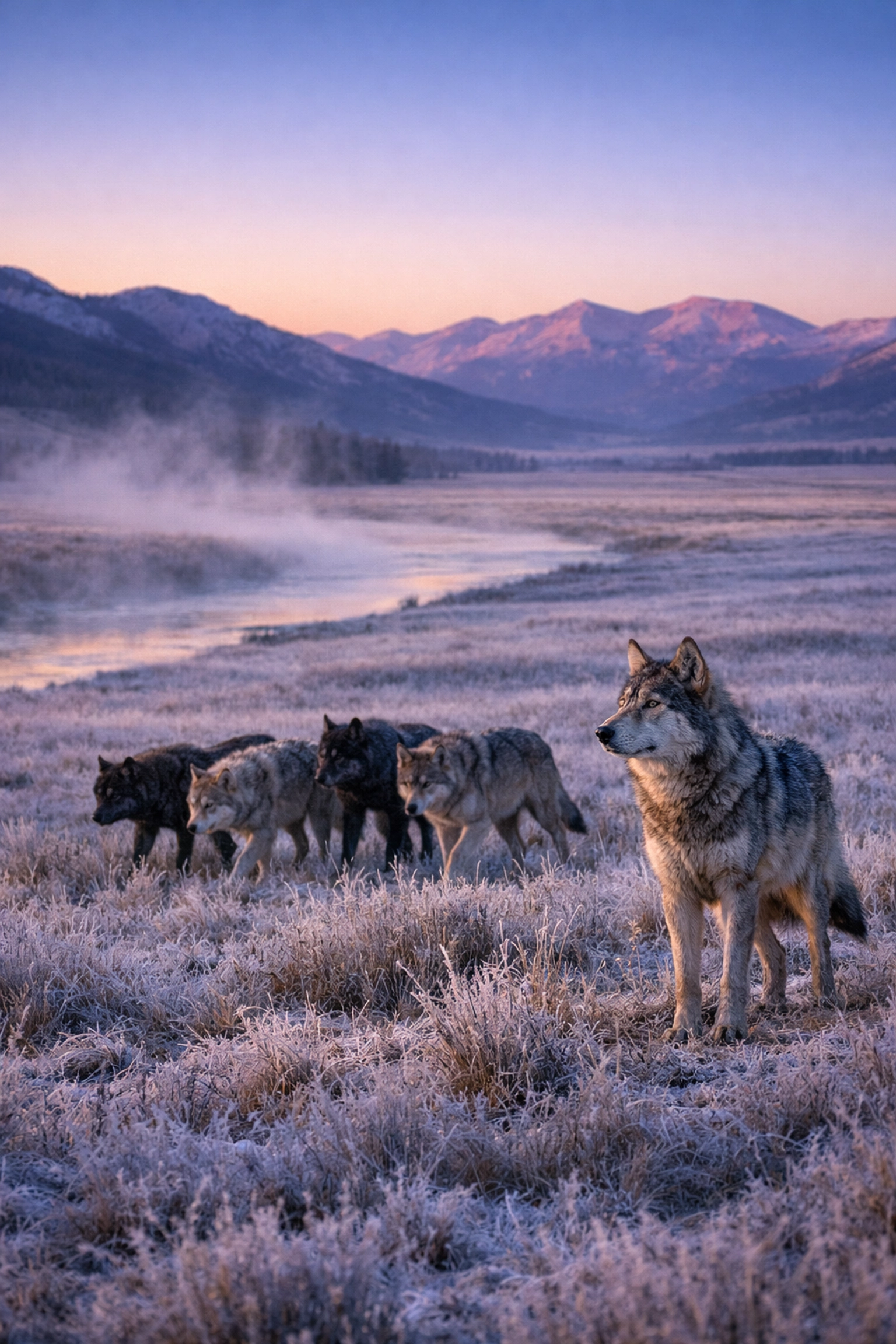
The reintroduction of wolves to Yellowstone in 1995 remains one of the most significant experiments in conservation history. The Lamar Valley is home to several well-documented packs, such as the Junction Butte pack.
Educational Focus: Discuss the "top-down" regulation of ecosystems. Explain how wolf presence altered elk behavior, which in turn allowed willow and aspen groves to recover, eventually benefiting beaver and bird populations.
Observation Tip: Wolves are most active at dawn and dusk. Plan for a 6:00 AM arrival to increase the probability of a sighting.
2. American Bison (Bison bison)
The Lamar Valley supports one of the largest wild bison herds in North America. These "architects of the plains" are central to the valley's nutrient cycling.
Educational Focus: Focus on the "grazing lawn" effect. Bison grazing patterns stimulate new plant growth, which is more nutritious for other herbivores. This is an excellent case study in mutualism and habitat engineering.
Safety Instruction: Emphasize that bison are unpredictable and can run three times faster than humans. Maintaining a minimum distance of 25 yards is a mandatory safety requirement.
3. Grizzly and Black Bears (Ursus arctos horribilis & Ursus americanus)
The Lamar Valley provides critical foraging habitat for bears, particularly in the spring when they feed on winter-killed carcasses and in the early summer when elk calves are vulnerable.
Educational Focus: Discuss the concept of omnivory and the seasonal adaptations required for hibernation.
Management Context: Use bear sightings to discuss the history of the Endangered Species Act and the challenges of managing large carnivores in a multi-use landscape.
4. Pronghorn and Elk
Educational Focus: These species provide a clear look at anti-predator adaptations. The pronghorn, for instance, is the fastest land animal in North America, an evolutionary relic from a time when it had to outrun the now-extinct American cheetah.
Planning the Expedition: Logistics and Methodology
Ensuring the safety of students and the quality of the learning experience requires a structured, step-by-step approach to the field day.
Step 1: Secure Professional Equipment
Standard binoculars are often insufficient for the vast distances of the Lamar Valley.
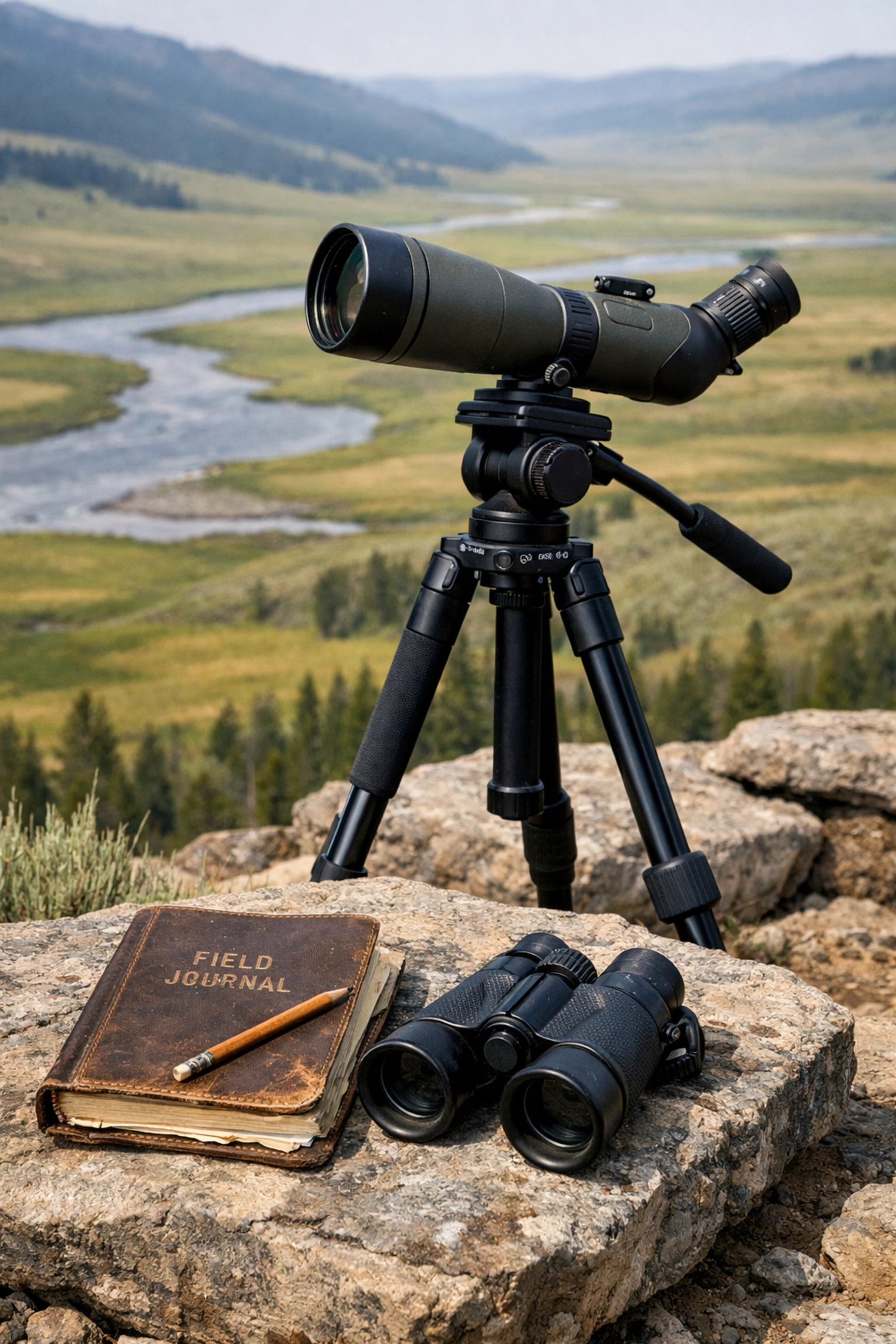
Instruction: Ensure the group has access to high-powered spotting scopes. These are essential for viewing wolf dens or bear activity on distant hillsides without disturbing the animals.
Action: Teach students how to "grid" a hillside using scopes to locate movement.
Step 2: Adhere to the "Early Start" Mandate
Wildlife activity peaks during the "crepuscular" hours: dawn and dusk.
Protocol: Depart from your base camp or lodge no later than 5:30 AM. Arriving at the Lamar Valley as the sun rises maximizes the chances of observing predatory behavior, which is rarely seen during the heat of the day.
Step 3: Utilize Field Journals
To transition the trip from "sightseeing" to "field study," students must be required to document their observations systematically.
Requirement: Provide students with waterproof field journals.
Data Collection: Instruct students to record the time, weather conditions, species spotted, estimated distance, and specific behaviors (e.g., foraging, scanning, social grooming).
Safety Protocols and Vigilance
Safety is of paramount importance when taking school groups into "Grizzly Country." Educators must project a tone of responsibility and ensure all chaperones are aligned with park regulations.
The 100-Yard Rule: Students must remain at least 100 yards (91 meters) away from bears and wolves and 25 yards from all other wildlife.
Bear Spray Readiness: All adult leaders must be trained in the use of bear spray and carry it in an accessible holster, not inside a backpack.
Group Cohesion: Students should never be allowed to wander off alone. Maintain a "pod" system where students are always within sight of a chaperone.
Roadside Safety: The "Yellowstone Traffic Jam" is a real hazard. Ensure students exit vehicles on the side away from traffic and remain behind guardrails or off the pavement.
Educational Resources for Teachers
To further enrich the curriculum, educators should utilize resources from Yellowstone Forever, the park’s official nonprofit partner. Their field educators offer specialized programs that can be integrated into your itinerary, providing students with access to wildlife biologists and professional-grade optics.
For teachers looking to compare different ecosystems, you may find value in reviewing our guide on service-learning opportunities in the Grand Canyon or our analysis of Yellowstone vs. Grand Canyon school trips. Understanding the differences between the geological focus of the Canyon and the biological focus of the Lamar Valley helps in selecting the right program for your specific learning objectives.
Incorporating Hands-On Science with Appleseed Expeditions
While independent planning is possible, the complexities of Yellowstone logistics: permitting, transportation, and specialized equipment: often necessitate professional coordination. Appleseed Expeditions offers comprehensive Yellowstone science trips that handle these intricate details, allowing teachers to focus entirely on instruction and student engagement.
Our programs emphasize wildlife ecology, providing students with the tools and expert guidance needed to conduct meaningful field observations in the Lamar Valley. By partnering with experts, you ensure that your students are not just tourists, but active participants in scientific inquiry.
Final Preparations Checklist for Educators
Before departing for the Lamar Valley, review the following checklist to ensure total preparation:
Emergency Plan: Do you have a formal procedure for group separation or wildlife encounters?
Itinerary Distribution: Have all parents and chaperones received a detailed minute-by-minute plan?
Inclusivity Review: Have you accounted for the physical requirements of the trip to ensure all students can participate in the observation sessions?
Ethics Briefing: Have you discussed the importance of "Leave No Trace" and the ethical implications of wildlife photography and observation?
Preparing your students for the Lamar Valley is an investment in their scientific literacy. By maintaining a structured, disciplined approach to the expedition, you provide them with a transformative experience that underscores the complexity and beauty of the natural world.
For more information on planning your next STEM-focused expedition, visit Appleseed Expeditions to explore our full range of educational travel programs.

Comments