


Q&A: Why does the year 1872 matter for conservation?

The history of environmental stewardship is punctuated by several landmark moments, but few carry the weight of 1872. This year represents the foundational shift in how humanity perceives, manages, and protects the natural world. For educators and students of science and history, understanding 1872 is not merely about memorizing a date; it is about recognizing the birth of a global movement that continues to safeguard our planet's most vital ecosystems.
In this deep-dive Q&A, we explore the significance of 1872, the founding of Yellowstone National Park, and why this historical event remains the cornerstone of modern conservation efforts.
Q: What specific event occurred in 1872 that changed the course of conservation?
On March 1, 1872, President Ulysses S. Grant signed the Yellowstone National Park Protection Act into law. This legislative action officially designated approximately 2.2 million acres of land spanning across modern-day Wyoming, Montana, and Idaho as the world’s first national park.
Before this moment, the concept of a "National Park" did not exist in any formal legal capacity. The act decreed that the region would be "hereby reserved and withdrawn from settlement, occupancy, or sale under the laws of the United States." It further stated that the land was "dedicated and set apart as a public park or pleasuring-ground for the benefit and enjoyment of the people."
Q: Why was the creation of Yellowstone considered a revolutionary departure from existing land policies?
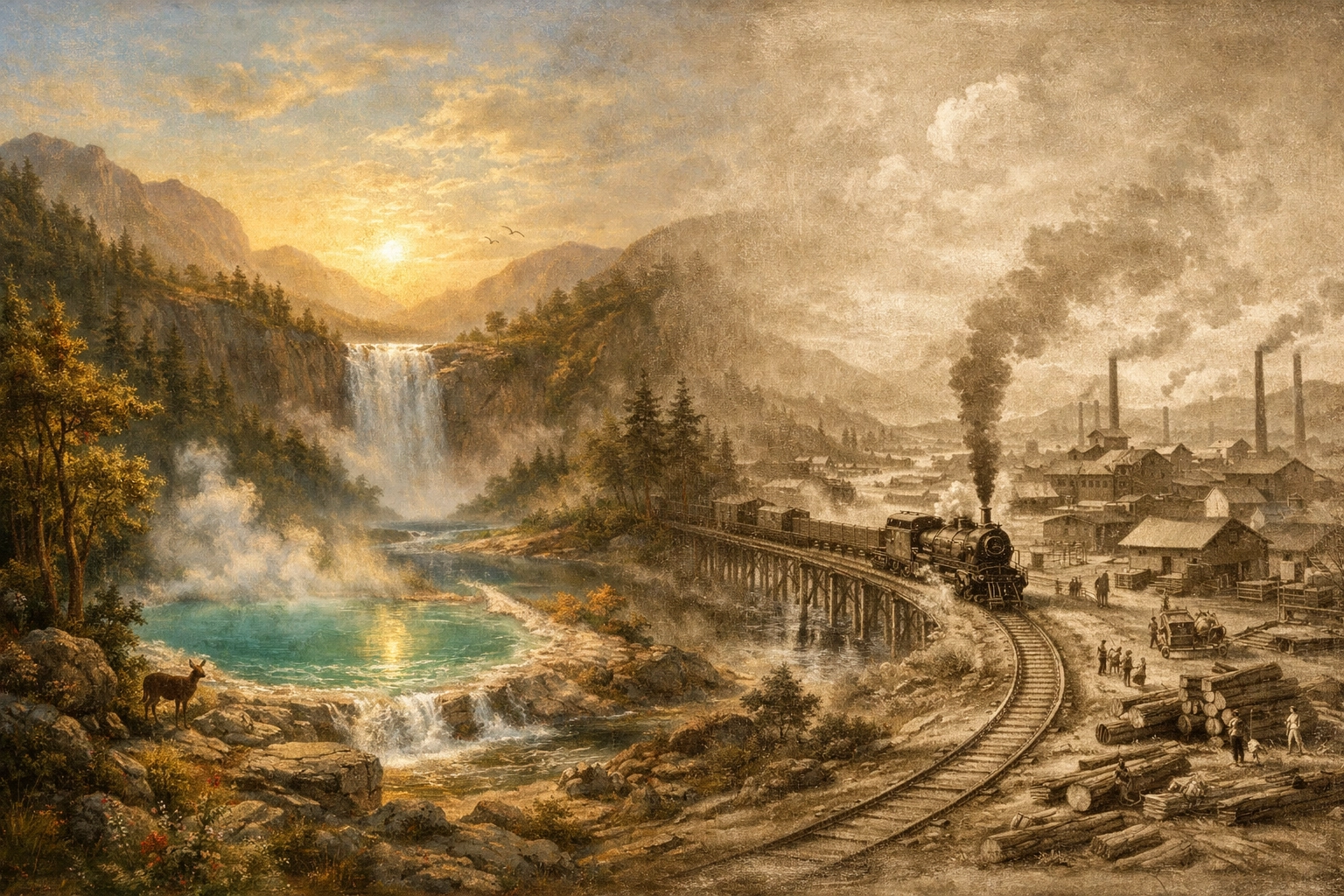
To understand the gravity of 1872, one must look at the prevailing American ideology of the mid-19th century. During the era of Westward Expansion, the federal government’s primary objective was the "disposal" of public lands. The goal was to transfer federal acreage into private hands for:
Mining and mineral extraction
Logging and timber production
Agricultural development and farming
Railroad expansion
The "first-come, first-served" settler mentality dominated the landscape. The 1872 Act fundamentally rejected this practice for the first time. By declaring that certain lands were too valuable: geologically, biologically, and aesthetically: to be owned by individuals, the government established the precedent that natural resources could be managed for the public good rather than private profit.
Q: How did visual documentation influence the 1872 decision?
The protection of Yellowstone was not a foregone conclusion. It required convincing a Congress that had never seen the "wonders" described by early explorers. In 1871, the Hayden Geological Survey embarked on a scientific expedition to document the region.
The success of the 1872 Act was largely due to the work of:
William Henry Jackson (Photographer): His photographs provided the first visual evidence of geysers and canyons that many in the East dismissed as myths.
Thomas Moran (Painter): His stunning, large-scale watercolors of the Grand Canyon of the Yellowstone captured the imagination of lawmakers, showcasing the "sublime" beauty of the American West.
These visual records allowed Congress to see the value of preservation. This demonstrates a vital lesson for students today: scientific data combined with powerful communication (art and media) is often the key to driving policy change.
Q: What is the "Yellowstone Model" and how did it affect global conservation?
The "Yellowstone Model" refers to the practice of state-mandated protection of land as a wilderness area, free from human settlement and industrial exploitation. While this model has faced scrutiny regarding the displacement of Indigenous populations: a critical topic for classroom discussion: it undeniably sparked an international movement.
Following 1872, the precedent inspired:
The protection of Yosemite and Mount Rainier in the United States.
The establishment of Royal National Park in Australia (1879).
The founding of Banff National Park in Canada (1885).
The eventual creation of the U.S. National Park Service in 1916.
Today, there are over 4,000 national parks globally, all of which trace their lineage back to the legislative breakthrough of 1872.
Q: How does Yellowstone serve as a living laboratory for science students?
Yellowstone is more than a historical site; it is the northern hemisphere's best-preserved natural ecosystem. For students focusing on earth science and biology, it offers unparalleled opportunities to study:
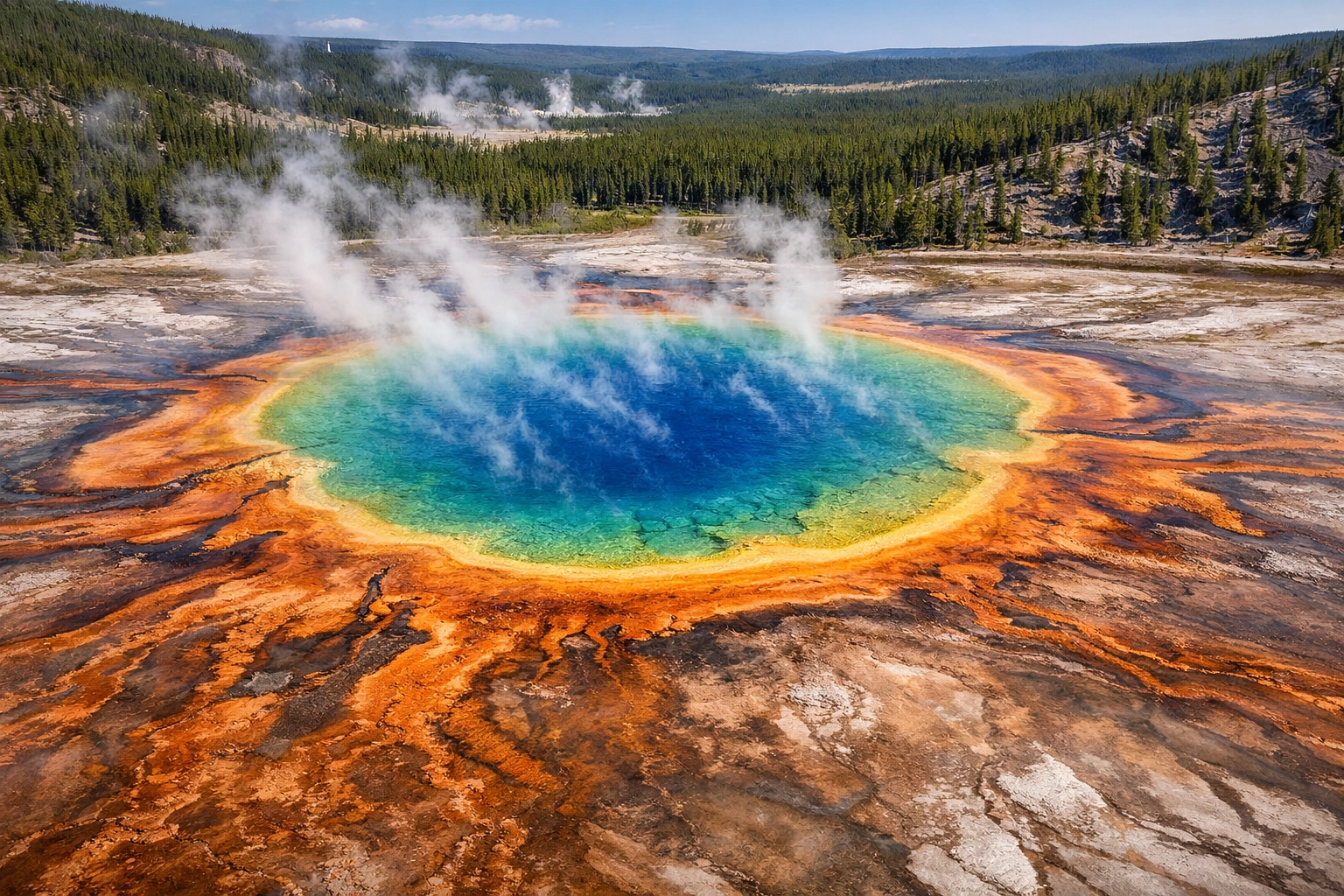
Geology and Vulcanology: Yellowstone sits atop a massive supervolcano, providing a clear view of hydrothermal features like geysers, fumaroles, and mudpots.
Wildlife Ecology: It is a premier location for studying predator-prey relationships, particularly following the reintroduction of wolves in 1995, which led to a "trophic cascade" that reshaped the entire ecosystem.
Microbiology: The extremophiles living in the park’s hot springs have led to major breakthroughs in DNA research and biotechnology.
Instructional Guide for Educators: Planning a Conservation-Focused Expedition
When preparing your students for a field study in conservation history or wildlife ecology, a meticulous and structured approach is essential. Use the following steps to ensure a safe and productive learning experience.
1. Establish Learning Objectives
Before leaving the classroom, ensure students understand the "why" behind their visit. Focus on:
The transition from exploitation to preservation.
The role of federal policy in environmental protection.
The impact of the 1872 Act on modern biodiversity.
2. Prioritize Safety and Vigilance
National Parks are wild environments. Maintaining a risk-averse mindset is of paramount importance.
Strictly enforce wildlife distances: Advise students to remain at least 100 yards from bears/wolves and 25 yards from all other wildlife.
Thermal Area Protocols: Emphasize the importance of staying on boardwalks. Hydrothermal areas are fragile and potentially lethal.
Hydration and Exposure: Create a detailed equipment checklist including layers for variable weather and individual water purification or storage solutions.
3. Foster an Inquiry-Based Environment
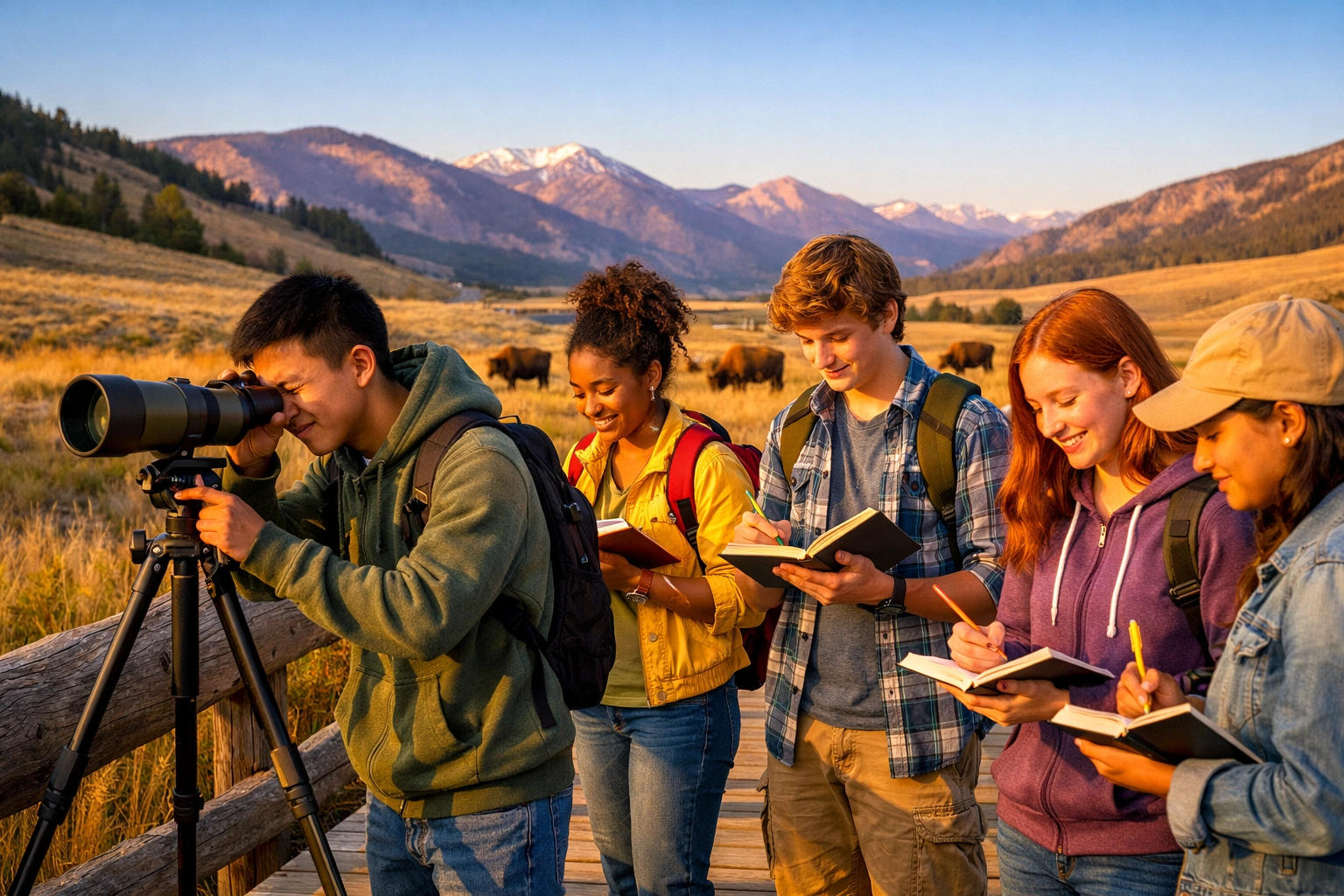
Encourage students to act as field researchers. Provide them with field journals to document:
Observations of geological features.
Human-wildlife interactions and park management strategies.
Reflections on the "Public Park" concept in the 21st century.
Experiencing Conservation with Appleseed Expeditions
At Appleseed Expeditions, we believe that true understanding comes from standing where history was made. Our Yellowstone science trips are designed to provide students with a hands-on look at the legacy of 1872. By working with expert guides, students engage in scientific data collection, wildlife tracking, and deep discussions on the future of our planet's resources.
Whether you are interested in our Yellowstone programs or exploring other science-heavy destinations like the Oregon school trip (focused on Pacific Northwest volcanic activity), our goal is to provide a safe, structured, and profoundly educational experience.
Q: What are the modern challenges to the conservation legacy of 1872?
While 1872 established protection, the work is far from over. Modern conservationists face new, complex challenges that did not exist in the 19th century:
Climate Change: Rising temperatures are altering the snowpack and water cycles in Yellowstone, affecting everything from geyser frequency to trout populations.
Over-Tourism: Balancing the "enjoyment of the people" with the protection of the resource is a delicate act.
Invasive Species: Protecting native flora and fauna from non-native competitors is a constant struggle for park biologists.
Discussing these challenges with students helps them realize that conservation is an ongoing responsibility, not a one-time act by a president 150 years ago.
Q: How can teachers integrate the 1872 story into broader curricula?
The founding of Yellowstone is an interdisciplinary goldmine.
In History: Analyze the post-Civil War era and how a fractured nation sought identity in its natural wonders.
In Civics: Study the legislative process of the 1872 Act and how public land laws are debated today.
In Science: Use Yellowstone as a case study for ecosystem stability and geological change.
For more resources on educational travel and curriculum integration, you can explore our blog posts or learn more about our mission on the About Us page.

Final Thoughts on the Legacy of 1872
The year 1872 serves as a reminder that bold, visionary leadership can change the world. By choosing to protect a vast wilderness for its own sake and for the public's benefit, the founders of Yellowstone created a gift for future generations.
As educators, your role is to ensure students understand the fragility of this gift. By practicing proactive thinking and emphasizing the importance of stewardship, we prepare the next generation of conservationists to carry the torch that was lit in 1872. Ensuring the safety and education of students in these environments is the best way to honor that legacy.
To start planning your next educational journey, visit our booking services and discover how we can help you bring history and science to life.
Core Objectives:
Analyze the historical significance of the 1872 Yellowstone Act.
Educate students on the shift from land exploitation to public preservation.
Prepare educators with actionable safety and instructional tips for field studies.
Promote active stewardship through immersive educational travel experiences.

Comments