


Q&A: How can students stay safe around bison and grizzlies?
- Caleb Mullenix
- Apr 7
- 6 min read

Ensuring the safety of students during an educational expedition to the American West is of paramount importance. When venturing into habitats like those found in Yellowstone National Park, students and educators are guests in an ecosystem home to powerful wildlife, specifically the American bison and the grizzly bear. Managing a group of students in these environments requires a meticulous approach to preparation, constant vigilance, and a clear understanding of wildlife biology and safety protocols.
Preparing your students for these encounters involves careful planning and the establishment of non-negotiable safety rules. This guide serves as a comprehensive Q&A to help educators instruct their groups on how to coexist safely with these magnificent animals while maximizing the educational value of the trip.
Section 1: Bison Safety – The Giants of the Plains
Bison may appear slow and docile, similar to cattle, but they are unpredictable and can run three times faster than humans. They are responsible for more injuries to park visitors than any other animal.
Q: What is the "Golden Rule" for distance when observing bison?
A: The absolute minimum distance students must maintain from bison is 25 yards (23 meters). However, if the animal changes its behavior because of your presence, such as stopping its grazing to look at you, you are already too close.
The Thumb Rule Instruction: Advise students to use the "Thumb Rule" to verify their distance. Instruct them to stretch their arm out straight and hold up their thumb. If they can completely cover the bison with their thumb while one eye is closed, they are likely at a safe distance. If any part of the bison is visible around the edges of the thumb, they must back away immediately.
Q: What are the warning signs that a bison is agitated?
A: Educators must teach students to recognize the subtle and overt signs of bison distress. Vigilance is key. Instruct your students to watch for:
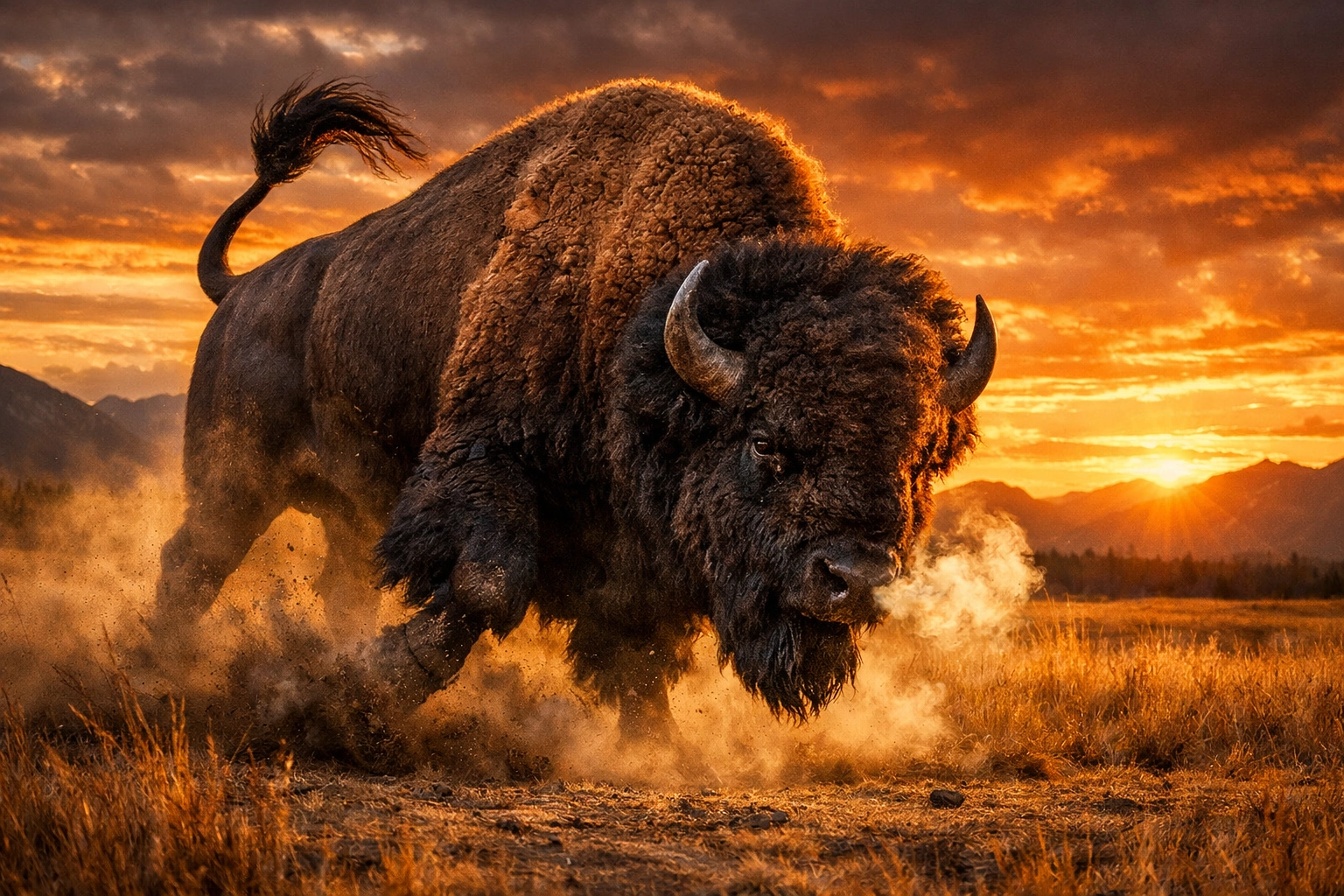
The Tail: If a bison’s tail is raised above the plane of its back, it is a clear sign of agitation and an impending charge.
Vocalizations: Snorting, huffing, or bellowing.
Head Movements: Shaking or tossing the head, or swinging the head back and forth while staring directly at the group.
Ground Interaction: Pawing the ground with hooves or hooking the dirt with horns.
Bluff Charges: Short, sudden bursts of movement toward the group.
Q: How should a student group handle bison while in a vehicle?
A: Bison often use roads as paths of least resistance. If your group encountered a "bison jam," follow these strict protocols:
Remain Inside: Ensure all students stay inside the vehicle at all times. Do not allow them to lean out of windows or sunroofs.
Maintain Composure: Advise the driver to move slowly and patiently. Never honk the horn, rev the engine, or drive aggressively toward the animals.
Distance: Keep a safe distance between the vehicle and the animal. If a bison approaches the vehicle, stop and wait for it to pass.
Q: What should students do if a bison approaches them on a trail?
A: If the bison is moving toward the group, do not run. Running can trigger a chase instinct. Instead, advise students to:
Back Away Slowly: Maintain eye contact but move backward steadily.
Seek Cover: Look for a large tree, a boulder, or a vehicle to put between the group and the bison.
Group Up: Stay close together to appear as one large, non-threatening entity rather than scattered individuals.
Section 2: Grizzly Bear Safety – Awareness and Avoidance
Grizzly bears are iconic symbols of the wilderness, but encounters can be dangerous if the bear is surprised or feels its cubs or food source are threatened.
Q: How far away should students stay from grizzly bears?
A: The safety margin for bears is significantly larger than for bison. Students must maintain a minimum distance of 100 yards (91 meters) from all bears, including grizzlies and black bears. This is roughly the length of a football field. Use binoculars or spotting scopes for observation to ensure this distance is never compromised.
Q: What is the most effective way to avoid a grizzly encounter?
A: The best defense is a proactive offense: Make noise. Bears generally want to avoid humans as much as we want to avoid a surprise encounter.
"Hey Bear!": Encourage students to periodically yell "Hey bear!" or "Whoop, whoop!" especially when moving through dense brush, near running water, or around blind corners.
Group Travel: Always hike in tight groups. There are no recorded instances of a grizzly attacking a group of four or more people who remained close together.
Timing: Avoid hiking at dawn, dusk, or at night when grizzlies are most active. Stick to daylight hours for all trail activities.
Q: What should a group do if they see a grizzly in the distance?
A: If a bear is spotted and it has not noticed the group:
Stop: Do not approach for a better look or photo.
Retreat: Quietly and slowly back away the way you came.
Monitor: Keep a constant watch on the bear’s location as you increase the distance.
Q: What if the bear notices the group?
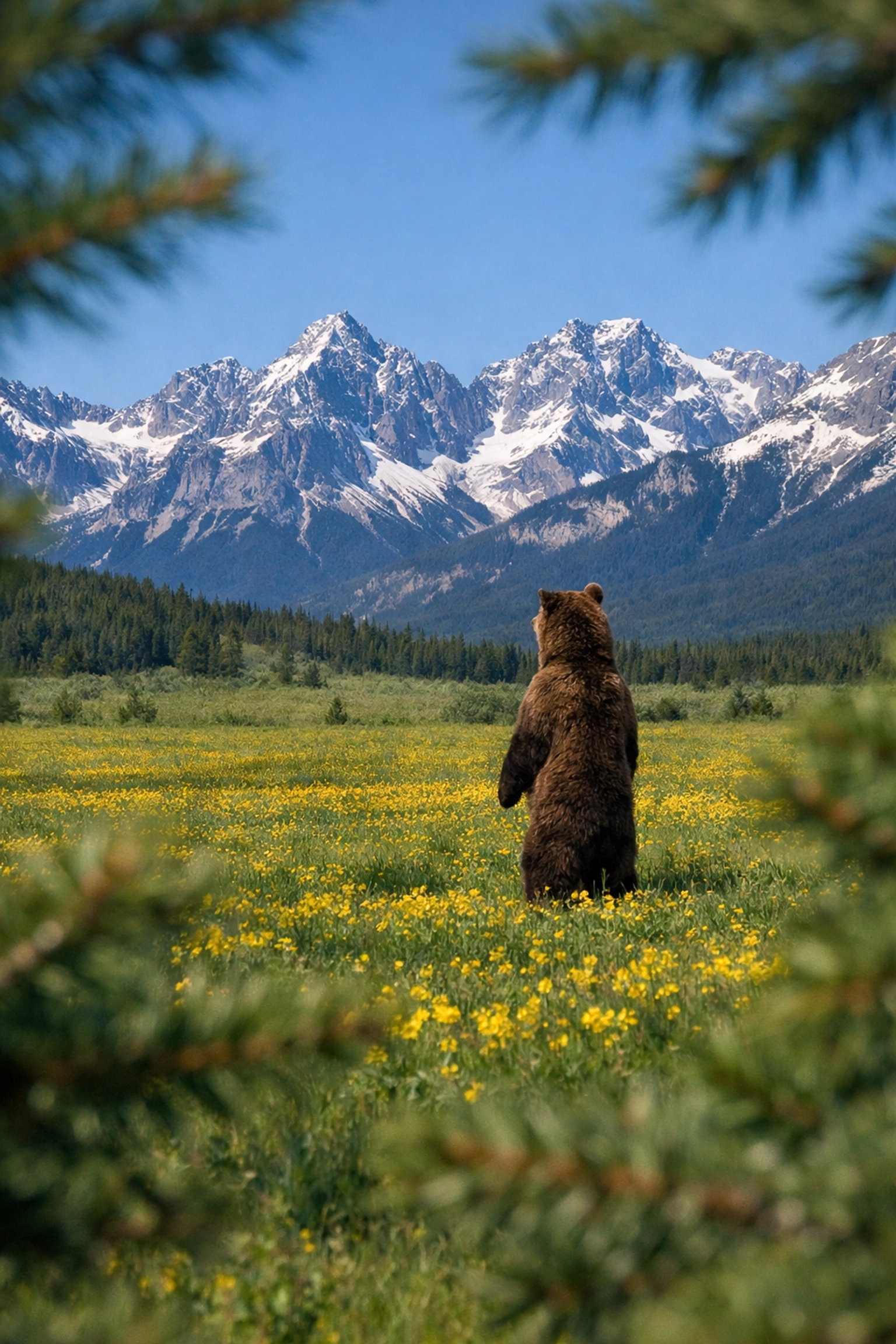
A: If the bear stands up on its hind legs, it is usually trying to identify you, not necessarily preparing to attack.
Stay Calm: Do not scream or make sudden movements.
Speak Low: Talk to the bear in a calm, firm voice to identify yourselves as human.
Do Not Run: Running can trigger a predatory response. A grizzly can reach speeds of 35 mph; you cannot outrun it.
Ready the Bear Spray: Ensure all chaperones have their bear spray out and the safety clip removed.
Section 3: The Essential Guide to Bear Spray
Bear spray is a non-lethal deterrent that has been proven more effective than firearms in stopping bear attacks. However, it is only effective if used correctly and kept accessible.
Q: Who should carry bear spray?
A: On a student trip, every adult leader and chaperone must carry bear spray. Depending on the age of the students and the school's policy, older students may also be trained to carry it. It must be carried in a holster on the hip or a chest harness, never inside a backpack.
Q: How do you use bear spray effectively?
A: Instruct your team on these specific steps:
Remove the Safety: Pull the safety clip off with your thumb.
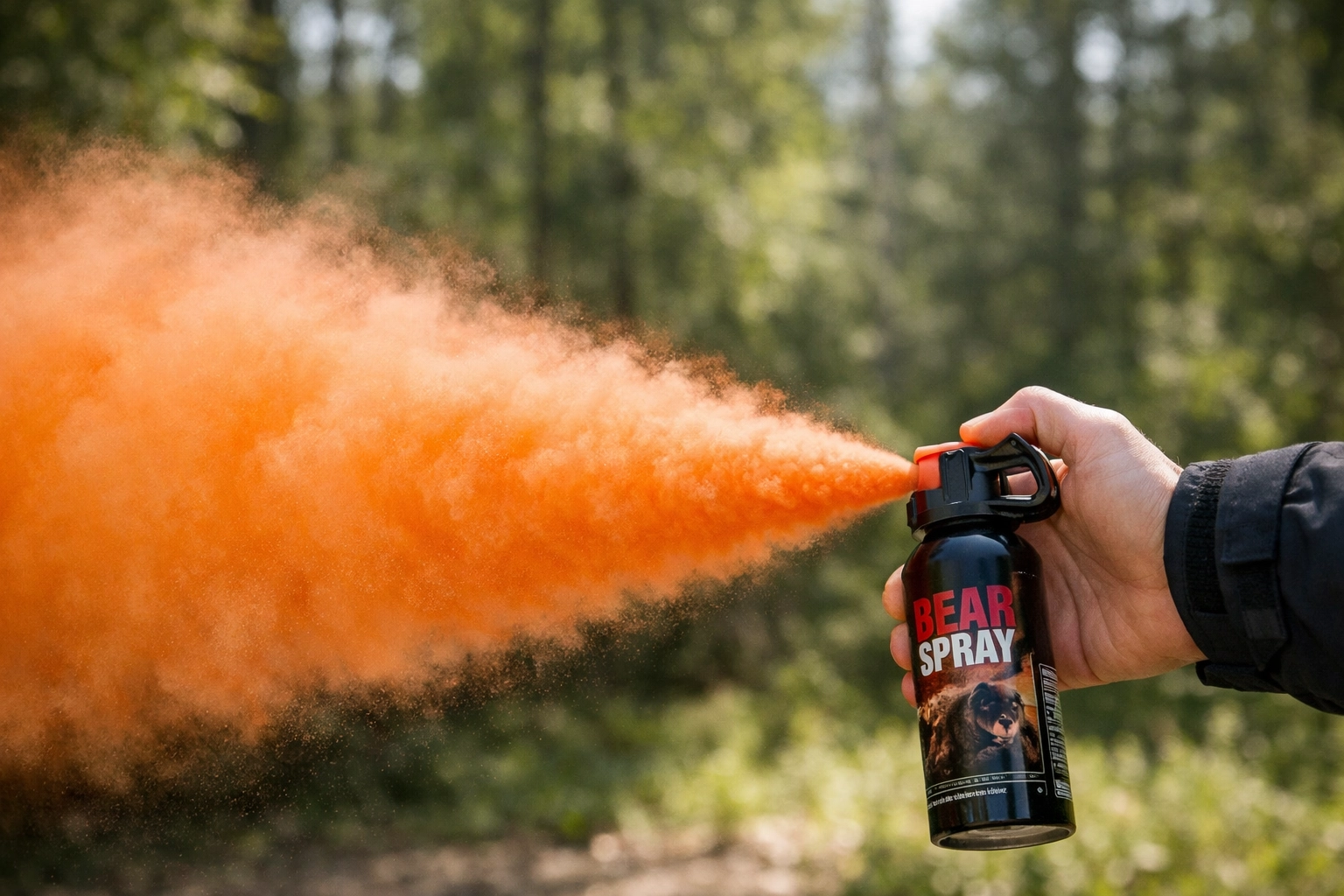
Aim Low: Aim slightly downward in front of the bear’s feet. The cloud will rise.
The Burst: When the bear is within 30-60 feet, spray a 2-3 second burst.
Create a Wall: The goal is to create a cloud of pepper spray between the group and the bear.
Evaluate: If the bear continues to approach, spray again, aiming for the face.
Q: Are there limitations to bear spray?
A: Yes. Educators must be aware that wind can blow the spray back toward the group or dissipate the cloud. Always check the expiration date on the canisters before the trip begins. Practice with "inert" training canisters (which contain no pepper) is highly recommended for all chaperones before arriving at the trail.
Section 4: Group Management for Educators
Managing student behavior is the most critical component of wildlife safety. A single student breaking protocol can put the entire group at risk.
Q: How can I ensure student compliance with safety rules?
A:
Pre-Trip Briefing: Hold a mandatory safety meeting with students and parents before departure. Emphasize that wildlife safety rules are non-negotiable and that failure to follow them will result in immediate removal from trail activities.
Designated "Wildlife Marshals": Assign specific chaperones to monitor the perimeter of the student group during stops to watch for wildlife.
The "Buddy System": Ensure no student is ever alone, even for a moment. This is vital for safety in grizzly country.
For more information on planning the logistics of a wildlife-focused trip, see our guide on Lamar Valley wildlife for teachers or compare different regions in our Yellowstone vs Grand Canyon school trip analysis.
Experience Yellowstone Science with Appleseed Expeditions
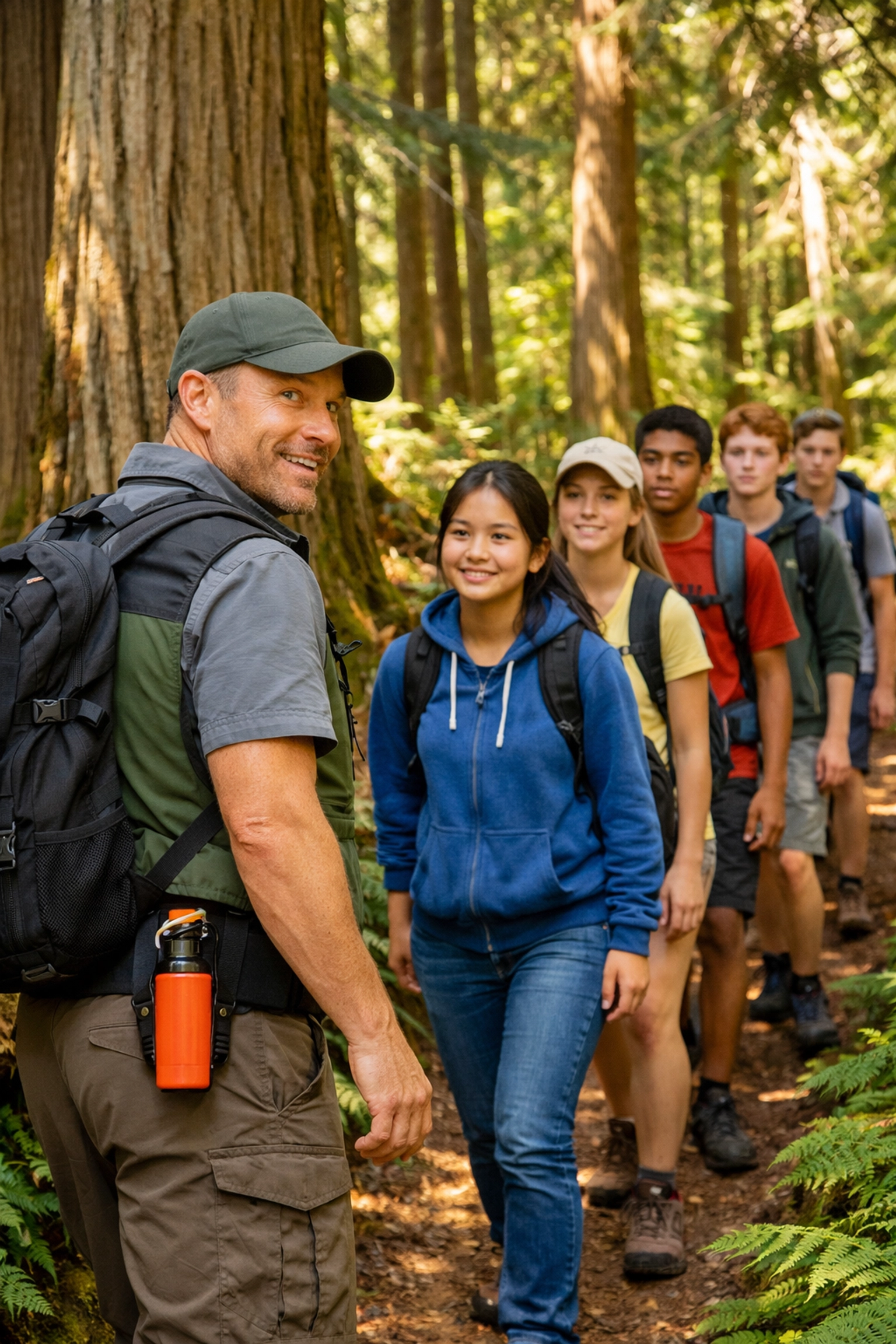
At Appleseed Expeditions, we believe that the best way to learn about wildlife ecology is through safe, hands-on experience. Our Yellowstone science trips are designed to put students in the heart of these ecosystems while maintaining the highest safety standards. We provide expert guides who are trained in wildlife behavior and group management, ensuring that your students can focus on the wonders of citizen science opportunities in Yellowstone without compromising their well-being.
Whether you are studying the reintroduction of wolves or the geological wonders of the geyser basins, we handle the logistics and safety protocols so you can focus on teaching. Visit Appleseed Expeditions to learn more about our upcoming educational tours.
Conclusion: Preparation is the Foundation of Safety
Ensuring the safety of students around bison and grizzlies requires a proactive mindset and a commitment to meticulous preparation. By instructing students on distance rules, recognizing behavioral warning signs, and mastering the use of bear spray, you create a secure environment where learning can flourish.
Respect for wildlife is the ultimate lesson. By maintaining a safe distance and observing these animals in their natural state, students learn the value of conservation and the importance of coexisting with the wild. Always prioritize vigilance, stick to your procedures, and maintain clear communication with your group to ensure an enriching and safe expedition for everyone involved.
Comments