


Q&A: How do Yellowstone's geysers actually work?
- Caleb Mullenix
- Apr 7
- 5 min read

Yellowstone National Park serves as one of the world’s most significant "living laboratories," offering students and educators an unparalleled look at geothermal energy, chemistry, and geology in action. Understanding the mechanics behind these natural wonders is not merely a matter of curiosity; it is a fundamental component of earth science education. For school groups planning a visit, grasping the "how" and "why" behind geyser eruptions ensures a deeper appreciation for the delicate balance of our planet’s interior.
The following Q&A serves as a comprehensive guide for educators to utilize when preparing students for a science expedition to Yellowstone.
Q1: What is the primary heat source fueling Yellowstone’s hydrothermal activity?
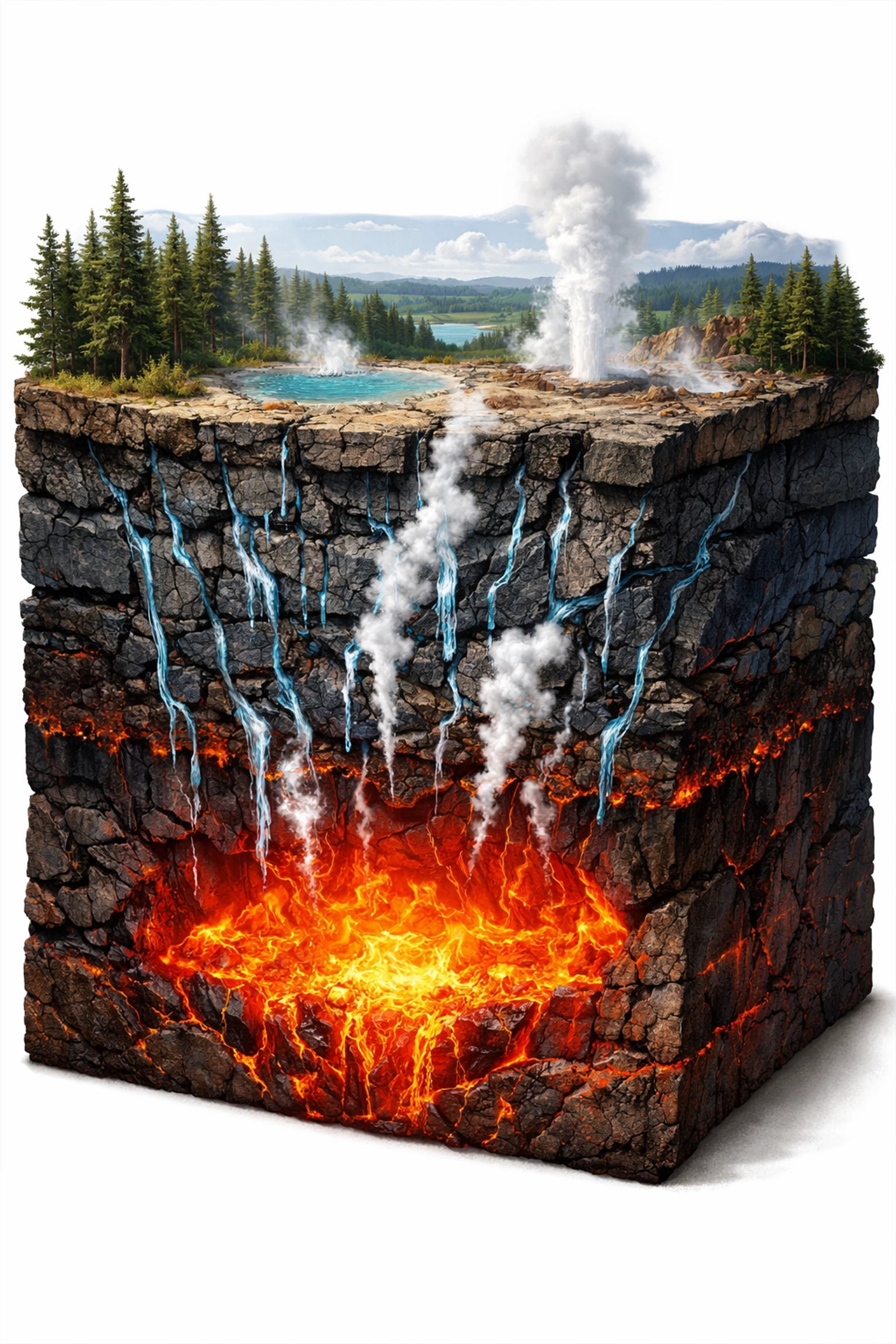
At the core of every geyser eruption is a massive heat source. Unlike many volcanic regions located at the boundaries of tectonic plates, Yellowstone sits atop a "hotspot": a stationary plume of intense heat rising from deep within the Earth’s mantle.
Key Educational Points:
The Magma Chamber: Magma (molten rock) is located as close as 3 to 5 miles beneath the surface of the park. This proximity is what allows the groundwater to reach incredible temperatures.
The Heat Transfer: The heat from the magma is transferred to the surrounding rock layers. As groundwater seeps through fractures in the Earth’s crust, it comes into contact with this superheated rock, initiating the hydrothermal process.
Geologic Context: Educators should emphasize that this hotspot has been active for millions of years, fueling the massive caldera and the 10,000+ hydrothermal features found within the park boundaries.
Q2: What distinguishes a geyser’s "plumbing" from that of a standard hot spring?
While both geysers and hot springs involve heated water rising to the surface, their internal structures are fundamentally different. Understanding this "hydrothermal plumbing" is essential for students to visualize the mechanics of an eruption.
The Structural Difference: A standard hot spring has an open, unobstructed plumbing system. This allows heated water to circulate freely via convection; hot water rises, cools at the surface, and sinks back down. Because the water can move easily, it rarely reaches the point of explosive boiling at the surface.
In contrast, a geyser possesses a constriction in its underground plumbing. These narrow passageways or "tight spots" in the rock act like a nozzle. These constrictions trap steam and prevent the free circulation of water. This creates a high-pressure environment where water can be heated far beyond its normal boiling point (212°F at sea level) without actually turning into steam: a state known as being "superheated."
Q3: How does the eruption cycle work step-by-step?
The eruption of a geyser is a predictable sequence of physics and thermodynamics. For school groups, this cycle can be broken down into five distinct phases:
Water Accumulation: Cold groundwater (from rain and snowmelt) seeps deep into the Earth through fractures. It fills the underground reservoirs and the constricted plumbing system.
Superheating: The water at the bottom of the system is heated by the nearby magma chamber. Because of the weight of the water column above it (hydrostatic pressure), the water at the bottom does not boil immediately, even as it reaches temperatures well above 200°F.
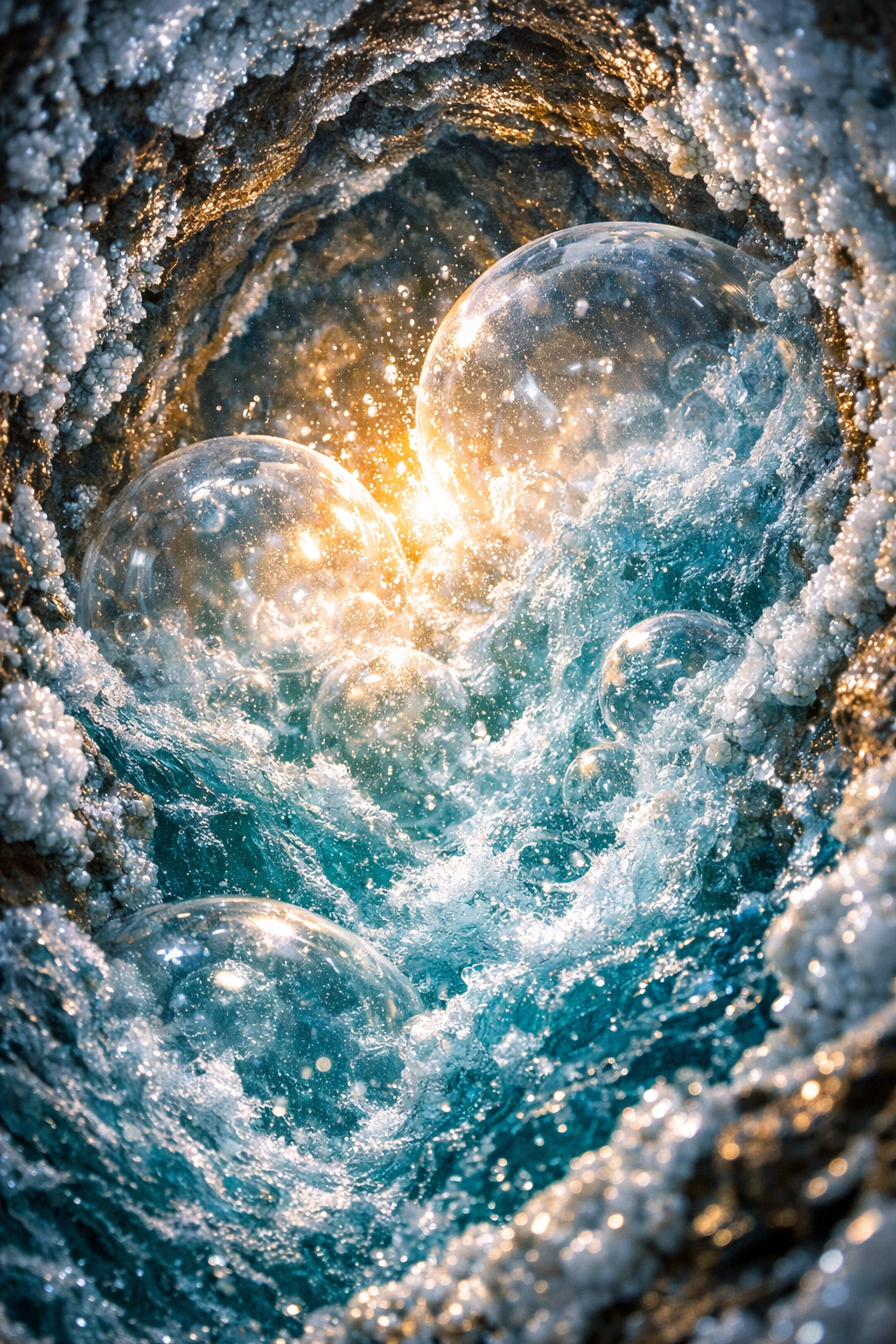
Steam Bubble Formation: Eventually, the water at the bottom becomes so hot that steam bubbles begin to form. These bubbles rise but become trapped by the narrow constrictions in the plumbing.
The Trigger (Overflow): As the steam bubbles expand, they push the water above them upward. This causes water to spill out over the edge of the geyser’s surface vent.
The Flash Boil: This overflow is critical. When water leaves the system, the weight (and therefore the pressure) on the water remaining below suddenly drops. When pressure drops, the superheated water "flashes" into steam instantly. This massive, rapid expansion of steam forces the remaining water out of the vent in a violent jet: the eruption we see from the boardwalk.
Q4: Why are water and silica so important for the survival of a geyser?
For a geyser to function, it requires a specific "recipe" of ingredients: heat, water, and a specialized mineral called silica. Without silica, the geyser’s plumbing system would eventually crumble or leak.
The Role of Silica (Sinter): As superheated water travels through the rhyolite (volcanic rock) underground, it dissolves the silica contained within the rock. When the water reaches the surface and cools, it can no longer hold the silica, and the mineral precipitates out. This deposit is known as siliceous sinter or geyserite.
Why students should care about Sinter:
Internal Lining: Silica acts as a natural "cement." It coats the inside of the geyser’s plumbing, making the walls pressure-tight and strong enough to withstand the immense forces of an eruption.
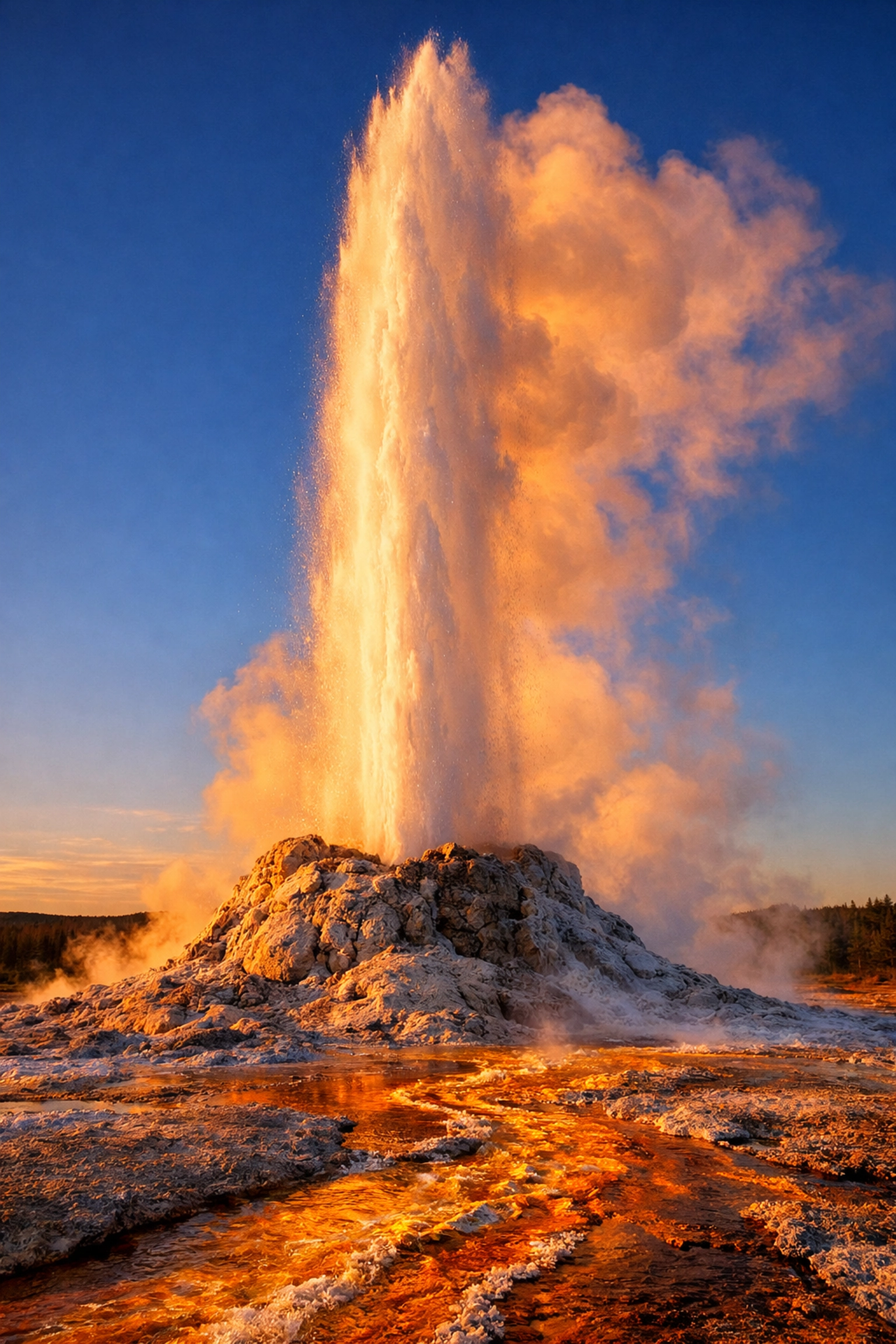
Cone Formation: In "cone geysers," this mineral buildup creates the visible mounds seen above ground.
Sensitivity: Educators must remind students that these silica structures are fragile. Dropping objects into geysers can plug the narrow constrictions, effectively "killing" the geyser by ruining its plumbing.
Q5: What are the different types of geysers students can observe?
Yellowstone contains over 500 active geysers, representing nearly half of the world’s total. While each is unique, they generally fall into two categories based on their surface structure and plumbing.
1. Cone Geysers: These have a narrow, nozzle-like vent at the surface, often surrounded by a mound of sinter. Because the opening is so small, the water is forced out under extreme pressure, resulting in high, steady columns of water. Old Faithful is the most famous example of a cone geyser.
2. Fountain Geysers: Fountain geysers typically erupt from a pool of water. They have wider openings and their eruptions are often characterized by erratic "bursts" of water spraying in multiple directions rather than a single, focused column. Great Fountain Geyser is a spectacular example of this type.
Q6: Why is Yellowstone the premier location for this study?
Yellowstone is unique because it combines all the necessary factors for geyser activity in one accessible location: a massive active hotspot, abundant precipitation to provide groundwater, and a high concentration of silica-rich rhyolite rock. This combination is rare globally, making the park an essential destination for hands-on science education.
Safety and Responsibility for School Groups
Ensuring the safety of students during a hydrothermal tour is of paramount importance. The ground in hydrothermal areas is often a thin crust over boiling water, and the water temperatures in the pools can be fatal.
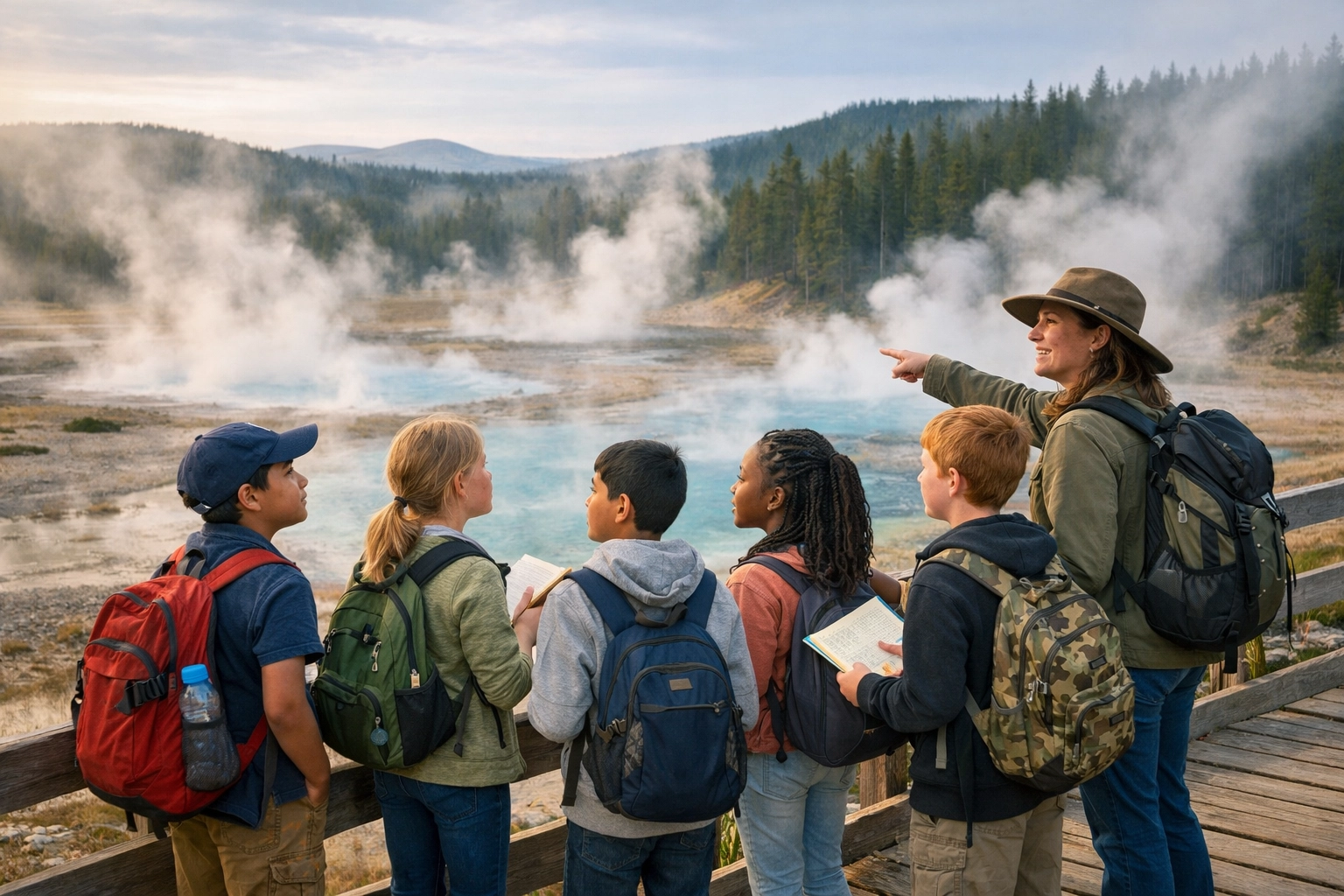
Instructional Directive: Educators must strictly enforce the rule of staying on designated boardwalks at all times.
Environmental Stewardship: Advise students that nothing should ever be thrown into a hydrothermal feature. As discussed, the delicate plumbing systems are easily damaged by foreign objects, which can lead to the permanent cessation of geyser activity.
Wildlife Awareness: While geysers are the focus, students must maintain a safe distance from wildlife. For more on managing wildlife sightings, see our Lamar Valley guide for teachers.
Experience the Science with Appleseed Expeditions
Preparing your students for a trip to Yellowstone involves careful planning and a deep understanding of the geologic forces at play. At Appleseed Expeditions, we specialize in transforming these scientific concepts into immersive, hands-on experiences. Our Yellowstone programs allow students to step into the role of a field scientist, measuring pH levels, observing eruption intervals, and studying the extremophile bacteria that thrive in these harsh environments.
By partnering with Appleseed Expeditions, educators can ensure a trip that is not only safe and meticulously organized but also profoundly impactful on a student’s academic journey. We provide the expertise and logistical support necessary to maximize learning opportunities in the field.
Conclusion: Reaffirming Our Educational Goals
The geysers of Yellowstone are more than just a tourist attraction; they are a window into the inner workings of our planet. By understanding the heat source, the unique plumbing, and the chemistry of silica, students move from being passive observers to active learners.
Ensuring student safety, fostering a respect for natural wonders, and preparing through rigorous scientific inquiry are the core objectives of every successful expedition. We encourage all educators to continue exploring the fascinating world of hydrothermal science and to consider the life-changing impact of a field-based education in the heart of the American West. For more information on planning your next educational tour, visit our main website or explore our blog for further resources.
Comments