


Looking For Caribbean Ocean Conservation Trips? Here Are 10 Things You Should Know Before Booking

Facilitating a student expedition to the Caribbean requires a strategic transition from traditional tourism to intentional, restoration-focused education. As educators and group leaders, your primary objective is to provide a transformative experience that balances rigorous scientific inquiry with the highest standards of safety and local impact. The Caribbean basin serves as a critical laboratory for observing the effects of climate change, overfishing, and habitat degradation, making it an ideal destination for marine science studies.
Before committing to a program, it is essential to understand the logistical, biological, and safety-related nuances of the region. Use the following ten points as a definitive guide to selecting and booking a Caribbean ocean conservation trip that maximizes both academic value and environmental contribution.
1. Identify Regional Specializations and Habitats
The Caribbean is not a monolithic environment; different islands and coastal regions offer distinct conservation priorities. When planning your trip, align your curriculum goals with the specific ecological needs of the destination.
Belize: Renowned for the Mesoamerican Barrier Reef, focusing on coral health, manatee conservation, and seagrass ecology. For a deeper dive into this region, review The Ultimate Guide to Marine Biology Fieldwork in Belize for School Groups.
Jamaica and Puerto Rico: Often focus on mangrove restoration and the protection of bioluminescent bays.
Dominican Republic and Grenada: Major hubs for sea turtle monitoring and nursery management.
Selecting the right location ensures that your students are engaging with the specific marine life: be it staghorn coral or hawksbill turtles: that aligns with your classroom objectives.
2. Assess Diving and Swimming Proficiency Requirements
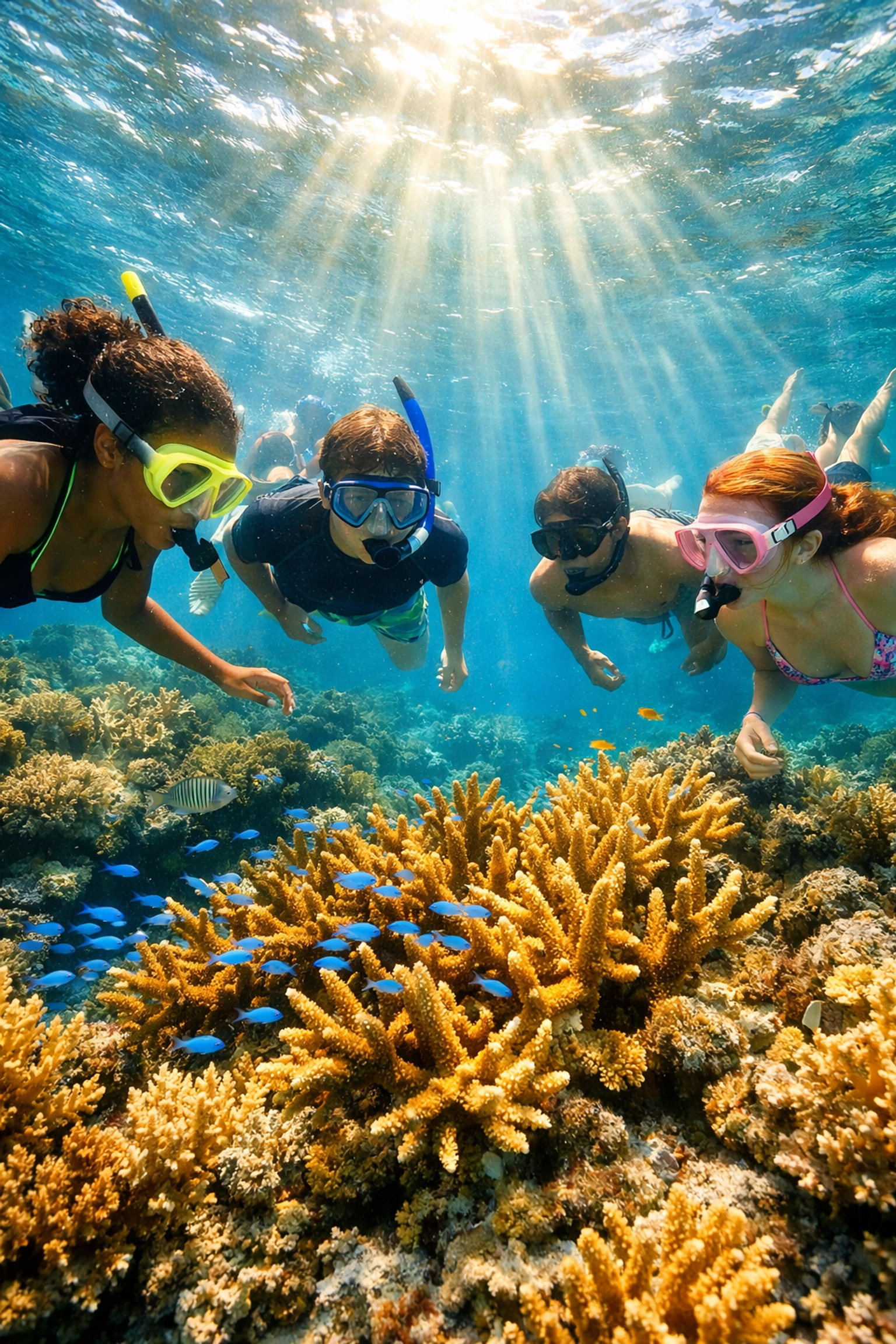
A common misconception is that conservation work requires advanced SCUBA certification. In reality, a significant portion of Caribbean conservation research is conducted via snorkeling or from shore-based stations.
Ensure that you accurately assess the swimming abilities of your students before booking. Most reputable programs offer comprehensive training in survey techniques and research methods on-site. However, you must verify if the program requires:
Basic snorkeling proficiency.
PADI or NAUI Open Water certification (for deeper reef restoration).
Standard water safety swim tests.
By identifying these requirements early, you can provide students with the necessary lead time to complete certifications or swimming lessons.
3. Evaluate the Impact of Program Duration
Educational impact is often correlated with the time spent in the field. Volunteer stays in the Caribbean typically range from one to eight weeks. For school groups, a 7-to-10-day intensive program is often the most effective balance.
Short-term (1 week): Focuses on introductory citizen science, such as beach cleanups and basic species identification.
Mid-term (2-3 weeks): Allows for more complex data collection and participation in ongoing restoration projects.
Long-term (4+ weeks): Best suited for university-level research or gap-year students seeking mastery in field methods.
Consider the academic calendar and the depth of the "service-learning" component. Avoid programs that feel like a "vacation with a project" and instead prioritize those that integrate students into the daily workflow of local scientists.
4. Verify Age and Supervision Standards
Safety is of paramount importance when managing student groups in international waters. Age requirements vary significantly across Caribbean programs. While some organizations accept students aged 16 and older, many high-school-specific trips require a lower student-to-chaperone ratio and specialized supervision.
When vetting a provider, insist on seeing their:
Risk management and emergency evacuation protocols.
Staff-to-student ratios (ideally 1:8 or lower).
Background check policies for local guides and boat captains.
Consistent supervision ensures that students remain focused on conservation tasks while maintaining a high level of situational awareness near the water.
5. Understand Total Cost and Financial Transparency
Program fees for Caribbean conservation trips typically start around $770 per week, but costs fluctuate based on the remoteness of the site and the specialized equipment required.
To avoid budgetary surprises, confirm whether the following are included:
All meals and filtered drinking water.
Research permits and national park entrance fees.
On-island transportation and boat fuel.
Emergency medical insurance.
Transparency in pricing is a hallmark of a professional educational travel partner. For those looking to avoid common pitfalls in marine science trip planning, consult 7 Mistakes You’re Making with Student Marine Science Trips.
6. Coordinate with Biological and Seasonal Cycles
Marine conservation is deeply tied to seasonal cycles. Booking at the wrong time of year may result in missing the very phenomena your students hope to study.
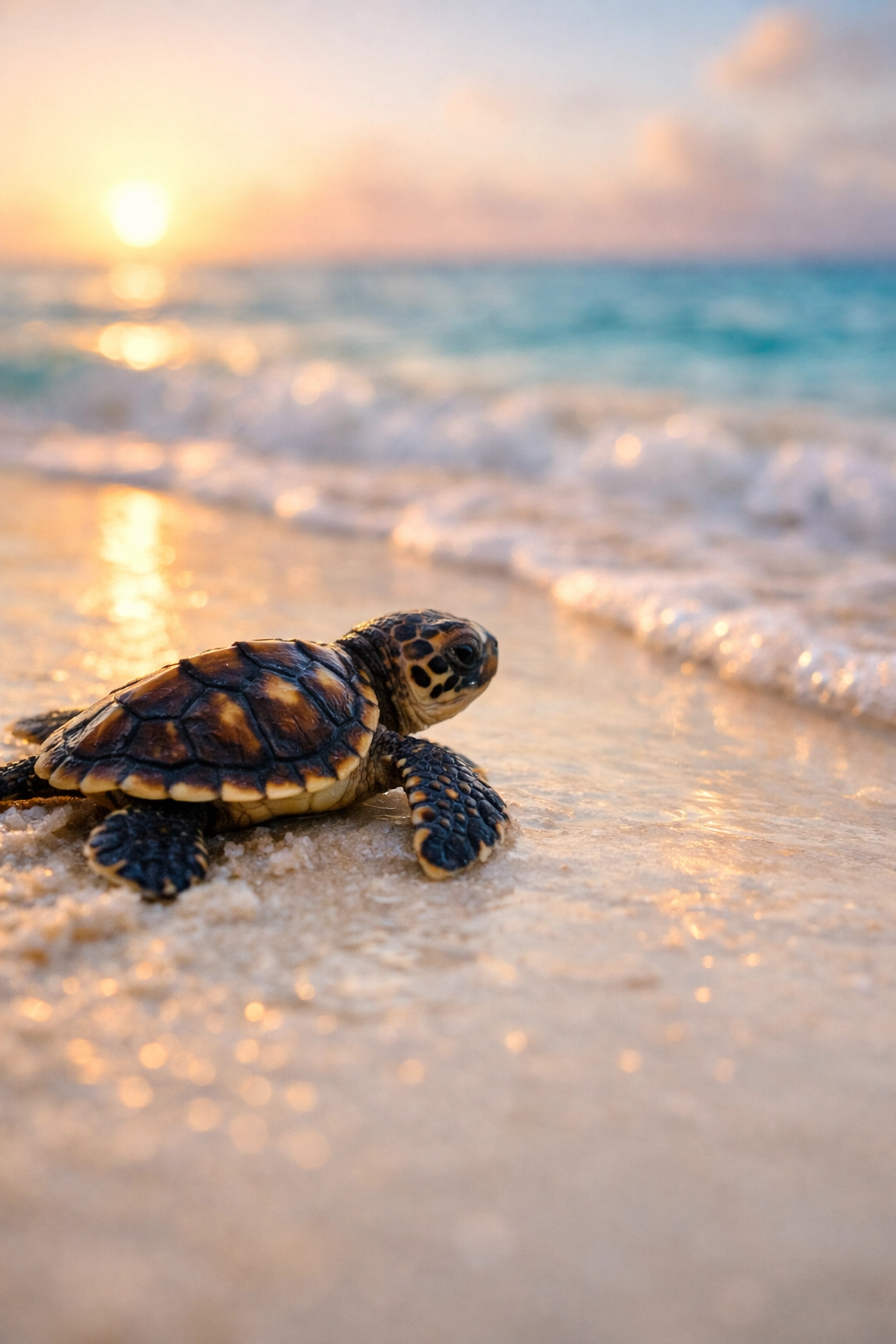
Sea Turtle Nesting/Hatching: Generally occurs between May and September.
Coral Spawning: Often happens in late summer, following the full moon.
Hurricane Season: Runs from June through November. While many programs operate during this time, you must have a robust contingency plan and travel insurance that covers weather-related cancellations.
Always cross-reference your travel dates with the peak activity periods for the local flora and fauna to maximize the educational value of the expedition.
7. Prioritize Genuine Citizen Science and Data Contribution
Your expedition should contribute to real-world conservation outcomes. Students are far more engaged when they know their data is being used in annual reports or by local government agencies to protect habitats.
Inquire about the specific data your students will collect. Will they be:
Conducting transect surveys for reef health?
Logging invasive lionfish sightings?
Monitoring water quality and temperature gradients?
Meaningful trips move beyond "observation" and into "contribution." This "restoration-first" approach is what differentiates a high-impact educational trip from a standard tourist excursion.
8. Inspect Lodging and Field Station Logistics
Accommodations in the Caribbean range from community-based homestays to remote field stations located directly on the beach. Field stations, such as those found in Belize, offer the most immersive experience, allowing students to live alongside researchers.
However, remote living requires preparation. Advise your students on what to expect regarding:
Limited or no Wi-Fi/cellular service.
Shared dormitory-style living.
Eco-friendly facilities (composting toilets or solar showers).
Properly setting expectations regarding housing ensures that students remain focused on the mission rather than minor discomforts. If your group is considering a more terrestrial focus, you might compare these marine setups with the Pura Vida Sustainability learning in Costa Rica.
9. Vet the Credibility and Longevity of the Organization
With the rise of "voluntourism," it is critical to partner with organizations that have a proven track record of conservation impact. An established nonprofit with decades of experience will have deeper ties to the local community and more rigorous safety standards.
Ask the following questions during the vetting process:
How long has the organization operated in this specific Caribbean location?
Can they provide references from other school districts or science departments?
How do they support the local economy? Do they hire local guides and purchase local produce?
Credible organizations prioritize the environment and the local community over profit margins, ensuring your trip is ethically sound.
10. Balance Conservation with Cultural Immersion
A successful student trip recognizes that conservation is as much about people as it is about wildlife. Understanding the cultural and economic reliance on the ocean is vital for a holistic education.
Ensure your itinerary includes time for:
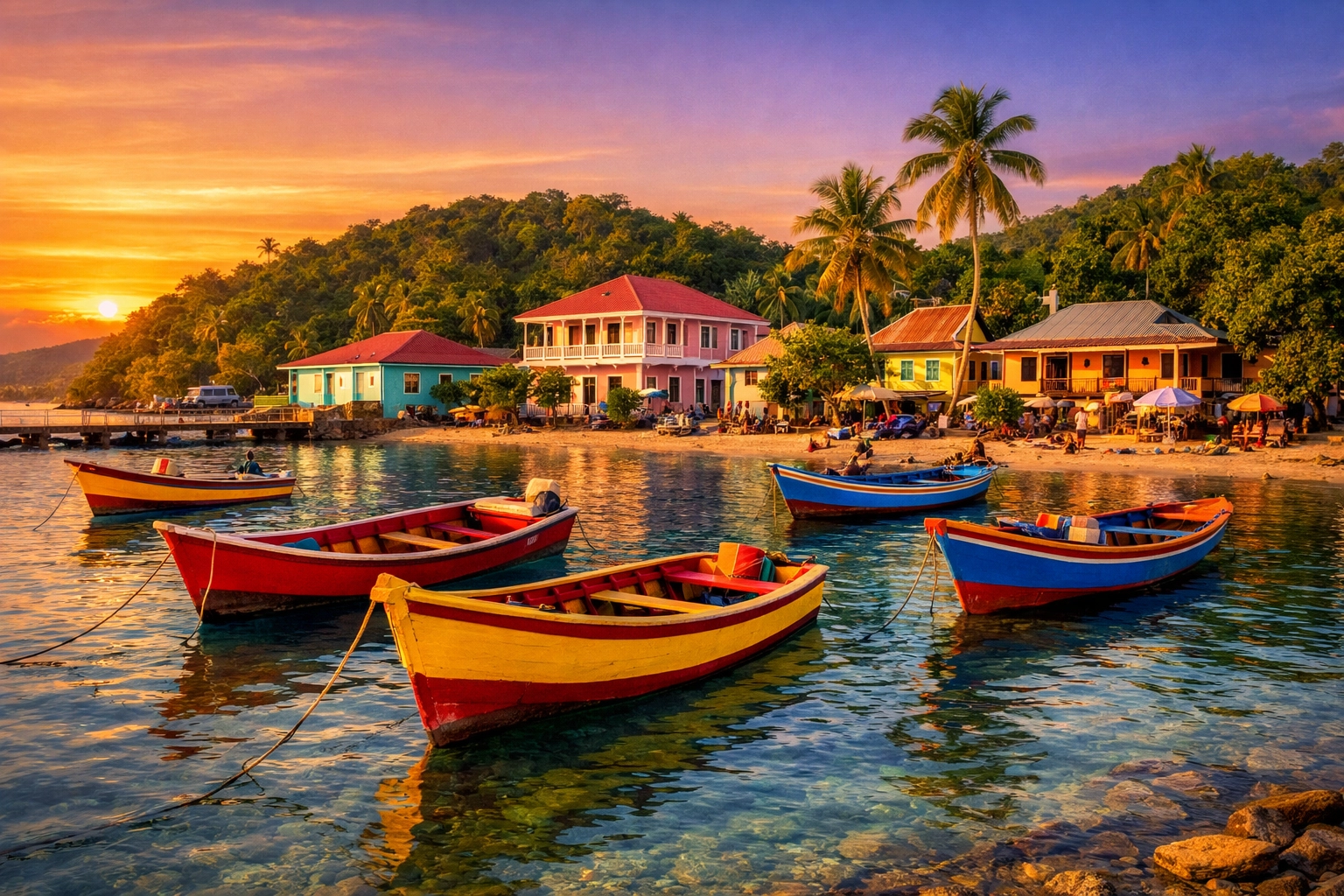
Interacting with local fishermen to discuss sustainable practices.
Visiting historical sites to understand the region's colonial and maritime history.
Engaging in local traditions and food culture.
Integrating cultural immersion provides the context necessary for students to understand why ocean conservation is a global necessity. This multifaceted approach is similar to the strategies used in The Teacher’s Guide to Cultural Immersion in Peru.
Conclusion: Preparing for a Successful Expedition
Ensuring the safety and academic enrichment of your students is a significant responsibility that requires meticulous planning. By focusing on credible organizations, seasonal timing, and genuine scientific contribution, you can design a program that leaves a lasting impact on both your students and the Caribbean ecosystems they visit.
Maintain a risk-averse mindset, prioritize thorough preparation, and keep open lines of communication with parents and administrators throughout the process. When students are properly prepared, a Caribbean ocean conservation trip becomes more than just a school journey; it becomes the catalyst for a lifetime of environmental stewardship.
To begin planning your next high-impact marine science expedition, consult with the experts at Appleseed Expeditions to ensure every detail of your itinerary is optimized for safety and educational excellence. Reaffirming our core objectives: enriching the student experience while safeguarding the environment( is the foundation of every successful voyage.)

Comments